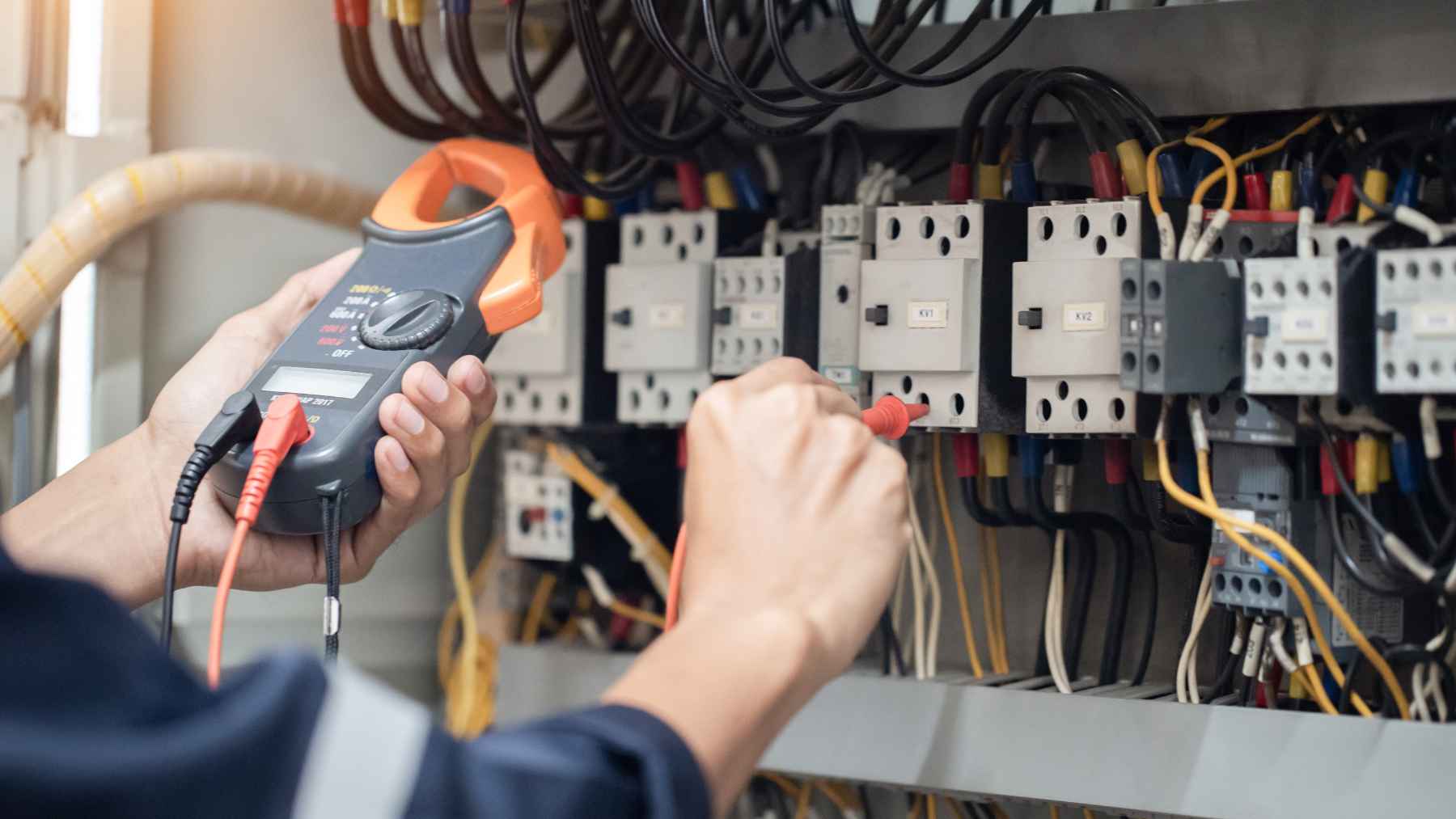
The clean-energy transition is often presented through shiny hardware such as solar panels, batteries, heat pumps, and electric vehicles. But none of those systems works without the people who pull cables, test circuits, repair faults, and keep power moving safely.
Alfredo Becerra’s career offers a ground-level look at how that work has changed. He began learning at 14, entered an electrical company at 16, and stayed in the trade for more than three decades, watching old materials disappear, safety improve, salaries shift, and knowledge move from guarded workshop tricks to public online tutorials.
He learned the trade one step at a time
When Becerra was 14, he left school and spent his afternoons helping a local man with small repair jobs. That was where he learned to recognize basic tools and began to understand the rhythm of hands-on work.
In 1978, at 16, he joined the company that would define most of his working life. Apprentices then advanced through four levels before taking a test to become a third-class journeyman, followed by further steps toward first-class status or specialist work.
It was a slow ladder. But it tied promotion to years of practical experience, and the pay difference between a beginner and a skilled worker gave people a clear reason to climb it.
The job was heavier and less forgiving
Becerra first worked with radiant ceiling wiring and heat-storage units, systems that later became outdated. He moved into public lighting, commercial installations, and eventually low- and medium-voltage networks, where strength mattered almost as much as technical judgment.
Cable reels were moved and unrolled largely by hand, using heavy jacks to support them. Today, a passerby may only see a utility crew beside an open cabinet, but the older version of the job often meant wrestling with the infrastructure itself.
The materials added another layer of difficulty. Becerra remembered Bechman conduit, cloth-covered cable, and installations in which conductors were all the same color, turning future repairs into something close to electrical detective work.
Improvisation filled the gaps
Specialized products were not always available, so workers improvised. Becerra recalled colleagues pouring beer onto a stubborn cable run and admitted that he sometimes used traditional hard soap as a makeshift lubricant.
He did not defend those practices. “You cannot do that, but they did it,” he said about the beer, capturing an era when ingenuity often ran ahead of formal procedures. The lesson is not that the old ways were better, but that modern tools and standards have helped reduce hazards workers once treated as normal.
Pay tells a more complicated story
Becerra said he began earning the nominal equivalent of about $68 in 1980. These dollar estimates use the European Central Bank’s July 27, 2026 reference rate, so they are not a measure of what the money could buy at the time.
He also said a good journeyman could earn more than twice the pay of a new assistant. By his account, the gap between categories today may be only about $114 to $171, a much narrower difference that can make training and retaining newcomers less attractive for some employers.
The interview material gives two figures for the end of his career. It places his regular 2016 wage at about $1,594, while the headline cites total earnings of roughly $2,392. The source does not provide a complete breakdown, although Becerra also discusses weekend work, higher-rate pay, and his preference for having those earnings recorded officially.
One payroll decision followed him into retirement
That preference became one of the clearest lessons in his story. Rather than accepting money outside the formal salary system, Becerra wanted his earnings on payroll so they would count toward the contributions used to calculate his retirement income.
He says that choice left him with a strong pension, even higher than what he had been earning before retirement. It is not a glamorous piece of career advice, but it is practical. For Becerra, officially recorded pay provided security long after the final cable had been installed.
Knowledge no longer stays in the toolbox
The culture of the trade changed along with the cables. Becerra remembers a time when workers completed the assigned job and kept techniques largely among themselves, while younger electricians now film installations, explain problems, and share methods on social media.
“I think it is wonderful that knowledge is now shared,” he said. That openness can shorten the learning curve, expose unsafe practices, and give future electricians a window into a career before they commit to it.
He also valued the human side of the job. Coworkers met for a drink on Thursdays, and he remembered that even a boss who disliked their closeness could not erase the basic truth that “in the end, you work better in harmony.”
Electricians are part of climate infrastructure
Becerra’s early specialties belonged to another technological age, but the trade he describes now sits at the center of electrification. Solar systems, home batteries, efficient heating, electric-vehicle chargers, smart buildings, public lighting, and upgraded grids all depend on trained people who understand what happens behind the switch.
That makes apprenticeships, fair pay, and knowledge transfer more than labor issues. The European Commission’s Joint Research Centre has estimated that the energy transition and expanded manufacturing capacity could require more than 1 million new jobs in the European Union by 2030, while vacancy rates in several energy-related sectors doubled between 2020 and 2023.
So, what should businesses keep in mind? Technology can replace obsolete materials and reduce physical strain, but it cannot skip the need for skilled workers, safe procedures, and a career path worth entering. The electric future may be built with smarter equipment, yet it will still be held together by experienced hands.
The full interview was published on Sector Oficios Podcast.