A confidential draft analysis of Alaska’s gas line deal has turned a tax debate into something much bigger. At issue is whether the state could face a costly buyback if it tries to regain control of the Alaska LNG project after the private developer misses certain milestones.
That matters because lawmakers are weighing a tax structure that could save the project roughly $16 billion over its first 30 years, while the full buildout is estimated at $44.5 billion to $54.5 billion.
On paper, Alaska LNG promises cheaper in-state gas, thousands of jobs, and a new export route to Asia. However, a simple question now hangs over the whole thing: who pays if the plan breaks down?
What the leak changes
Glenfarne became the lead developer of Alaska LNG after taking a 75% stake in 8 Star Alaska, the project entity, while the State of Alaska kept 25% through the Alaska Gasline Development Corporation. Officially, Glenfarne is supposed to carry the project from engineering through a final investment decision.
The confidential draft reportedly says Glenfarne must hit “recovery milestones” to keep proving it is acting in good faith. If AGDC decides those benchmarks are not met and tries to recover the project, the state corporation could have to deal with a price proposed by Glenfarne and possibly set by an independent investment bank.
Senator Bert Stedman, a Sitka Republican, put it plainly. “It’s an important document. It should be taken seriously,” he said. Sen. Jesse Kiehl, a Juneau Democrat, was just as direct when he warned that state agreements that could make Alaskans pay are something Alaskans should know about.
A tax break with huge stakes
Governor Mike Dunleavy’s proposal would replace the current 2% oil and gas property tax structure with a volume-based tax tied to the gas moving through the pipeline. The administration says that approach would reduce early fixed costs and could generate more than $26 billion in tax and royalty revenue over 30 years.
Supporters see that as the kind of certainty investors need before putting billions into Arctic infrastructure. In practical terms, it would shift the tax burden away from the construction years and toward the years when gas is actually flowing.
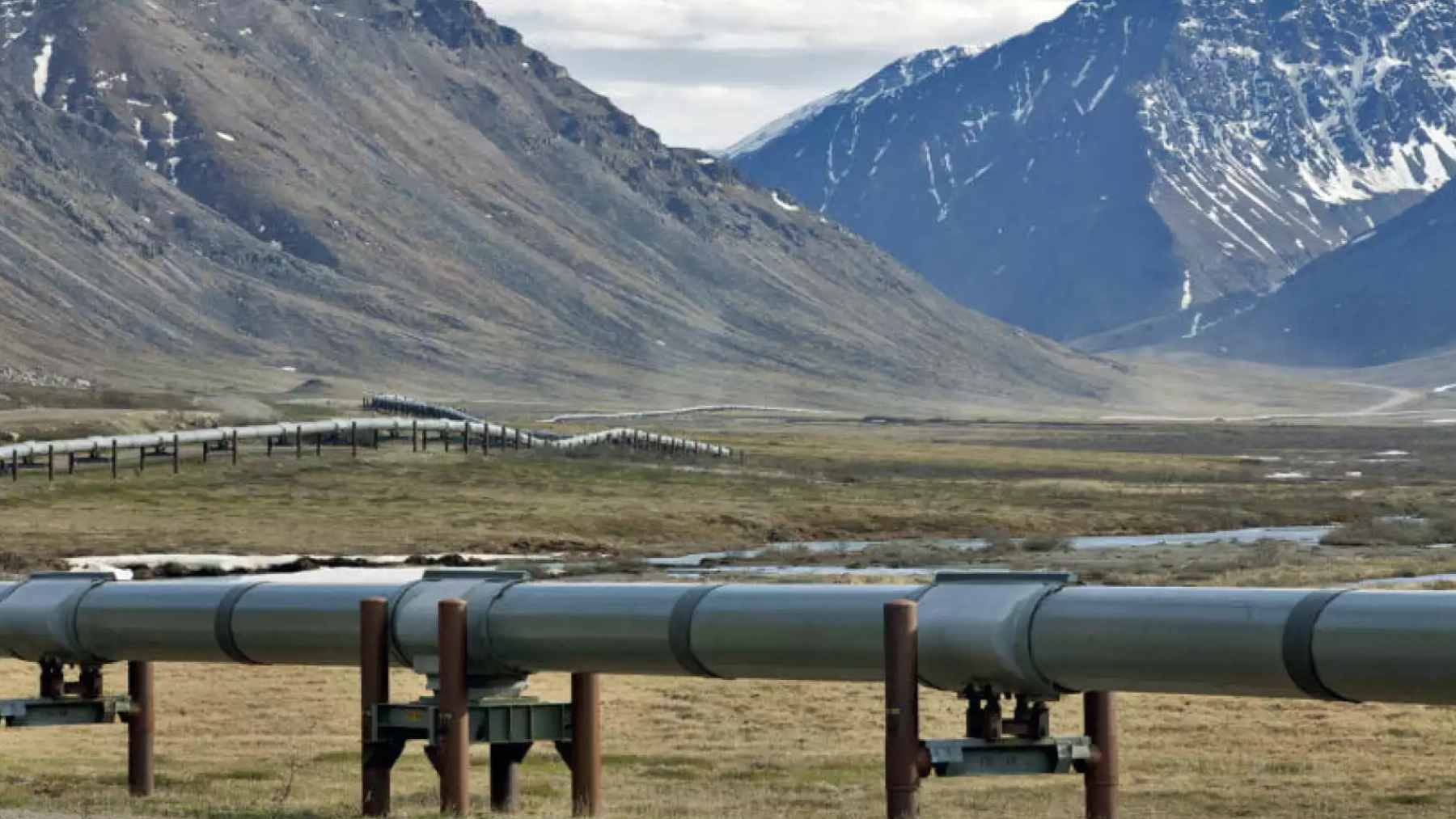
Critics are not saying Alaska should abandon the gas line altogether. Their concern is that the state may be asked to approve a major tax break while key financial and legal details remain confidential. That is a tough sell when the project touches public money, public land, and long-term environmental risk.
Energy security meets climate risk
The pitch for Alaska LNG starts with energy security. Glenfarne said in May that agreements with North Slope producers are now sufficient to support a Phase One final investment decision and supply enough gas for Alaska’s needs.
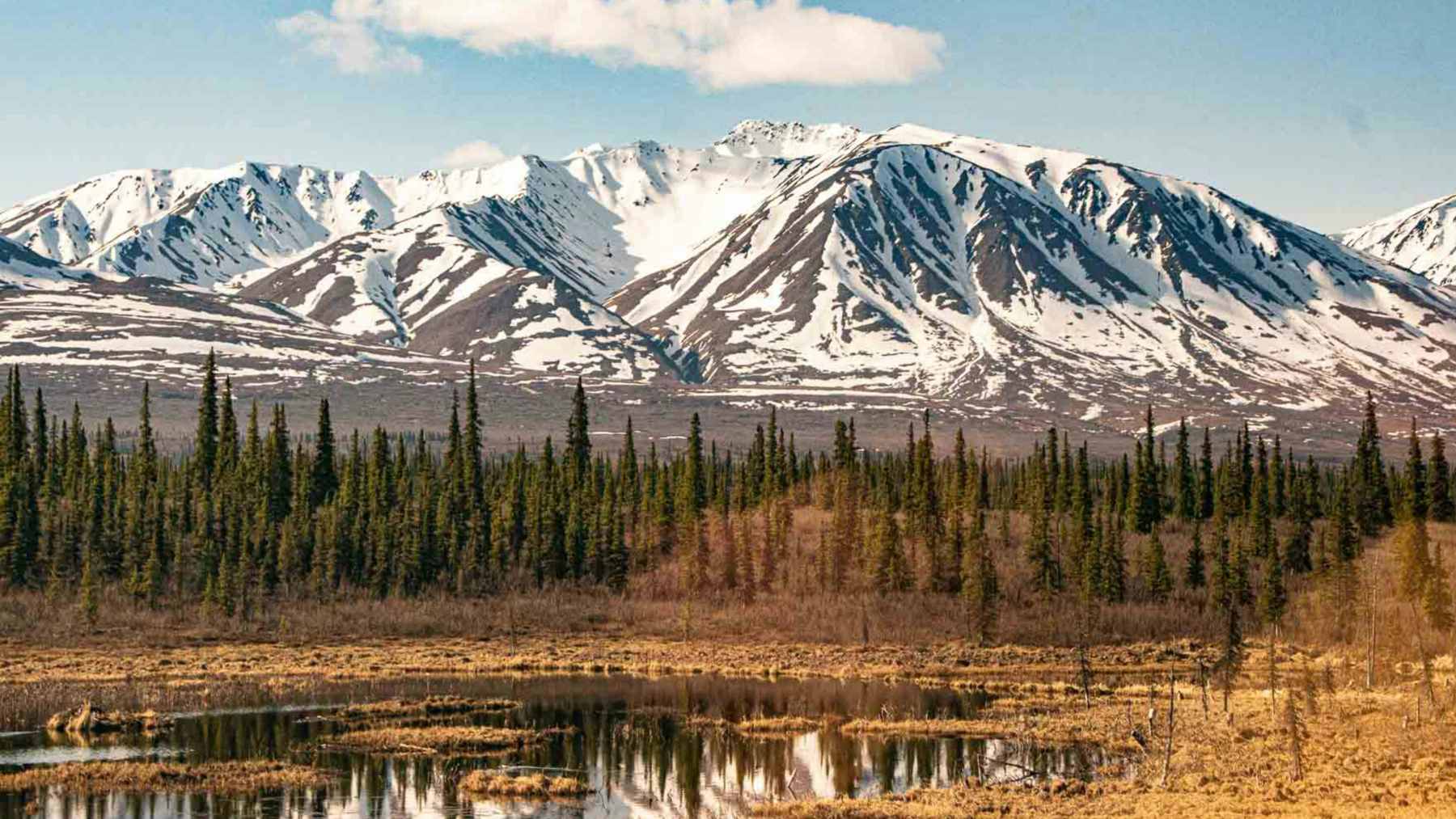
The full project is described in official materials as an 807-mile, 42-inch pipeline that would move North Slope gas for domestic use and support exports of roughly 22 million tons of LNG per year. Phase One focuses on getting gas to Alaskans, while Phase Two would add export infrastructure in Nikiski.
This is where the environmental picture gets complicated. Natural gas generally releases less carbon dioxide than coal or petroleum when burned for the same amount of energy, but methane leaks from gas systems remain a major climate concern.
The EPA says methane traps far more heat than carbon dioxide over a 100-year period, and oil and gas systems are among the largest U.S. methane sources.
The carbon capture promise
Alaska LNG’s official development agreement press release says the project includes a North Slope carbon capture plant designed to remove and safely store 7 million tons of carbon dioxide each year. That is a major claim, and it will likely be central to how supporters frame the project’s environmental footprint.
Still, carbon capture does not make public scrutiny optional. A project this large can affect communities, wildlife habitat, construction corridors, water systems, and future fossil fuel demand, even if parts of it are designed to reduce emissions.
That’s why transparency matters–not in an abstract way, but in the way a heating bill matters in winter or a local road closure matters when a family is trying to get to work.
The guardrails lawmakers want
After learning about the confidential draft, Senate lawmakers added protections to the tax bill. One amendment said that if the project does not move forward, the developer must transfer project assets back to AGDC within six months at no cost to the corporation or the state.
Another amendment would require AGDC and Glenfarne to report relationships with foreign companies. That matters because the project is not just local infrastructure. It is tied to LNG exports, Asian buyers, outside investors, and companies that could help build or finance pieces of the system.
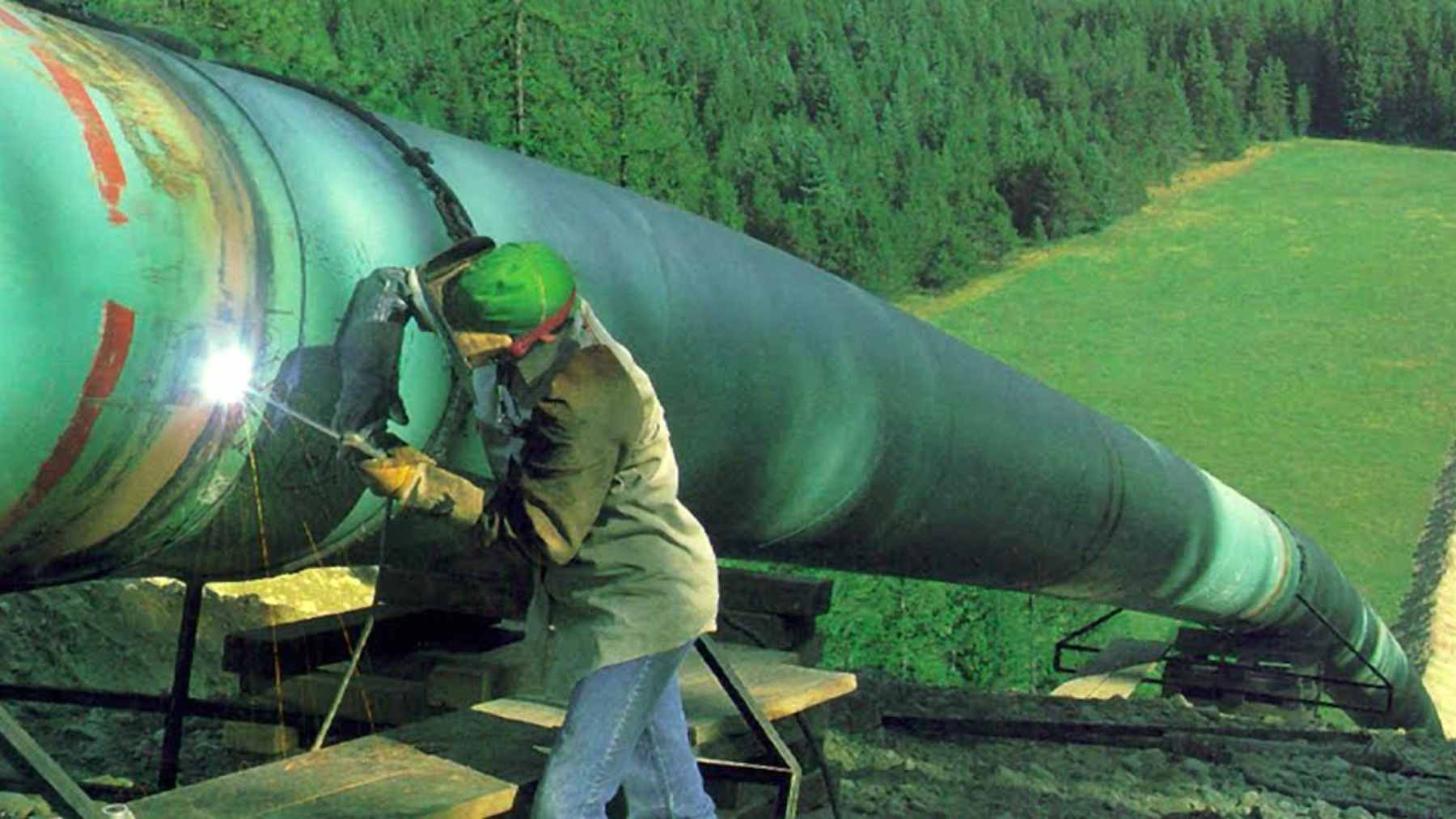
Glenfarne and AGDC have said they are bound by confidentiality. In testimony, Glenfarne Alaska President Adam Prestidge said, “There is no scenario where we ask the state for money,” according to the reporting provided. The trouble is, senators say the draft language still left them worried about possible liability.
What happens next
A House and Senate conference committee has been working on a final version of HB 381, with lawmakers trying to reconcile competing versions of the tax bill. Alaska Public Media reported that the committee set an informal July 1 deadline, though its chair said meeting it would be “challenging.”
The clock is moving fast. If lawmakers keep the Senate’s protections, Alaska may get a bill with stronger guardrails. If those protections are weakened or removed, the state could be approving one of the biggest energy bets in its history with unanswered questions still sitting in the room.
At the end of the day, Alaska LNG is no longer just a pipeline story. It is a test of how much risk the public should accept in exchange for promised energy security, jobs, and future revenue.
The official project development agreement press release was published on Alaska LNG.