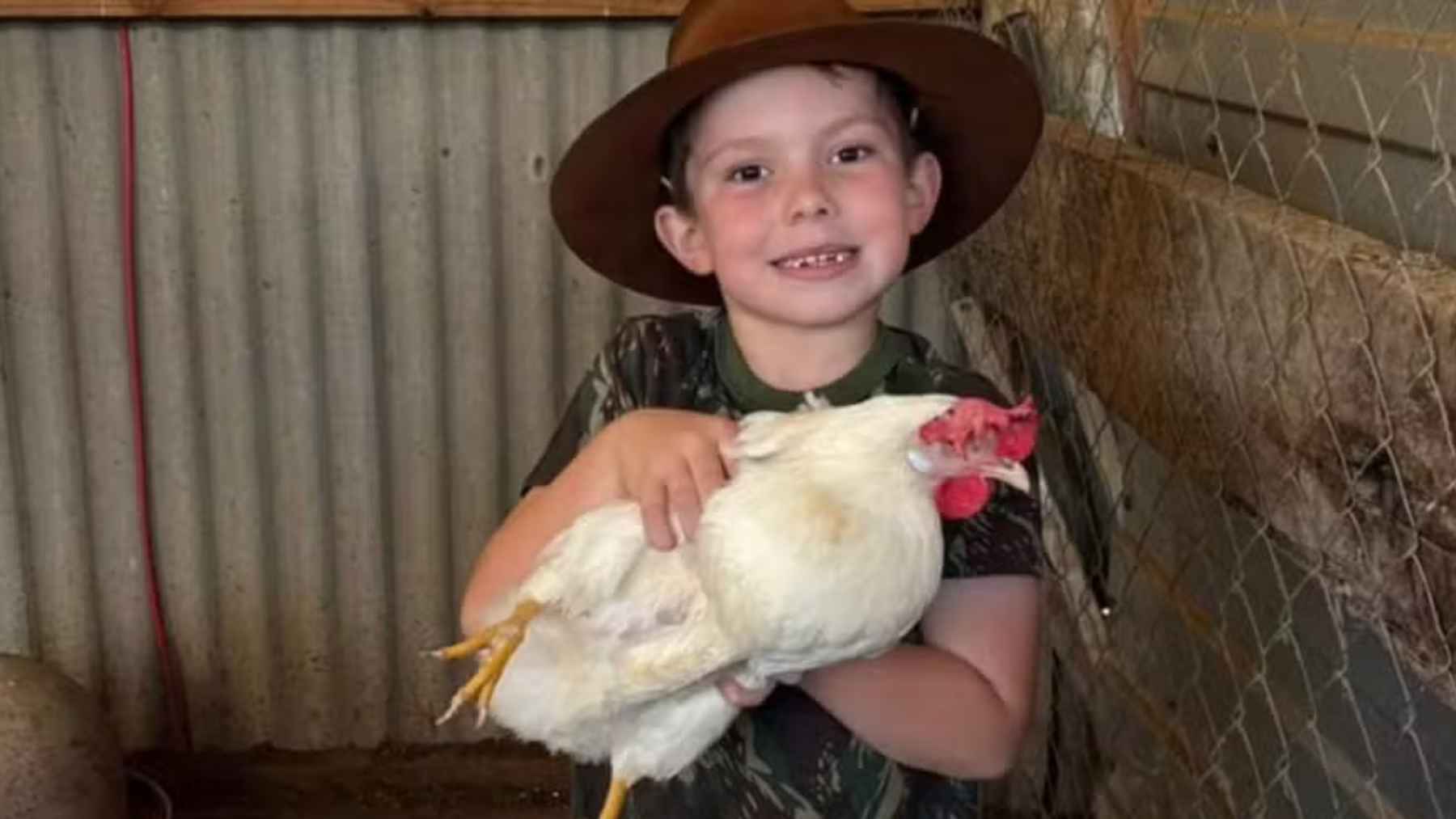
When José Pedro Pereira learned that his family might no longer afford the private school he loved, he did not ask for a new toy or simply wait for the adults to decide. At six years old, he looked at his grandmother’s hens and proposed selling their eggs.
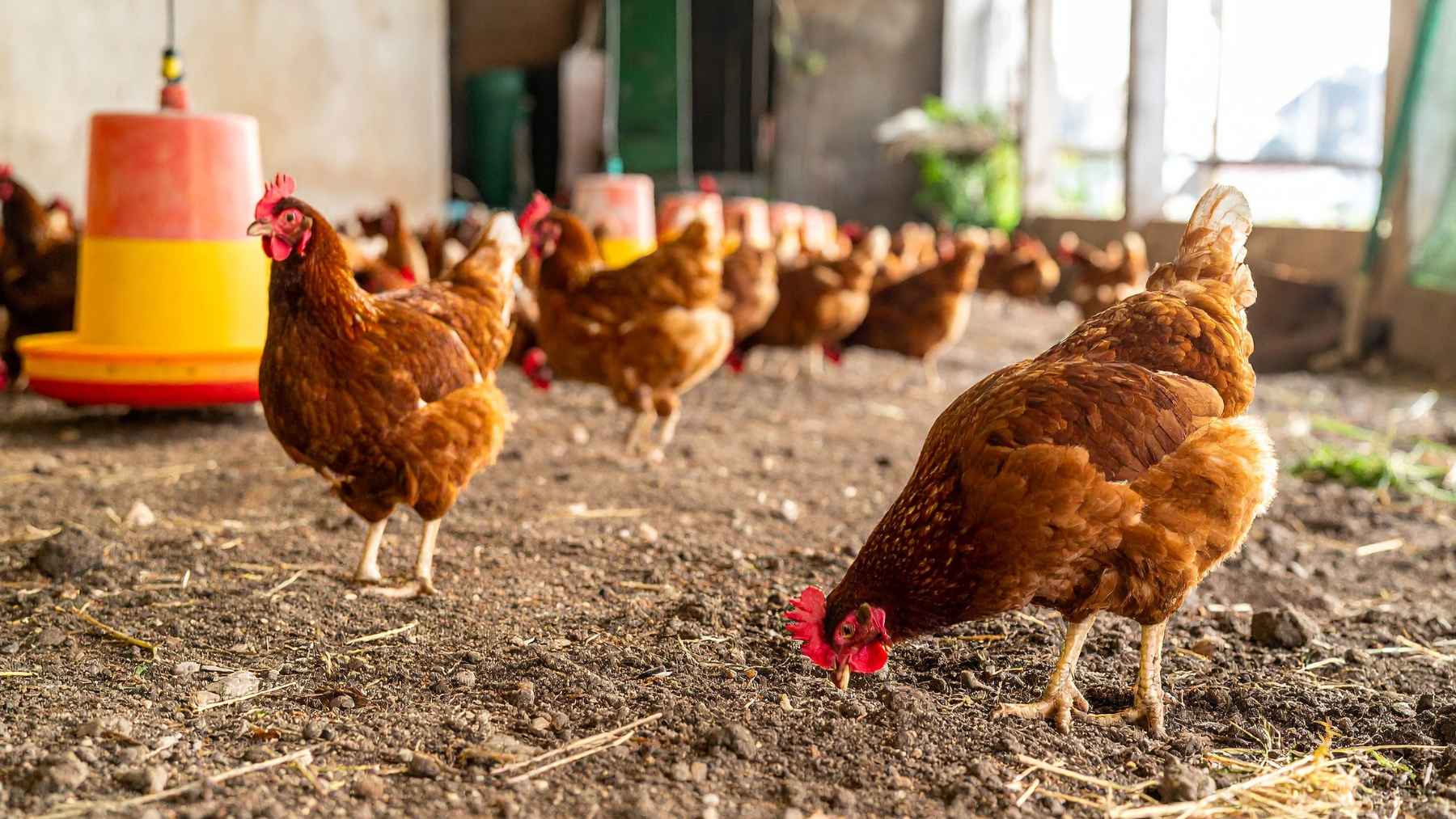
The family backed venture in Gaspar, in Brazil’s southern state of Santa Catarina, has grown from 15 to about 80 birds. It now produces roughly 60 eggs a day and reportedly covers around 85% of his tuition. It is a remarkable business story, but its biggest lesson is not that children should pay for school themselves.
How “Zé dos Ovos” began
José was facing a possible move from his private school to a public one because the monthly fee had become difficult for his family to manage. He was not about to lose his legal right to education, a distinction that some viral versions of the story blur, but he wanted to remain in the school he knew.
His grandmother already kept chickens and sold surplus eggs, so José suggested building a venture around the same routine. The family agreed, the brand “Zé dos Ovos” was born, and his mother, Vamila dos Santos Pereira, handled adult responsibilities such as online sales and deliveries.
Local reporting says José turned seven in February 2026. He helps feed the birds, refill their water, collect eggs, and take part in simple decisions after school, while his relatives supervise the operation. That family role matters.
A tiny business with real numbers
The latest published account says the flock has reached around 80 birds, producing about 60 eggs per day. Demand has at times created a waiting list.
The income initially covered between 40% and 50% of the school fee because money also went back into feed, new birds, and a larger coop. It now covers about 85%, offering José an early lesson many adults learn the hard way. Revenue is not the same thing as profit.
His mother keeps a notebook showing expenses and earnings. “We even have a notebook where I show him all the expenses and the profit from egg sales,” she told a local newspaper. That turns a backyard activity into a lesson in pricing, reinvestment, customer trust, and cash flow.
The green lesson is more complicated
At first glance, “Zé dos Ovos” looks like a miniature farm-to-neighborhood food system. Eggs travel from a household coop to nearby buyers, and much of the money stays in the community.
But local does not automatically mean low impact. Research on egg production, including work focused on Brazil, finds that feed composition, feed efficiency, and manure management are among the biggest environmental factors. A short delivery route cannot cancel out weak practices elsewhere in the production cycle.
Chicken manure can be reused as fertilizer when handled safely and applied in suitable amounts. On the other hand, excess nitrogen and phosphorus can reach waterways. The reporting does not explain how this family manages waste, so it would be wrong to attach a green label without that information.
Inspiration should not become pressure
There is an uncomfortable question behind the cheerful branding. How much responsibility should a six-year-old carry when the household budget is tight?
Brazil generally prohibits work for anyone under 16, except formal apprenticeships beginning at 14. The reports describe this as a supervised family project, but hours, tasks, conditions, and control of the income would all matter in any official assessment. Feeding chickens after school is not the same as carrying responsibility for a company’s survival.
Childhood still needs room for classes, rest, friends, and play. A learning activity can become harmful when it is compulsory, hazardous, exhausting, or allowed to interfere with school. The adults must guard that boundary.
Brazil’s education gap remains wide
José’s story has spread partly because it touches a larger anxiety about access to stable, high-quality education. The OECD reported that Brazil spent the equivalent of $3,872 per student from primary through post-secondary non-tertiary education, placing it toward the lower end of the countries covered.
Brazil also devoted 4.3% of its economy to public funding from primary through tertiary education, above the OECD average of 3.6%.
Those figures suggest the challenge cannot be captured by one budget percentage. The number of learners, available national income, distribution of resources, and what reaches each classroom all matter. In Brazil’s first participation in PIRLS, fourth-grade students recorded an average reading score of 419 in 2021, below the scale center point of 500.
There has been progress. IBGE reported that the illiteracy rate among people aged 15 and older fell to 4.9% in 2025, the first result below 5%, but 8.4 million people still could not read or write. More than half lived in the Northeast, where the rate was 10.6%.
Public support must carry the weight
Around 273 million children and young people were out of school worldwide in 2024, according to UNESCO’s latest global monitoring. That scale turns José’s egg cartons into something more than a feel-good story. They show how easily educational opportunity can become tied to family income.
Brazil’s Bolsa Família program is designed to move some of that pressure back where it belongs. Current rules require minimum school attendance of 60% for beneficiaries from age four to under six, and 75% from age six to under 18 for those who have not completed basic education.
Research using census data found that beneficiary children were more likely to be enrolled than non-beneficiaries at every income threshold examined.
José’s initiative deserves recognition, and the family’s use of sales records, online ordering, and local food production offers a smart lesson in small business. But no child’s education should depend on whether the hens lay enough eggs that week. That is the line adults, markets, and governments cannot afford to forget.
The latest official education data discussed in this article were published on IBGE.