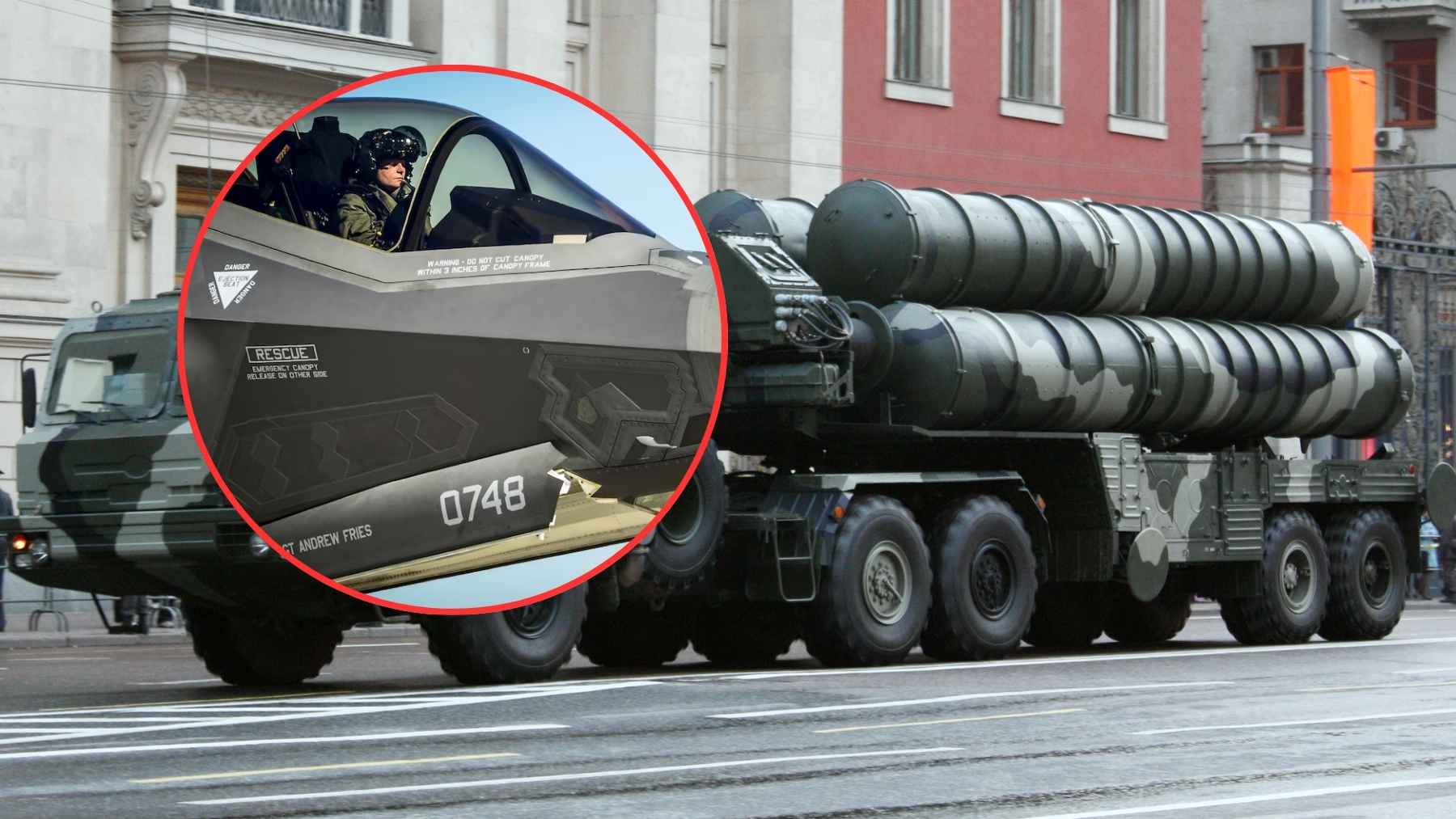
A Russian-made air defense system that has divided Turkey and the United States for years may be heading to the Gulf.
Turkish media reports say Ankara is exploring a transfer of its S-400s to the United Arab Emirates, a move that could remove the biggest legal obstacle to Turkey’s return to the F-35 program while giving Abu Dhabi another layer against missiles and drones.
But the decisive fact is also the simplest one. No government has confirmed a sale. Hulusi Akar, Turkey’s former defense minister and current parliamentary defense committee chairman, said, “We did not say, nor are we saying, that the S-400s are going to the UAE,” while the Turkish Defense Ministry said work on the system was “continuing in multiple dimensions.”
An unconfirmed deal
The latest wave of speculation began after a pro-government Turkish columnist reported that the S-400s had been sold to a Gulf country, with the UAE and Qatar both mentioned. An expected announcement did not arrive, and Kremlin spokesperson Dmitry Peskov later called the matter “an extremely sensitive issue” while confirming that Moscow remained in contact with Ankara.
That leaves a deal hidden behind several layers of uncertainty. Public reporting differs on the buyer, the package, and whether the talks concern a full sale, storage abroad, or another arrangement designed to remove the systems from Turkish control. For now, the most accurate description is an active negotiation, not a completed transfer.
Why the F-35 depends on it
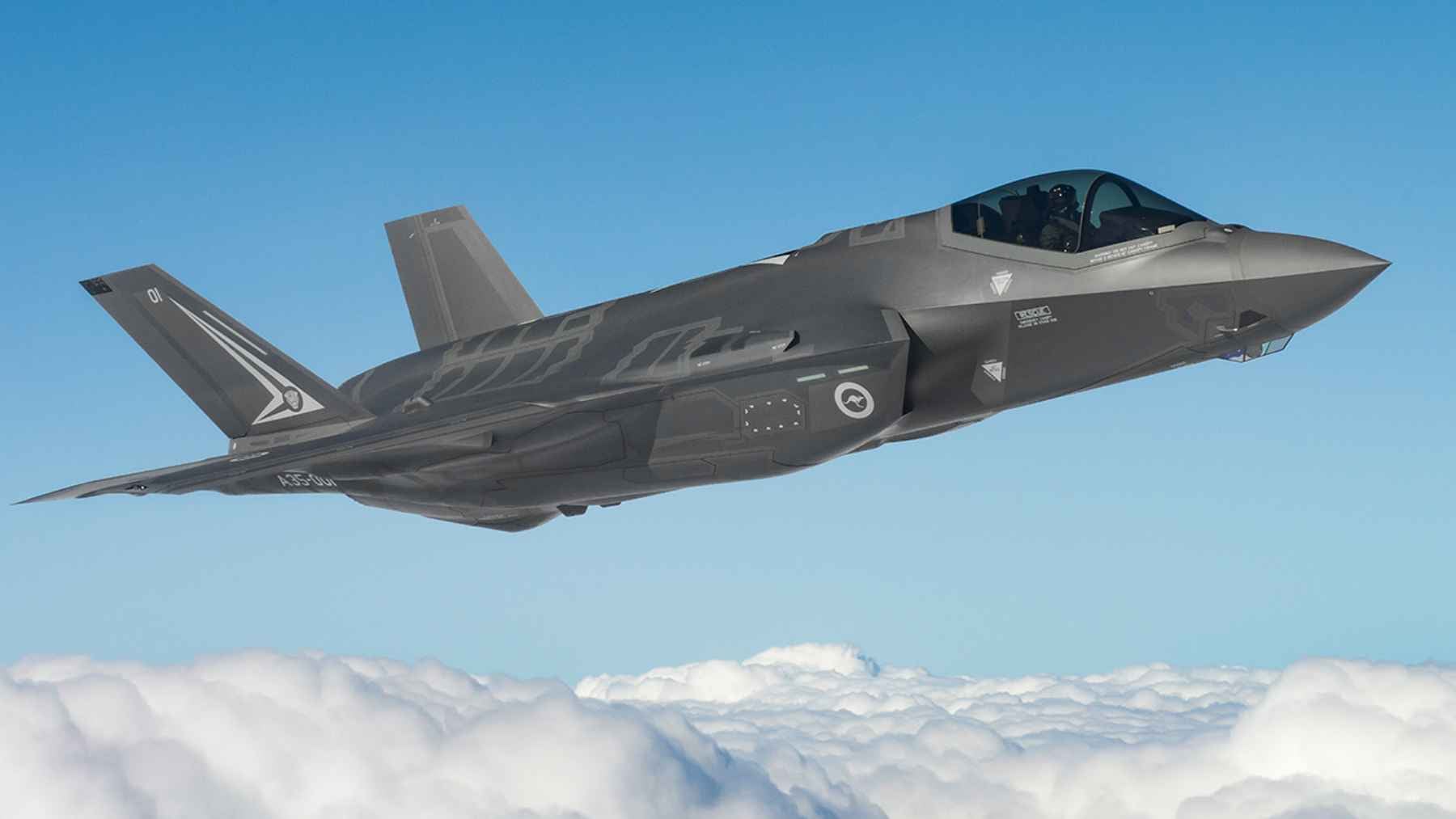
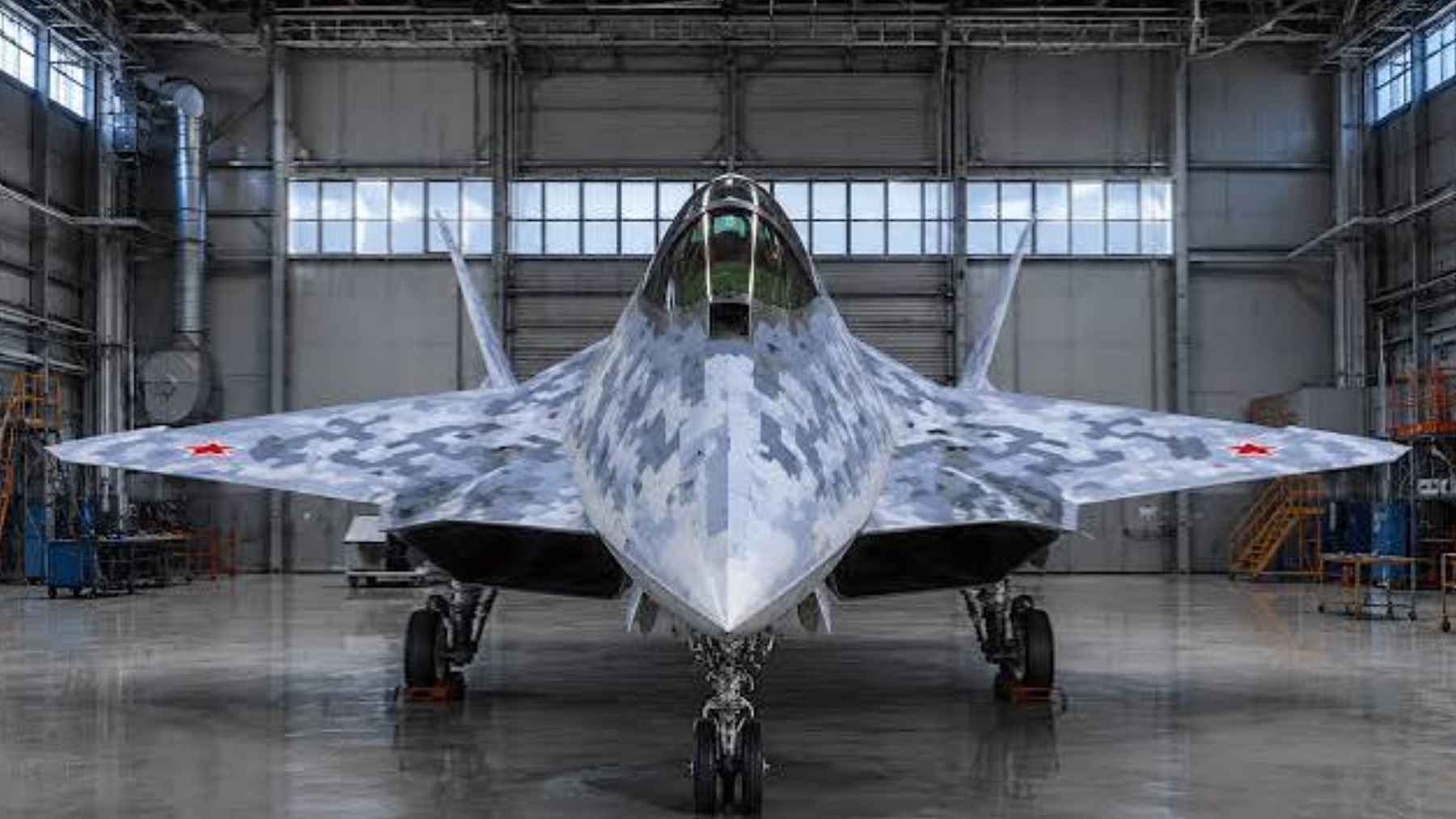
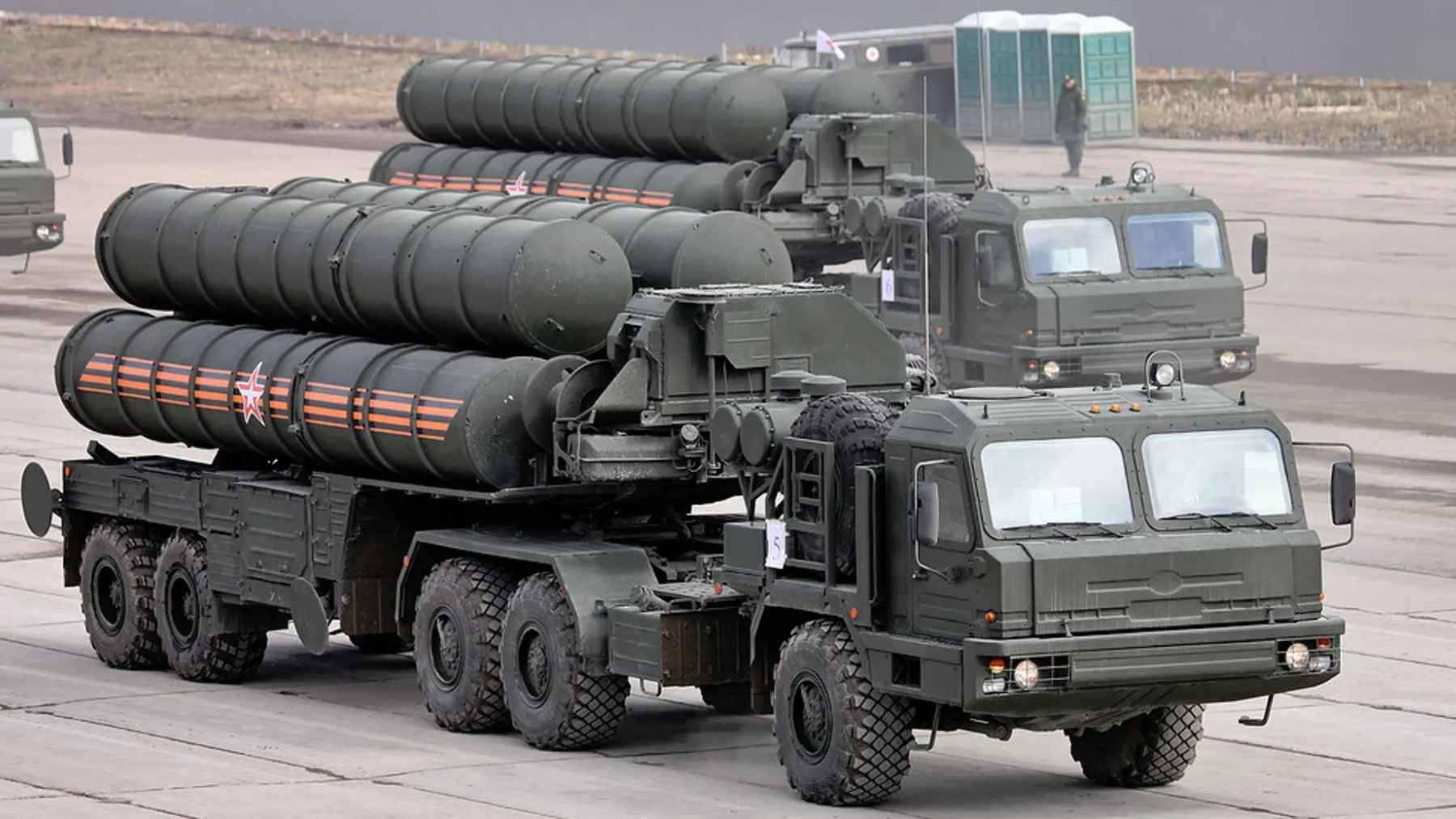
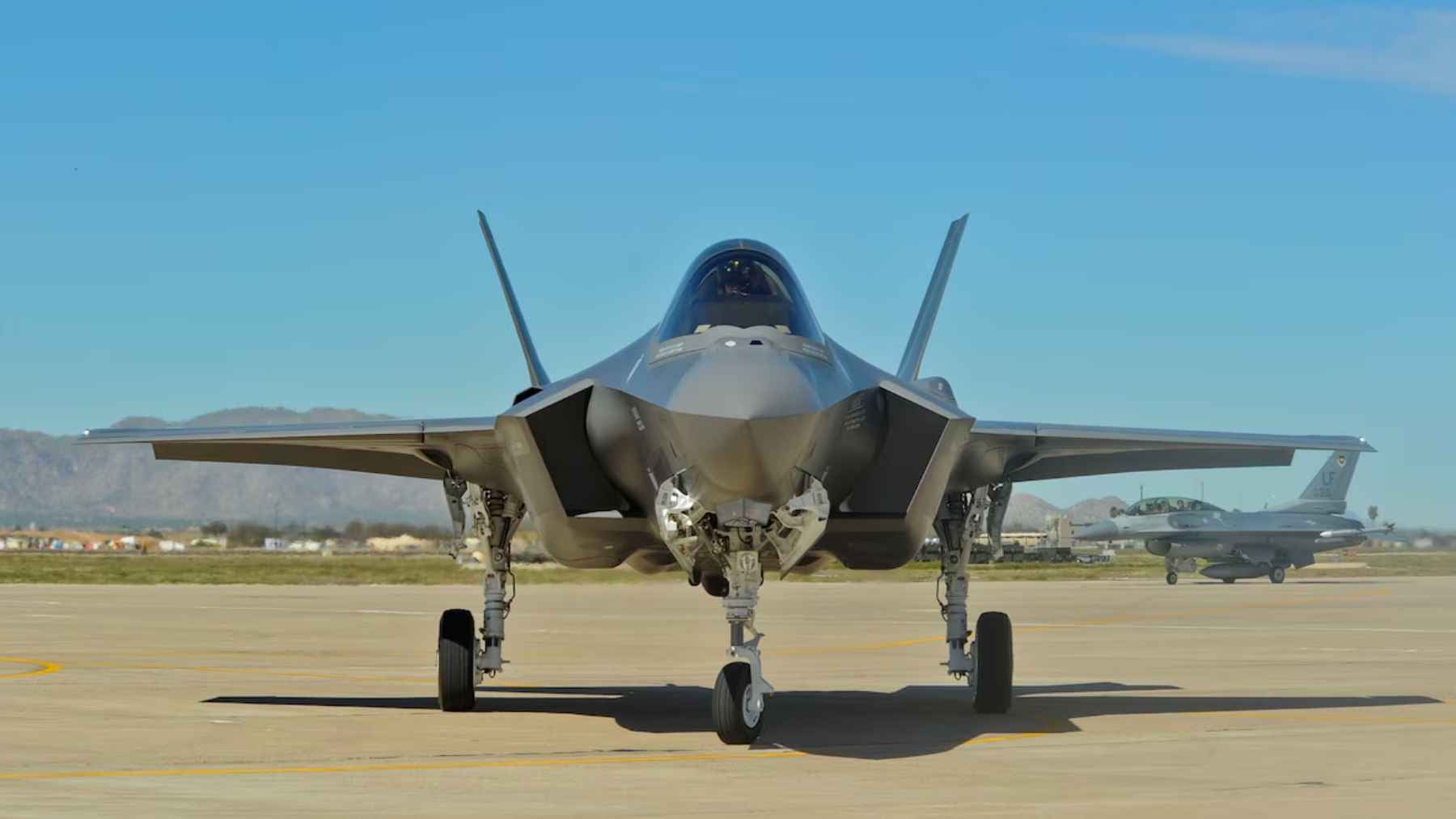
Turkey accepted its first S-400 components in July 2019 after signing a roughly $2.5 billion contract with Russia. Washington then began removing Turkey from the F-35 partnership, arguing that operating the Russian system near the stealth jet could expose sensitive aircraft and sensor data.
The United States imposed CAATSA sanctions on Turkey’s Presidency of Defense Industries in December 2020.
The legal barrier is unusually specific. Section 1245 of the 2020 U.S. defense authorization law says the defense and state secretaries may waive the F-35 restriction only after certifying that Turkey no longer possesses the S-400 or associated equipment and personnel, has promised not to accept it again, and has avoided other Russian purchases that could threaten F-35 technology.
Even then, the process is not automatic. The law requires a 90-day waiting period after certification, and Congress would almost certainly examine the evidence. Six Turkish F-35As, identified as AT-1 through AT-6, were placed into long-term storage in the United States, making the dispute visible in metal as well as on paper.
Why Abu Dhabi may want it
The UAE already operates one of the Gulf’s most varied air defense networks, including U.S.-made Patriot and THAAD systems and Russian-made Pantsir units. Adding the S-400 could extend detection and engagement coverage against aircraft, cruise missiles, and some ballistic threats, with its longest-range interceptor advertised at up to roughly 250 miles.
On paper, that sounds attractive. Recent missile and drone attacks in the region have made layered defense a daily concern rather than an abstract military exercise. But a used system is only as valuable as its missiles, spare parts, software support, trained crews, and legal permission for continued Russian technical assistance.
A resale through Turkey might reduce the risk of CAATSA penalties compared with buying a new system directly from Russia, but it would not create a guaranteed sanctions-free route. Washington would still look closely at Russian approval, maintenance, financing, and any continuing relationship with sanctioned defense entities.
That is where a clever workaround can quickly become another diplomatic problem.
The integration trap
The S-400’s sensors are the reason the issue became so serious in the first place. U.S. officials have long argued that Russian radar operating near the F-35 could collect information about its stealth profile and electronic signature.
Moving the system to the UAE would not erase that concern because American aircraft, bases, Patriot batteries, and THAAD equipment are also present in the Gulf.
There is also a basic engineering problem. A layered shield works best when radars, command centers, and interceptors exchange trusted data in seconds, but Russian and Western systems are not designed to share sensitive information freely.
Keeping them separated may protect data, yet it can also reduce the benefit of owning so many different layers. A shield made from mismatched pieces can still leave seams.
That matters beyond military bases. Airports, ports, power facilities, oil infrastructure, and desalination plants keep daily life moving across the UAE. Preventing a missile from striking an industrial site can also reduce the risk of fires, toxic smoke, fuel spills, water outages, and long economic shutdowns. Air defense is also infrastructure and environmental resilience.
What happens next
For Turkey, a sale could turn an expensive, rarely used system into a diplomatic asset. It could also help recover part of the original investment and reopen a path toward an F-35 program that once promised an estimated $9 billion in Turkish industrial participation.
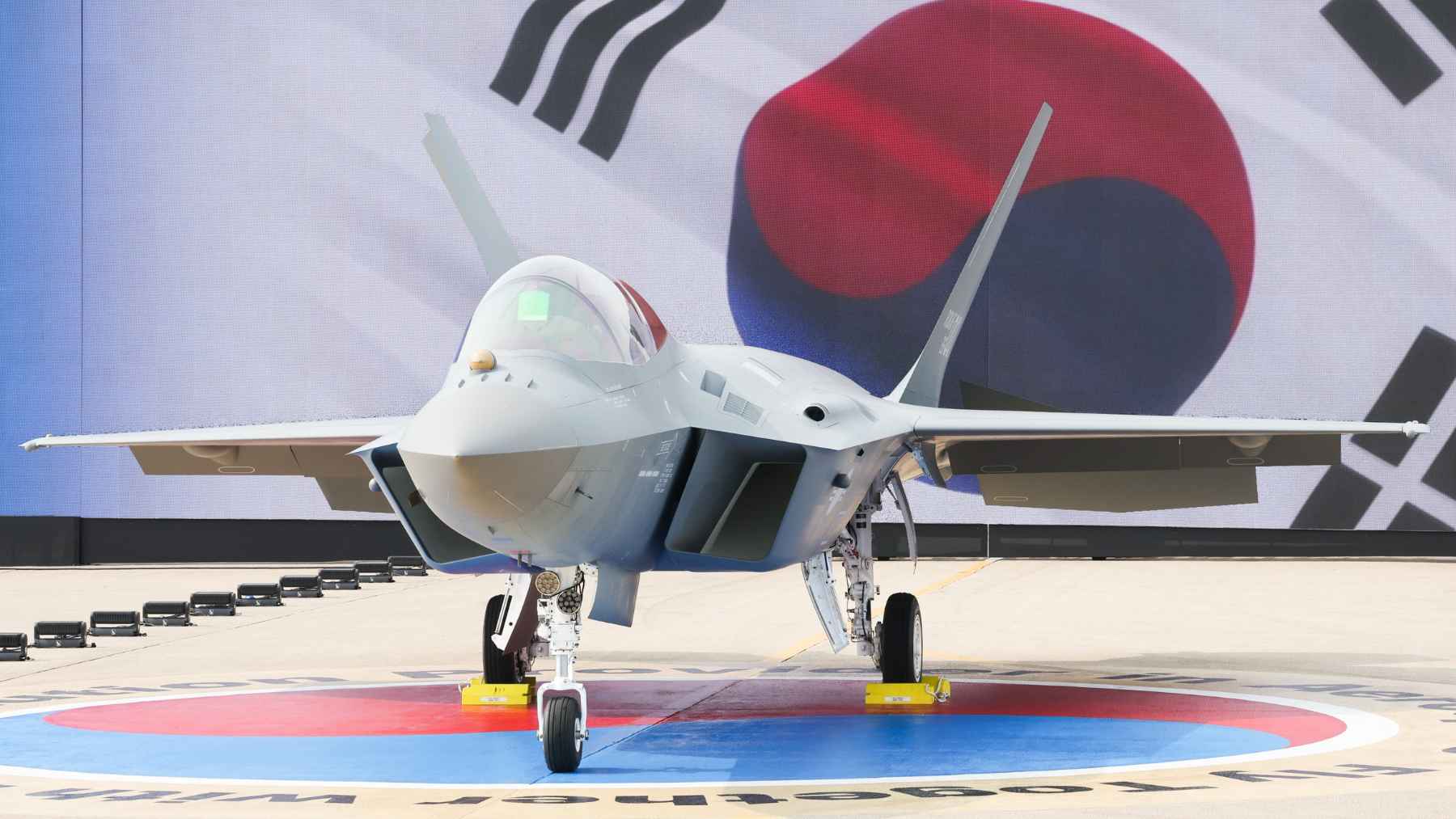
Ankara has spent the intervening years developing the KAAN fighter and domestic SİPER and HİSAR air defense systems, but access to the F-35 would still carry major operational and business value.
Three things would make the story real. Ankara and Abu Dhabi would need to confirm the transfer, Moscow would need to approve any re-export covered by the original end-user terms, and Washington would need to certify that Turkey had met the conditions written into U.S. law. Until those pieces line up, saying the S-400s have been sold is premature.
The latest official statement was published on the Turkish Ministry of National Defense website.