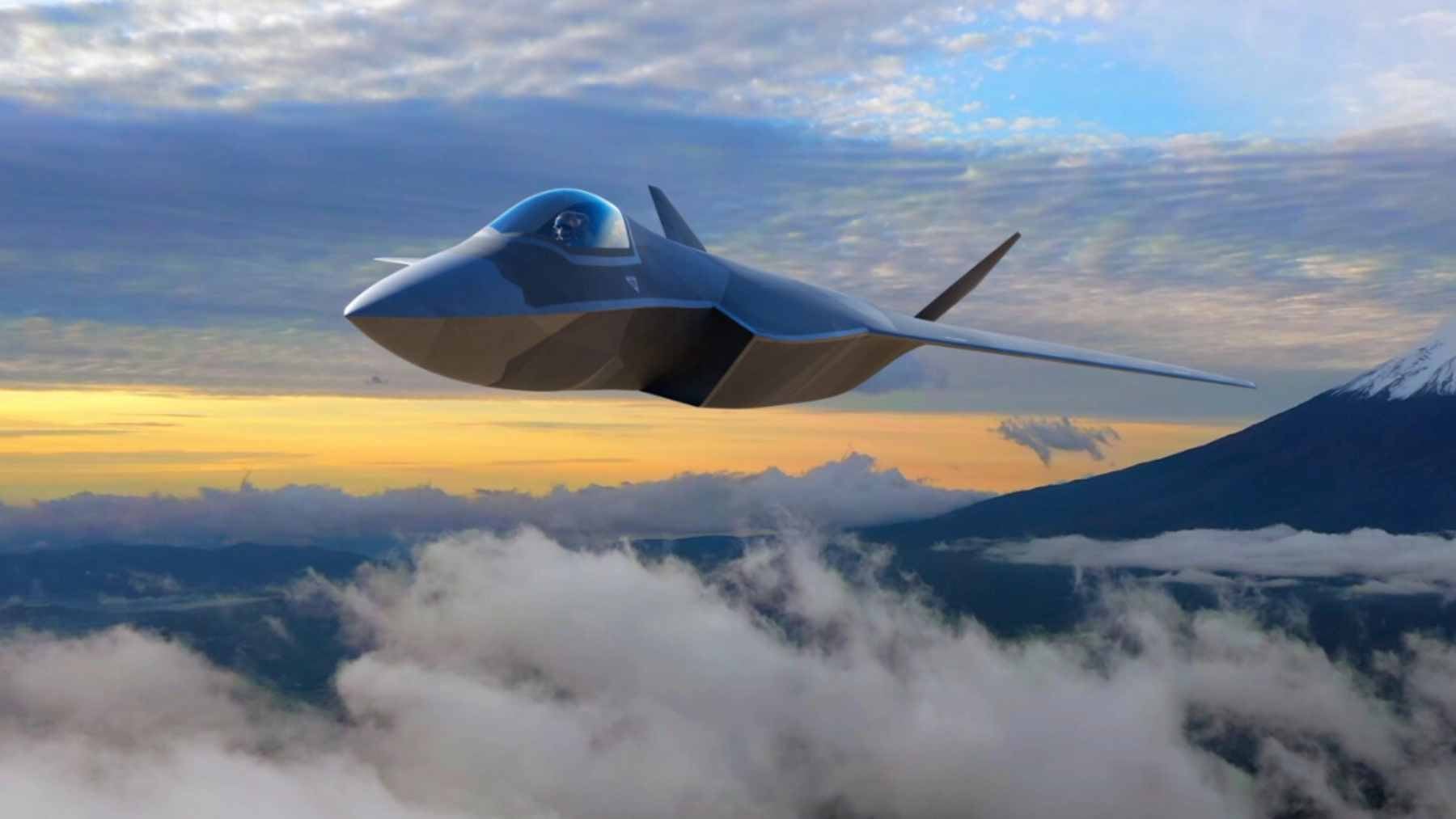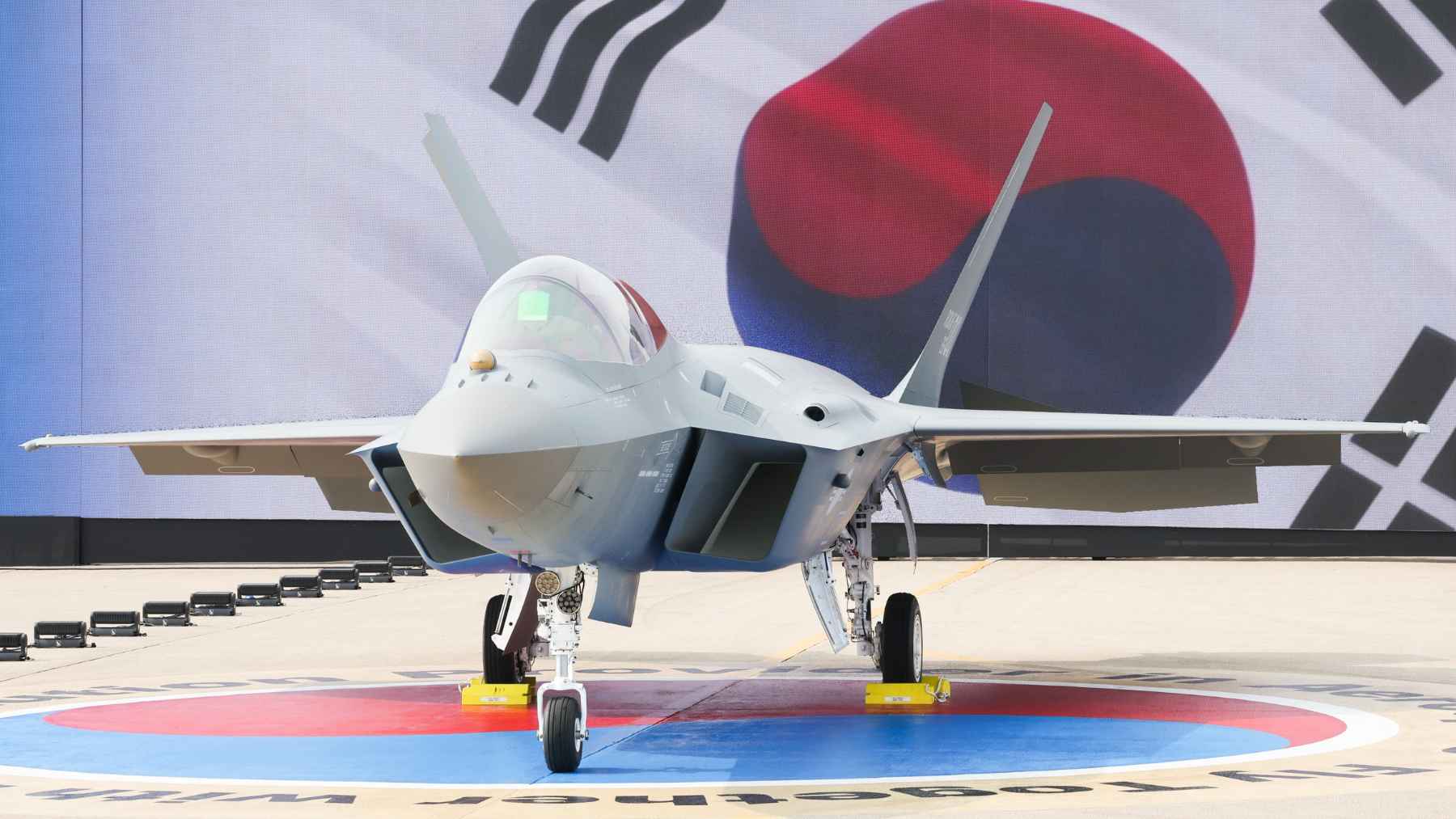
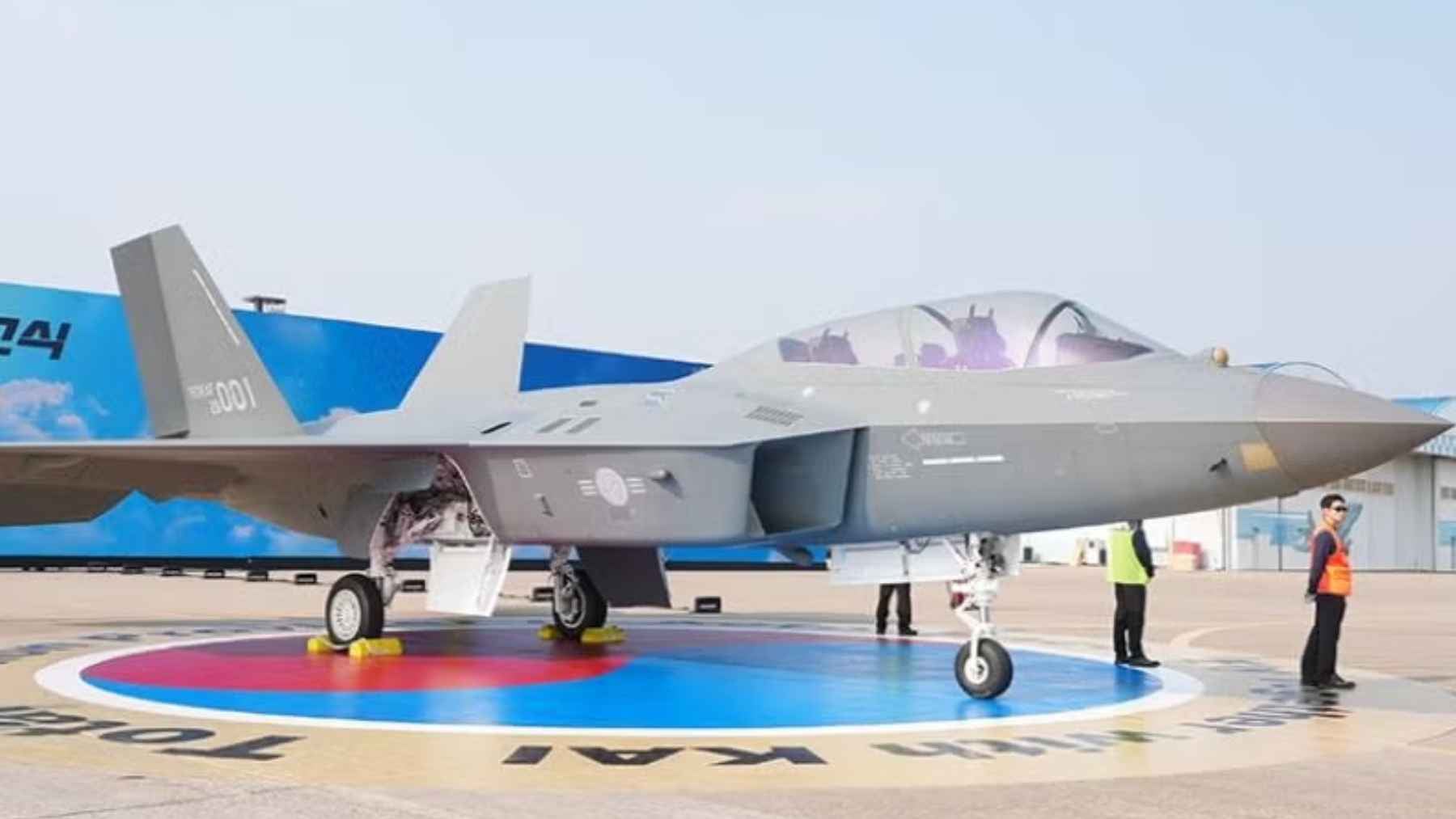
South Korea is moving to give its KF-21 Boramae fighter a broader set of locally produced missiles and guided weapons, reducing the export and maintenance complications that come with a mixed foreign supply chain.
The central project is a new long-range air-to-air missile scheduled for development through 2033, while LIG Defense & Aerospace is pitching a wider “total missile package” for the aircraft.
But one headline number needs correcting. The government-approved long-range missile research and development budget is roughly $560 million, not $28 billion, while the wider single-integrator package remains an industry proposal rather than one approved mega-contract.
The larger figure is inconsistent with the official budget and appears to come from a decimal or translation error.
The real program is smaller
South Korea’s Defense Acquisition Program Administration approved the long-range air-to-air missile effort for 2026 through 2033 under the leadership of the Agency for Defense Development.
It is intended to give the KF-21 a domestically developed beyond-visual-range weapon connected to the aircraft’s radar, with KAI responsible for aircraft integration and a missile prototype contractor selected through competition.
Recent reporting says Hanwha Aerospace, Hyundai Rotem, and LIG D&A are now positioning for roles covering propulsion, seekers, radar control, warheads, and system assembly. A proposal briefing was held on July 29, with the development contract expected to run from December 2026 to November 2033. The winner has not been settled.
Europe provided an early combat path
The KF-21 is not starting unarmed. MBDA says its Meteor beyond-visual-range missile has already been integrated with the fighter, while Diehl Defence says IRIS-T has been flight-tested and integrated for short-range combat. Those partnerships let Seoul field credible capabilities without waiting until the 2030s.
The problem is commercial rather than purely technical. Aircraft, missiles, data links, spare parts, and support may come from different countries, which can add approvals and negotiations to an export sale. South Korea wants to offer buyers a simpler fighter-and-weapons package, especially in markets where governments favor one contract and one support chain.
What LIG’s package would change
At a July 15 seminar in Cheongju, LIG D&A displayed the Korean GPS-Guided Bomb, a short-range air-to-air missile, a long-range air-to-ground missile, and the planned long-range air-to-air weapon. The company presented domestic guided weapons and sustainment as unfinished pieces in Korea’s wider aerospace push.
Industry reporting described LIG’s proposal as a single-integrator model using common interfaces, parts, test methods, and maintenance arrangements. That could mean fewer one-off certification campaigns, a smaller maze of spare-parts contracts, and faster repairs when an operator needs support. But those are projected advantages, not measured savings.
KAI signed separate memorandums of understanding with Hanwha Aerospace and LIG Nex1 at the World Defense Show in February, rather than one exclusive three-company pact. The agreements cover joint technical reviews, weapons integration, and export marketing for the KF-21 and FA-50.
The toughest missile remains unfinished
The long-range weapon is meant to compete in the same broad class as Meteor, but several eye-catching specifications remain developmental targets. Korean reporting has discussed a ducted ramjet and an AESA radar seeker, meaning an active electronically scanned array small enough to fit inside a missile.
Claims of a range near 124 miles and speeds above Mach 4 should therefore be treated as goals, not demonstrated performance.
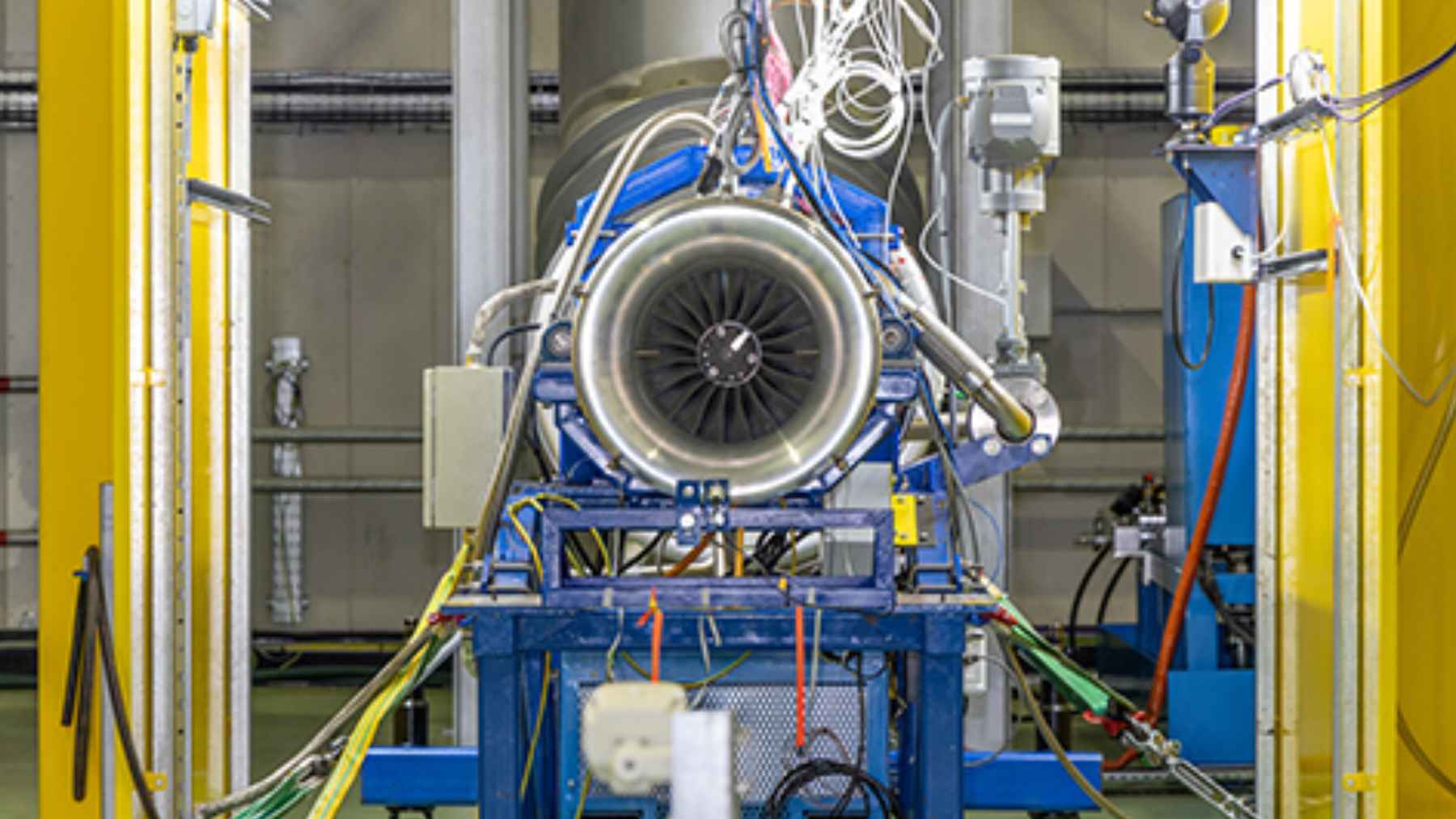
That is a hard engineering job. A ramjet-powered missile must manage propulsion, guidance, radar updates, heat, vibration, and target tracking while moving at extreme speed. Until the Korean weapon finishes development, the KF-21 will continue relying on Meteor for long-range air combat.
The short-range missile effort is also substantial, with a separate budget of about $296 million and a goal of fielding the weapon around 2032. Together, the two projects show that independence will arrive step by step, not with one dramatic spending announcement.
The environmental argument needs restraint
There is a limited resource-efficiency angle. Common interfaces and domestic maintenance could reduce duplicated testing, overseas shipping, and unused spare-part inventories to some extent. LIG’s presentation focused on sustainment and lifecycle support, not climate performance.
The official materials reviewed provide no lifecycle carbon assessment for the package or quantified cuts in fuel use, waste, or emissions. Calling the program “green” would therefore go beyond the evidence. It is more accurately a supply chain efficiency and industrial sovereignty project.
What buyers should watch next
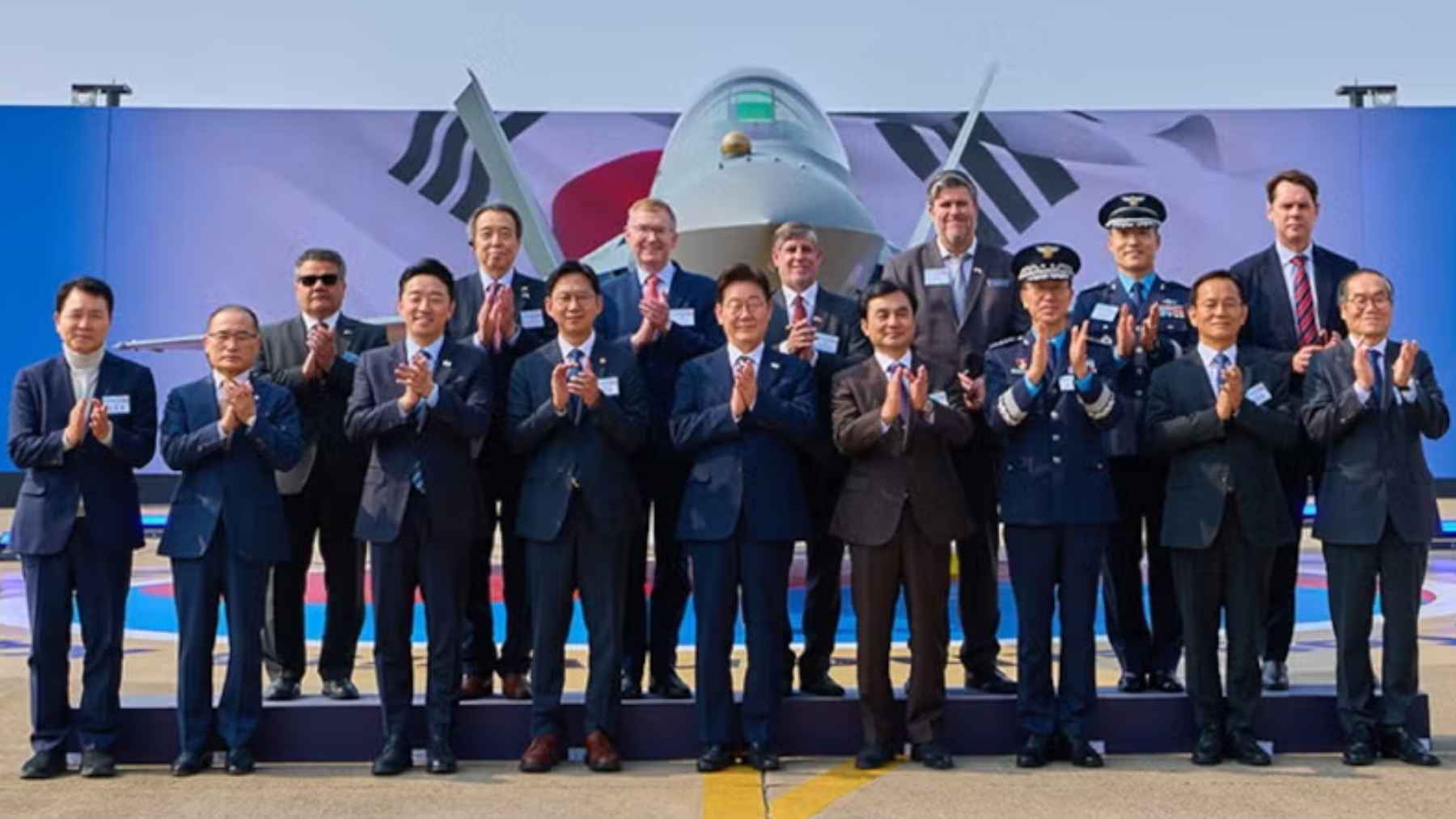
Timing is now the key. KAI completed KF-21 system development on July 29 after roughly a decade of work, and the fighter is moving into production and service. The aircraft can be marketed now, but a fully Korean air-to-air weapons suite will not exist until the next decade if current schedules hold.
For prospective customers, the decisive questions are less flashy than Mach numbers. Who controls export approval, who guarantees software and data-link updates, how quickly can weapons be repaired, and what does support cost over 30 years?
The official statement on the latest weapons seminar was published on LIG Defense & Aerospace.