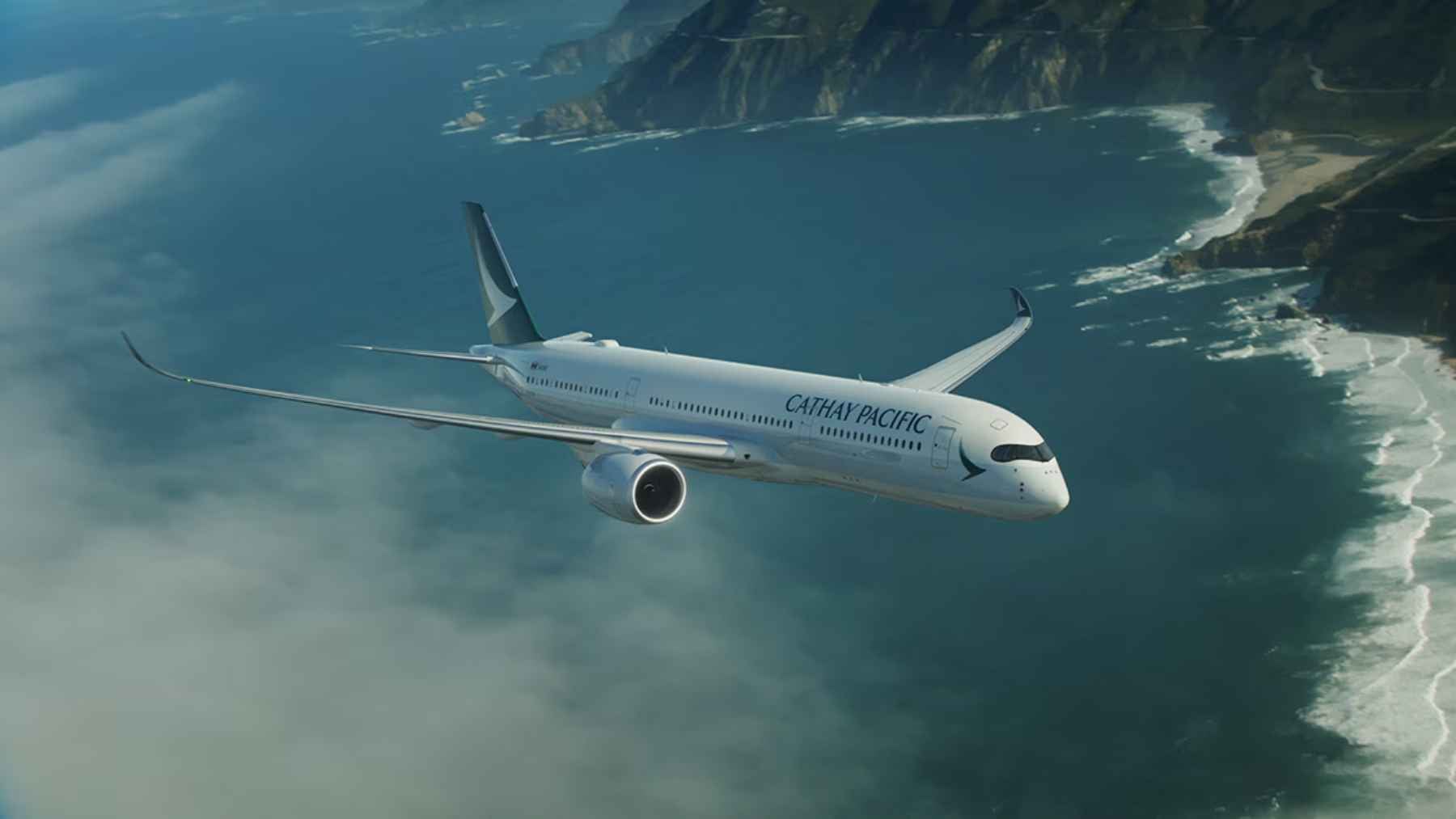
On July 4, 2026, Hungary scrambled two fighter jets toward Cathay Pacific Flight CX257 after the Airbus A350 failed to establish contact with Romanian civilian air traffic control. It was an unusual sight, but the event was fundamentally a safety response.
The Hong Kong to London flight restored communications after the fighters made a visual signal near the Hungarian border, then continued to Heathrow as planned.
Cathay Pacific said the airplane remained on its authorized route and that the safety of those on board was never compromised, although Civil Aviation still requested a formal investigation report.
A nine-minute scramble
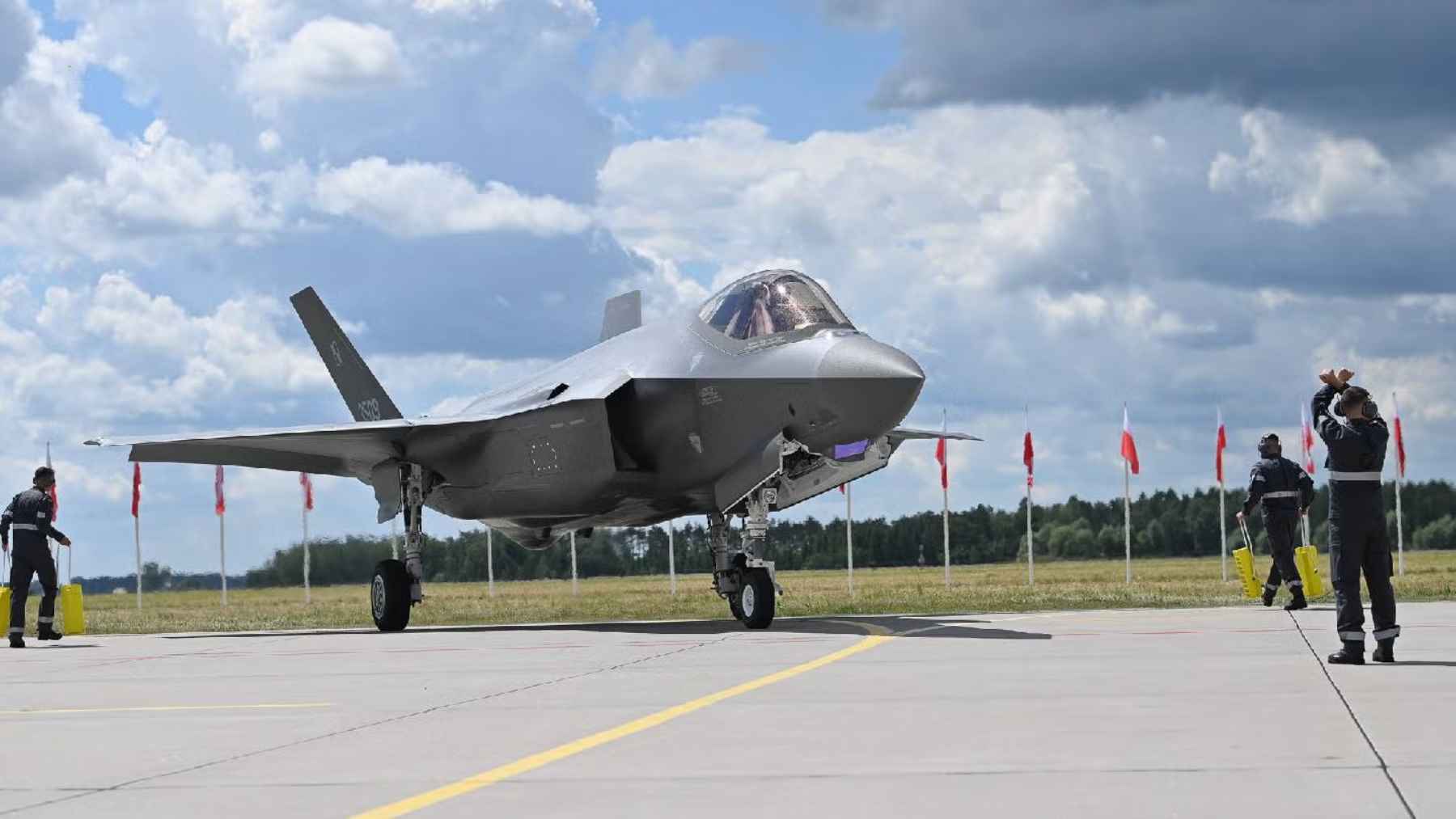
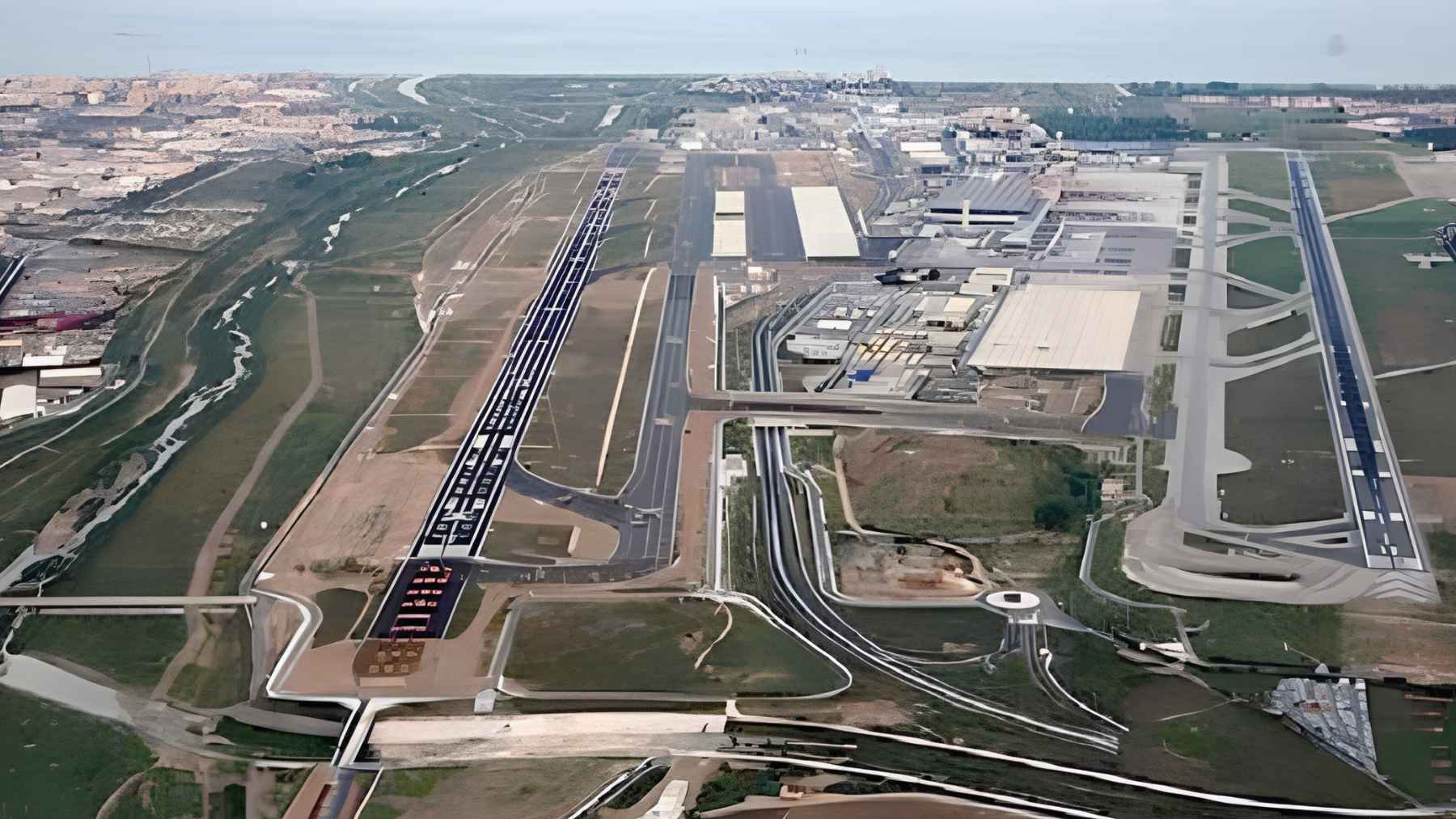
Hungarian Defense Minister Romulusz Ruszin-Szendi said the NATO quick reaction alert was ordered at 1:42 p.m. local time. The standby jets left Kecskemét Air Base at 1:51 p.m., only nine minutes later, and moved to identify the unresponsive passenger aircraft.
That speed is the whole point of the system. NATO keeps fighter aircraft and crews ready around the clock because controllers cannot assume that an unexplained communications gap is harmless until the airplane, its route, and the situation in the cockpit are checked.
A delay measured in minutes matters when nobody on the ground knows why a large aircraft has gone quiet.
Why radio silence matters
To someone sitting in seat 42A, a missed radio call may sound like a small technical hiccup. In controlled airspace, though, pilots are repeatedly transferred between sectors and must change to the frequency used by the next controller. That handoff creates a moment when a wrong setting, delayed response, poor transmission, or another problem can break the voice link.
That does not tell investigators what happened on CX257. Cathay Pacific has described the event only as a “temporary loss of communication,” and no public finding has yet identified whether the cause involved equipment, a frequency handoff, cockpit workload, or something else.
What the fighters were doing
A military interception can look alarming from a cabin window, but it is not automatically evidence of a hijacking, hostile act, or airspace violation.
NATO says its air-policing aircraft also assist civilian planes in distress, including flights that have lost contact with air traffic control. If necessary, quick reaction alert jets can escort an aircraft toward a nearby airfield or out of NATO airspace.
In this case, the Hungarian pilots approached and issued a visual signal. Once the Cathay crew re-established contact, the military mission ended and the fighters returned to Kecskemét, about 53 miles southeast of Budapest. No diversion or forced landing was reported.
The aircraft at the center
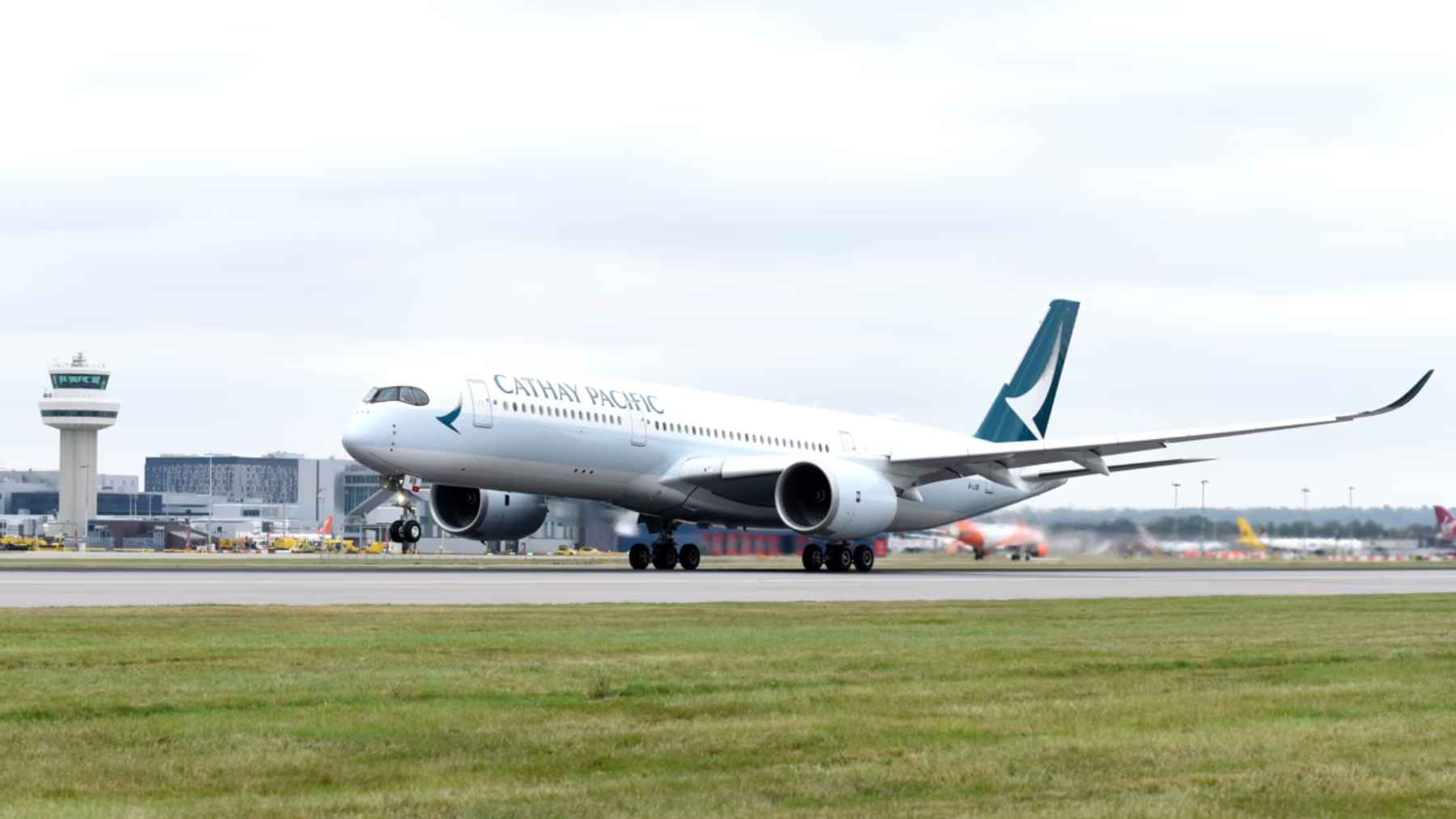
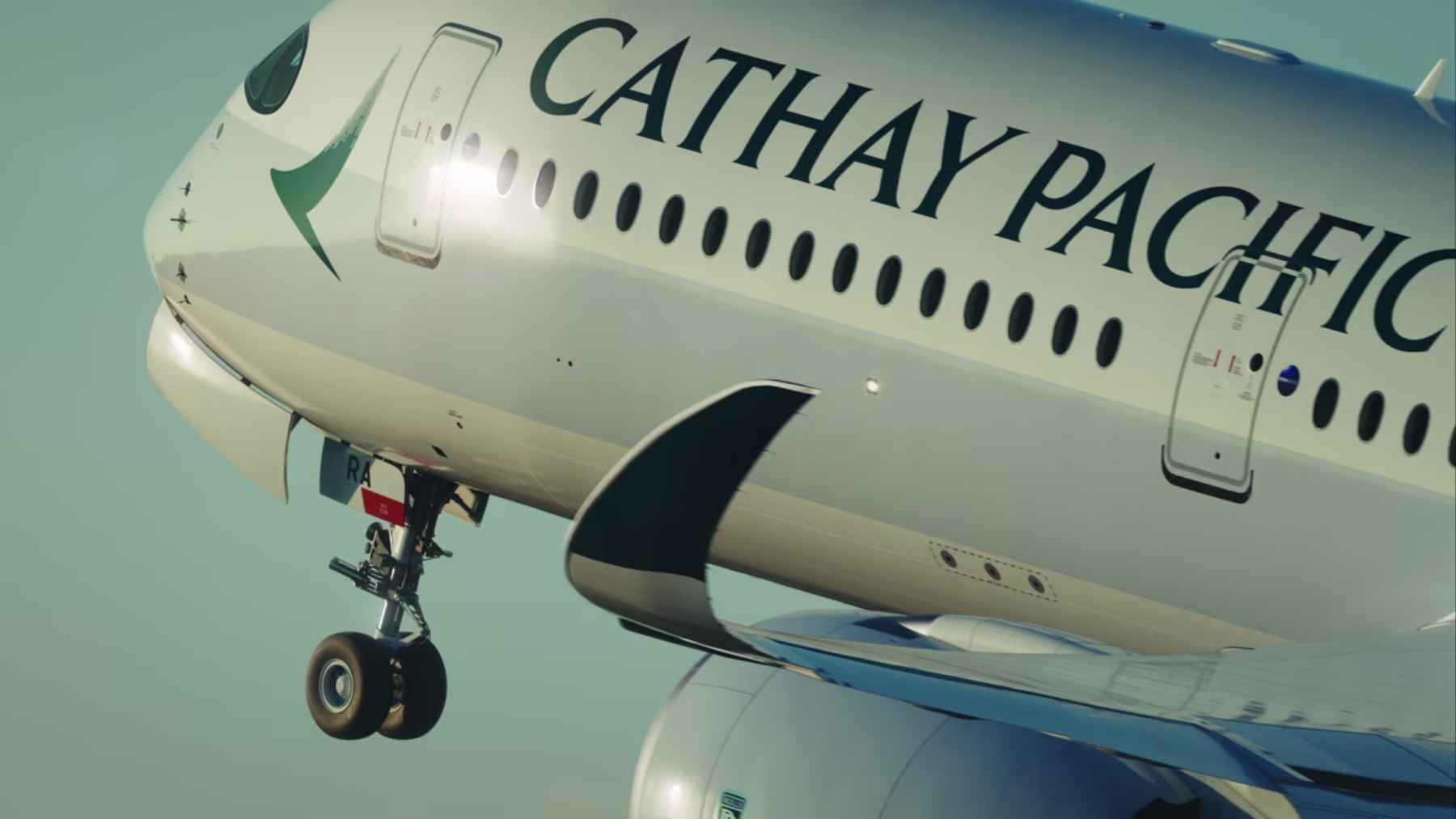
Later reporting identified the airplane as Flight CX257, operated by Cathay Pacific with an Airbus A350-1000 registered B-LXA. The aircraft was carrying more than 300 passengers, while Cathay’s published seating plan for this version of the A350 allows up to 334 travelers across business, premium economy, and economy cabins.
The initial Hungarian account referred to a Chinese-marked or Chinese-registered A350, which can make the story sound like a state aircraft was involved. It was a scheduled commercial service operated by Hong Kong’s flag carrier, not a military airplane, and it stayed on its approved route throughout the incident.
A safety net most travelers never see
NATO’s air-policing mission has operated since 1961 and now runs 24 hours a day, 365 days a year. Its command centers monitor as many as 30,000 air movements across European NATO airspace on a typical day, then decide which base should respond when an aircraft becomes unidentified, unsafe, or unresponsive.
That is a huge amount of traffic moving through one shared security picture.
Most passengers never notice that machinery working in the background. A controller’s unanswered call can move quickly through civilian agencies, military command posts, radar teams, and fighter crews, turning a quiet communications problem into a coordinated cross-border response within minutes.
What investigators still need to answer
Hong Kong’s Civil Aviation Department said it viewed the incident with “serious concern” and asked Cathay Pacific for a report within one week. The airline said the crew reported the occurrence immediately and that the matter remained under investigation.
The key questions are straightforward. Investigators will need to establish when contact was lost, what attempts were made to restore it, whether backup voice or data links were available, and what changed when the Hungarian fighters appeared beside the A350. Until that work is complete, assigning blame would be premature.
The bigger lesson
For passengers, the most reassuring fact is that the flight reached London safely and the response worked as designed. For airlines and regulators, the episode is also a reminder that modern aviation still depends heavily on clear, continuous communication, even inside an aircraft packed with advanced digital systems.
One lost connection can ripple across borders. This time, a nine-minute military launch helped close the gap, but the investigation will determine whether better procedures, training, or technology could prevent the same chain of events from starting again.
The statement was published on Facebook.