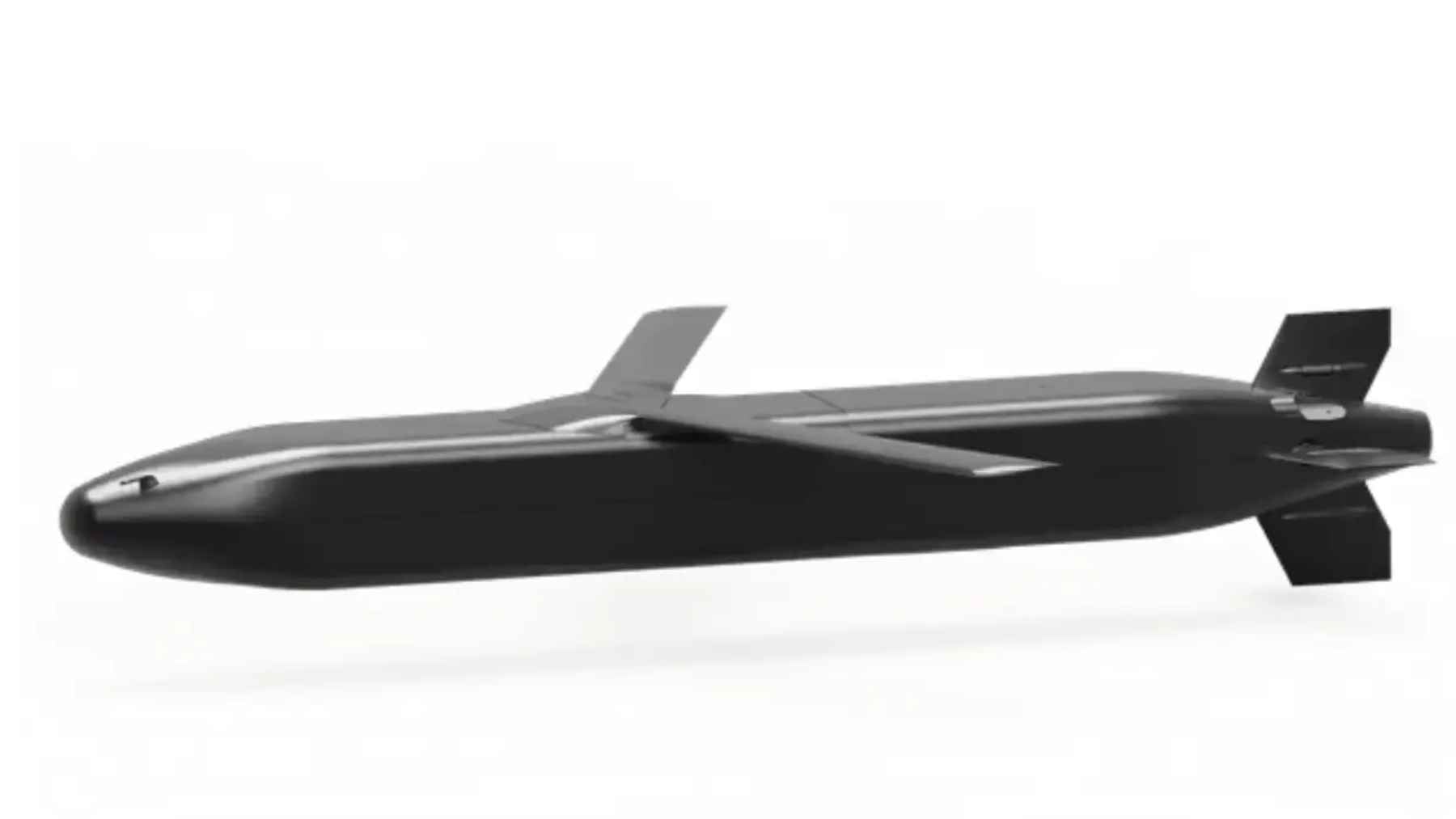
Poland has taken a major step toward producing the surface-launched Barracuda-500M at WZL No. 2 in Bydgoszcz. The July 6, 2026 agreement between Polska Grupa Zbrojeniowa, WZL No. 2 and U.S. defense company Anduril calls for assembly and then production in Poland, with officials saying the partners intend to make thousands of missiles.
The attraction is easy to see. Barracuda-500M combines a range beyond 575 miles with a 100-lb. warhead and a production model built around scale, but it is not a direct replacement for the much heavier JASSM family. Instead, it could give Poland a larger stockpile for targets that do not require a premium penetrating weapon.
Why Poland needs more missiles
Modern combat has exposed an uncomfortable truth: long-range weapons are useful only while stocks last, and a launcher with no missiles left is little more than expensive scenery. Poland therefore needs not just reach, but the ability to replenish weapons quickly and close to home.
Bydgoszcz is meant to become that industrial anchor. Polish officials say local and European content will rise over time, with the aim of creating a mostly European-made version that can meet the European Union’s Security Action for Europe financing rules.
A follow-on regional agreement also positions Poland as Europe’s main B500M production hub, while Estonia and Latvia have declared interest in buying the weapon.
Not a JASSM replacement
At first glance, Barracuda and JASSM-ER appear to compete because both can travel more than 500 nautical miles, or roughly 575 miles. The warhead tells a different story. Barracuda carries about 100 lbs., while JASSM uses a 1,000-lb. penetrating warhead designed for high-value and well-fortified targets.
So why not buy only JASSM? Cost and factory capacity are the answer, since the supplied background places Barracuda’s expected unit price a little above $200,000 while the U.S. Air Force’s fiscal 2027 JASSM budget table lists a flyaway unit cost of about $2.17 million.
The Polish agreement has not published a final procurement price, so the Barracuda figure should still be treated as an estimate rather than a signed price tag.
That smaller payload still has military value. In combat, Barracuda could be used against exposed radar sites, air-defense equipment, missile launchers and logistics facilities, while heavier JASSMs are saved for hardened objectives. It could also add volume to mixed salvos, making an enemy track more incoming objects and spend more interceptors.
What about Poland’s F-16s and F-35s?
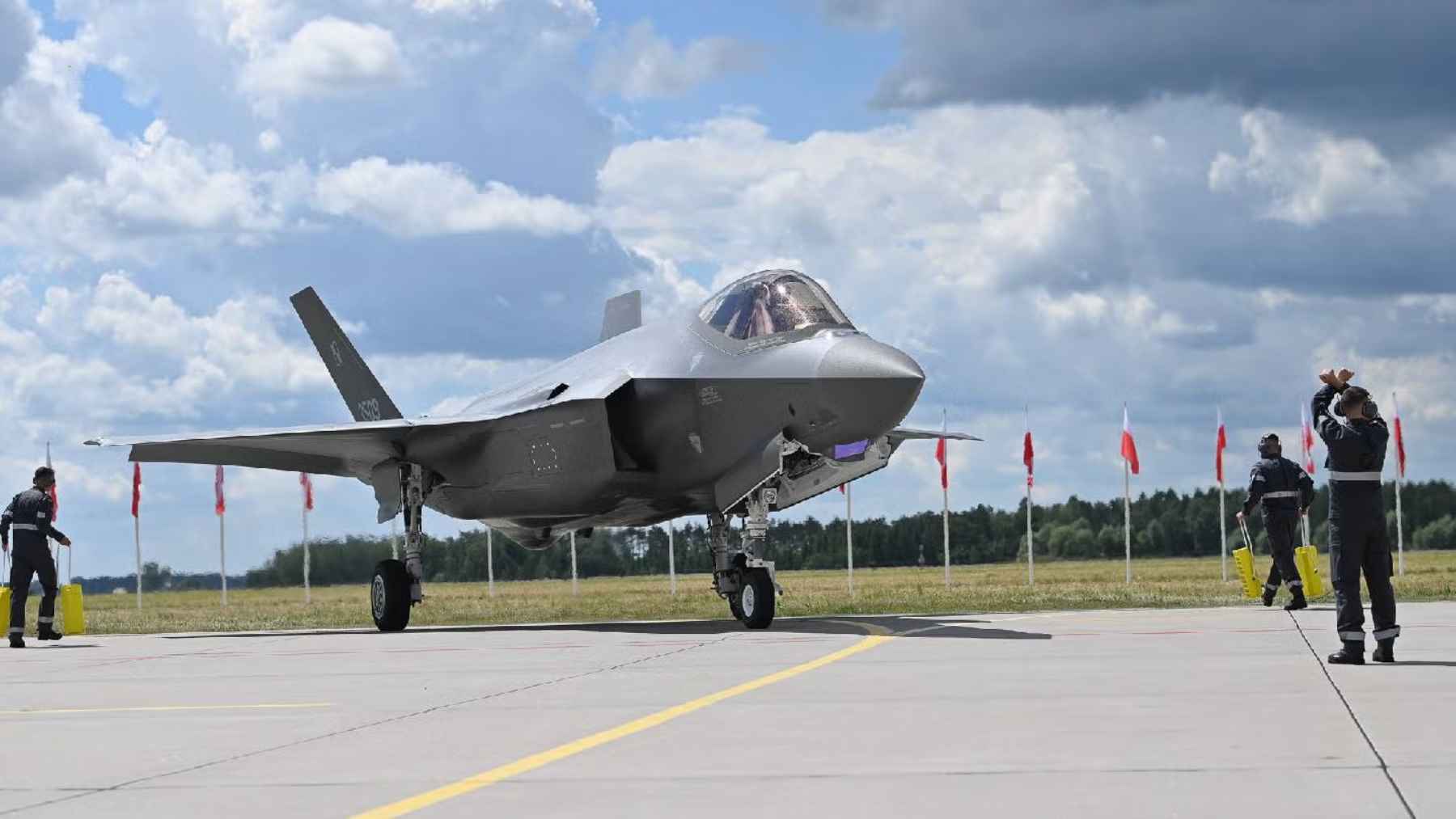
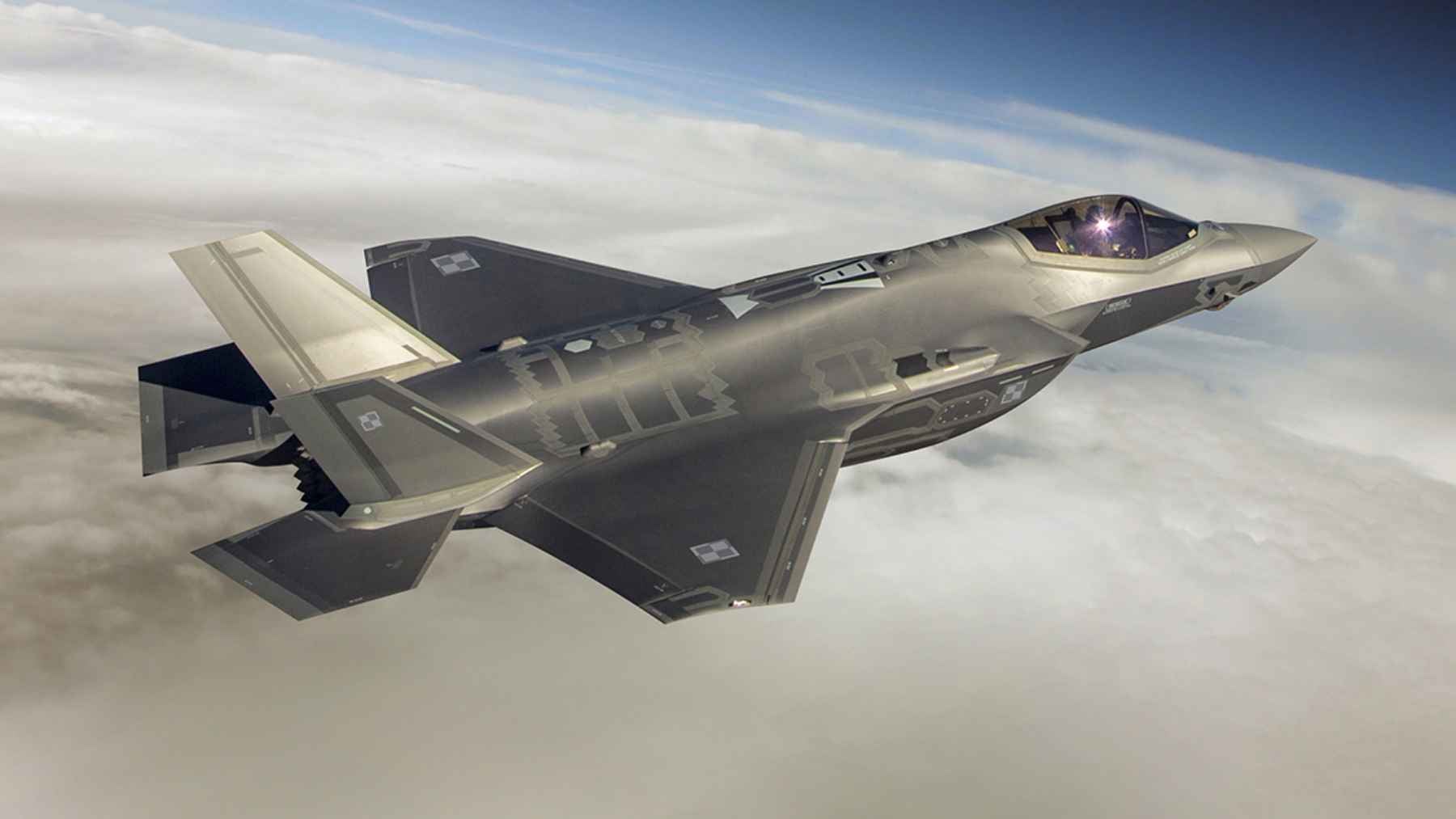
Here is the important distinction. The agreement signed in Bydgoszcz covers the surface-launched SLB-500M, not an air-launched missile already cleared for Polish fighters. That means Poland should not assume that missiles will roll off the local line and immediately fit beneath an F-16 or inside an F-35.
The wider Barracuda family is designed for air, ground and maritime launch, and the latest U.S. Family of Affordable Mass Missiles program includes both fighter-carried “lugged” weapons and palletized versions for cargo aircraft.
Anduril is developing Barracuda-500 for that effort, which creates a credible route toward fighter and cargo-aircraft use, but integration still requires software work, safe-separation testing, flight trials and formal certification.
The F-35 question needs extra caution. The Polish production announcement does not confirm Barracuda integration on that jet, and family-level fighter compatibility is not the same as clearance on Poland’s aircraft.
Neither the Polish release nor the latest U.S. FAMM statement identifies the FA-50 as a carrier, so that remains a possibility rather than a capability on the books.
The factory is part of the weapon
Anduril says a Barracuda takes 50% less time to build, needs 95% fewer tools and uses 50% fewer parts than competing systems. Those are company claims, not an independent audit, but they explain the design philosophy. A lighter-warhead missile that is available by the thousand can change how commanders plan a campaign.
The software is another part of the pitch. Anduril says its Lattice system supports autonomous and collaborative behavior, which could let groups of weapons share tasks such as reconnaissance, route selection or decoying. Exact Polish mission software, targeting rules and human authorization procedures have not been publicly detailed.
There is also a quieter manufacturing question. Fewer parts and tools may reduce factory complexity and material demand per round, but neither the Polish announcement nor Anduril’s release provides a lifecycle environmental assessment. In other words, “efficient to manufacture” should not automatically be read as environmentally friendly.
A regional business opportunity
For Poland, the deal is also an industrial policy move. It can bring production skills, supplier work, taxes and maintenance expertise into the country instead of leaving Warsaw fully dependent on overseas deliveries. That matters when demand for long-range weapons is rising at the same time.
Estonian and Latvian interest could give the line a broader customer base and spread fixed costs across more orders. The business case still depends on firm contracts, production milestones and reliable access to engines, electronics and warhead components. Building them on schedule is the real test.
What happens next
The next questions are practical. Poland still needs to disclose order quantities, delivery dates, launch vehicles, guidance options, stockpile plans and the share of work that will genuinely move to local suppliers. Fighter integration, if pursued, should be treated as a separate program rather than a feature guaranteed by the Bydgoszcz agreement.
At the end of the day, Barracuda’s role is not to make JASSM obsolete. It is to add an affordable layer between one-way attack drones and premium cruise missiles, giving Poland more ways to strike at range and more capacity to keep doing so after the first days of a conflict.
The most recent official statement was published on the U.S. Department of War website.