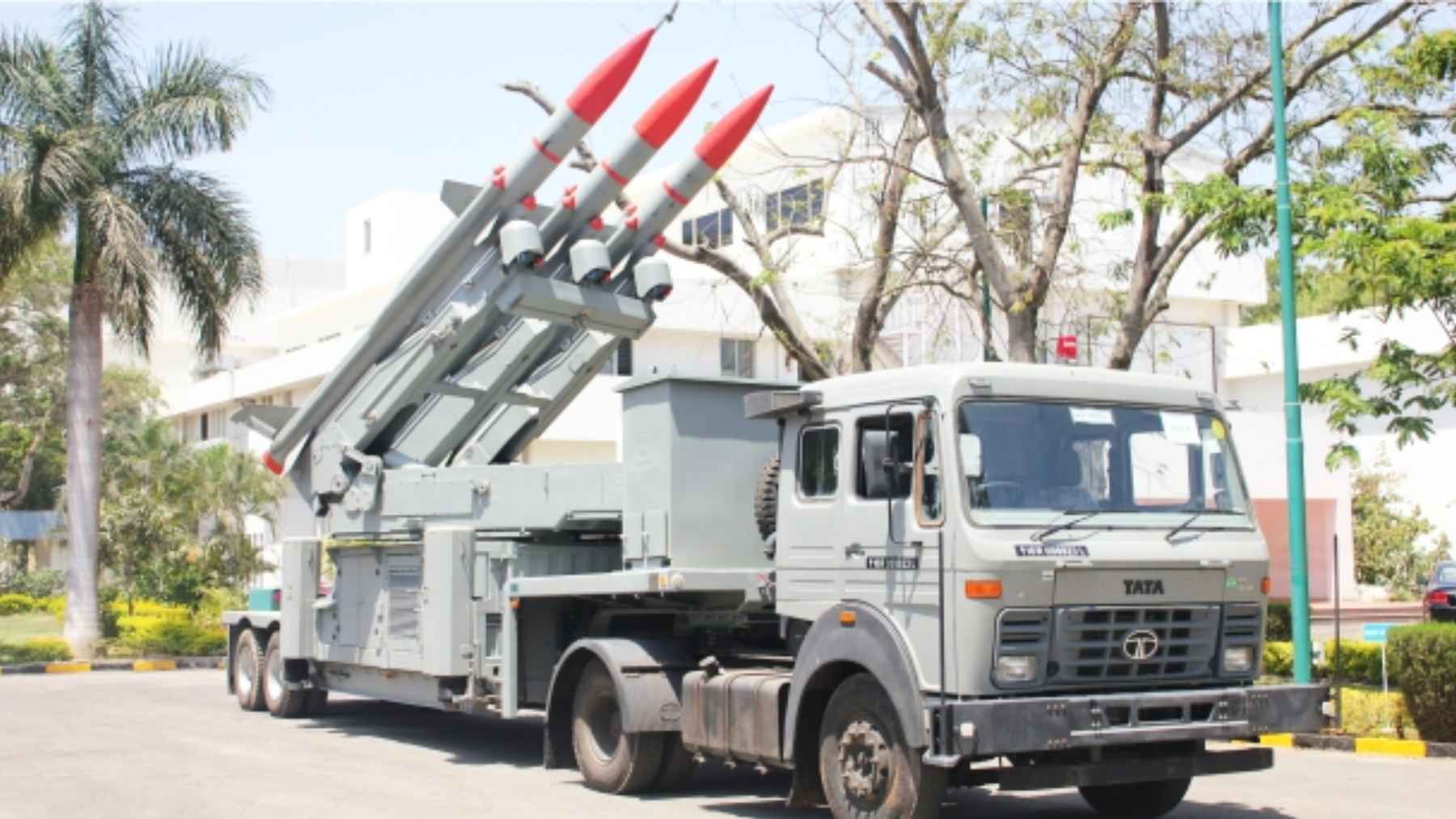
India is organizing a major change in one of its most sensitive defense industries. A July 12 report says the Ministry of Defense will soon invite private Indian companies to manufacture the Astra Mk-2 air-to-air missile, although the reported request for proposals has not yet become a completed contract.
That change matters. Bringing companies such as Adani, Tata, Bharat Forge, Mahindra and ICOMM into missile production could ease reported pressure on state-owned production lines and support exports, but it also raises a bigger question: can India scale such a sensitive industry without weakening quality, safety or environmental oversight?
Astra opens the door
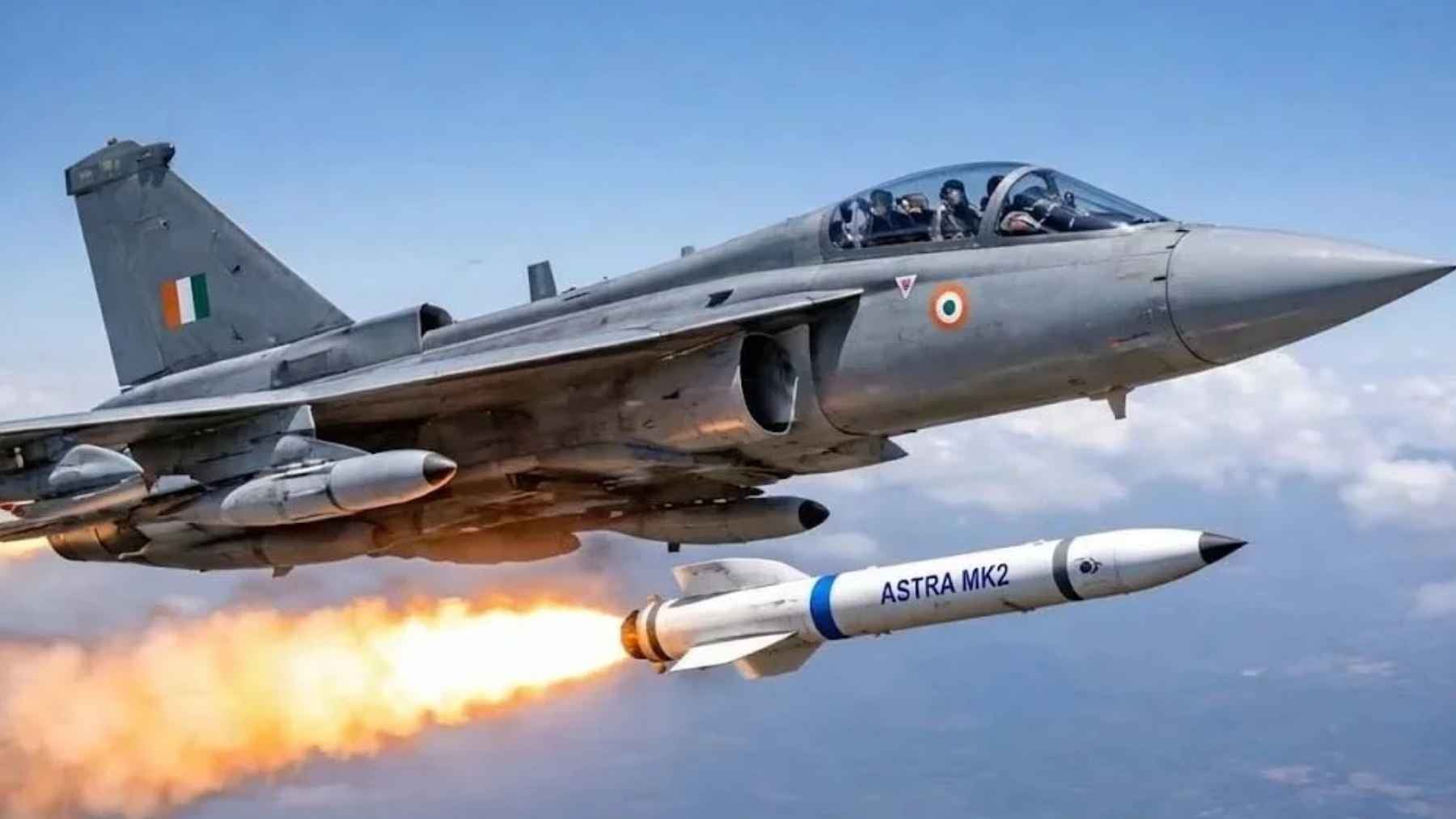
Astra Mk-2 is expected to become the first major test of the new approach. The reported missile has a reach of 112 to 124 miles and is designed for beyond-visual-range combat, allowing a fighter to engage an aircraft that its pilot cannot see directly. The report names ICOMM, Adani, Bharat Forge, Tata and Mahindra as possible bidders.
Official records confirm that India’s Defense Acquisition Council approved the procurement of Astra Mk-II missiles for the Air Force in December 2025. What they do not yet confirm is the final private-sector tender, its production volumes or its exact timetable. In other words, the policy shift appears credible, but the commercial details are still moving.
The same report says Astra Mk-2 is expected to be integrated with the Tejas Mk1A, MiG-29, Su-30MKI and Rafale Marine fleets. That would make additional production capacity more than an export story because the supply chain would also have to support several Indian aircraft programs.
Indonesia changes the math
Why move now? Overseas demand is starting to turn India’s missile ambitions into a factory-floor problem. Reuters reported on July 7 that an Indian government official said India would supply Indonesia with BrahMos cruise missiles and Astra air-to-air missiles as part of a package valued by Indian sources at about $630 million.
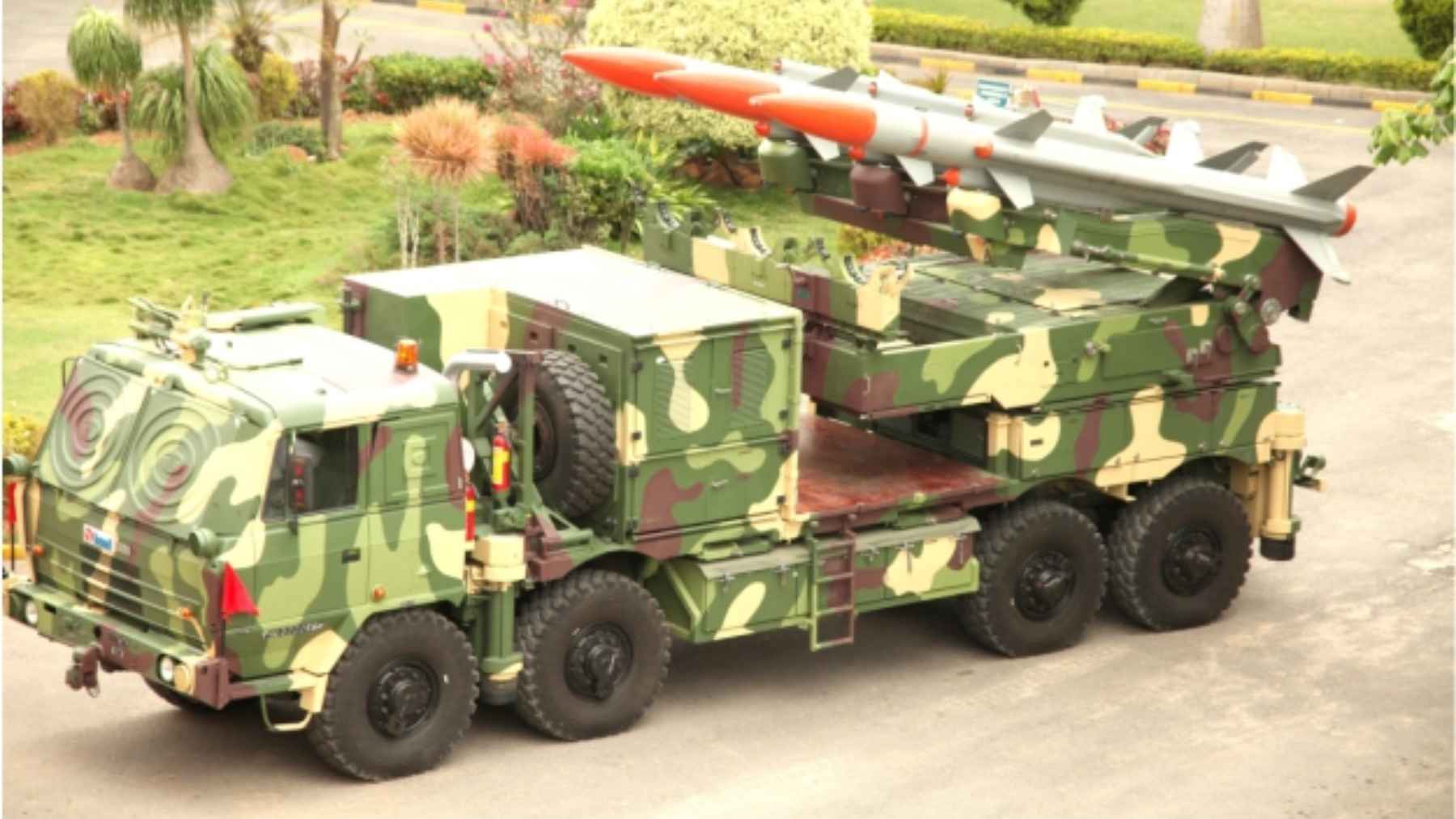
Reuters did not identify the Astra version, so it would be premature to describe the Indonesian purchase as a confirmed Astra Mk-2 order. Still, the agreement shows why New Delhi wants more production depth. An export promise means little when delivery lines are already busy with domestic requirements.
Adani builds for scale
The industrial groundwork is already visible in Shivpuri, Madhya Pradesh. On July 5, Adani Defence & Aerospace broke ground on a missile complex costing about $260 million at recent exchange rates, with plans for system integration, composite propellant and TNT production at one location.
The company says the investment will create 5,000 direct and indirect skilled jobs.
That is more than another assembly shed. By placing critical materials and final integration together, Adani is trying to shorten a supply chain that can otherwise stretch across numerous suppliers and regions.
The company says the facility will use automated production and “globally benchmarked safety standards,” although its performance will have to be assessed once operations begin.
For local workers and smaller suppliers, the effects could be tangible. New orders may mean engineering jobs, transportation contracts and demand for precision components, but a large defense cluster also places added responsibility on the same roads, utilities and public agencies that families and other businesses use every day.
The environmental test
Missile manufacturing is usually discussed through the lens of national security. Yet a facility producing TNT and composite propellant also requires close attention to wastewater, solid waste, air emissions, hazardous-material storage and emergency planning. That is where the environmental issue stops being abstract.
The U.S. Agency for Toxic Substances and Disease Registry says TNT can enter the environment through wastewater and solid waste generated during manufacturing. It can also move through soil into groundwater, making containment and long-term monitoring especially important.
This does not mean contamination will occur at Shivpuri, but it explains why the controls matter.
Adani’s announcement promises high safety standards, but it does not provide detailed public figures for water demand, emissions, waste volumes or environmental monitoring. That does not prove those measures are missing, it means permits, operating conditions and future compliance reports will be important evidence as the site moves from groundbreaking to serial production.
India’s Central Pollution Control Board classifies industrial sectors as part of what it calls “progressive environmental management,” alongside consent-to-establish and consent-to-operate requirements.
A strategic facility may need to protect classified missile technology, but pollution performance is a different matter. Nearby communities still need clean air and dependable water.
Pralay may come next
Astra may only be the opening move. The July 12 report says Pralay, India’s tactical quasi-ballistic missile, could be the next program offered to private companies for development and manufacturing. DRDO separately confirmed a successful salvo test of two Pralay missiles on December 31, 2025, showing that the system has advanced beyond the drawing-board stage.
Other weapons are also moving closer to private production. Adani’s official release names Rudram-II, a naval short-range anti-ship missile, the Gaurav long-range glide bomb and a tactical reconnaissance and attack system among projects advancing toward production. One factory may not build all of them, but the direction is clear.
The real change, then, is not simply that a private company may receive a missile order. India is trying to build a wider network of competing manufacturers, material suppliers and specialized subcontractors around technologies once dominated by government-owned firms.
That could make the supply chain more resilient, provided technical and environmental standards do not become fragmented.
The 2047 bet
The economic numbers explain the urgency. India’s official defense output reached about $18.5 billion in fiscal 2025 to 2026, while exports approached $4 billion and reached more than 80 countries. Private companies contributed 24% of total production, leaving considerable room for their share to grow.
By 2047, Defense Secretary Rajesh Kumar Singh has set goals equivalent to roughly $91.4 billion in annual defense production and $29.1 billion in exports at recent exchange rates. He called those targets “entirely within our reach.” They are ambitious, and advanced missile sales could become one of the fastest ways to move the numbers.
Output alone is not the full scorecard, however. Buyers will judge reliability and delivery times, the armed forces will judge performance, and communities near production sites will judge whether growth is safe and well managed. For now, the Astra plan should be read as a major reported policy shift rather than a completed transfer of production.
The press release was published on Adani’s official website.