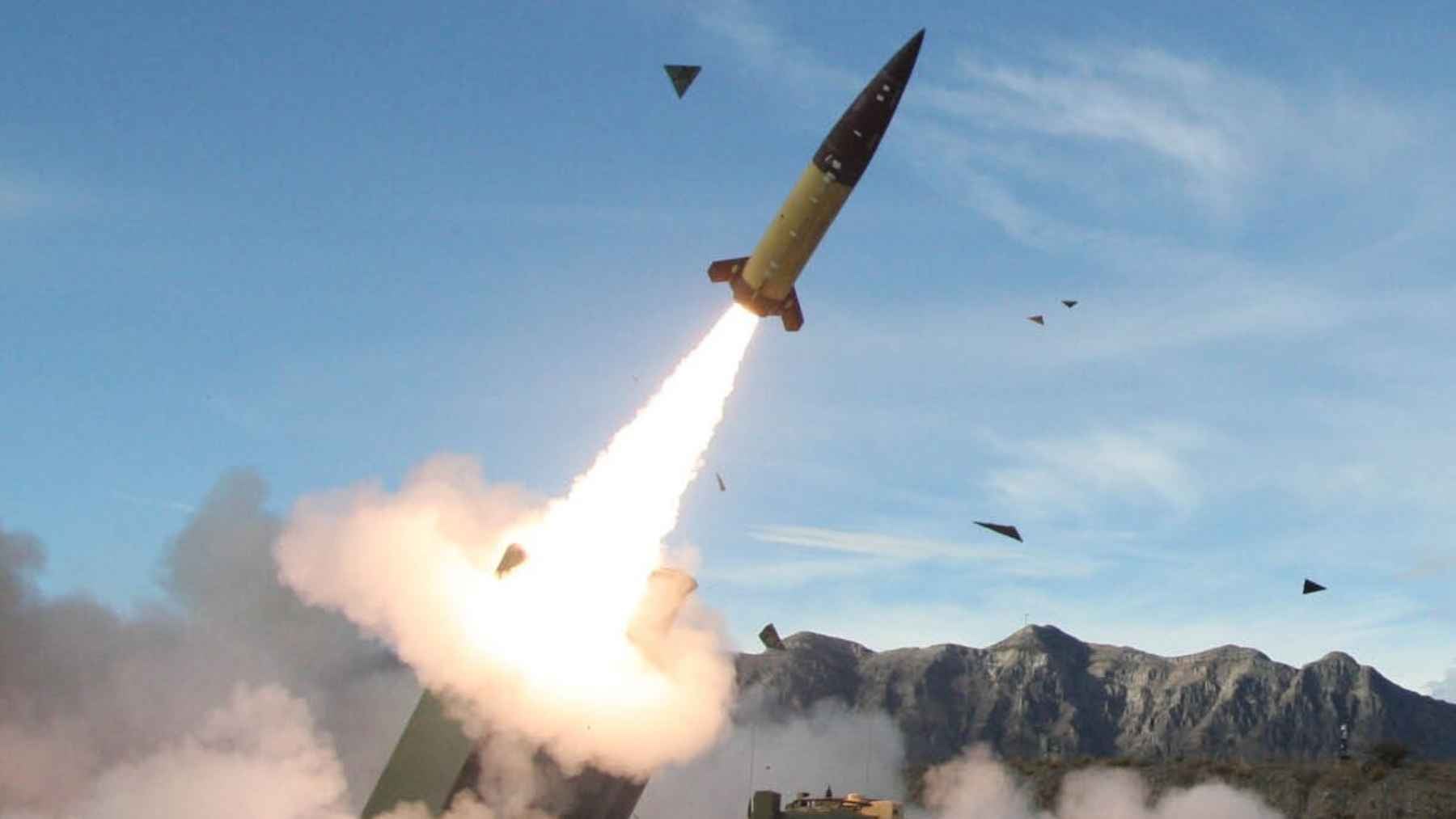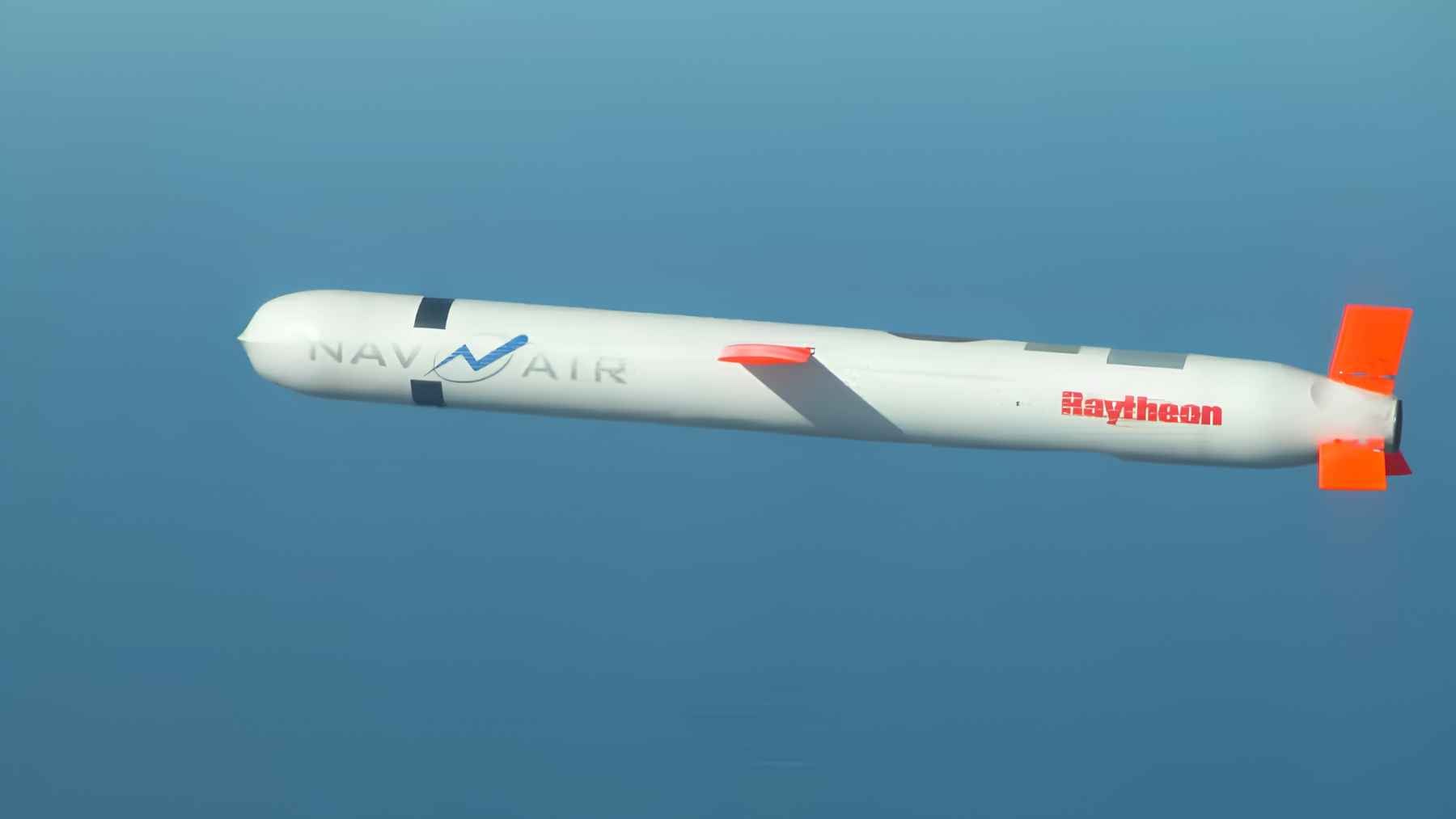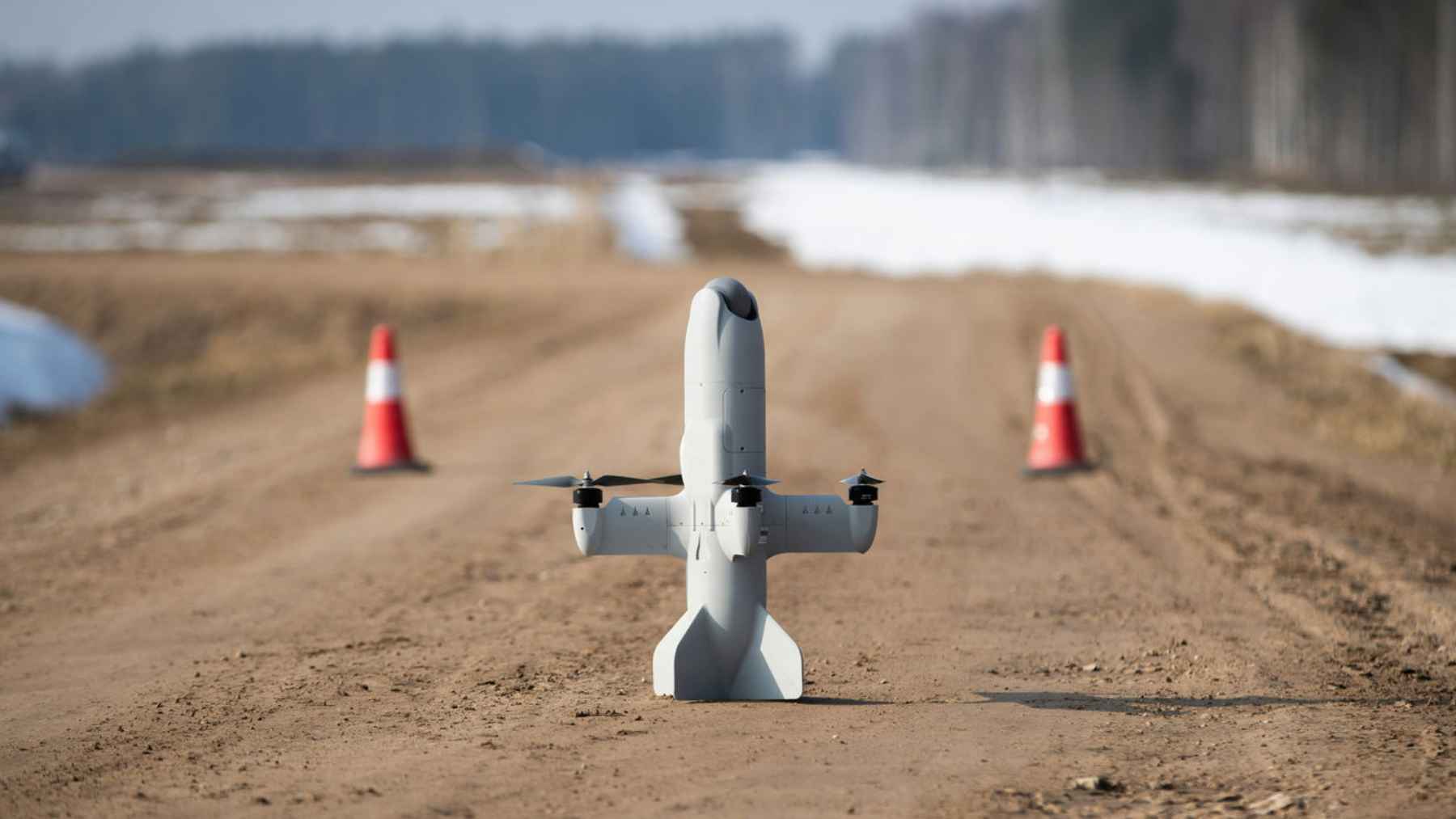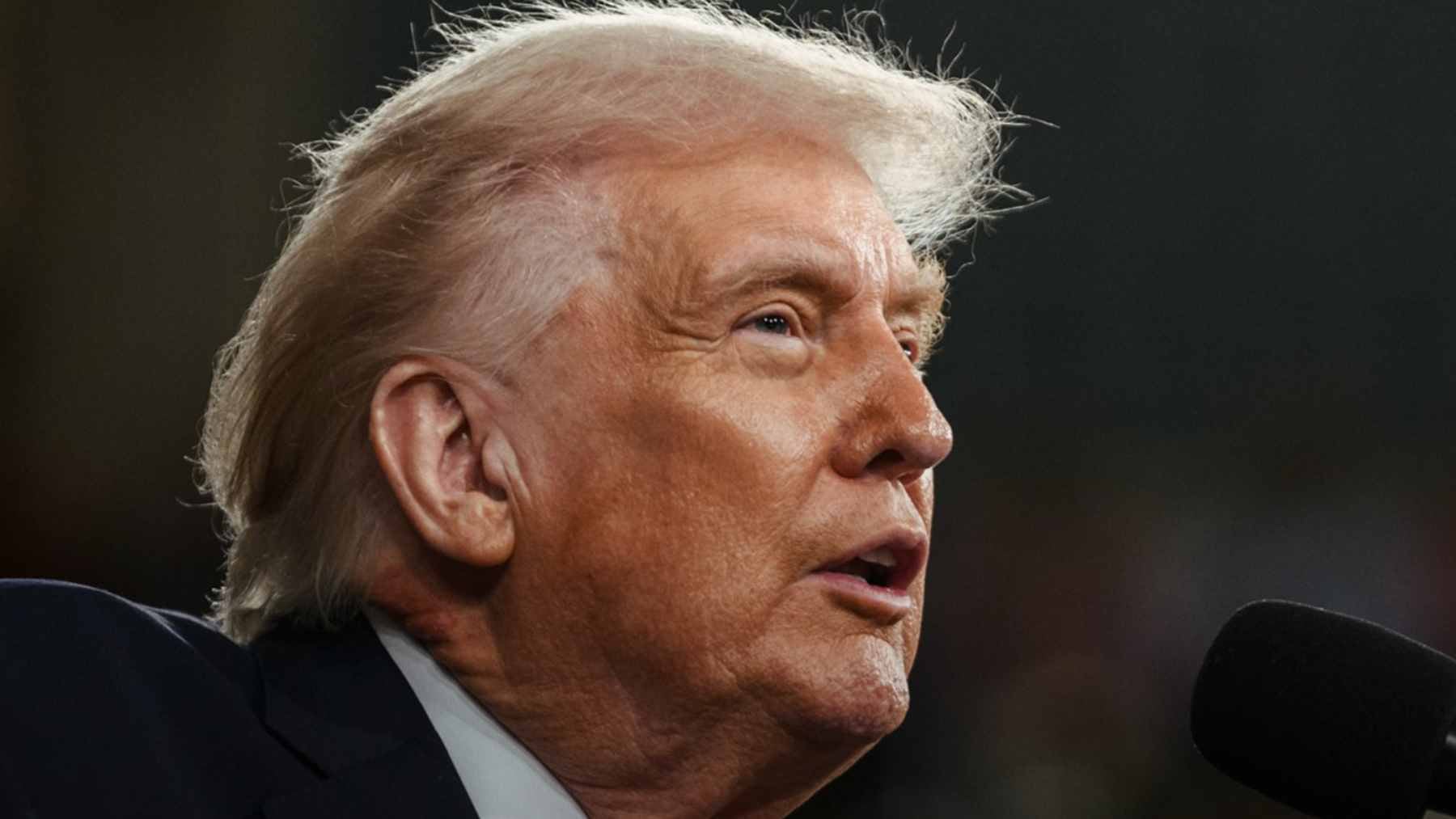
President Trump says Ford and General Motors are in talks with defense contractors about possibly redirecting some auto plant capacity toward weapons production, including Patriot and Tomahawk missiles. It is a striking turn for companies better known for pickup trucks, SUVs, and commercial vehicles.
It also puts a quieter issue on the table. What happens to the environmental footprint when civilian factories are asked to help feed a faster military supply chain?
GM has already confirmed that the Department of War helped facilitate discussions with companies including Lockheed Martin, while Ford says it is talking with governments and potential partners but that “no projects have been finalized.”
For workers and communities near auto plants, that means this story is not just about missiles. It is about energy use, supply chains, waste controls, and whether old industrial muscle can be used without adding new environmental stress.
Detroit enters defense mode
Trump told reporters that the administration is “building weapons” and said some automakers could make a deal to “build missiles” if they have spare capacity. He also said General Motors had plants that could be switched over, though neither GM nor Ford has announced a specific weapons project.
That difference matters–a presidential comment can move markets and politics, but factory conversions need contracts, engineering work, permits, and time.
The president also repeated his criticism of defense contractors that spend heavily on stock buybacks instead of production capacity. In January, the White House issued an executive order directing future defense contracts to restrict buybacks and corporate distributions during periods of underperformance or insufficient production speed.
In practical terms, Washington is trying to push more money into machines, workers, and output.
GM is moving first
The clearest piece of the puzzle is GM Defense’s new memorandum of understanding with Lockheed Martin. The companies said they will explore ways to combine Lockheed’s defense production experience with General Motors’ high-rate commercial manufacturing and engineering capabilities.
The official focus areas are supply chains, design and manufacturing, and possible expansion of production through commercial infrastructure.
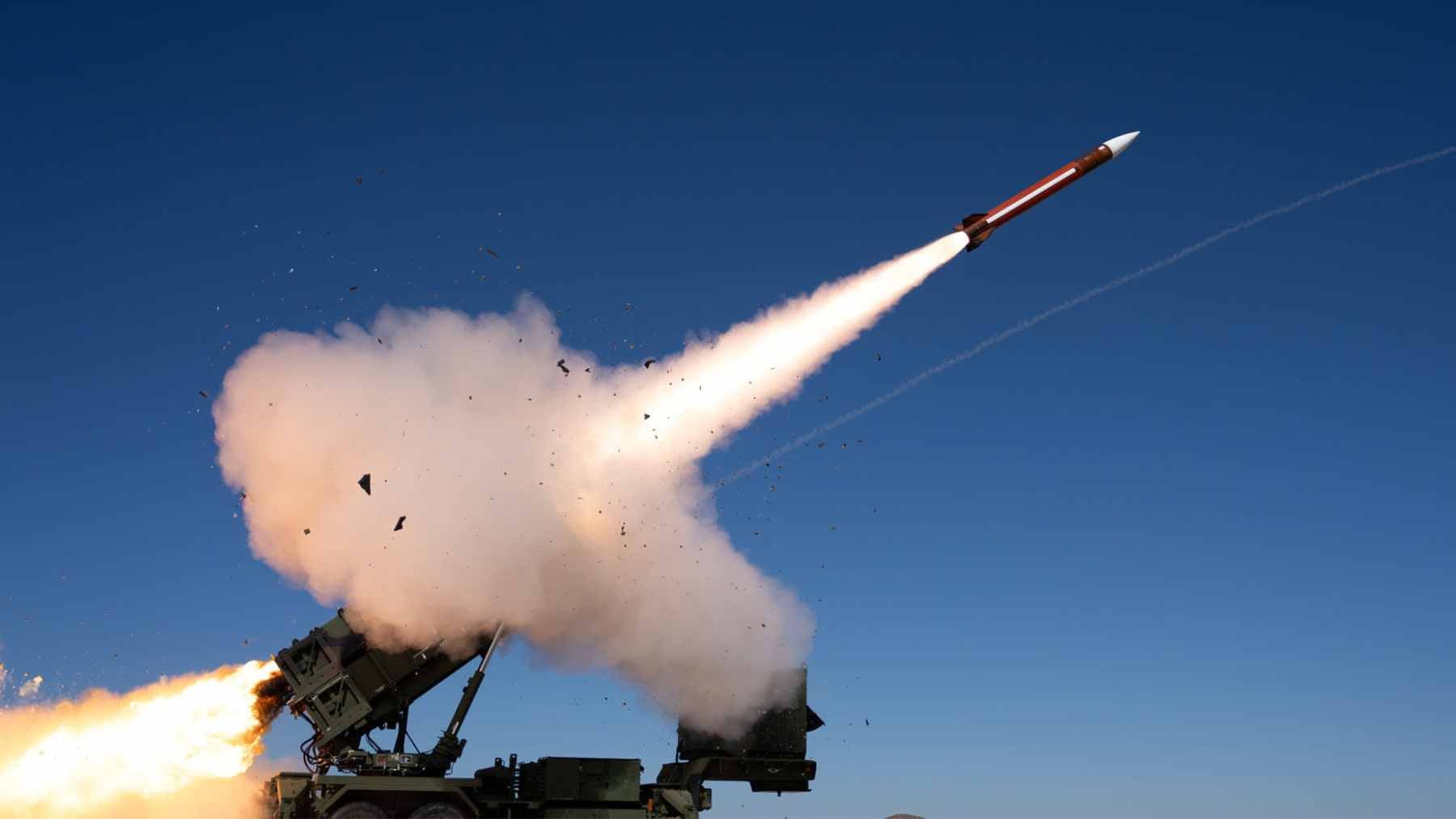
That does not mean a GM car plant is already turning out missiles. The companies said they are still identifying initial projects, and Reuters reported that specific projects were not disclosed. Still, the broader direction is clear, especially as Lockheed is investing $9 billion through 2030 to scale munitions production and upgrade facilities.
Ford is keeping options open
Ford’s role looks different for now. The company has emphasized vehicles rather than missiles, saying governments recognize that products such as the Super Duty and Ranger Super Duty, with integrated software, could serve as high-volume, off-the-shelf defense ground vehicles. That is a more familiar bridge from commercial manufacturing to military use.
Think about a truck on a worksite, carrying tools, power equipment, radios, and people across bad roads. Now imagine defense buyers looking at the same basic strengths and asking whether they can be adapted quickly. That is where Ford’s pitch fits, at least for the moment.
The environmental question
Here is where the green angle comes in. The EPA says U.S. greenhouse gas emissions in 2022 totaled about 7.0 billion tons of carbon dioxide equivalent after converting the agency’s standard metric figure, and it identifies industry as the third-largest direct source of greenhouse gases.
Factories are not climate-neutral spaces. They use power, heat, chemicals, water, parts, packaging, and transport networks.
Retooling an auto plant for defense work could be cleaner than building a new factory from scratch, at least in some cases, because existing buildings, roads, loading docks, and skilled labor are already there. That is not automatic, however.
The real test is whether any conversion comes with modern energy systems, strict waste handling, transparent emissions reporting, and careful oversight of materials used in military production.
Missiles mean more than metal
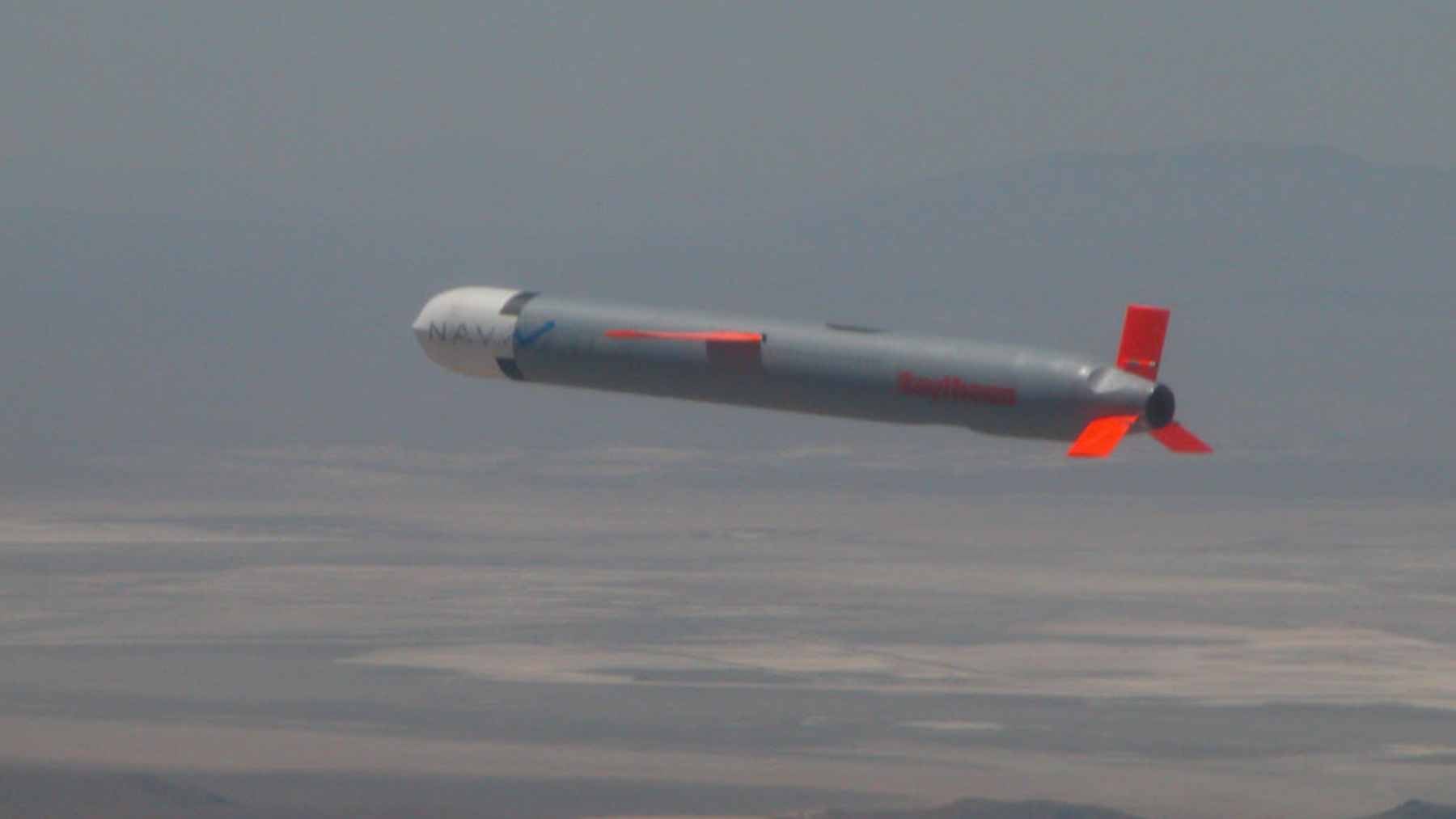
The push is happening because Washington wants far more output from the defense industrial base. Reuters reported that Raytheon, an RTX unit, reached a seven-year Pentagon agreement to boost production of Tomahawks and other missiles, with the goal of raising U.S. Tomahawk output from about 60 per year to 1,000 annually.
Lockheed has also moved to increase Patriot PAC-3 and THAAD interceptor production.
Numbers like that explain why automakers are suddenly part of the conversation. Missiles need parts, electronics, machining, testing, logistics, and reliable suppliers. If the defense sector cannot expand quickly enough on its own, the government is looking at Detroit’s old superpower, which is making complicated things at scale.
What to watch now
The next question is not whether Ford and GM have the necessary industrial talent. The harder question is what kind of production will be assigned, where it will happen, how communities will be informed, and whether environmental controls will keep pace with military urgency.
At the end of the day, this could become a new version of Detroit’s defense role, updated for software, precision weapons, and supply-chain pressure, but speed should not become an excuse to skip the basics.
Cleaner power, safer materials, stronger monitoring, and honest local reporting will decide whether this industrial shift is remembered as smart mobilization or just another burden placed on factory towns.
The press release was published on GM Defense.