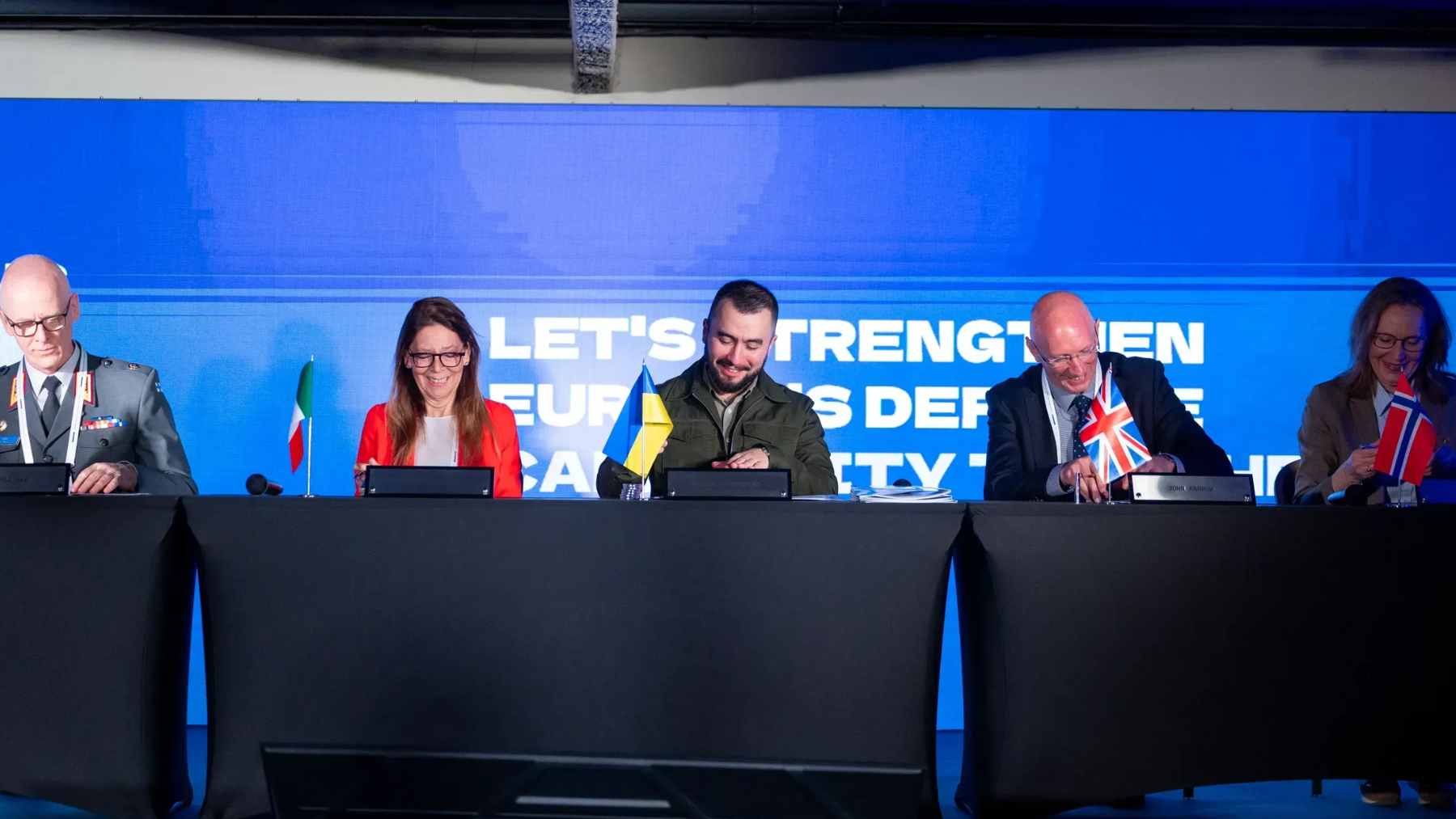
Ukraine has joined Finland, Italy, Norway, Sweden, and the United Kingdom in a new defense procurement coalition called CORPUS, a move aimed at making military buying faster, more coordinated, and harder to disrupt.
The memorandum was signed in Kyiv on April 30, 2026, according to Ukraine’s Ministry of Defense.
At first glance, this sounds like a straight military story, but there is also an environmental angle hiding in plain sight. War is not only fought with missiles, drones, and armored vehicles. It also burns fuel, damages forests, destroys energy sites, and forces emergency logistics that can leave a heavy climate bill behind.
What CORPUS is
CORPUS stands for Coalition for Resilient Procurement and Unified Support. The group brings together Ukraine’s Defense Procurement Agency DOT and procurement agencies from the five partner countries.
In practical terms, the countries want to share more information on buying defense equipment, managing supply chains, using digital tools, and spotting weak points before they become battlefield problems. Think of it as a defense supply network trying to become less chaotic and more predictable.
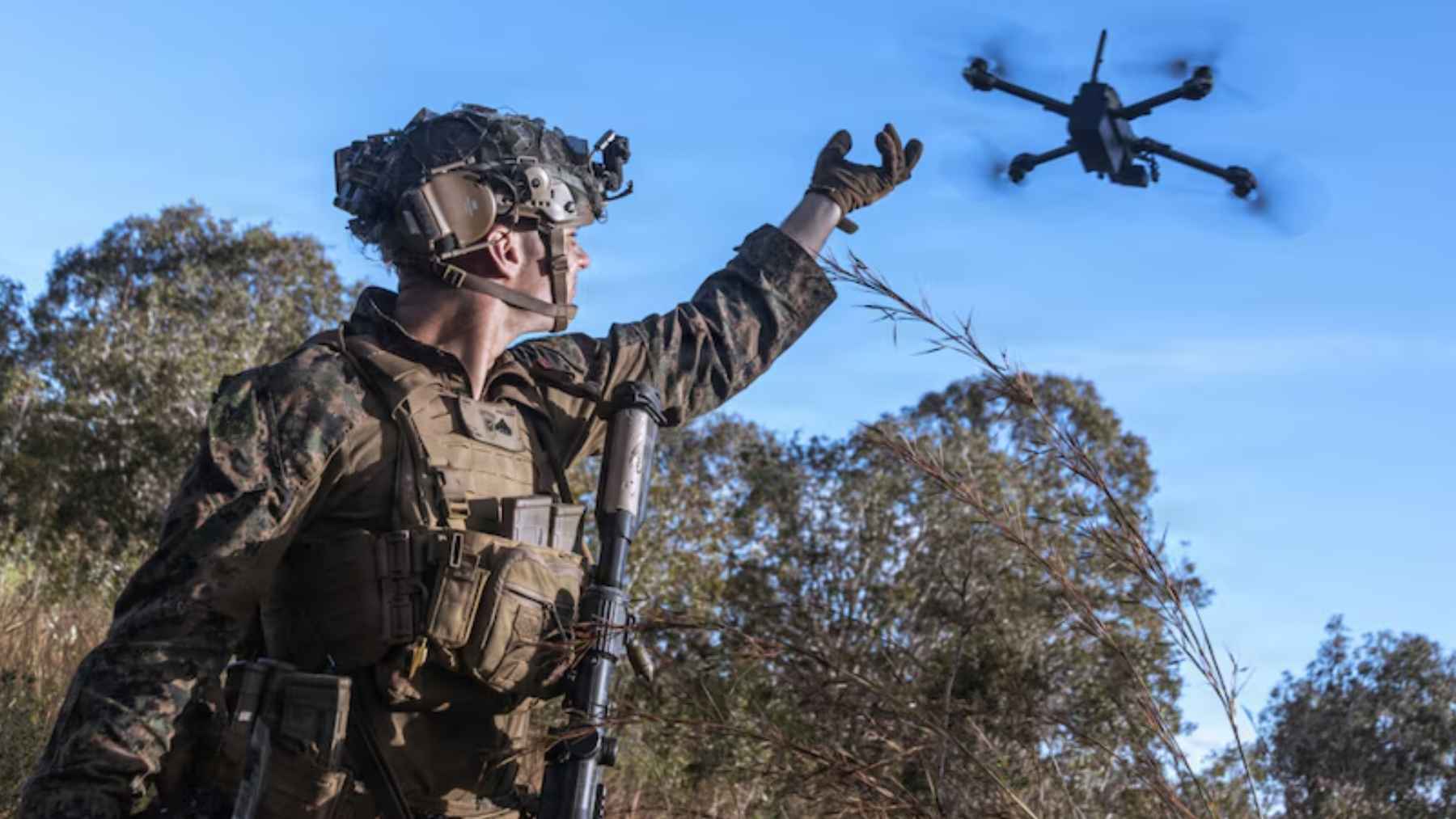
Ukraine says the coalition will work at the operational level, including market engagement, compliance practices, anti-corruption work, and supply organization. That may sound dry, but it matters when troops are waiting for drones, spare parts, food systems, or electronic warfare equipment.
Why supply chains matter
A broken supply chain is not just expensive, it can mean more last-minute shipments, duplicated purchases, wasted parts, and slower repairs. Anyone who has waited weeks for a replacement car part knows the frustration. On a battlefield, that delay can be far more serious.
Ukraine’s Ministry of Defense said CORPUS is meant to improve procurement planning, build reliable supply chains, and identify weak links. Artem Romaniukov, a director at the ministry, said the network should help partners share “solutions and tools” while strengthening one another.
That’s why the digital side is important. Ukraine pointed to DOT-Chain, its digital ecosystem for defense procurement and supply management, including tools for weapons, food, and operational-level logistics. By Ukraine’s account, digitalization has helped speed up supply and support data-driven decisions.
The environmental cost of war
The climate side of this story is uncomfortable, but it cannot be ignored. A 2026 assessment cited by the Ukraine War Environmental Consequences Work Group estimated that four years of Russia’s full-scale invasion caused 311 million tons of carbon dioxide emissions, roughly comparable to France’s annual emissions.
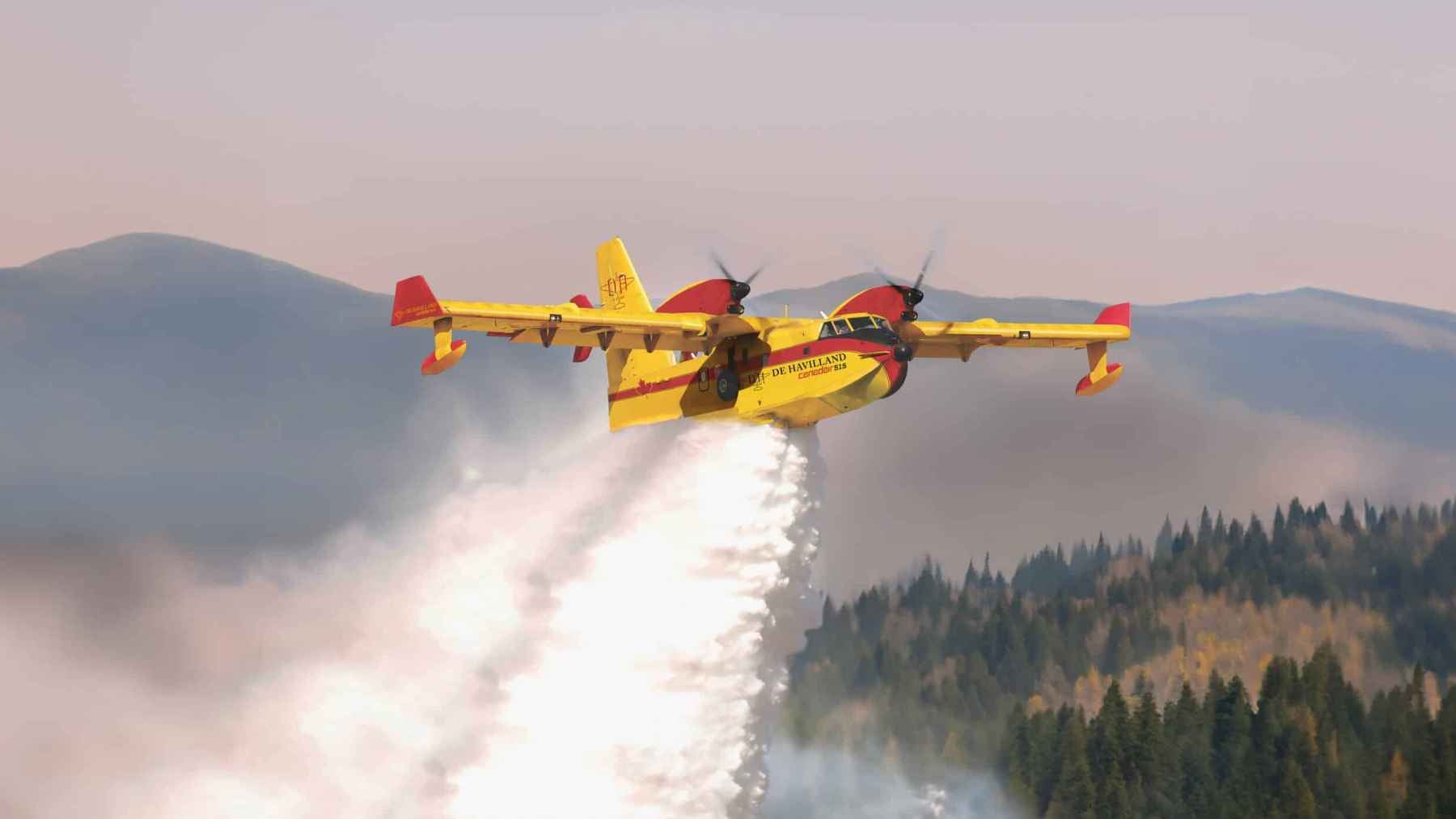
The same review said direct fighting accounted for 114 million tons of carbon dioxide equivalent, while war-related landscape fires added another 70 million tons. That is the kind of damage that does not show up only on a military balance sheet–it shows up in forests, soil, water, air, and eventually, in people’s daily lives.
Ecodiya, a Ukrainian environmental organization, has recorded 2,643 cases of damage to nature and the environment, according to the same review. Some were local incidents. Others may require long-term restoration, which means the cleanup continues long after the smoke clears.
A tech race is accelerating
CORPUS is also arriving as Europe pushes harder into defense technology. On April 29, 2026, the European Commission and the European Defence Agency signed a €35-million ($41 million) agreement for the next phase of BraveTech EU, a joint EU-Ukraine initiative meant to speed up defense innovation.
BraveTech EU focuses on testing emerging technologies and ideas from European and Ukrainian innovators, small businesses, and startups. Military experts from EU countries, Ukraine, the European Defense Agency, and the European Commission will assess those technologies against scenarios drawn from the war in Ukraine.
The first DefTech Forges events are scheduled for June in Estonia and France, while initial testing and evaluation activities are expected later in 2026. The aim is simple enough: move promising tools from the workshop to real operational use faster than traditional defense systems usually allow.
The hard balance
Here is the tricky part: faster defense production can help Ukraine survive Russia’s invasion, but more military activity can also deepen environmental damage. Those two facts sit side by side.
That’s why procurement quality matters. Better planning will not make war clean, and nobody should pretend otherwise. But better tracking, fewer procurement bottlenecks, smarter use of inventory, and more resilient supply routes can reduce waste to a large extent while keeping urgent defense needs moving.
At the end of the day, CORPUS is about more than buying equipment. It is about building a system that can handle pressure without falling apart. In a war where drones, logistics, energy systems, and environmental damage are all connected, that system may become one of Ukraine’s most important tools.
The official statement was published on Ministry of Defence of Ukraine.