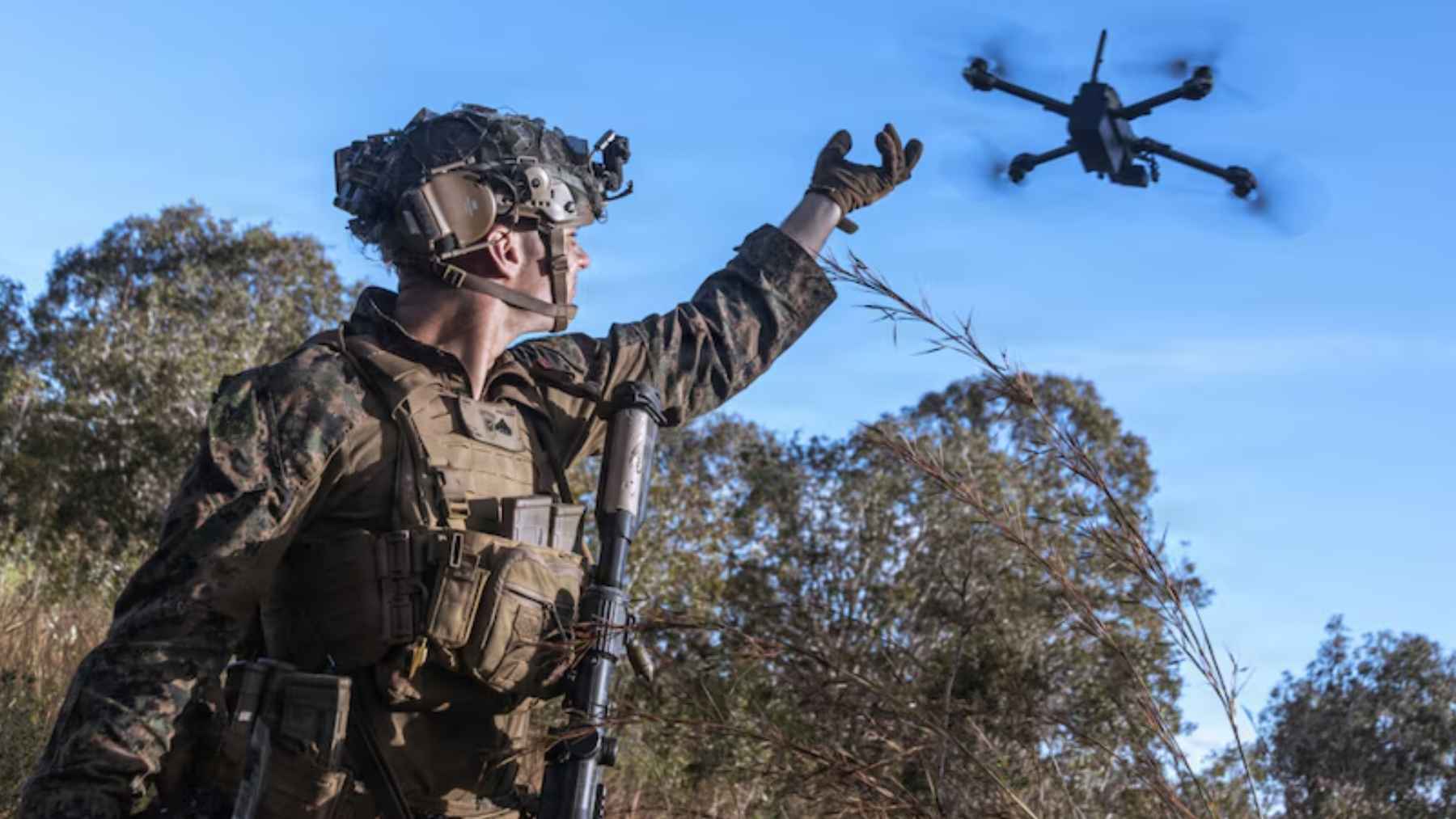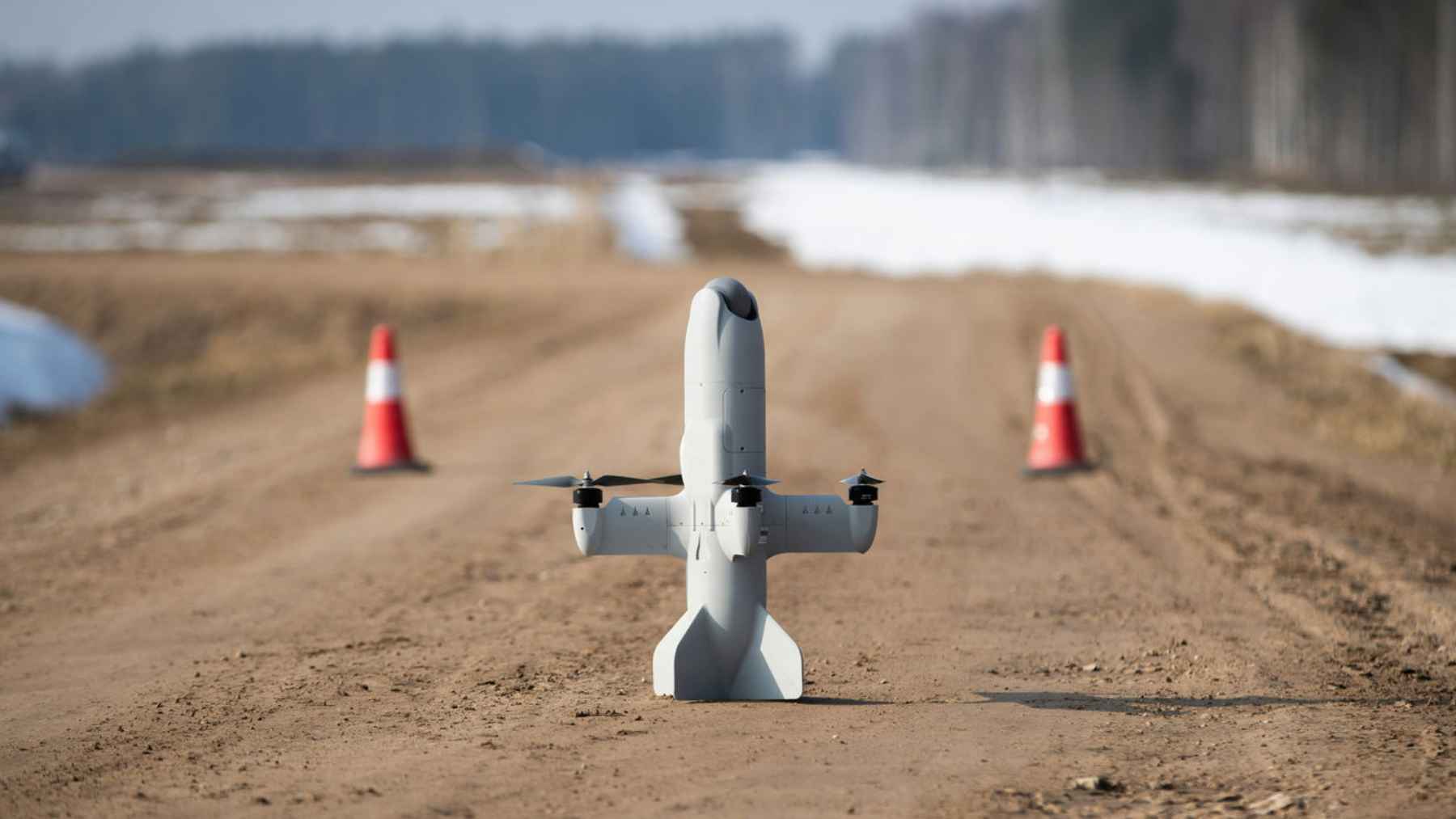
Cheap drones have changed the economics of modern warfare, and NATO is preparing to spend accordingly. At its Ankara Summit on July 7, the alliance said members would invest more than $40 billion over five years in counter-drone capabilities and train five times as many drone operators by the end of 2027.
The headline figure is only one part of a much wider overhaul involving surveillance aircraft, shared airlift fleets and stockpiles of critical materials, including recycled products.
NATO wants to move from spending promises to equipment that can be deployed, but the buildup raises a second question that will follow every new contract: how much environmental pressure comes with rebuilding deterrence at this scale?
A common counter-drone market
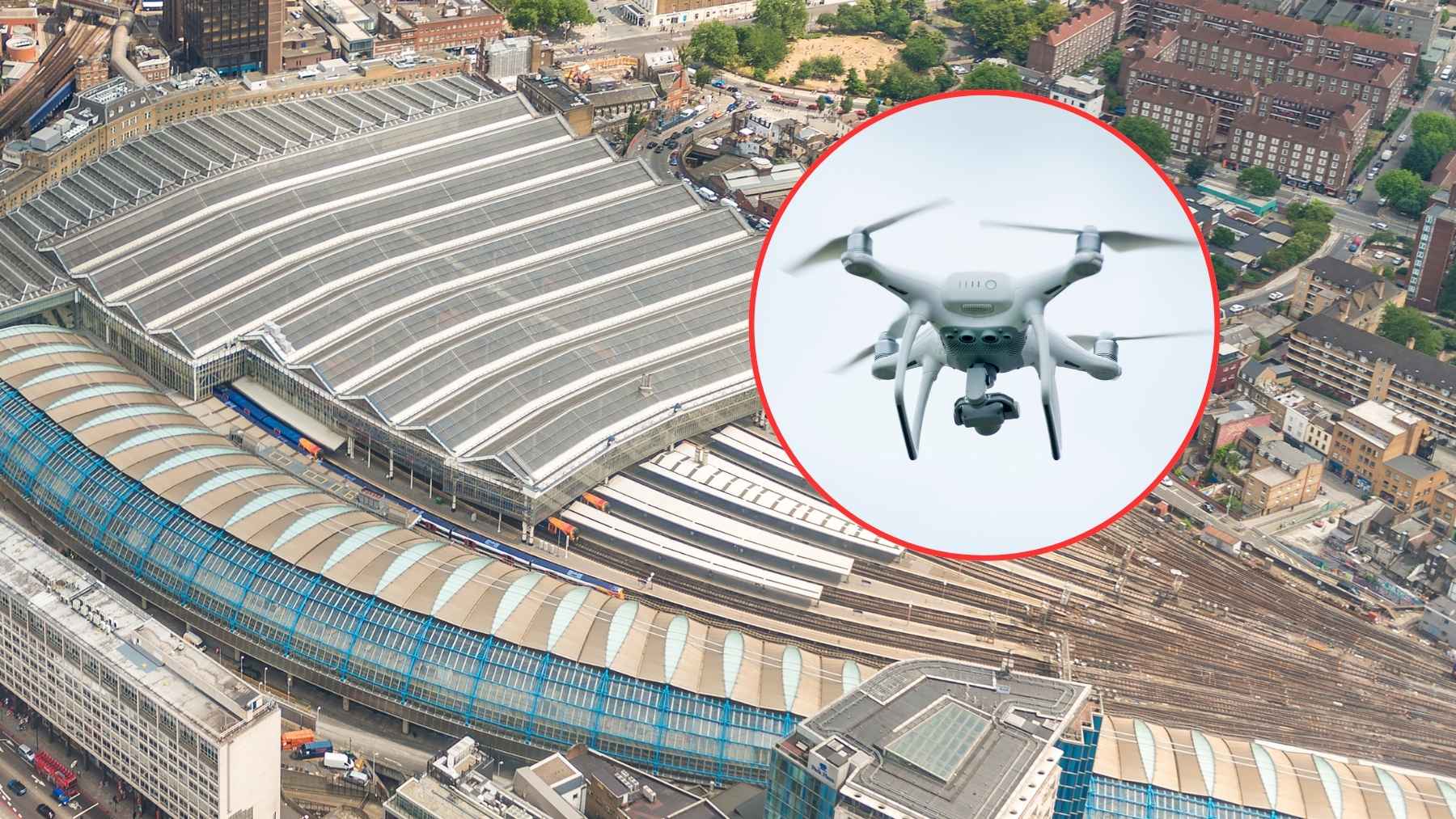
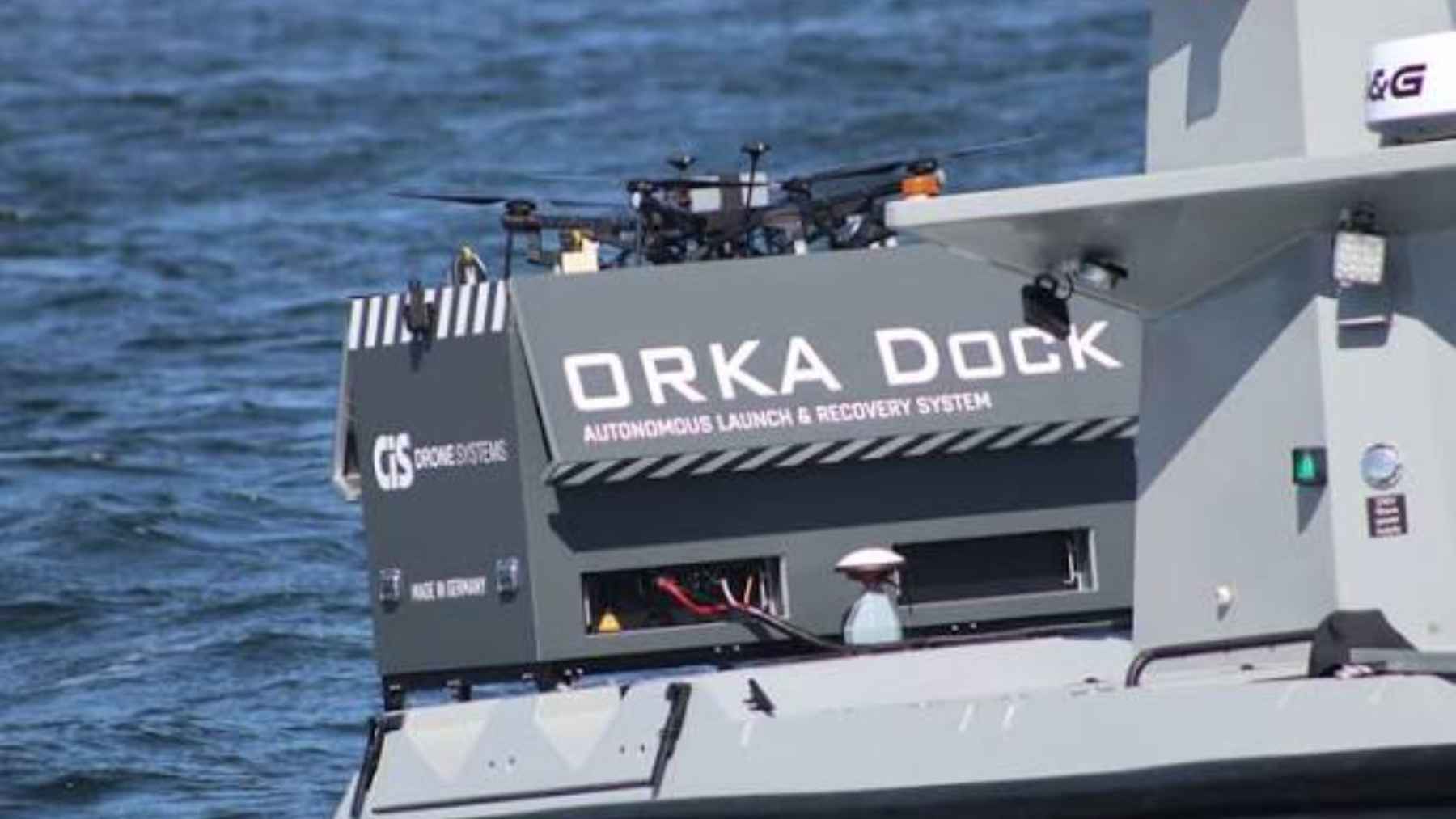
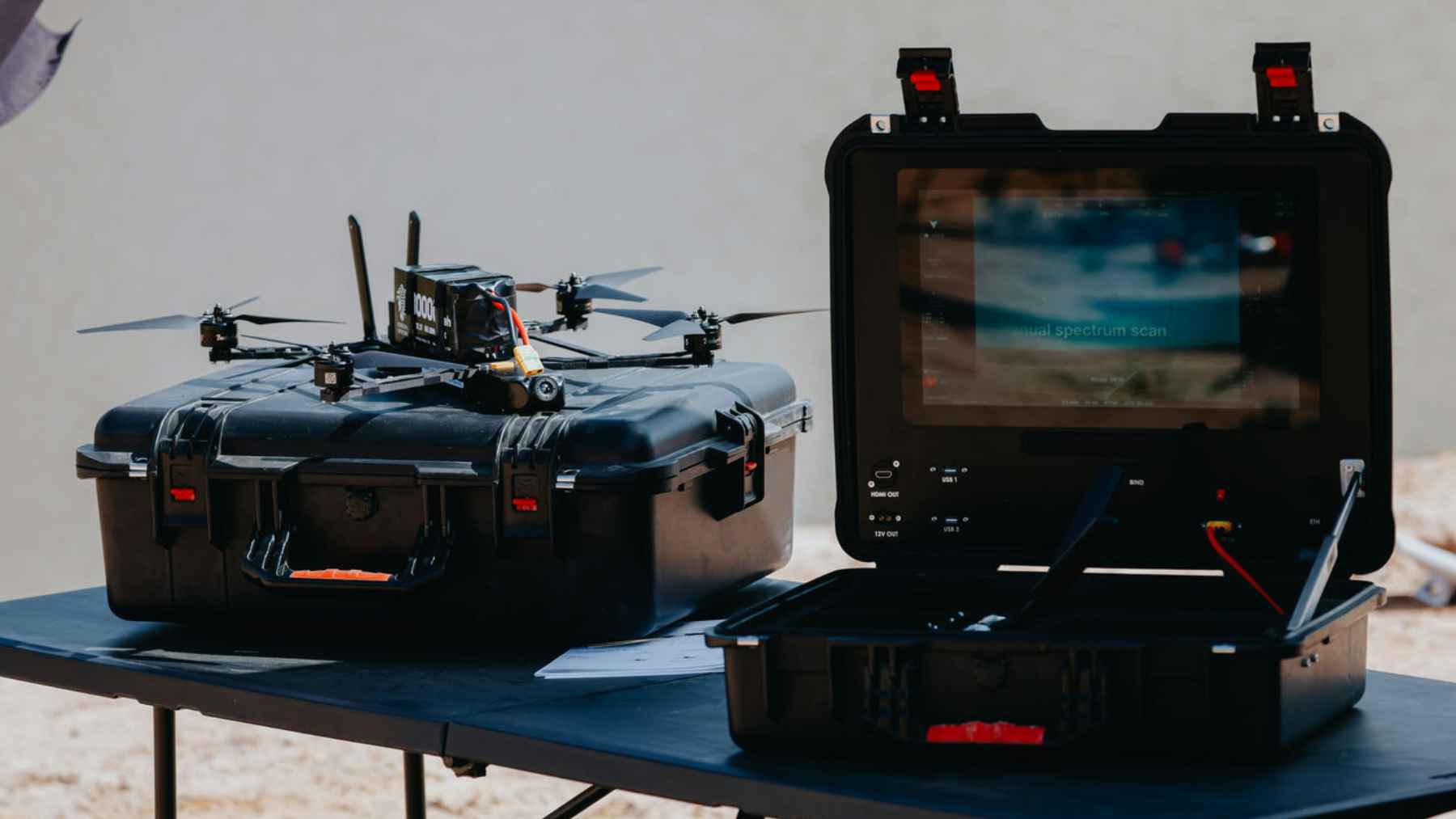
The initiative, known as “Drone Edge,” is meant to create a marketplace for counter-drone systems that NATO has tested and found compatible.
The NATO Support and Procurement Agency has also awarded a surveillance-drone contract worth hundreds of millions of dollars, while the larger $40 billion figure represents expected investment across allied nations rather than one centralized purchase.
In practical terms, NATO is trying to avoid a patchwork of radars, electronic warfare tools and interceptors that cannot easily work together.
Common standards could make buying, training and resupplying faster, especially when troops have only minutes to identify a small object in the sky. “The money is there, and more is coming,” Secretary General Mark Rutte said, urging governments and industry to “do more, faster, together.”
GlobalEye takes center stage
Eleven allies plan to jointly procure up to 10 Saab GlobalEye aircraft for NATO’s next generation of airborne early warning and control. The participating nations are Belgium, Canada, Denmark, Germany, Latvia, Lithuania, Luxembourg, the Netherlands, Norway, Romania and Sweden.
GlobalEye is based on Bombardier’s Global 6500 business jet and is designed to watch the air, land and sea at the same time. NATO says it can help detect threats ranging from drone swarms to cruise and ballistic missiles, while Sweden’s government says the aircraft can remain airborne for more than 11 hours.
That would replace part of an E-3A fleet whose operations began in 1982 and now includes 14 aircraft.
One detail matters before anyone treats the purchase as finished. Saab says there is not yet a contract or order, although Reuters reported that deliveries could begin in 2030 if an agreement is signed quickly and that each aircraft may cost roughly $400 million to $450 million. Those figures remain estimates, not a final bill.
Triton and shared airlift
Denmark, Finland, Germany and Norway have signed a letter of intent covering up to five Northrop Grumman MQ-4C Triton surveillance drones. NATO says the high-altitude aircraft can fly for 24 hours above 49,000 ft. and would complement the alliance’s existing surveillance fleet based in Sigonella, Italy.
The alliance also expects an imminent 10th Airbus A330 Multi Role Tanker Transport aircraft for a nine-member multinational fleet that is planned to reach 12 planes. Separately, Belgium, Croatia, France, Poland, Spain, Türkiye and the United Kingdom launched a pooled project focused on the Airbus A400M transport aircraft.
Pooling aircraft can spread costs and reduce the need for every country to maintain a complete fleet of its own. NATO presents that approach as a way to gain scale, efficiency and interoperability, though the announcement did not provide a carbon-savings estimate.
Fewer duplicate assets may help, but only if flying hours, fuel use and maintenance are managed with the same discipline as the purchase price.
A raw-materials race
A separate project brings together 12 allies to cooperate on acquiring, storing, transporting and managing defense-critical materials, components and recycled products. The group includes Belgium, Canada, Denmark, Finland, Greece, Italy, Luxembourg, the Netherlands, Norway, Spain, Sweden and Türkiye.
NATO’s defense-critical list includes aluminum, cobalt, graphite, lithium, rare earth elements, titanium and tungsten, among other materials.
Several are also essential for wind turbines, solar equipment, electric vehicles and other clean technologies, which means military demand will compete with civilian demand in already sensitive supply chains. Mining and processing can bring greenhouse gas emissions, water stress, pollution, land disruption and biodiversity loss.
That makes NATO’s reference to recycled products more than a small footnote. The International Energy Agency estimates that recycled energy-transition minerals such as lithium, nickel and cobalt can carry about 80% lower greenhouse gas emissions than newly mined material, while stronger recycling could cut required mining investment by around 30% through 2040.
Those estimates are not a direct measurement of NATO equipment, but they show why recycled content can materially change the footprint of a procurement program.
The real climate test
NATO has already set a target to reduce greenhouse gas emissions from its own political and military structures by at least 45% by 2030 and reach net-zero by 2050.
New aircraft, sensors, factories and logistics networks will test whether those goals can survive a period of rapid expansion. Security may be the priority, but environmental accounting does not disappear when budgets rise.
Efficiency claims alone will not settle the issue because a cleaner aircraft can still increase total emissions if fleets fly more often. The strongest contracts would disclose life-cycle emissions, fuel requirements, recycled content, repairability and supplier standards alongside range, endurance and radar performance.
That information would let taxpayers see not only what NATO is buying, but also what it will cost to operate in the broadest sense.
At the end of the day, the $40 billion commitment tells us how quickly NATO wants to close its counter-drone gap, not how cleanly it will do so. The next clues will come from the Drone Edge marketplace, the final GlobalEye negotiations and the environmental conditions attached to raw-material purchases.
The official statement was published on NATO.