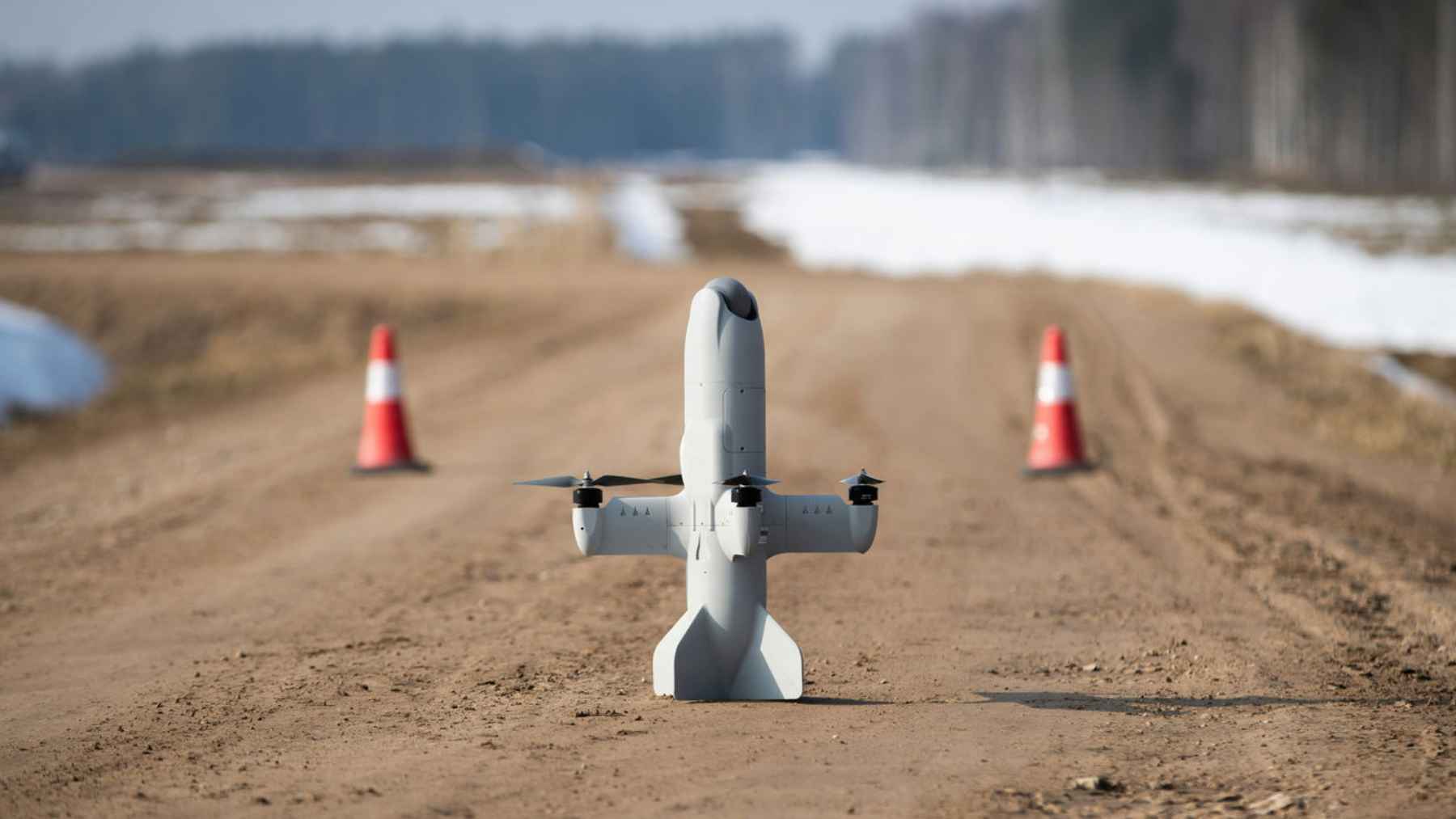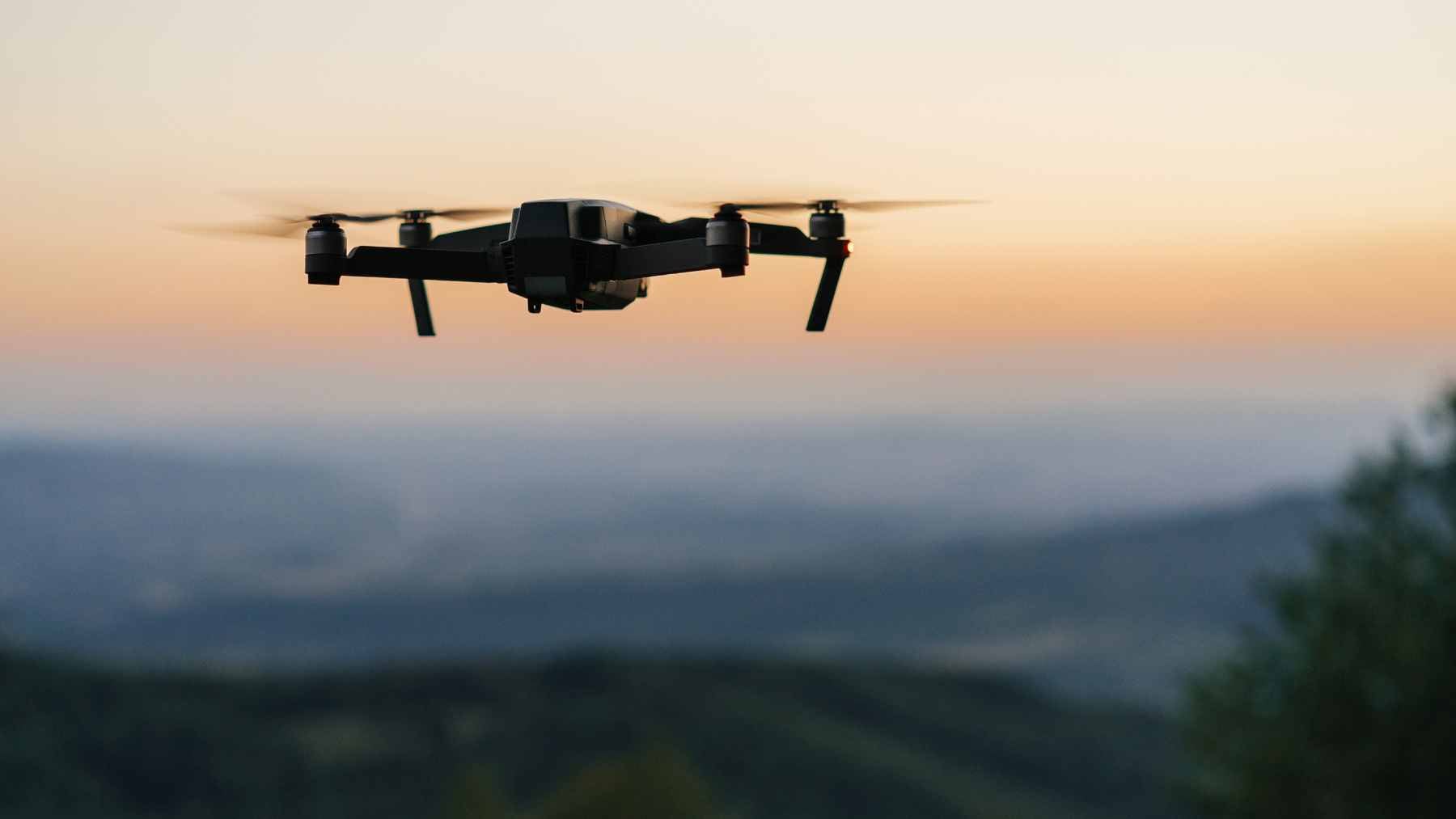
Zafra, a small town in Spain’s Extremadura region, is suddenly being pulled into one of Europe’s most urgent industrial races. ARMMO Defense Technologies says it is building a defense technology hub there for drones, autonomous systems and advanced unmanned platforms, with the ambition of becoming one of the most important drone factories in Europe.
This is not just a military story; it is a business story, a technology story and also an environmental one. If Europe is going to scale up drones, sensors, batteries and electronic warfare systems, the question is not only how fast it can build them. It is also how cleanly, how safely and with what kind of supply chain.
Zafra enters the map
Until now, Zafra was not exactly the first place most people associated with Europe’s defense industry. The town in Badajoz province is better known for its history, its local life and its role in southern Extremadura.
According to EFE, ARMMO plans to develop an industrial site focused on production, electronics integration, assembly, composite materials, testing, research and development for unmanned systems.
The key word is “plans.” This is not yet a fully mature industrial giant, it is a project in motion, and that distinction matters.
A factory, not just drones
When people hear “drone factory,” they often imagine small flying machines with cameras. Here, the idea is much broader.
ARMMO describes itself as a company working on autonomous systems, unmanned vehicles, electronic warfare, land vehicles, aerial drones and naval systems. Its own website presents the company as focused on “the next generation of autonomous systems.”
Infodefensa reported that the Zafra complex is expected to cover about 280,000 ft.², or roughly 6.4 acres. The site is meant for design, integration, validation and manufacturing of autonomous systems and defense technologies.
Why the timing matters
Europe is not looking at drones as a side project anymore. It sees them as central to future security, from battlefield surveillance to counter-drone defense and protection of critical infrastructure.
NATO put it plainly on July 7, 2026, saying drones have “fundamentally altered” modern warfare and that the Alliance is investing more than $40 billion in counter-drone capabilities over the next five years. It also said it plans to train five times as many drone operators by the end of 2027.
That is the larger wave Zafra is trying to catch. In a sector where technology can become outdated in months, speed is not a luxury, it is part of the product.
Europe wants its own supply chain
The European Commission has been pushing the same idea from another angle. Its White Paper for European Defence Readiness 2030 lists drones and counter-drone systems among Europe’s priority capability gaps, alongside cyber, artificial intelligence and electronic warfare.
On July 3, 2026, the Commission also proposed five large-scale European Defence Projects of Common Interest. Those projects focus on drones and counter-drone systems, maritime and seabed defense, space, air and missile defense and the security of Europe’s eastern flank.
In practical terms, Europe wants fewer bottlenecks, fewer outside dependencies and more industrial capacity at home. For a town like Zafra, that creates an opening.
The environmental catch
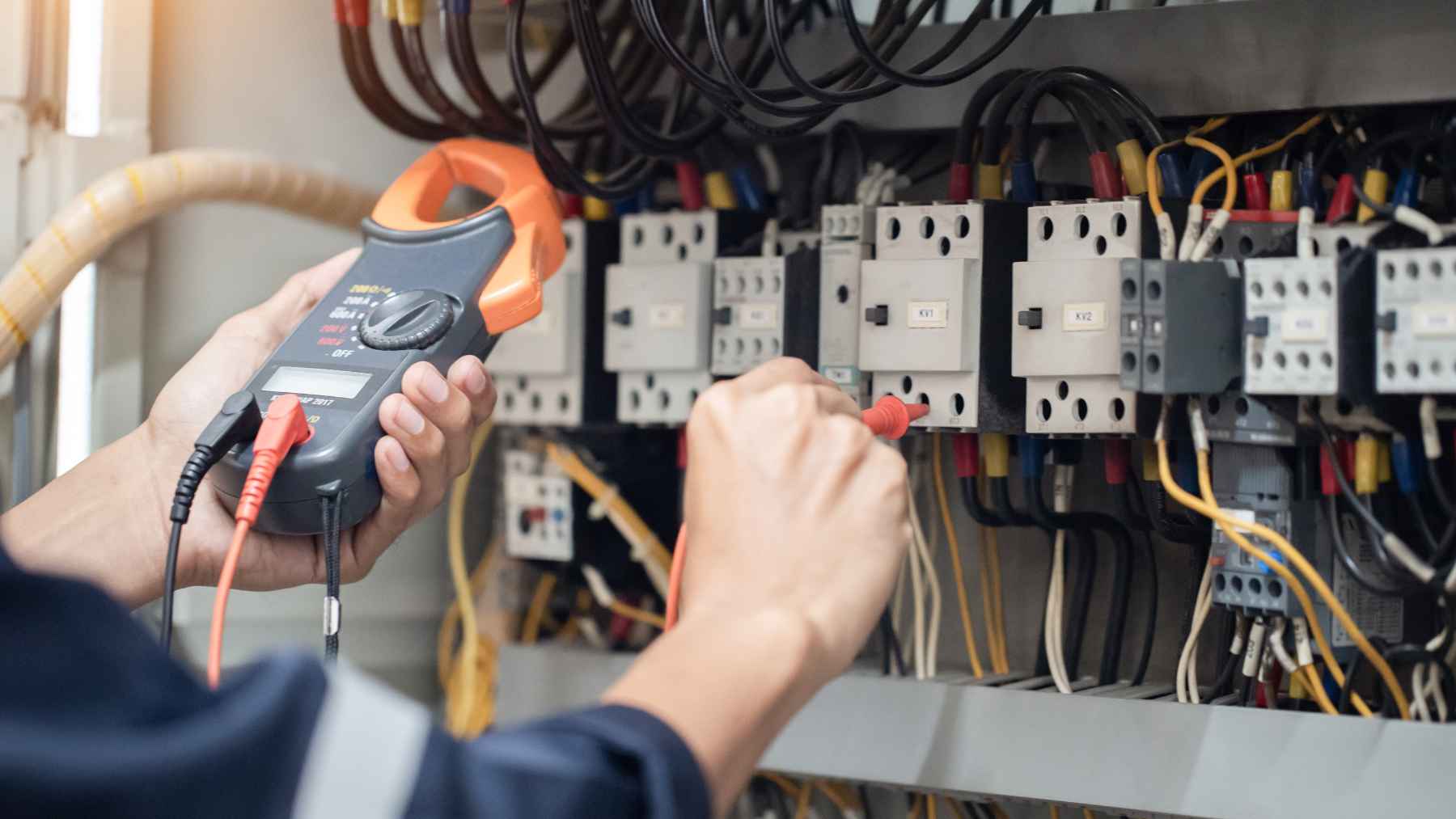
Here is the part that can get lost in the excitement. Drones may look small, but a drone industry is still an electronics industry. It needs batteries, sensors, chips, antennas, composite materials and testing facilities.
The European Commission warns that e-waste is growing quickly in the EU and contains hazardous materials that can create major environmental and health problems if not handled properly.
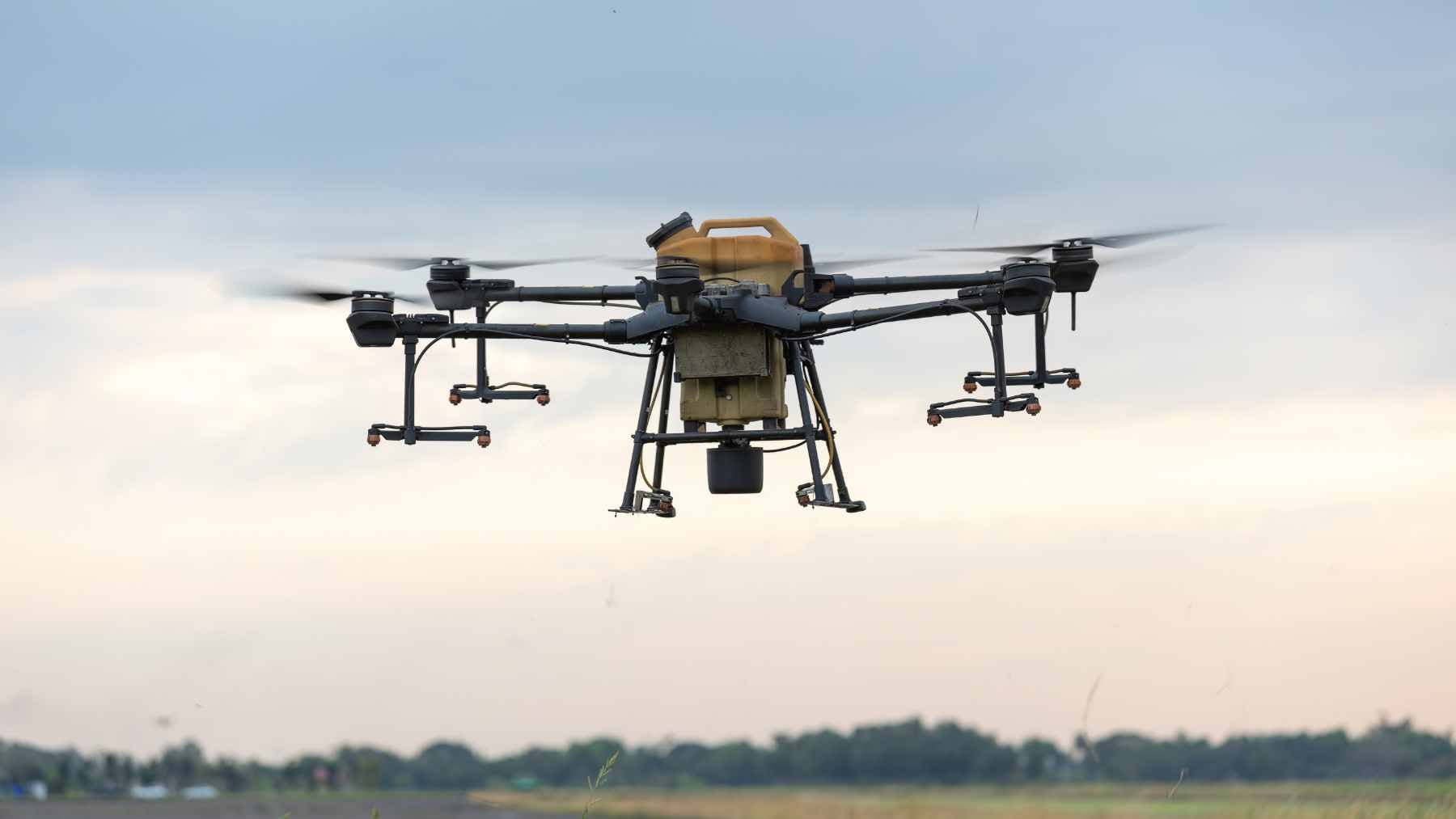
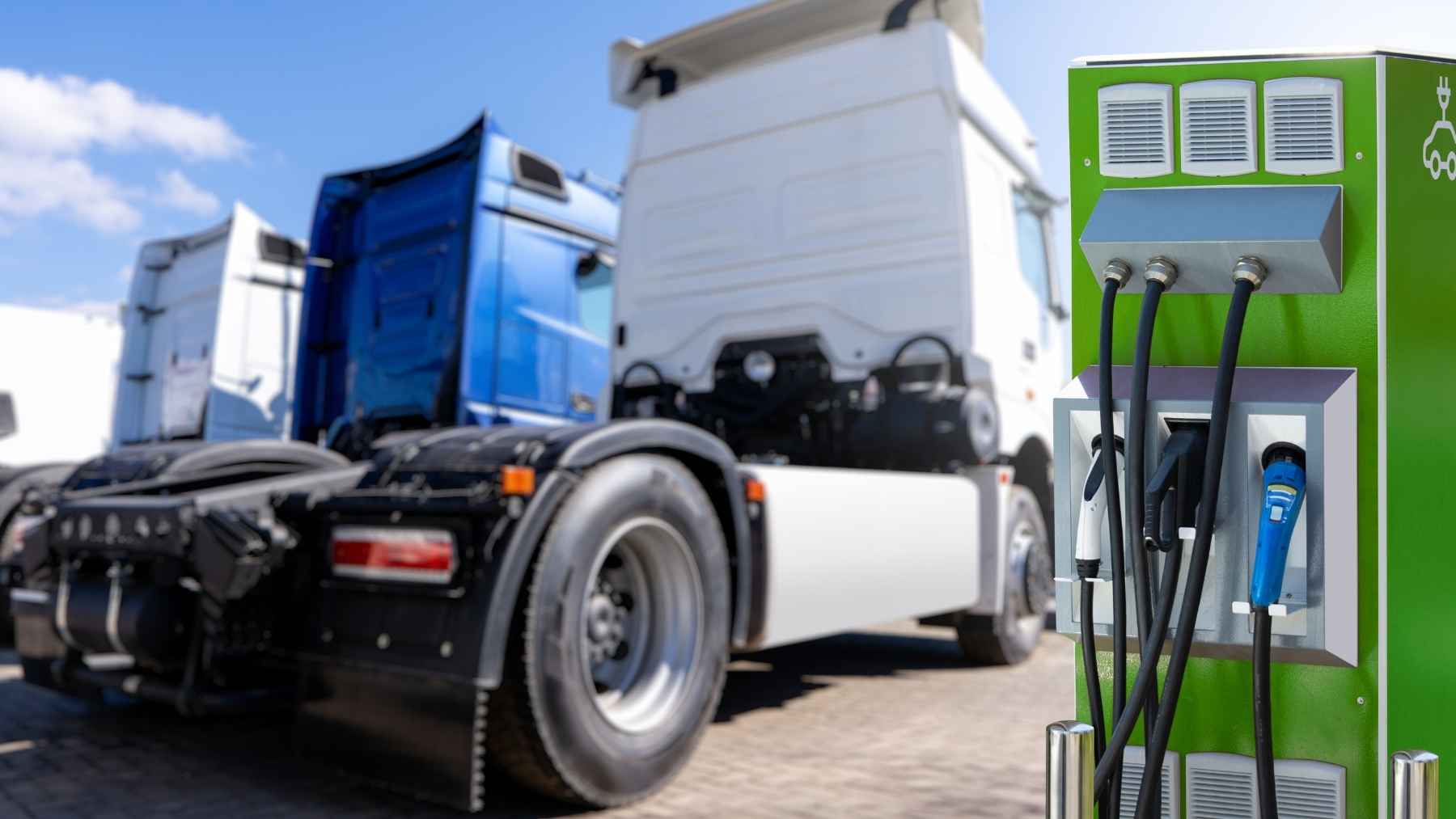
In 2022, about 15.9 million tons of electrical and electronic equipment were placed on the EU market, while about 5.5 million tons of e-waste were collected.
That is why any serious drone hub has to think beyond production lines. Recycling, repairability, battery management and responsible disposal are not nice extras. They are part of whether this new industry can be sustainable in the real world.
Raw materials are the pressure point
The green issue is also buried deep in the supply chain. Drones and autonomous systems depend on critical raw materials, some of the same materials needed for renewable energy, digital technology, aerospace and defense.
The EU’s Critical Raw Materials Act says these materials are essential for strategic sectors and sets 2030 benchmarks for extraction, processing and recycling inside Europe. The law also points to circularity and sustainability as part of the answer.
That matters for Zafra because a factory does not stand alone. It sits inside a web of mines, processors, battery suppliers, electronics firms, logistics networks and waste handlers. At the end of the day, the drone race is also a materials race.
Energy is now security
There is another environmental piece here, and it is very down to earth: factories need power, defense sites need reliable power. Testing facilities need resilient systems that do not fail when the grid is under pressure.
The European Defence Agency has been working with EU defense ministries on greener, more resilient and more efficient energy models. At a May 2026 defense energy conference, the agency said energy is no longer just a support function, but a foundation of military capability and a source of vulnerability.
So the challenge for Zafra is not only to build advanced machines, it is to do so with an energy model that can hold up under industrial demand, climate pressure and geopolitical uncertainty.
Tests before promises
ARMMO has already looked for visibility in testing environments. NATO said forces in Slovakia tested drones, counter-drone systems, uncrewed ground vehicles and communications systems under Task Force X Eastern Flank Deterrence Initiative, with Spain organizing one of the activities.
Infodefensa reported that ARMMO evaluated early detection systems, surveillance sensors, counter-drone solutions and its Bandit-X interceptor during NATO-linked exercises in Slovakia.
That kind of testing matters because defense customers rarely buy promises alone. They want systems that work in difficult conditions, not just in a brochure.
What Zafra still has to prove
For Extremadura, the upside could be significant. A successful hub could bring skilled jobs, suppliers, engineering talent and training opportunities to a region that is often discussed in terms of depopulation and limited industrial options.
There are still hurdles, however. ARMMO will need contracts, certifications, financing, workers with specialized skills and enough demand to keep the factory busy after the first headlines fade.
Still, the signal is important. A quiet town in western Spain is trying to step into Europe’s defense technology map at the exact moment drones are becoming central to security planning.
The company statement was published on ARMMO Defense Technologies’ LinkedIn page.