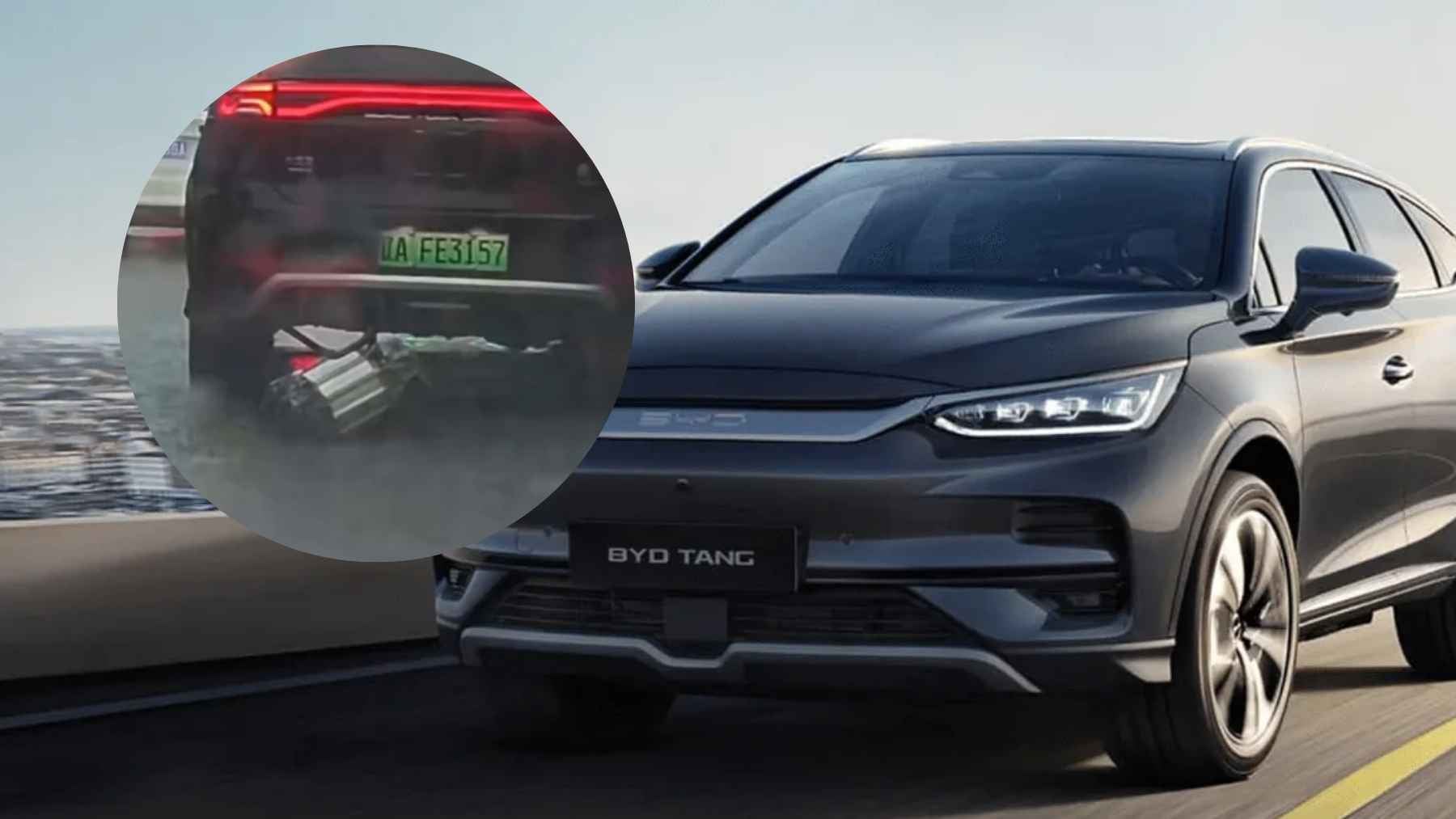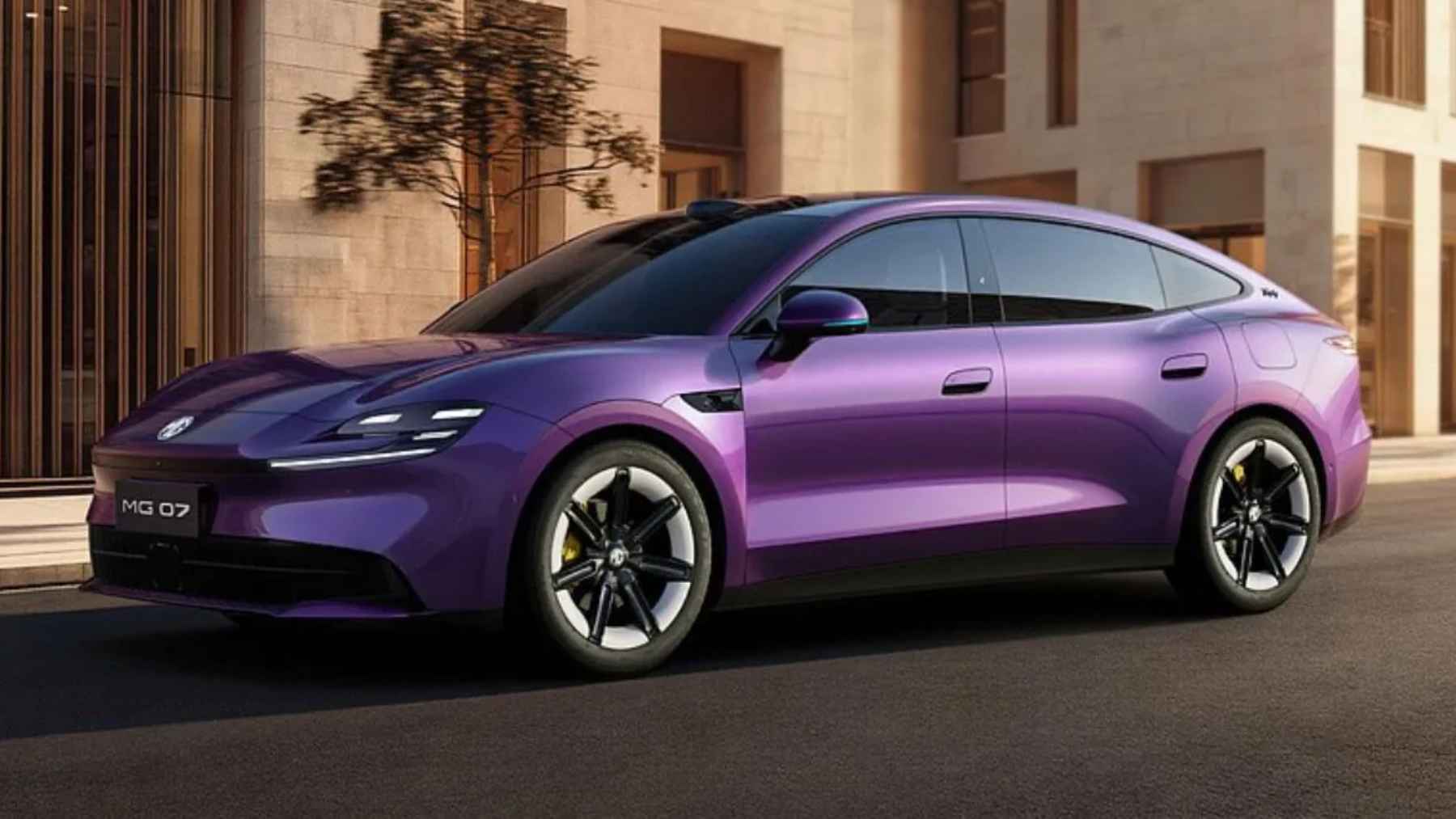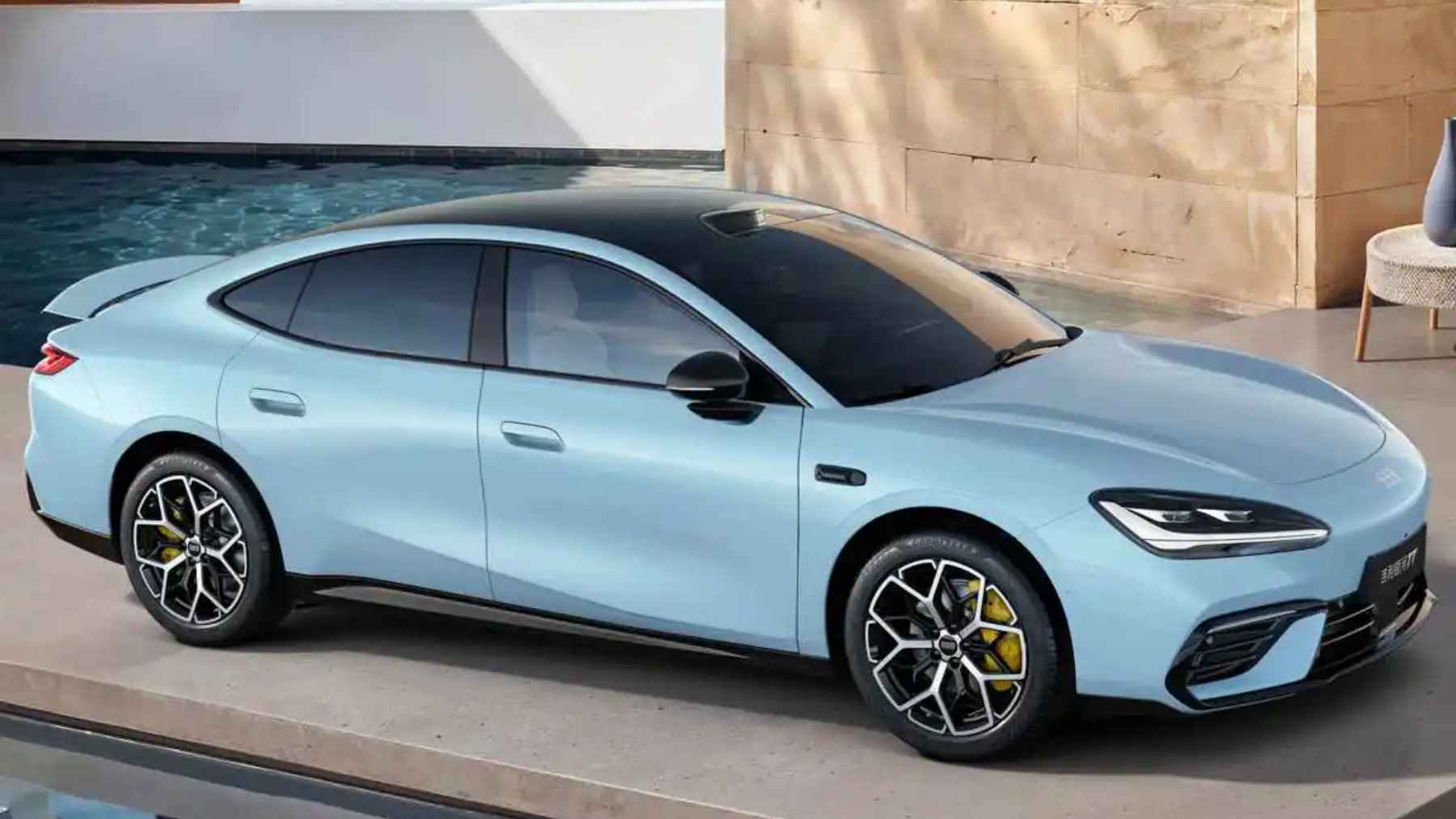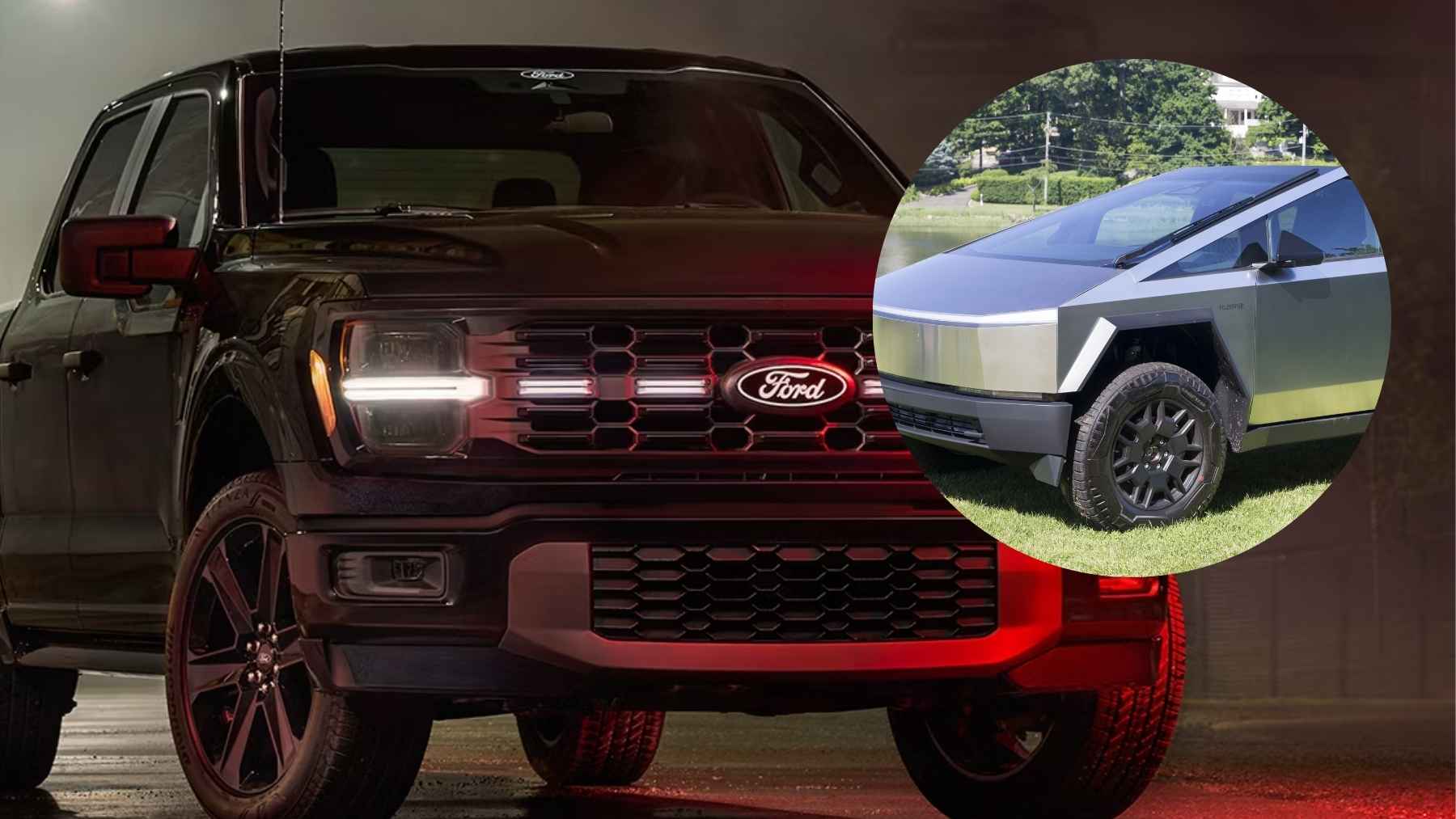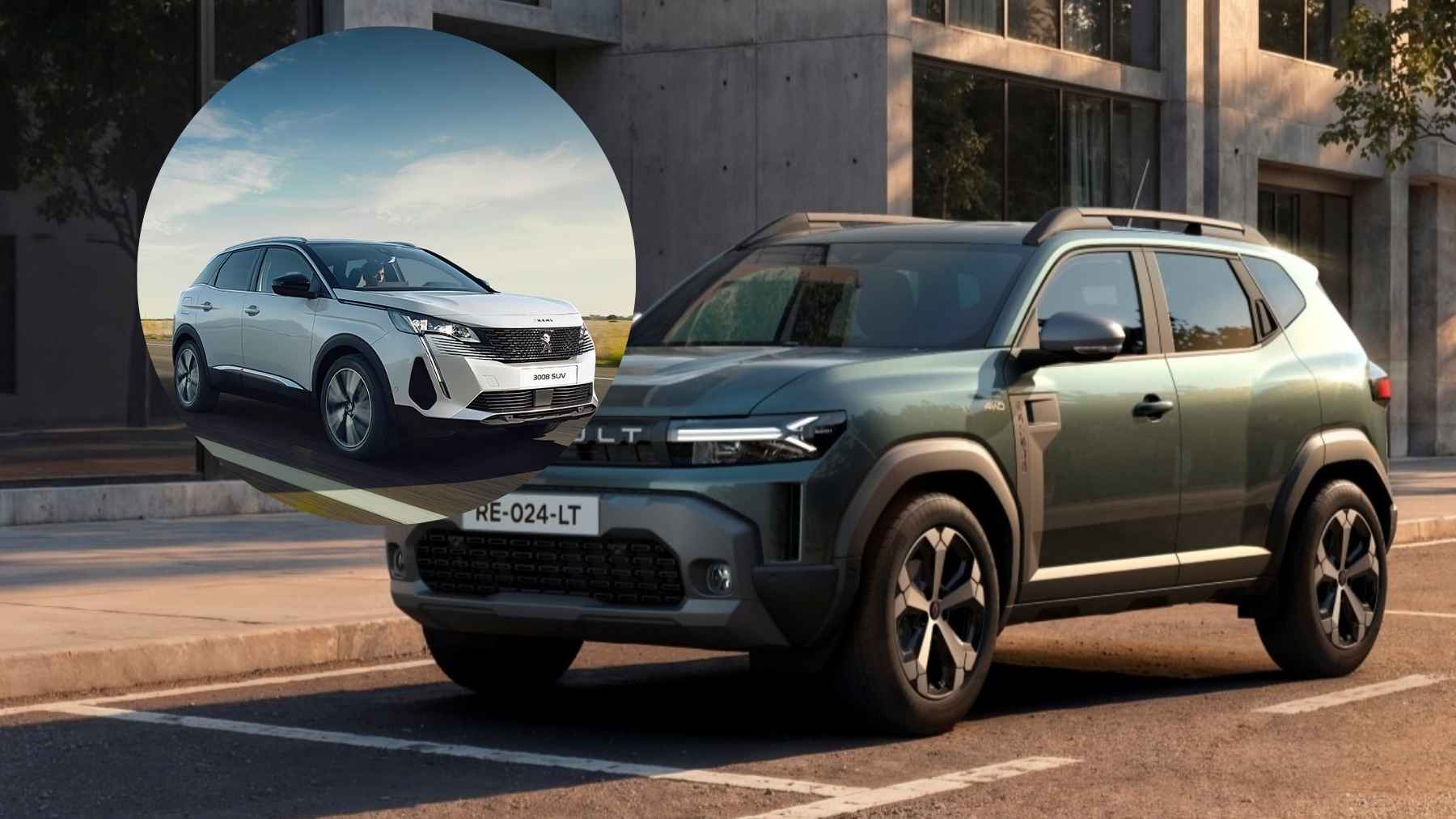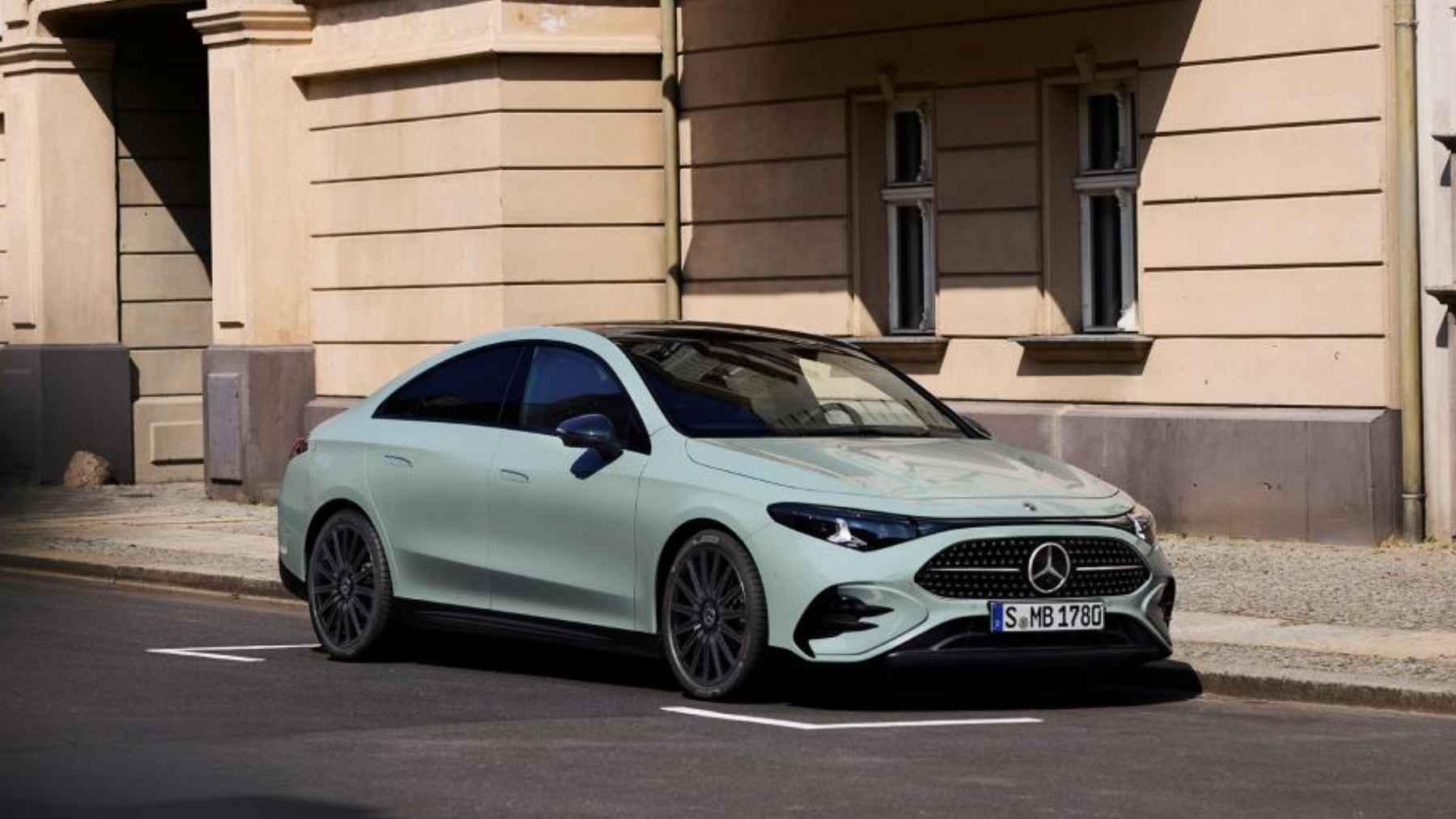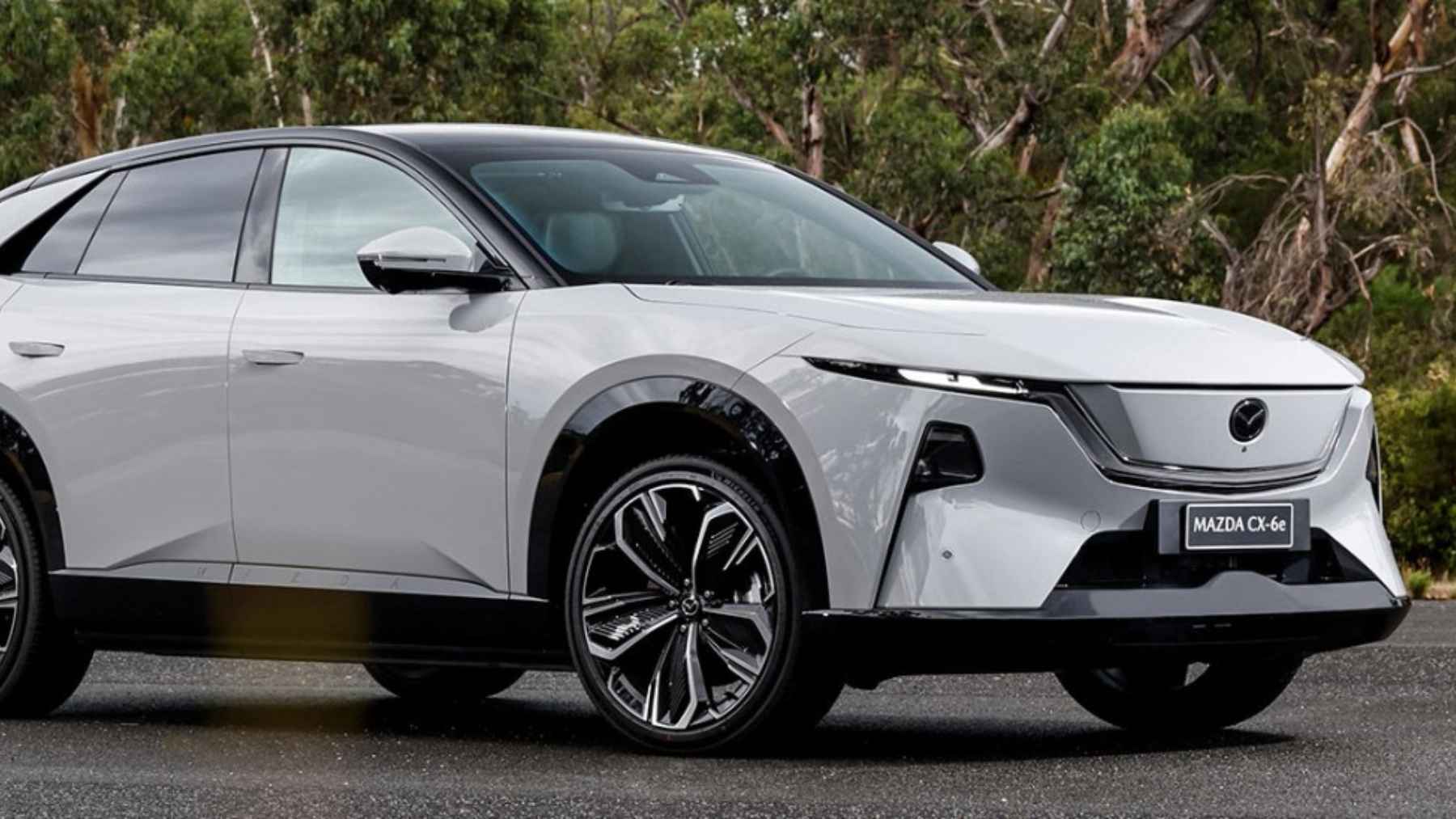
China’s electric-car revolution has put millions of battery-powered vehicles on the road while reducing tailpipe pollution. But a less glamorous problem is now appearing under drivers’ tires. In the first half of 2026, 60% of newly launched models in China stretched beyond 16.4 feet, while some of the largest electric vehicles weighed about 6,600 pounds.
The easy headline is that EVs are destroying China’s roads. The reality is more complicated and, in practical terms, more important. Bigger vehicles add pavement stress, but electrification is also shrinking the gasoline-tax revenue used to fund repairs, exposing an ordinary-road maintenance shortfall estimated at about $44 billion a year.
China’s cars are growing fast
Those percentages describe new model launches, not 60% of every car sold or already on the road. Even so, the change is striking. Only 2% of models introduced during the period measured less than 14.8 feet, compared with 13% one year earlier.
How did the market get here? Large SUVs and minivans offer three rows, more luxury equipment, and room for the large batteries used to reduce range anxiety. They can also support higher prices and profit margins, which helps explain why manufacturers keep moving toward the upper end of the market.
China’s own state media has been unusually direct about the trend. CCTV reported that the average curb weight of domestic passenger vehicles increased by roughly 1,130 pounds over five years, while new-energy vehicles averaged about 745 pounds more than gasoline models in 2025. Some new flagships have crossed the 6,600-pound mark.
Weight matters, but not equally
Road engineers focus heavily on axle loads because pavement damage rises as more weight is concentrated on each axle. A 6,600-pound SUV therefore places more stress on a road than a compact passenger car. But a heavy EV should not be treated as the road-wear equivalent of an 80,000-pound tractor-trailer operating with much higher axle loads.
That distinction matters. Saying large EVs are the main cause of China’s road deterioration goes further than the available evidence supports. The maintenance backlog also reflects an enormous and aging road network, rising material and labor costs, delayed work, and a funding structure that was already under pressure.
A pothole does not care whether a battery or an engine made a vehicle heavy. The tax system does.
The $44 billion funding squeeze
China traditionally supports ordinary-road maintenance with fuel-tax transfers and local government funding. Research cited by Chinese media put annual needs at roughly $88 billion, with only about half of that amount available. That leaves an estimated shortfall of around $44 billion each year.
The same research said about 40% of ordinary roads were in a situation where maintenance had been identified but adequate funding was unavailable. As gasoline use slows, that gap becomes harder to close. A gasoline driver contributes while filling the tank, while a battery-electric driver uses the same pavement without paying that particular tax.
This is not a moral failure by EV owners. It is a policy design problem. China built a road-funding model around fuel consumption, then successfully accelerated a technology that avoids fuel entirely.
China is rewriting incentives
The first change is already visible at the dealership. Since Jan. 1, 2026, qualifying new-energy vehicles have received a 50% reduction from China’s standard vehicle purchase tax. The maximum reduction for a passenger model is now about $2,200, replacing the full exemption available through 2025.
More changes are coming. An official announcement issued on July 2, 2026, says annual vehicle and vessel tax exemptions will end on Jan. 1, 2027, for plug-in hybrids, including range-extended models, as well as pure electric and fuel-cell commercial vehicles. Pure electric passenger cars are not included in that particular change.
Efficiency standards are also tightening. Updated technical requirements set electricity-consumption limits for battery-electric passenger cars, and models must meet them to qualify for purchase-tax relief in 2026 and 2027. The policy does not ban large EVs, but it makes the old formula of adding more battery simply to offset more weight increasingly difficult.
A mileage tax is still a proposal
Industry figures, including China Passenger Car Association Secretary-General Cui Dongshu, have proposed a road-use charge based on distance traveled and vehicle weight. One idea would use China’s BeiDou satellite system and the national vehicle-monitoring platform, with Hainan suggested as a possible testing ground.
But there is an important caution. Claims that Hainan had already introduced a general mileage tax for electric cars were denied by provincial authorities in December 2024. More recent planning points toward new free-flow charging technology and possible future trials, not a nationwide charge already appearing in drivers’ mailboxes.
The design will matter. A flat fee could treat a small city EV exactly like a 6,600-pound luxury SUV, while continuous location tracking would raise obvious privacy questions. At the end of the day, a fair system would need to measure road use without discouraging the lightest and most efficient vehicles.
The next EV race may be lighter
People’s Daily has urged automakers to let vehicle dimensions “return to rationality,” arguing that oversized cars clash with existing urban infrastructure and increase energy use. Anyone who has tried to open a door in a tight parking space understands the problem immediately.
Smaller batteries, lighter materials, and better aerodynamics can reduce electricity demand and road stress while making vehicles easier to park and maneuver. To a large extent, that is a more meaningful form of innovation than adding another screen, another seat, and another few hundred pounds. Less bulk can be progress too.
China’s lesson reaches far beyond China. The greenest powertrain can still be wrapped in too much car.
The official vehicle and vessel tax announcement was published on State Taxation Administration of China.