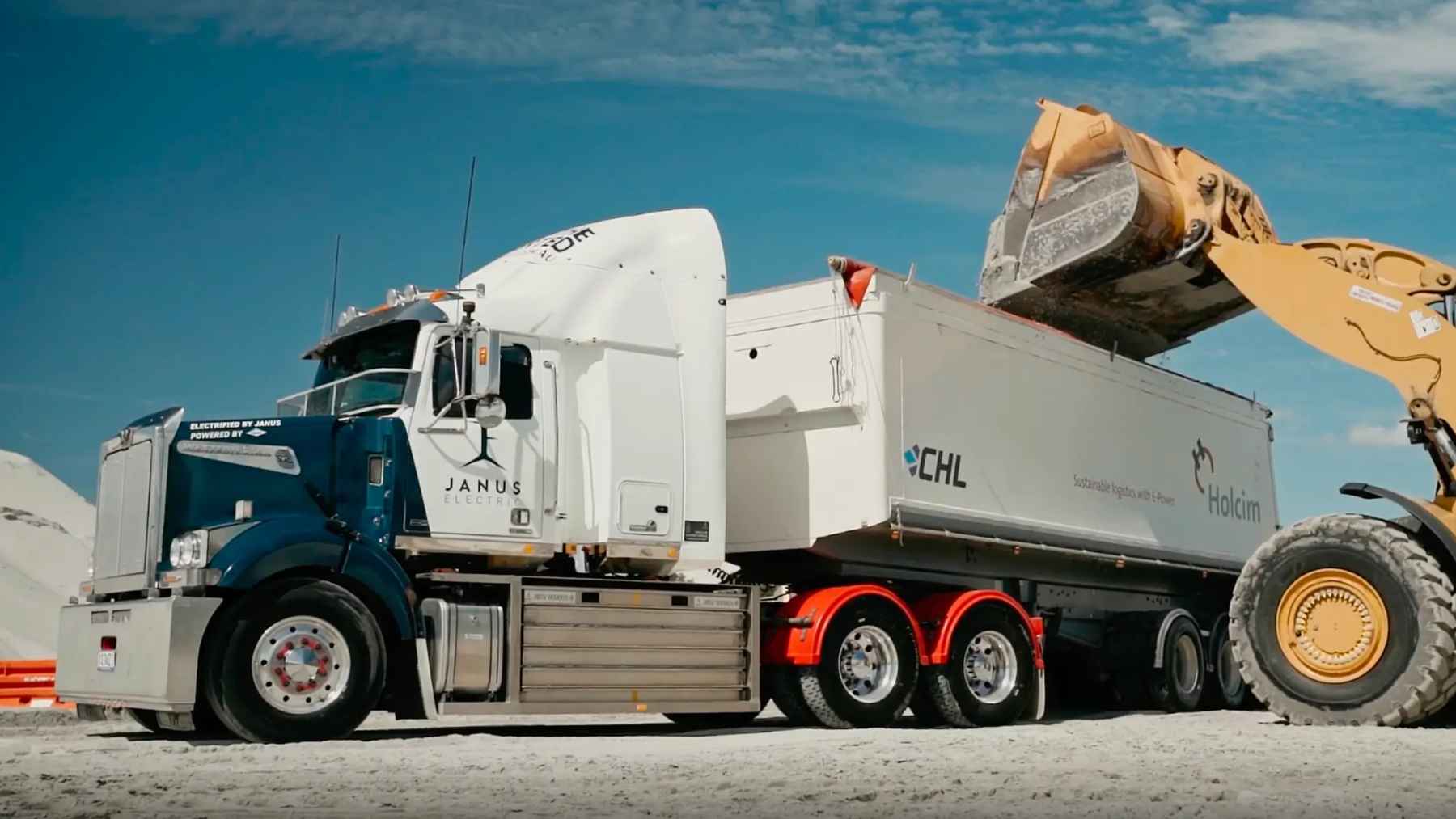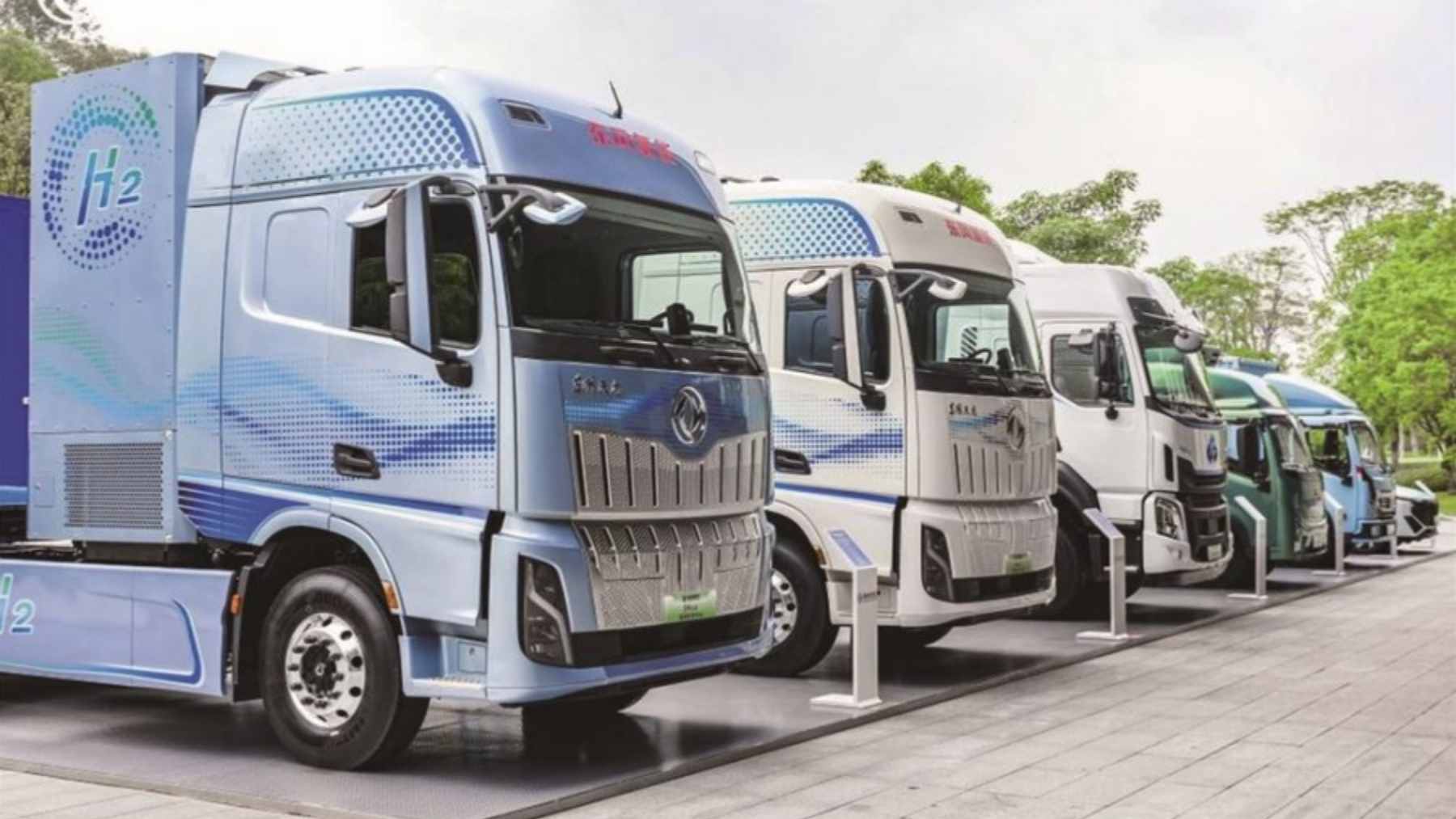
A heavy-duty truck is not usually the first thing people picture when they think about clean technology. It is big, noisy, and built for hard work. Yet Dongfeng Motor is now trying to put hydrogen at the center of that picture with a new fuel-cell platform aimed at trucks rated at about 108,000 lbs.
The Chinese automaker says its self-developed 400 kW hydrogen fuel-cell platform has passed a 10,000-hour durability verification under China’s new national standard.
That matters because long-haul freight is one of the toughest parts of transportation to clean up, and trucks do not get much patience from fleet operators when range, downtime, and maintenance costs are on the line.
A major hydrogen test
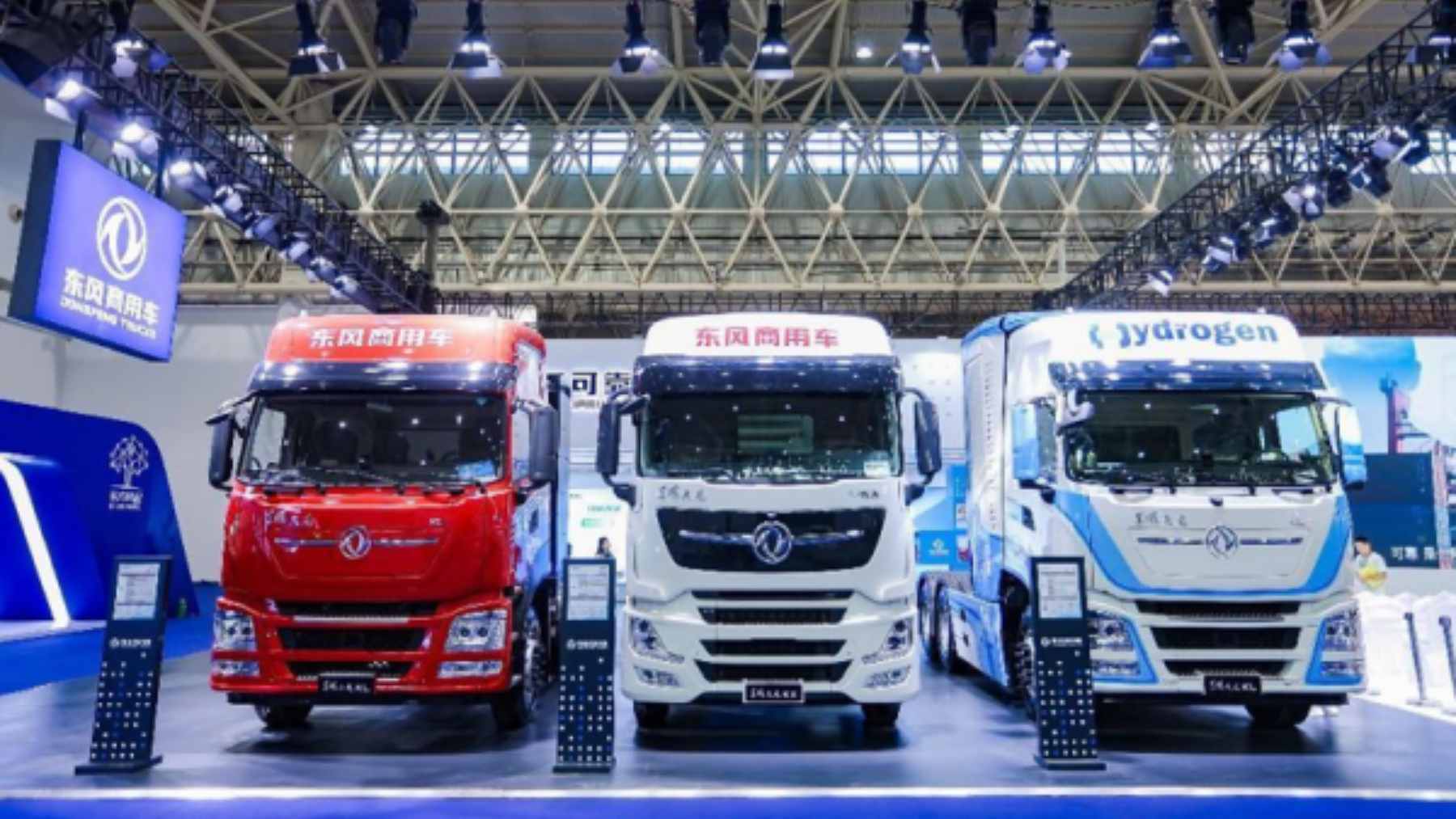
Dongfeng announced the milestone at an event in Wuhan on May 20, where it also presented its T1 new-energy commercial vehicle platform. The company said the 400 kW system is the first domestically produced metal bipolar plate, hydrogen fuel-cell stack in China to clear the new 10,000-hour durability check.
That may sound like a lab detail, but it gets to the heart of the business case. If a fuel cell cannot survive years of stop-and-go work, steep climbs, heavy loads, and fast schedule demands, it will not matter how clean it looks on paper.
According to Dongfeng, the test simulated real commercial vehicle conditions, including frequent starts and stops and sharp changes in load. The company said the process examined material stability, structural reliability, and long-term performance degradation, with recognition from third-party testing institutions and industry experts.
Why trucks matter
Trucks and buses represent a small share of vehicles, but they carry an outsized climate burden. The International Energy Agency says they account for more than 35% of direct carbon dioxide emissions from road transport, even though they make up fewer than 8% of vehicles, excluding two and three-wheelers.
That is why heavy freight has become a key target for cleaner powertrains. Passenger cars can often be charged overnight in a driveway or at work, but a truck hauling goods across long routes lives by a different clock.
Hydrogen’s appeal is easy to understand in practical terms. Fuel-cell vehicles use hydrogen to make electricity onboard, and the U.S. Department of Energy notes that hydrogen consumed in a fuel cell produces only water, though the climate benefit still depends heavily on how the hydrogen itself is made.
The numbers Dongfeng wants fleets to notice
Dongfeng says the 400 kW fuel-cell platform was designed for heavy trucks rated at about 54 tons. It supports cold starts down to -40°F and has a design life of more than 30,000 hours.
The company also claims its hydrogen vehicles built on the T1 platform used as little as 15.4 lbs. of hydrogen over 62 miles in tests across mountain and flat-road conditions. That figure will need broader real-world validation, of course, but it is the kind of number fleet managers will study closely.
Then there is the range claim. Dongfeng says its hydrogen tractor weighs about 19,400 lbs. and can travel up to 1,056 miles after only 15 minutes of refueling. For those who have watched a delivery schedule fall apart because one vehicle is stuck waiting, that short stop is the hook.
The T1 platform
The T1 platform is built around four practical promises, according to Dongfeng. Lower energy use, lighter construction, fast refueling, and high safety.
That last point is not just a footnote. Hydrogen vehicles carry high-pressure systems, so safety design is central to public trust and commercial adoption.
Dongfeng says the platform uses an intelligent distributed power system, full-area protection for its energy storage system, and has received a European DEKRA functional safety C-level certification for commercial vehicles.
The company has also built three hydrogen fuel-cell power platforms at 70 kW, 150 kW, and 400 kW, covering applications from 20 kW to 400 kW. In other words, Dongfeng is not presenting this as a one-off showpiece, it is trying to build a product ladder.
The infrastructure question
Here is the catch: a hydrogen truck is only as useful as the network around it.
Dongfeng says its hydrogen heavy trucks and passenger vehicles have already traveled more than 621,000 miles in real commercial use.
The company also points to a support network with more than 700 service stations, more than 200 specialized experts, more than 100 parts centers, and a dynamic spare-parts reserve worth roughly $26.6 million at recent exchange rates.
That support system could be just as important as the fuel cell itself, as big fleets do not only buy vehicles. They buy uptime, repair confidence, predictable costs, and the feeling that someone will answer the phone when a truck breaks down far from base.
A cleaner road, but not a simple one
Hydrogen is not magic. If it is produced using fossil fuels without strong emissions controls, its climate advantage can shrink quickly.
Still, for heavy-duty freight, the technology keeps drawing attention because it tackles a real pain point. Long range and quick refueling are not luxury features in logistics, they are part of the job.
Dongfeng’s announcement does not settle the race between hydrogen, battery-electric trucks, and other low-carbon solutions. What it does show is that China’s commercial-vehicle industry is pushing hard to make hydrogen look less experimental and more like a working tool.
The official statement was published on Dongfeng Motor.