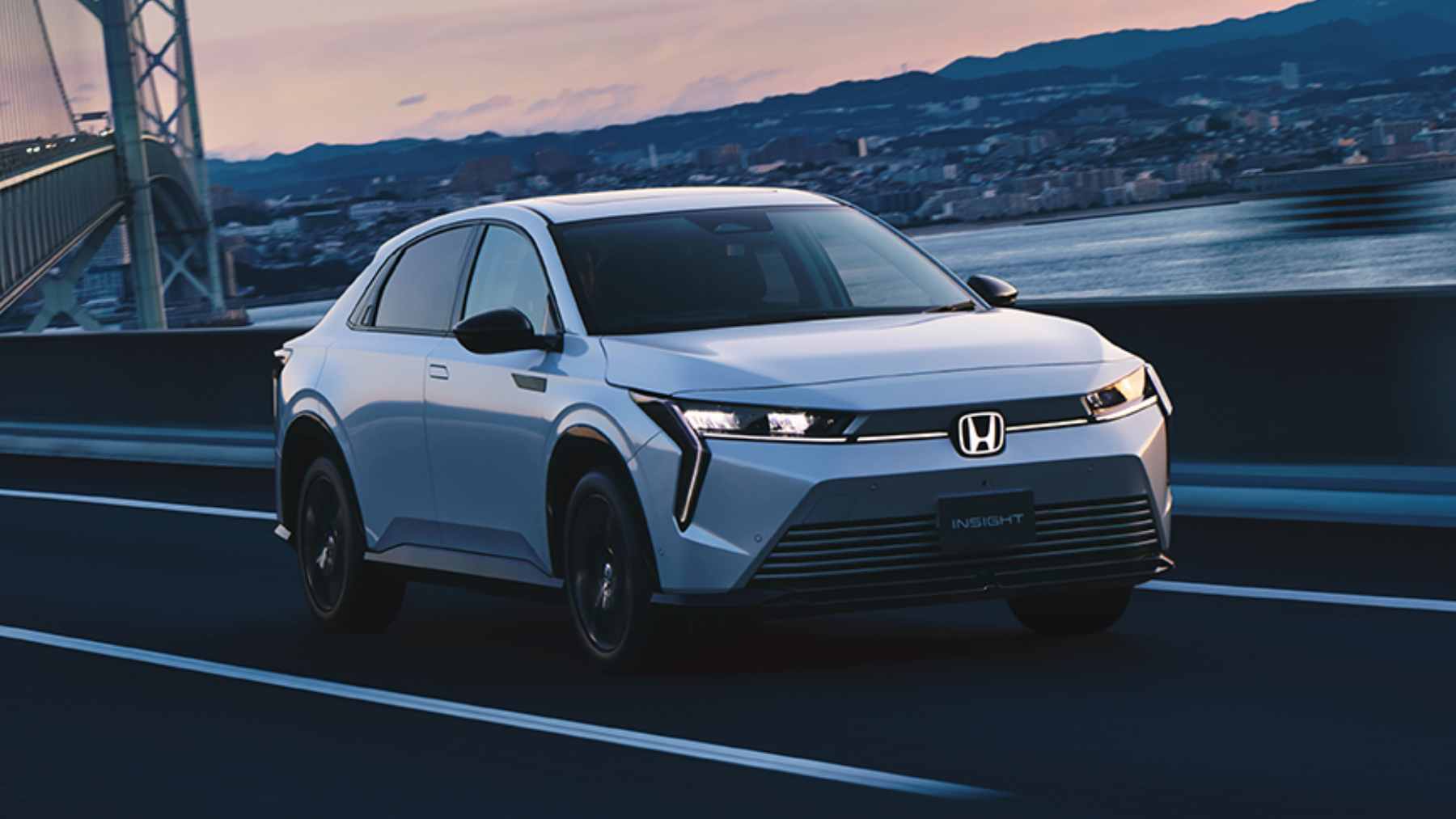
Honda just posted its first annual loss in nearly 70 years, and the headline culprit is its electric vehicle strategy colliding with a colder market once incentives faded. The company is now pivoting hard toward hybrids and software, a reset that is rippling far beyond one balance sheet.
This matters for the environment because road transport is one of the biggest sources of climate warming pollution, and progress can stall when policy and pricing lurch around. If you have ever shopped for a car, you know a $7,500 swing can feel like the whole decision.
Incentives vanish and the math changes
In the U.S., the end of the federal $7,500 EV tax credit at the close of September 2025 created a textbook “pull forward” effect. Cox Automotive said “October marked a sharp reversal” after three months of accelerated buying, and then demand cooled once the deadline passed.
The warning sign is not just fewer sales, but how spread out those sales are across dozens of nameplates. When most models sell in low volumes, factories cannot run efficiently, and costs stay high even as the climate clock keeps moving.
That is why the industry has started booking big EV-related charges, including Ford’s $19.5 billion writedown and GM’s multi-billion-dollar restructuring hit.
Honda’s EV bill comes due
Honda’s official filing for the fiscal year ending March 31, 2026 shows an operating loss of ¥414.3 billion ($2.6 billion) and a loss attributable to owners of ¥423.9 billion ($2.66 billion), even as revenue was roughly flat at ¥21.8 trillion ($140 billion). It also kept its annual dividend at ¥70 ($0.44) per share, a decision that helped steady investor sentiment on a rough day.
At its May 14 business briefing, Honda said it will “reallocate more development and production resources into hybrid models” and launch 15 next-generation hybrid models globally by the end of its fiscal year 2030, with North America a major focus.
It also says the next hybrid system is designed to cut system cost by more than 30% and improve fuel economy by more than 1%, while keeping work going on advanced driver assistance and all-solid-state batteries.
Honda also said it will “indefinitely suspend” its plan to build a comprehensive EV value chain in Canada, a reminder that big battery bets can be just as financial as they are technical.
Global demand is up, but the U.S. is wobbling
Zoom out and the story gets more complicated. Benchmark Mineral Intelligence reports global EV sales reached 20.7 million in 2025, up 20% year over year, while North America ended the year down 4% at about 1.8 million.
That split matters for climate strategy and for business planning, because battery plants and charging networks are built for steady ramps, not roller coaster months. The International Energy Agency has warned that policy and standards remain key drivers for adoption, which is another way of saying the market still needs a guardrail.
Defense fleets are part of this story, too
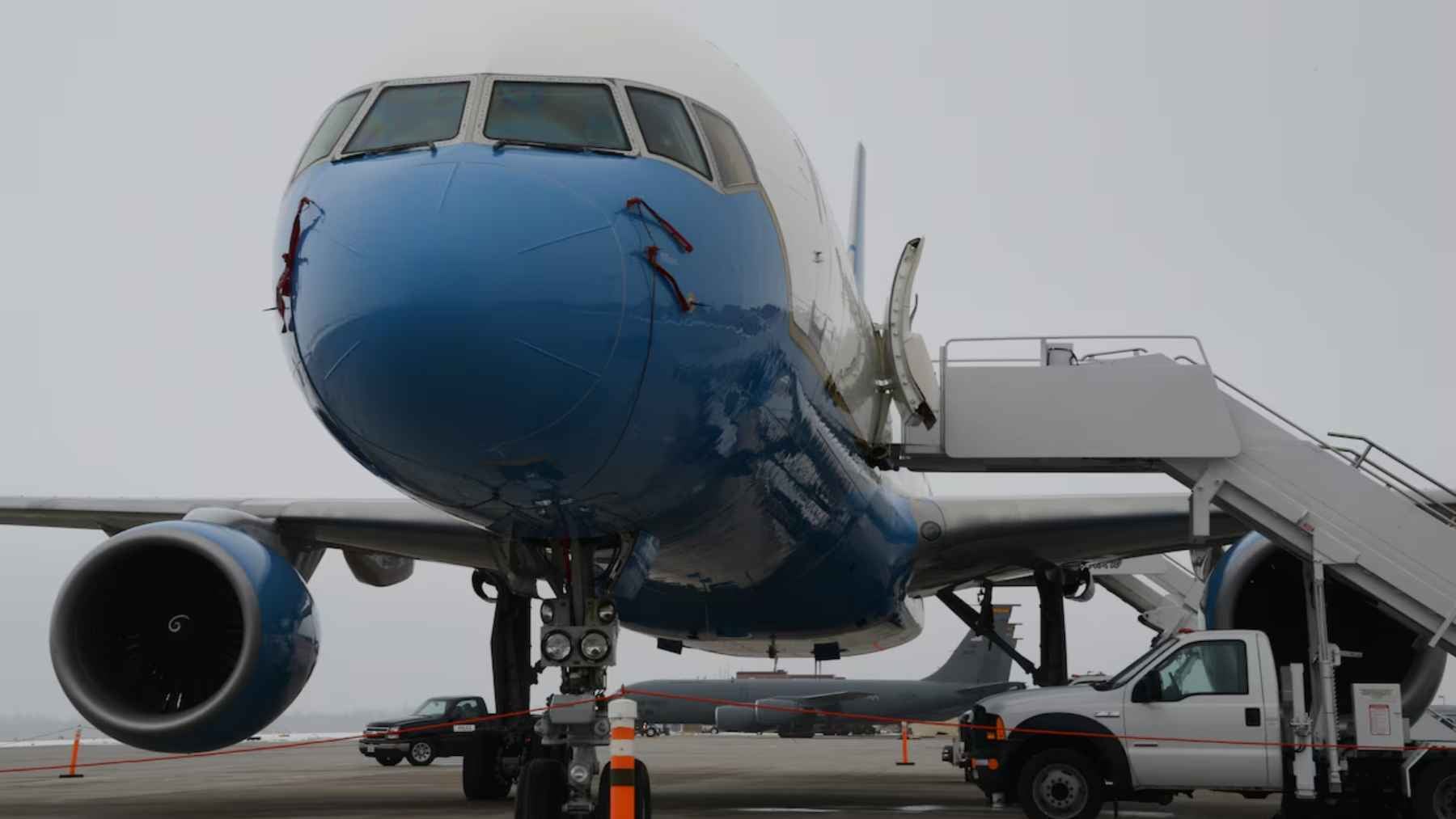
The clean vehicle transition is not only about commuters stuck in traffic. Federal agencies, including the military, are under mandates to move non-tactical fleets toward zero-emission vehicles over time, which means more charging hardware on bases and more demand for batteries that can handle real-world duty cycles.
The National Guard’s own reporting shows why hybrids keep showing up in these plans. In a 2023 Army story, Guard officials said going hybrid first can buy time while charging infrastructure catches up across smaller armories, and they pointed to microgrids as part of the resilience puzzle.
What happens next for drivers and the climate
For consumers, the next phase likely looks less like a straight line and more like a split screen. Some automakers will keep pushing full EVs, others will lean on hybrids to cut fuel use now, and pricing will remain sensitive to incentives, interest rates, and your monthly electric bill.
For the planet, the key question is whether policy can become boring again, in a good way, so companies can invest without betting the whole business on one timeline.
The press release was published on Honda Global Newsroom.