The old dealership script used to be fairly simple: a customer took a test drive, heard the price, felt the pressure, and either signed the paperwork or walked out.
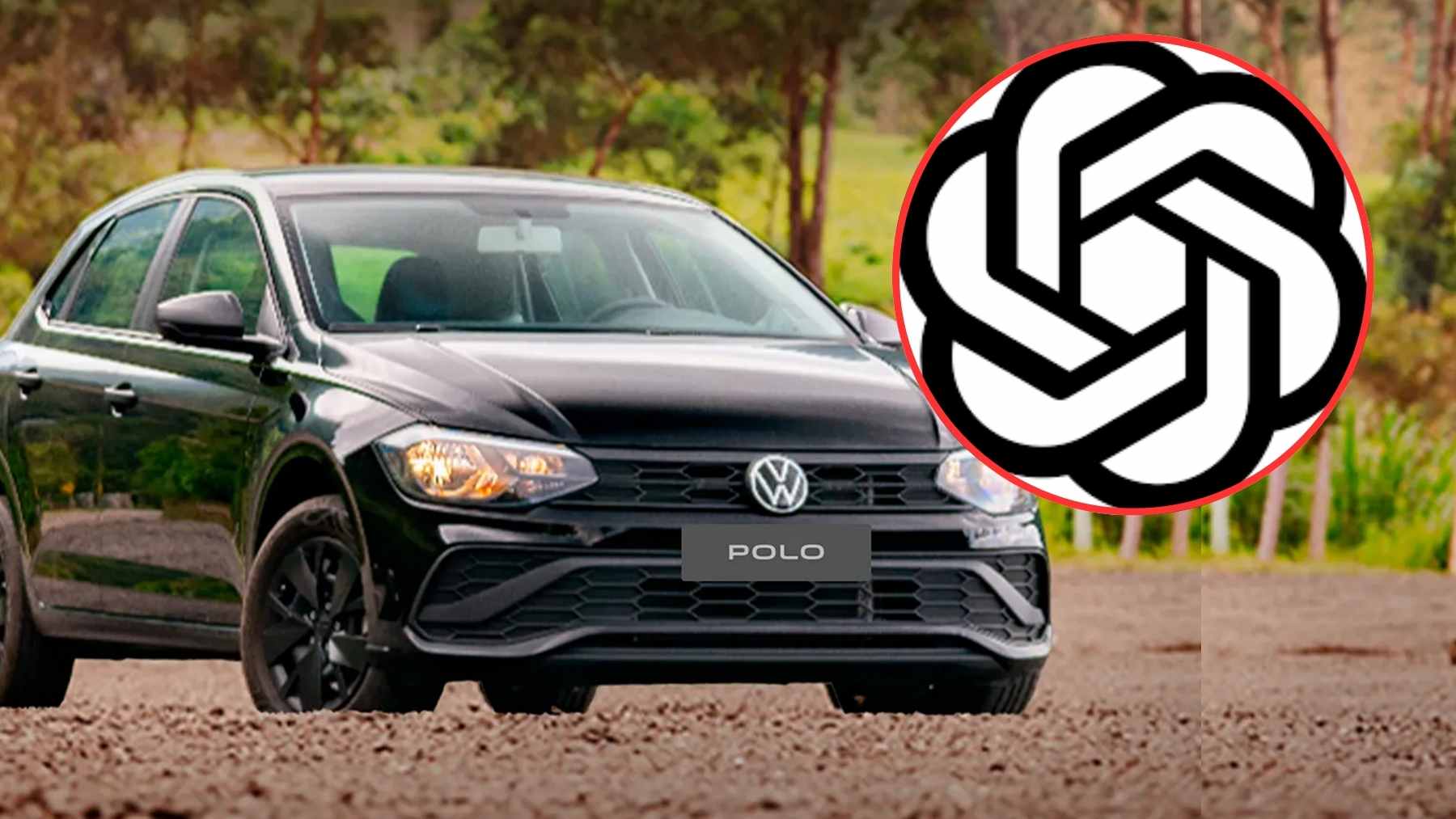
Now there is a new voice at the table, even when nobody else is physically there. A Volkswagen salesperson said a shopper paused after receiving a quote because he wanted to run it through ChatGPT, a small moment that points to a much bigger shift in how Americans buy cars.
The new showroom objection
Sofia, a Volkswagen sales rep on TikTok, said the customer had already test driven the vehicle and reviewed the details. When she asked what could be done to close the deal, his answer was not about color, monthly payment, or a trade-in.
He said, “I need to take this quote and put it into my AI.” Sofia said the response “really stumped me” because it was a new kind of objection, not the usual back-and-forth over price or financing.
For dealers, that matters. The customer was not refusing to buy. He was saying that a chatbot had become part of his decision-making process.
Why buyers are turning to AI
Car shopping can feel exhausting, even for people who love cars. There are sticker prices, out-the-door prices, add-ons, warranties, financing terms, trade-ins, fuel costs, and sometimes a little showroom pressure on top.
That is exactly where AI tools can feel useful. They can compare quotes, spot suspicious fees, summarize reviews, pull market ranges, and help shoppers ask clearer questions before they sign.
Cox Automotive’s latest Car Buyer Journey Study found that 25% of new-vehicle buyers used AI tools during shopping. The same research found that 83% of consumers believe AI will reshape car buying in the future, while 59% reported high satisfaction with AI-powered assistance.
Dealers are watching, too
This is not only happening on the buyer’s side. Cox Automotive’s AI Readiness in Auto Retail Study found that 81% of dealers believe AI is here to stay and 63% say investing in AI now is critical for long-term business success.
In practical terms, dealerships are no longer just competing with the store across town. They are competing with software that can instantly challenge a price, suggest a counteroffer, or tell a buyer to keep walking.
That does not mean ChatGPT is always right. It can misunderstand fees, miss local incentives, or treat a fake online price as a real one. That is why the smartest use is not blind trust, but a second opinion.
The price problem behind the trend
There is a reason this story caught attention. Many shoppers already suspect that the advertised price and the final price will not match, especially once mandatory fees or add-ons appear near the end.
The Federal Trade Commission warned 97 auto groups in March 2026 that advertised prices must include all mandatory fees consumers are required to pay.
The agency also cited illegal pricing practices such as advertising unavailable vehicles, prices tied to rebates not available to all buyers, and required add-ons not reflected in the advertised price.
That is where AI becomes less of a gimmick and more of a shield. A buyer can paste in the quote, ask what fees look unusual, and compare the out-the-door price with nearby listings. Not perfect, but useful.
Green choices need better math
There is also an environmental layer here, even if the viral Volkswagen moment was mostly about price. More buyers are comparing gas, hybrid, plug-in hybrid, and electric vehicles, and those choices involve more than the number on the windshield.
An AI assistant can help organize fuel economy ratings, charging costs, warranty details, and emissions information. That matters when a shopper is trying to lower fuel bills, avoid exhaust-heavy commuting, or figure out what an EV might do to the electric bill.
The EPA says vehicle labels include fuel economy and greenhouse gas ratings, while electric-vehicle labels use MPGe so shoppers can compare different technologies more easily. Buyers still need official sources, but AI can help them read the fine print without getting lost.
What shoppers should keep in mind
So, should every buyer ask ChatGPT before buying a car? Maybe. But the better question is what they ask it to check.
The strongest prompt is not “Is this a good deal.” It is something more specific, like “Review this out-the-door quote and identify mandatory fees, optional add-ons, financing assumptions, warranty costs, and comparable market prices.”
At the end of the day, AI will not replace judgment. It will not sit in traffic with you, hear the road noise, or tell you whether the seat feels right after 30 minutes. But it can slow down a rushed decision, and sometimes that is exactly what a shopper needs.
A new playbook for car sales
For salespeople, the lesson is not to fear the chatbot. A clean quote, clear fee breakdown, and fair explanation may survive AI review better than a pressured pitch ever could.
For buyers, the lesson is just as simple: use AI as a flashlight, not a steering wheel. It can show what deserves a closer look, but the final choice still belongs to the person holding the keys.
The official statement was published on Cox Automotive.