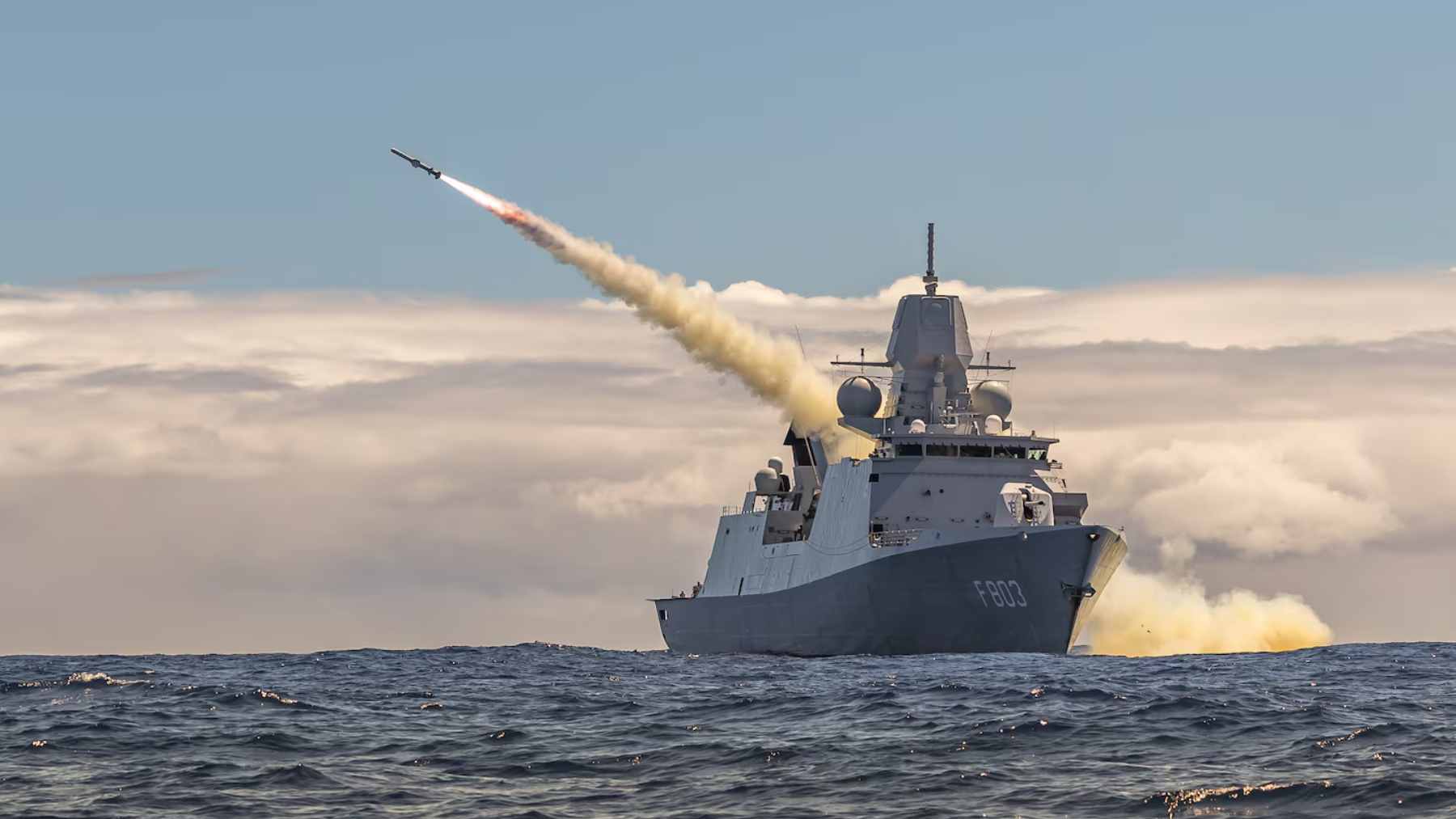
South Korea is about to do something it has never done before at RIMPAC. For the first time, a South Korean Navy admiral will command the combined maritime forces at the world’s largest international maritime exercise, putting Seoul in charge of sea operations across a fleet drawn from dozens of countries.
The assignment is not a ceremonial handshake. RIMPAC 2026 will bring 31 nations to the waters around Hawaii from June 24 to July 31, with about 40 surface ships, 5 submarines, 140 aircraft, and more than 25,000 personnel taking part.
That is a lot of steel, fuel, software, and human coordination moving across the same ocean at once.
A first command role
The U.S. Pacific Fleet says the Republic of Korea will command the maritime component of the 2026 exercise. The U.S. 3rd Fleet will lead the overall Combined Task Force, while Chile will serve as deputy commander, Japan as vice commander, and Canada will command the air component.
For South Korea, this marks a major step up. In RIMPAC 2024, Seoul served as deputy commander of the maritime component, but this year it moves into the top naval role for the sea phase of the exercise.
A South Korean Navy official said, “We plan to successfully complete the mission of Combined Force Maritime Component Commander and show the world the excellent operational command capabilities of the Republic of Korea Navy.”
That is the military language. Put plainly, Seoul is being trusted to run the seagoing part of a very crowded, very complex exercise.
Why this matters at sea
RIMPAC began in 1971 and is held every two years. Its purpose is to help participating countries work together to protect sea lines of communication and respond to maritime threats, which sounds abstract until you picture the ports, cargo ships, fuel tankers, and undersea cables that modern life depends on.
At the end of the day, the ocean is infrastructure. It carries food, energy, defense equipment, consumer goods, and the parts that keep factories running. UN Trade and Development says global shipping carries over 80% of world trade, and its 2025 review warned that maritime trade growth was expected to slow to just 0.5% in 2025 after rising 2.2% in 2024.
That matters far beyond naval bases. When a shipping lane is disrupted, the effects can eventually land in a grocery aisle, a delivery delay, or even the electric bill. That’s why command at sea is not just about who has the biggest ship.
The environmental angle
Military exercises are not usually described as environmental news. But in the Pacific, defense, trade, and ecology keep bumping into each other.
The U.S. National Climate Assessment says sea level rise, changing rainfall, and rising ocean and air temperatures are already affecting clean water, food, health, ecosystems, and economic activity across Hawaii and U.S.-affiliated Pacific islands.
So what does a naval drill have to do with that? Quite a bit, at least when the training includes humanitarian assistance and disaster response, mine clearance, diving, salvage, and military medicine. U.S. officials say RIMPAC 2026 will practice those areas along with missile, air defense, anti-submarine, and amphibious operations.
That does not erase the need for transparency around large military exercises in sensitive ocean environments. It does show why navies increasingly frame maritime security as something broader than combat. In practical terms, it can include clearing hazards, moving supplies, and coordinating fast when storms, conflict, or accidents disrupt the sea.
A bigger test for Seoul
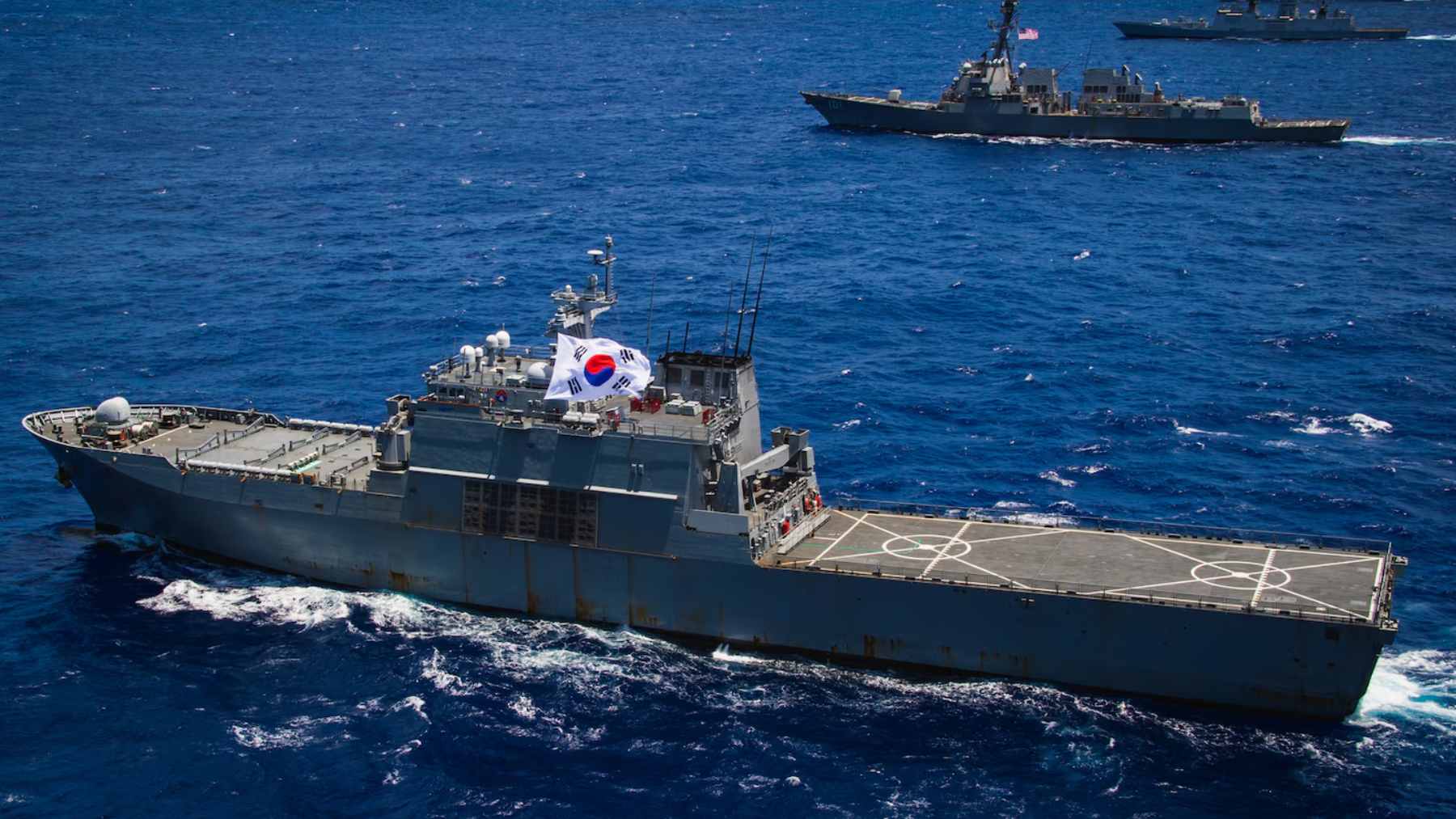
South Korea joined RIMPAC in 1990, and its new role shows how far its navy has moved from participant to operational leader. It also reflects a larger shift in the Indo-Pacific, where allies are being asked to carry more responsibility in joint missions.
Modern naval command is a technology problem as much as a military one. Ships, aircraft, submarines, sensors, secure communications, and command software all have to talk to each other under pressure. One missed message can turn into a safety risk. One unclear order can slow the whole operation.
That is what makes this assignment important. South Korea is not simply sending ships to Hawaii. It is being asked to manage timing, routes, procedures, safety, and mission priorities for a multinational force that includes different languages, equipment, and rules.
What comes next
The exercise will run from June 24 to July 31, and much of the work will be invisible to the public. There will be planning rooms, watch floors, radio calls, maintenance checks, and long hours at sea. Not glamorous, but crucial.
For Seoul, a successful command tour would strengthen its standing among U.S. partners and show that its navy can lead far from home. For the wider Pacific, it is another sign that the region’s security problems are no longer neatly divided into military, business, and environmental boxes.
The official statement was published on U.S. Pacific Fleet.