Have you ever sat in traffic and thought, just for a second, that the easiest solution would be to lift off and leave the jam behind? It sounds like the kind of thing people say when they are late for work, coffee in hand, watching brake lights stretch for miles.
XPeng is now trying to turn that daydream into a product. The Chinese electric vehicle maker says its flying-car unit, formerly XPENG AEROHT and now ARIDGE, is moving toward early deliveries of its modular flying car in 2026 and full-scale delivery in 2027, while working through aviation approval in China.
The company has already reported more than 7,000 global orders, a number large enough to make this feel less like a science project and more like a serious business test.
Not a car with wings
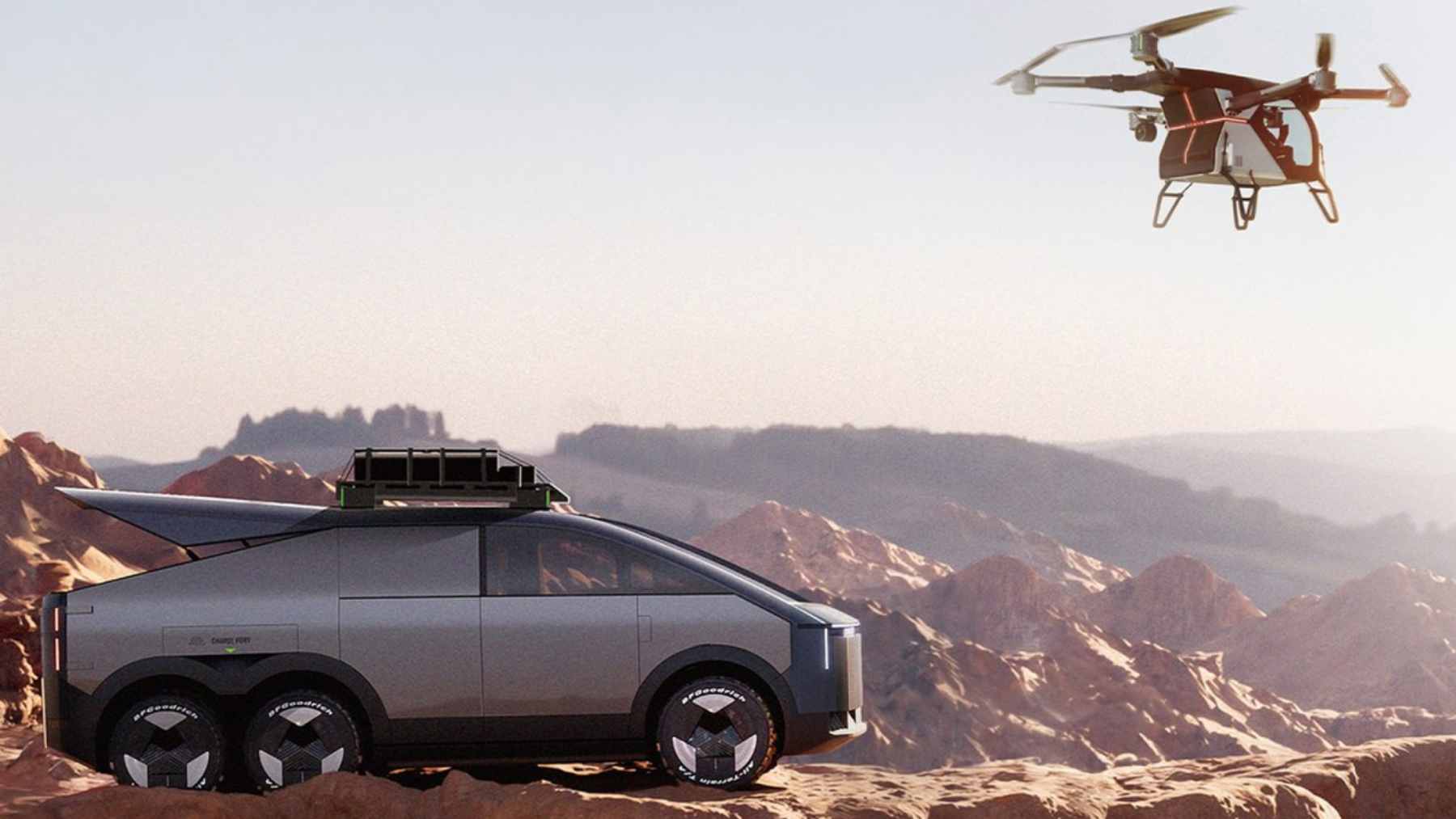
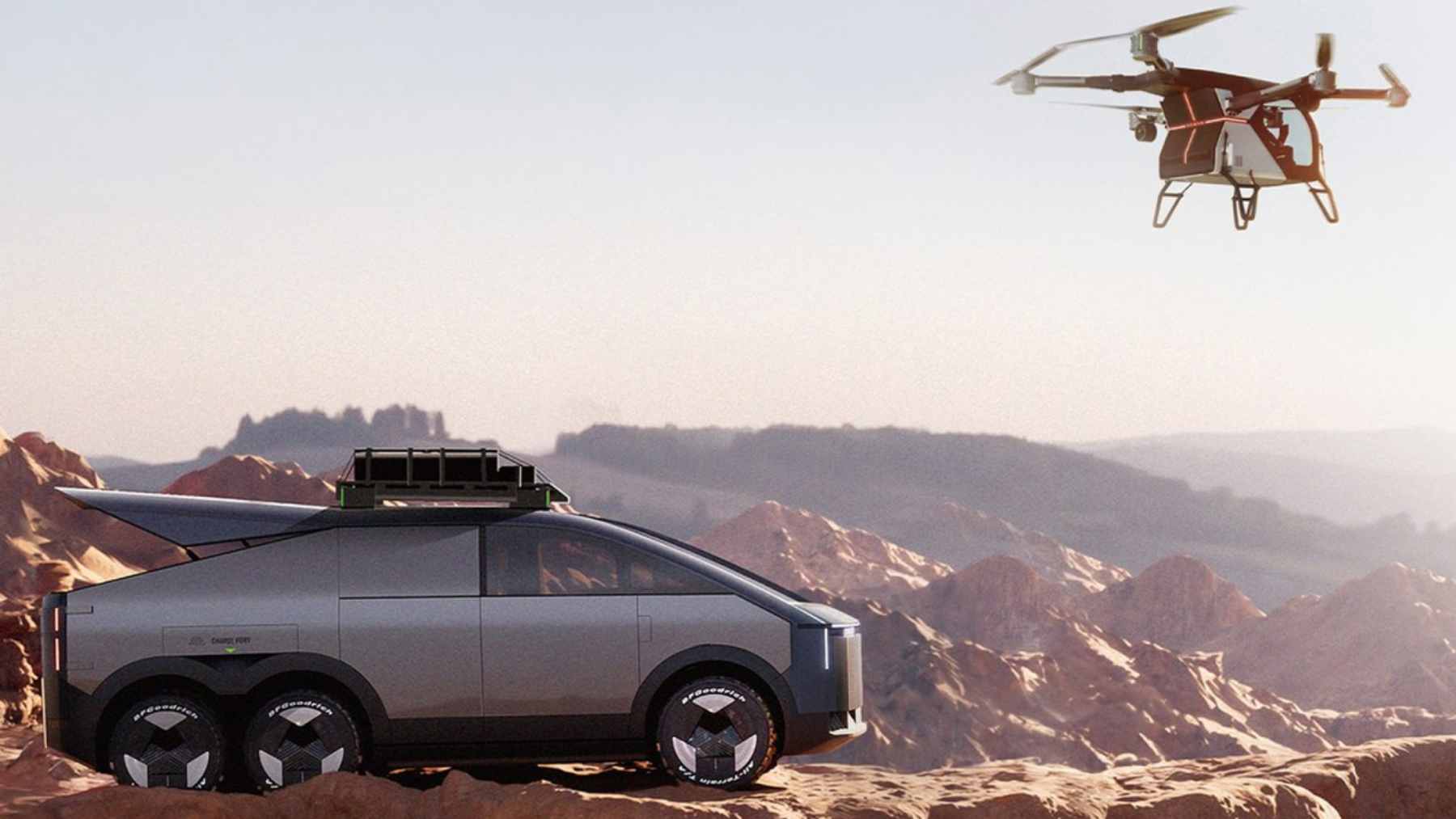
The Land Aircraft Carrier is not exactly the flying sedan people might imagine. It is a two-part machine, with a six-wheel ground vehicle that carries and charges a detachable aircraft module.
That air module is an electric vertical take-off and landing aircraft with a six-rotor, dual-duct design, foldable blades, and foldable arms. ARIDGE describes the ground vehicle as a four-seat “mother ship” that can fit into standard parking spaces and be driven with a standard license.
In practical terms, the vehicle is closer to a mobile garage for a small aircraft than a normal EV that suddenly sprouts wings. The ground platform uses an 800-volt range-extended system, with a claimed CLTC combined range of more than 621 miles, and ARIDGE says a full charge can support up to six flights for the aircraft module.
Why the 2027 date matters
The big date is not just about production. It is about whether a new kind of personal aviation can clear the slow, careful process of regulation.
Reuters reported that XPeng expects early deliveries late in 2026 and full-scale delivery in 2027, while the company continues seeking approval from Chinese aviation authorities. That detail matters because even a finished factory cannot put thousands of aircraft into everyday use without permission to fly them safely.
ARIDGE says it has completed an intelligent manufacturing facility in Guangzhou with capacity for up to 10,000 units per year. The company also says customer deliveries are scheduled to begin in 2026, supported by its ongoing airworthiness certification process with China’s civil aviation regulator.
A bet on personal flight
Most air-taxi projects are built around shared rides, airport transfers, or scheduled urban routes. XPeng’s idea feels different because it is aiming, at least to a large extent, at private ownership.
That could be its biggest selling point and its biggest headache. A vehicle like this asks buyers to think not only about price, but also about training, landing space, insurance, weather, maintenance, and what happens when hundreds of similar machines want to use the same low-altitude airspace.
The supplied background material notes that specialist estimates have placed early personal eVTOL prices in the $200,000 to $300,000 range, although ARIDGE has not officially confirmed a final consumer price. At that level, the first buyers would likely be wealthy individuals, specialist operators, or commercial partners rather than ordinary commuters.
The green question
There is also an environmental question hiding behind the spectacle. An electric flight module can reduce local exhaust compared with a gasoline aircraft, but that does not automatically make the whole system green.
Batteries must be made, charged, maintained, and eventually replaced. A six-wheel carrier vehicle also takes materials, road space, and energy. If the power comes from cleaner grids, the climate case improves. If it simply adds short luxury flights to already crowded cities, the benefit becomes harder to defend.
Noise may be just as important. People might admire a flying car at an auto show, but they may feel very differently if rotor noise becomes part of the evening routine above their neighborhood. That is where the future of low-altitude mobility stops being a gadget story and becomes an urban planning story.
Regulators are catching up
The United States is also preparing for this new aircraft category, although XPeng’s current push is centered on China and international markets such as the Middle East.
The Federal Aviation Administration issued its final rule for powered-lift operations in October 2024, covering pilot and instructor certification as well as operating rules for aircraft that share traits with helicopters and airplanes.
That does not mean vehicles like the Land Aircraft Carrier can simply arrive in American suburbs tomorrow. It means regulators are building the lanes, slowly and cautiously, for a future where air taxis and other vertical-lift aircraft could operate alongside today’s helicopters and planes.
For China, the key test will be whether industrial speed can match aviation safety. XPeng and ARIDGE may be able to build vehicles quickly, but aviation does not move at the same pace as consumer electronics. One missing approval can keep an entire fleet on the ground.
What happens next
ARIDGE has already shown it wants to go beyond China. In Dubai, the company announced 600 regional orders for the Land Aircraft Carrier and said the Middle East is expected to become its first international consumer market, with retail sales projected as early as 2027.
That international push makes sense. Wealthy markets with open space, ambitious infrastructure plans, and friendly regulators could give flying cars an easier first runway than dense cities with older transport systems.
Still, the main question remains simple: will people treat this as a real mobility tool, or as an elite toy with spectacular engineering? The answer will depend on price, safety, regulation, and whether the environmental case holds up outside promotional videos.
For now, XPeng’s Land Aircraft Carrier is one of the clearest signs that the flying-car race has moved from fantasy into manufacturing. The sky may be the headline, but the ground will decide whether it works.
The official press release was published on Newsfile.