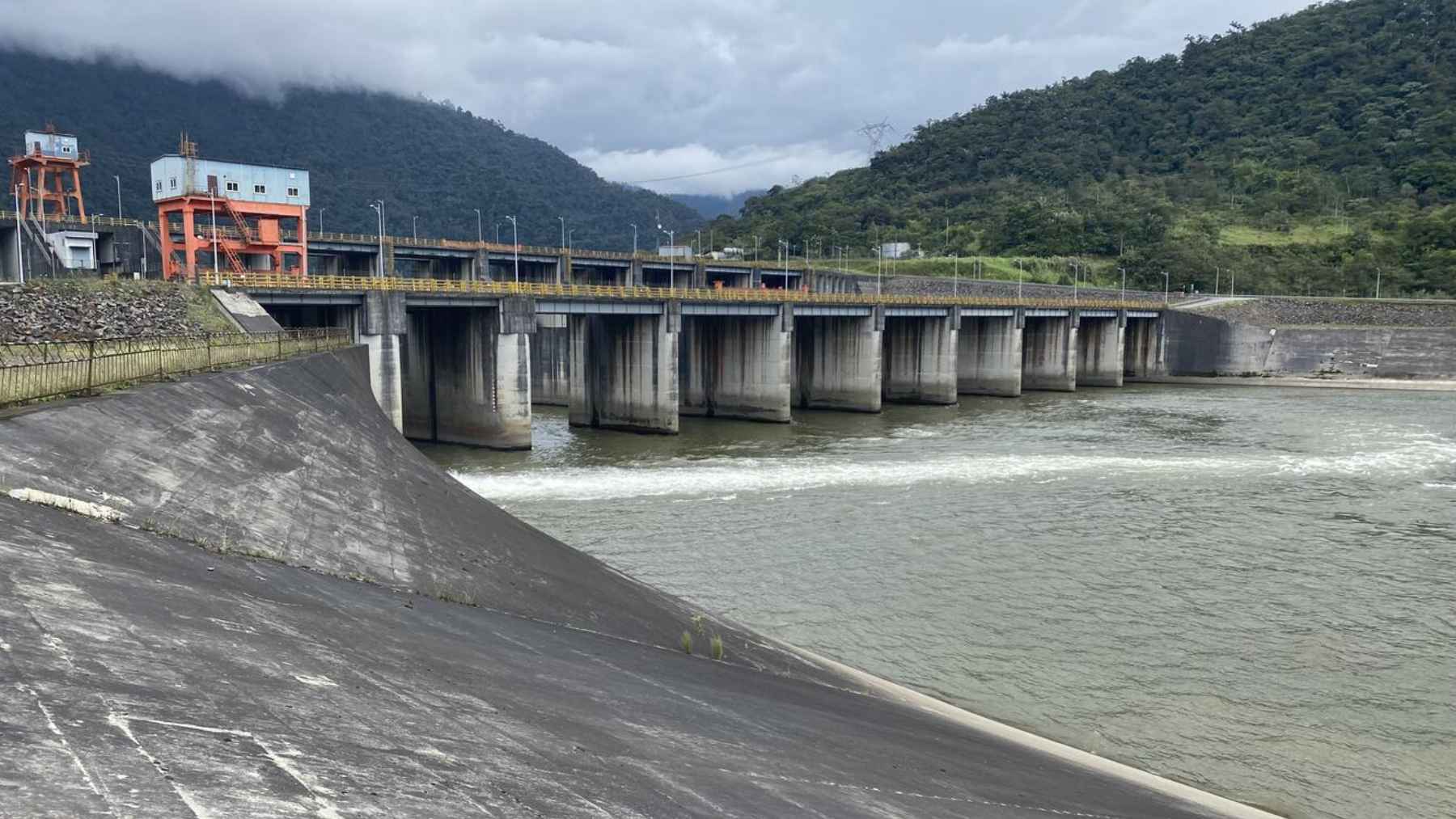
Ecuador’s Coca Codo Sinclair hydropower plant supplies roughly 20% to 30% of the country’s electricity, yet its future is under pressure from thousands of documented fissures and the advancing erosion of the Coca River.
A new report from Latinoamérica Sustentable argues that these problems were not isolated surprises, but the result of rushed planning, weak oversight, and poor risk management by the China Ex-Im Bank and builder Sinohydro.
The timing makes those findings more than a look back at old mistakes.
Ecuador formally accepted the plant in April 2026 and is discussing a possible 25-year operation and maintenance arrangement with PowerChina, Sinohydro’s parent company, although state utility CELEC says no final concession has been signed and the allocation of risks still has to be defined. So who carries the risk if the river or machinery fails next?
A national power asset under strain
The 1,500-megawatt facility is Ecuador’s largest power generation project and, according to the report, the first major Chinese-built hydroelectric plant in Latin America. When one site carries this much of a national grid, an engineering problem quickly becomes an issue for factories, hospitals, stores, and homes.
A 2022 oversight report cited by the researchers counted 17,661 fissures detected from 2015 through 2022 in key components known as turbine distributors. Many were repaired, but some could not be reached and others may have returned, meaning the number that remains is unknown.
The project was redesigned in a rush
Earlier feasibility work identified a plant with 859 megawatts of capacity, but the project was redesigned for 1,500 megawatts in a compressed period. The researchers say Sinohydro was selected before the updated studies were finished and before the higher capacity had received formal approval.
The environmental assessment also leaned on decades-old studies and data gathered for an oil pipeline, without fully updated information on ecological flows and river sediment. That matters in a basin shaped by an active volcano, earthquake history, steep terrain, unstable soils, and heavy sediment loads.
Engineers were building a giant machine in a river system that refuses to sit still.
The bank and builder face scrutiny
The report says the China Ex-Im Bank already had tools and government-backed guidance for identifying geological, environmental, and social risks when it approved financing in 2010.
Even so, the researchers found no evidence of robust independent due diligence, effective on-site monitoring, required sustainability reports, or suspended payments when serious warnings appeared.
The central issue is shared responsibility. The report says the financing and construction model “prioritized speed of execution over technical and environmental rigor,” while arguing that Sinohydro moved ahead without updated studies and quality controls suited to the site.
Sediment decisions raised the stakes
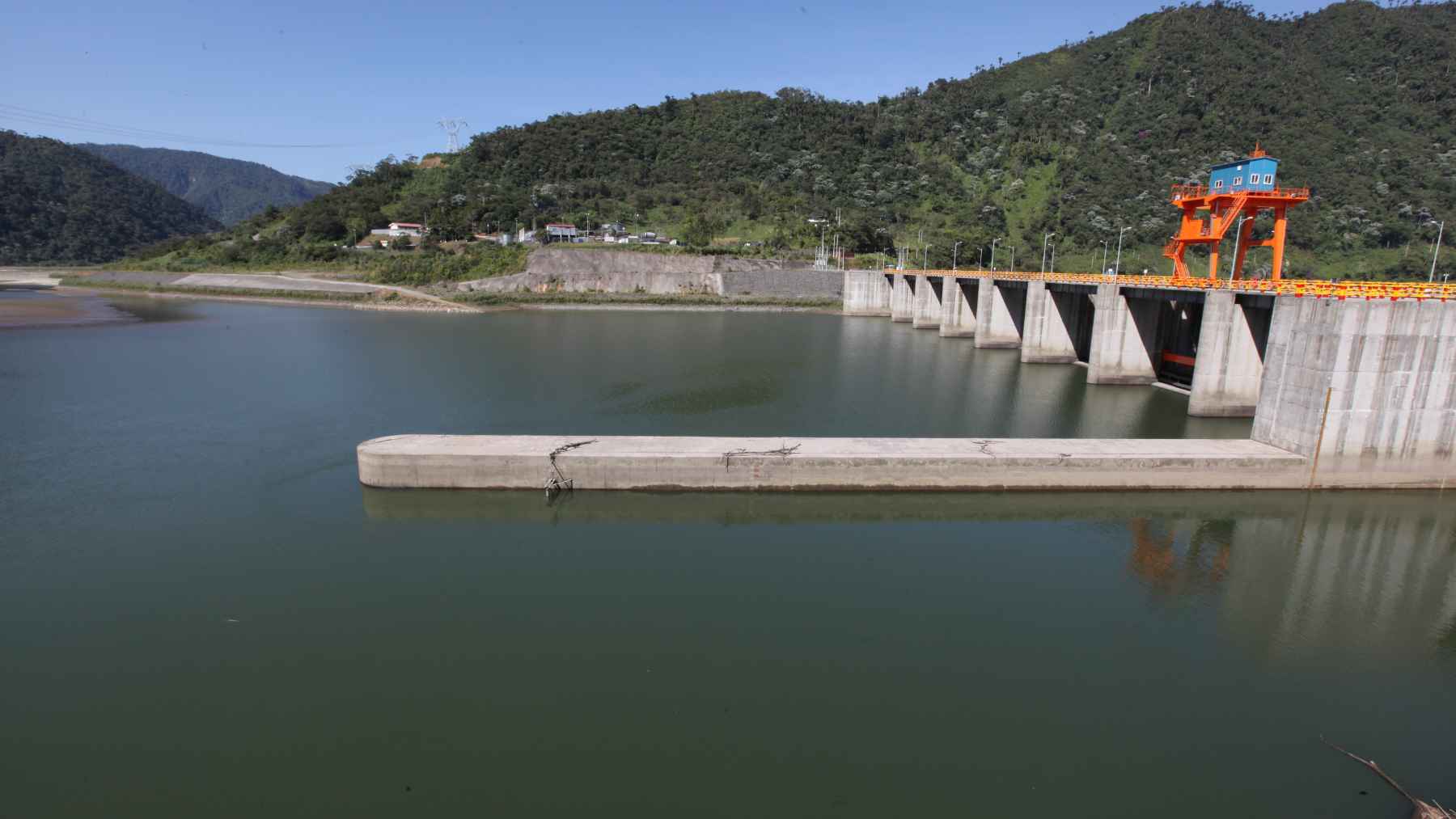
One design choice now looks especially important. Sinohydro removed bottom outlet gates that had been included in earlier plans to help move coarse sediment through the intake area, a change the report says reduced the plant’s ability to manage the Coca River’s heavy load.
The researchers also link the distributor fissures to manufacturing and installation failures, including non-approved materials and omitted heat treatment after welding. These are the report’s findings rather than a final court ruling, but they help explain why Ecuador took the dispute to international arbitration.
Erosion is the biggest unknown
The disappearance of the San Rafael waterfall in 2020 was the first dramatic sign of regressive erosion, a process in which the river channel breaks down and moves upstream. Since then, the shifting canyon has damaged roads and oil pipelines, contributed to major spills, and forced some nearby residents from their land and homes.
Experts still debate whether the hydropower project caused or accelerated the phenomenon. The report says sediment retention may have played a role and places the erosion front about 2.2 miles from the intake works. Should it reach that infrastructure, the plant could lose its ability to generate electricity.
The PowerChina deal remains unsettled
An April 2026 settlement ended the arbitration and included $400 million in compensation, split between a $200 million cash payment and $200 million for renewable power projects. CELEC said Ecuador would retain ownership and strategic control, preserve certain guarantee rights, and seek specialized operation and maintenance from PowerChina.
But the government’s latest clarification described the proposal as an associative management model, not a completed concession contract. CELEC said the scope and risk allocation would be worked out later, while the report’s authors warn that returning operations to the same corporate group could make past and future responsibilities harder to separate.
Why Latin America should watch
The researchers present Coca Codo Sinclair as a warning for other Chinese-backed hydropower projects in the region. They point to the Santa Cruz dams in Argentina, Ivirizu in Bolivia, and Rucalhue in Chile as cases where questions about studies, structural performance, local opposition, or regulatory limits also deserve attention.
The larger lesson is uncomfortable but simple. Renewable infrastructure is not sustainable just because it generates low-carbon electricity. Strong studies, open contracts, independent monitoring, community access to information, and clear responsibility for damage still matter.
The next decision matters most
Ecuador cannot casually lose a plant that provides up to 30% of its electricity. But urgency should not become another excuse for secrecy, which is why any agreement should make the repair duties, erosion risks, performance standards, costs, and public oversight rules visible before operations change hands.
The question is not whether Ecuador should work with PowerChina. It is whether the next agreement makes responsibility clear before the river or the machinery forces the issue again.
The report was published on Latinoamérica Sustentable.