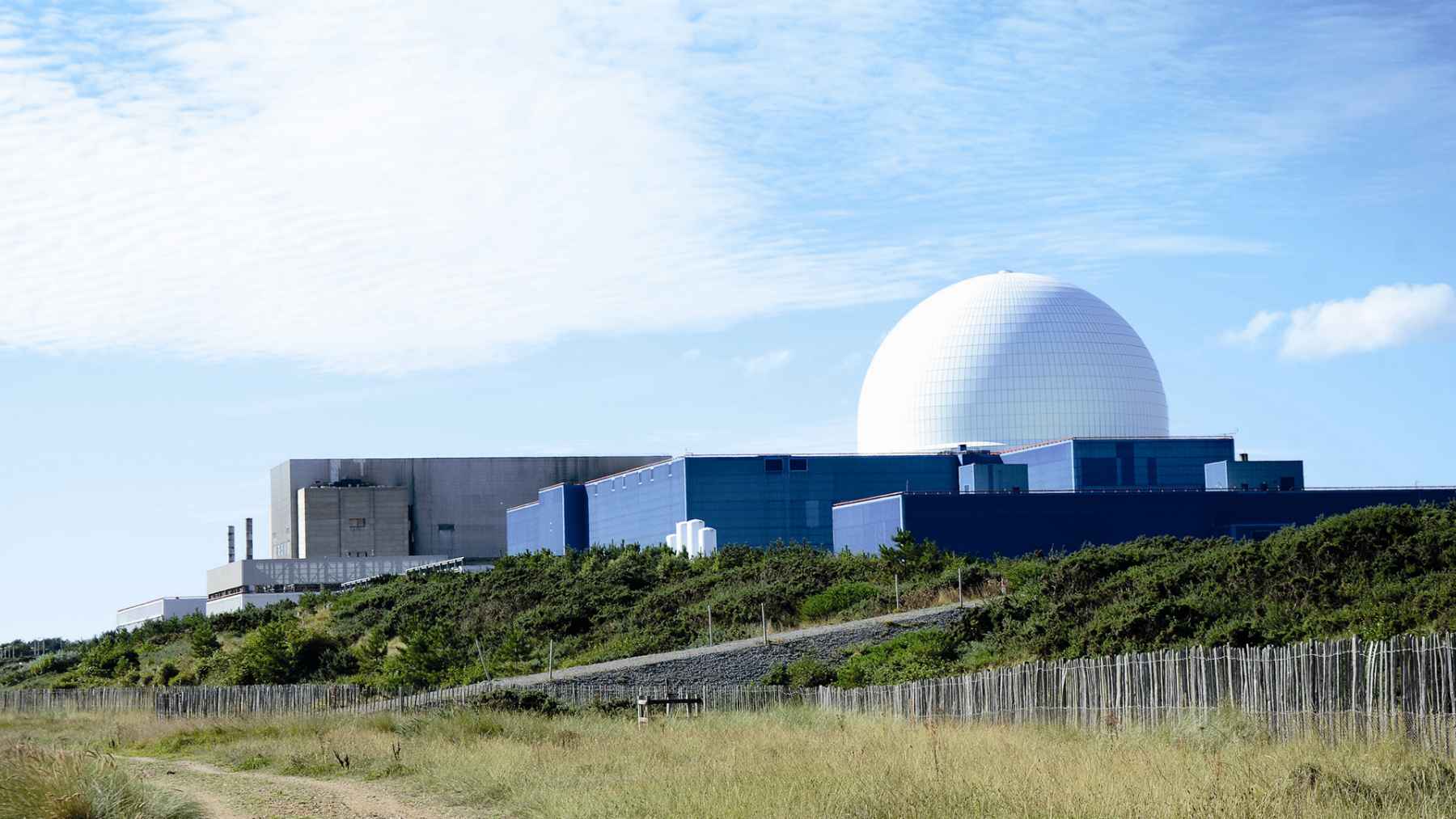
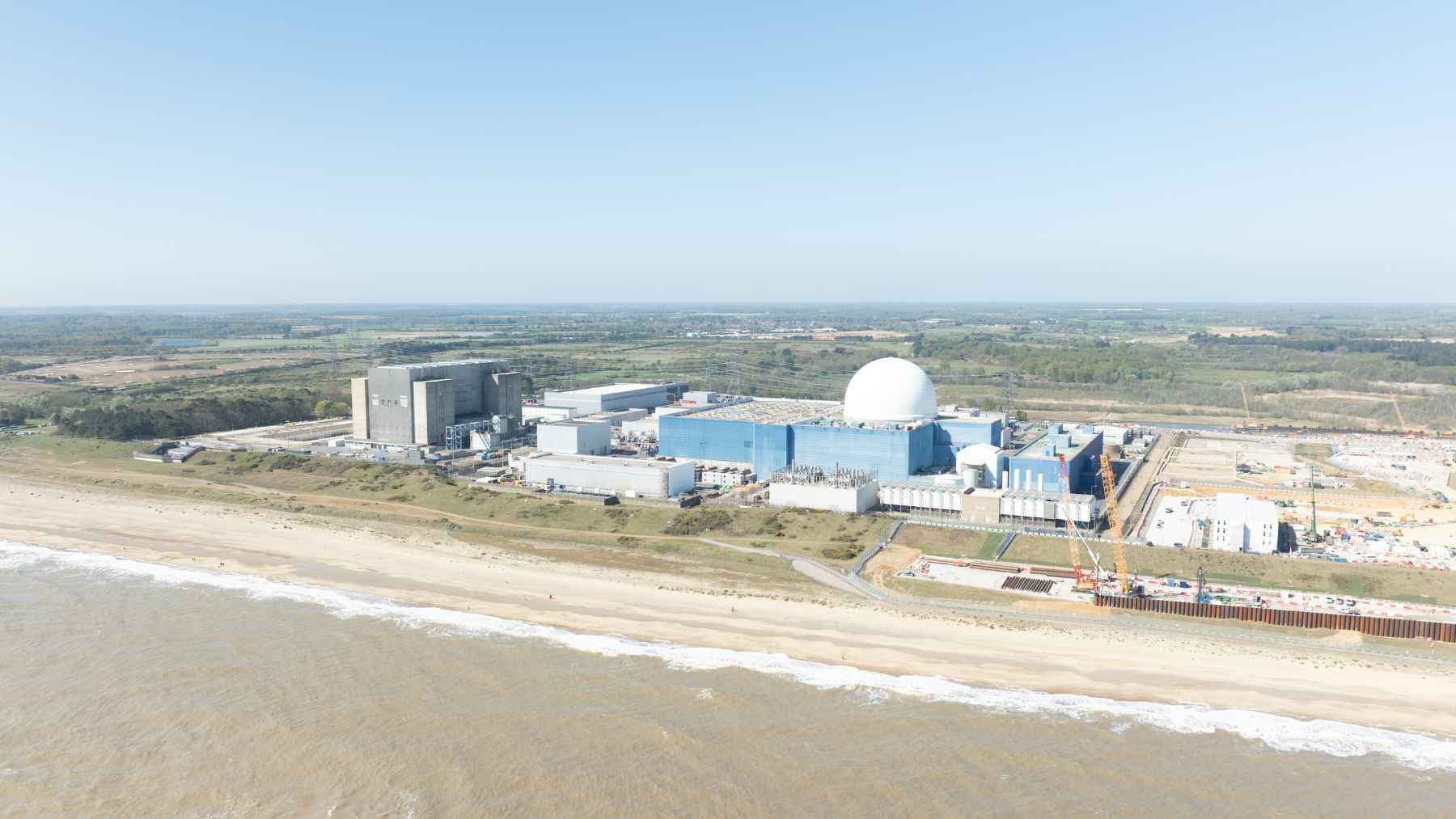
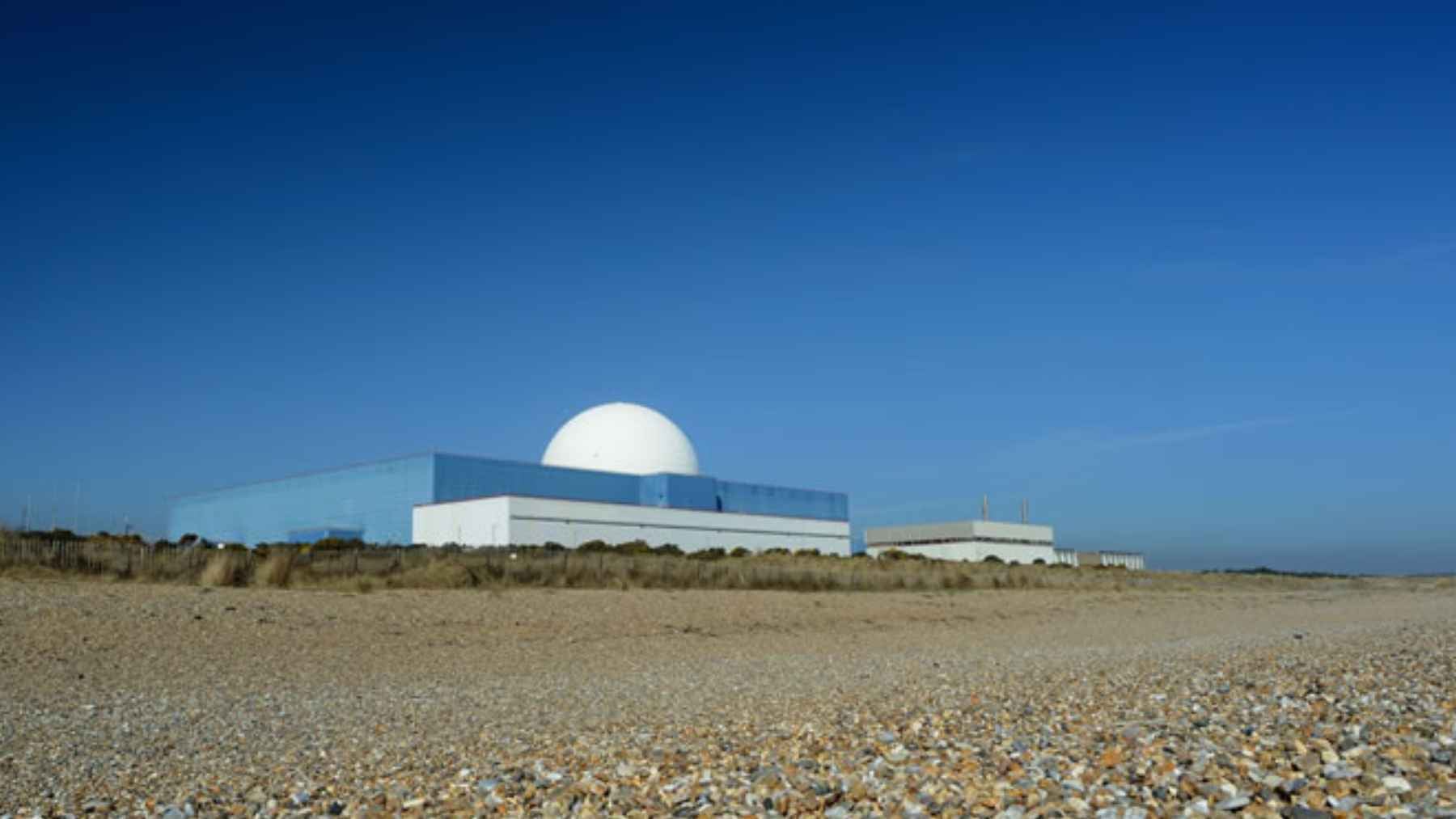
Britain has chosen to keep its newest operating nuclear plant running two decades longer, giving Sizewell B a path to generate electricity until 2055. Official EDF figures put the station at 1,198 megawatts, or about 1.2 gigawatts, and the plant currently supplies roughly 3% of the country’s electricity needs.
This is not a vote for nuclear power over renewables. It is closer to an insurance policy for a grid trying to reach at least 95% low-carbon generation by 2030 while building wind farms, solar projects, storage, and power lines at the same time.
A 20-year lifeline
Sizewell B began generating in 1995 and had been expected to close in 2035. Under the heads of terms signed by the government and EDF, the energy group plans to fund a refurbishment worth about $1.07 billion using the European Central Bank’s reference exchange rate for July 8, 2026.
The upgrades will be spread across planned outages over the next 15 years, reducing the need for one long shutdown. EDF says the extension could add about 180 terawatt-hours of electricity and retain roughly 900 skilled jobs in Suffolk, while Ed Miliband, who was Energy Secretary when the deal was announced, called nuclear power “vital for our energy security.”
How the price guarantee works
The proposed deal uses a 20-year Contract for Difference beginning in 2035. Its strike price is roughly $94 per megawatt-hour in 2025 prices, while Centrica will support the investment through its 20% ownership stake in the station.
The contract sets a reference price for Sizewell B’s electricity. When the wholesale market price falls below that level, the Low Carbon Contracts Company pays the generator the difference, but when the market rises above it, the generator pays the excess back.
There is an important catch. The long-form contract has not yet been completed, and the life extension still requires regulatory approvals, so this is a major milestone rather than the final legal word.
Britain’s nuclear handoff
Timing explains why Britain is extending an older plant while also building new reactors. Hartlepool and Heysham 1 are currently expected to generate until March 2028, while Heysham 2 and Torness are forecast to continue until 2030.
EDF is organizing Hinkley Point C around its first reactor starting in 2030. Sizewell C and the first Rolls-Royce small modular reactors at Wylfa are expected to add new capacity during the 2030s, but that schedule leaves little room for another major construction delay.
Sizewell B therefore acts as a bridge across a fragile transition. It cannot replace every retiring reactor, but keeping 1.2 gigawatts online gives grid planners more breathing room and reduces pressure to fill a shortfall with imported electricity or additional gas-fired generation.
Nuclear alongside wind and solar
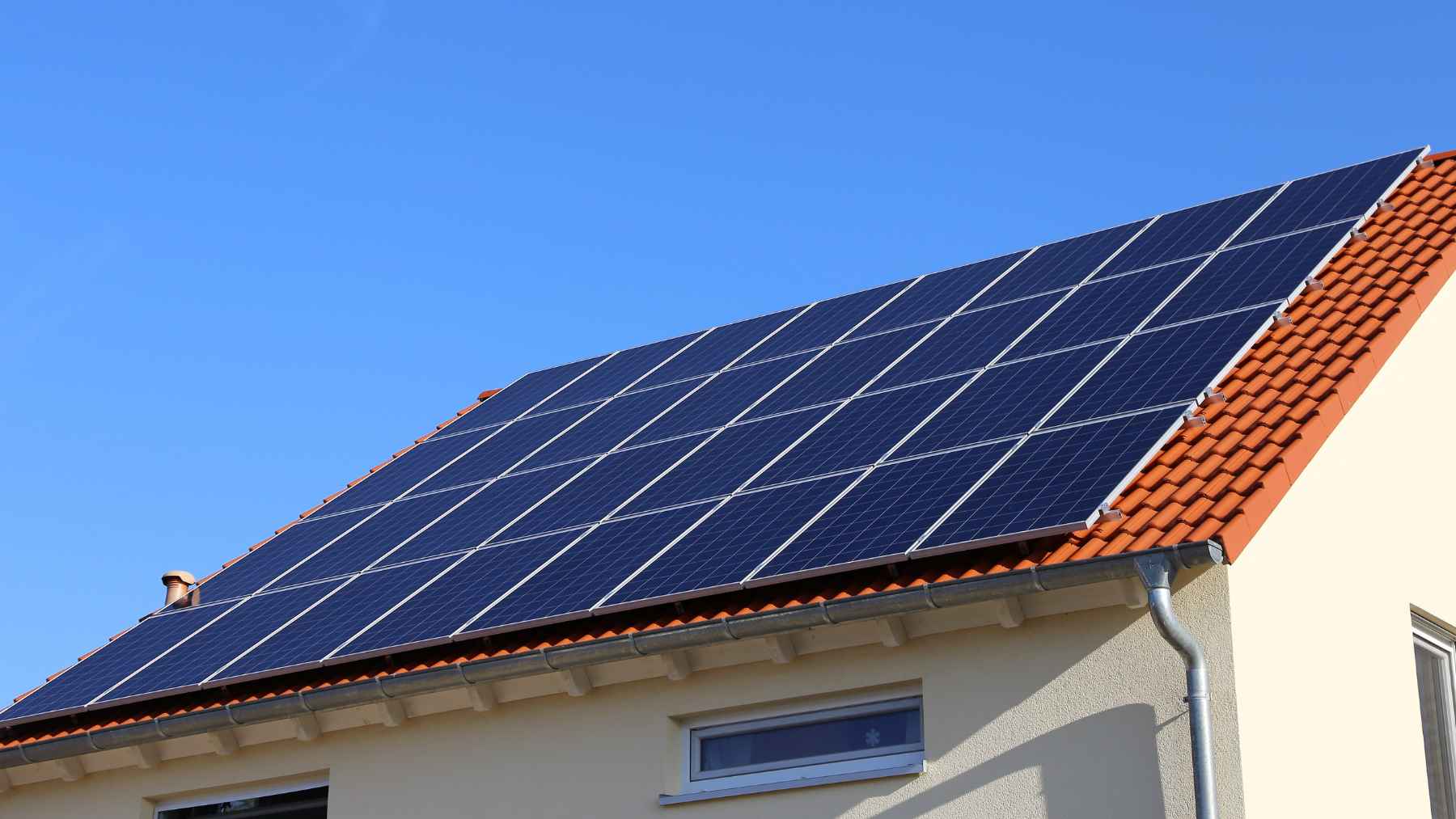
The Sizewell decision does not signal a retreat from renewable energy. On the same day, the government approved One Earth Solar Farm, a project that its developer says could supply more than 200,000 homes each year.
That mix matters. Nuclear plants provide steady output in most weather, while wind and solar can deliver large volumes of low-cost electricity when conditions are favorable. Batteries, flexible demand, stronger grids, and some backup generation are still needed to keep supply and demand matched hour by hour.
The strategy is not nuclear or renewables. It is nuclear with renewables, supported by the less visible equipment and market rules that keep the lights on when the weather or demand changes.
What consumers should watch
The government estimates that Sizewell B would have saved consumers about $2.67 billion if the proposed contract had been operating during the energy price crisis that followed Russia’s invasion of Ukraine. That is a backward-looking model, not a promise that household bills will fall by the same amount in the future.
The real value will depend on wholesale power prices, inflation adjustments, plant availability, refurbishment costs, and whether the reactor continues to meet strict safety standards. EDF plans to replace piping, valves, and pumps, add automated plant monitoring, and install a new environmental monitoring system during regular outages.
For households, the project is easy to overlook because nothing changes when a light switch is flipped. But preserving a large block of domestic, low-carbon electricity may prove valuable if new reactors arrive late or fossil fuel markets become volatile again.
A wider energy bet
Britain’s nuclear plan now stretches from Sizewell B’s refurbishment to the construction of Sizewell C and the first small modular reactor fleet at Wylfa. Together with Hinkley Point C, those new projects are expected to add almost 8 gigawatts of capacity during the 2030s.
Sizewell B is the practical piece of that larger vision. It buys time, keeps experienced workers in the industry, and gives the country a firmer platform while newer technologies move from construction sites and factory plans onto the grid.
That is the bet now moving toward a final contract and regulatory review.
The press release was published by GOV.U.K..