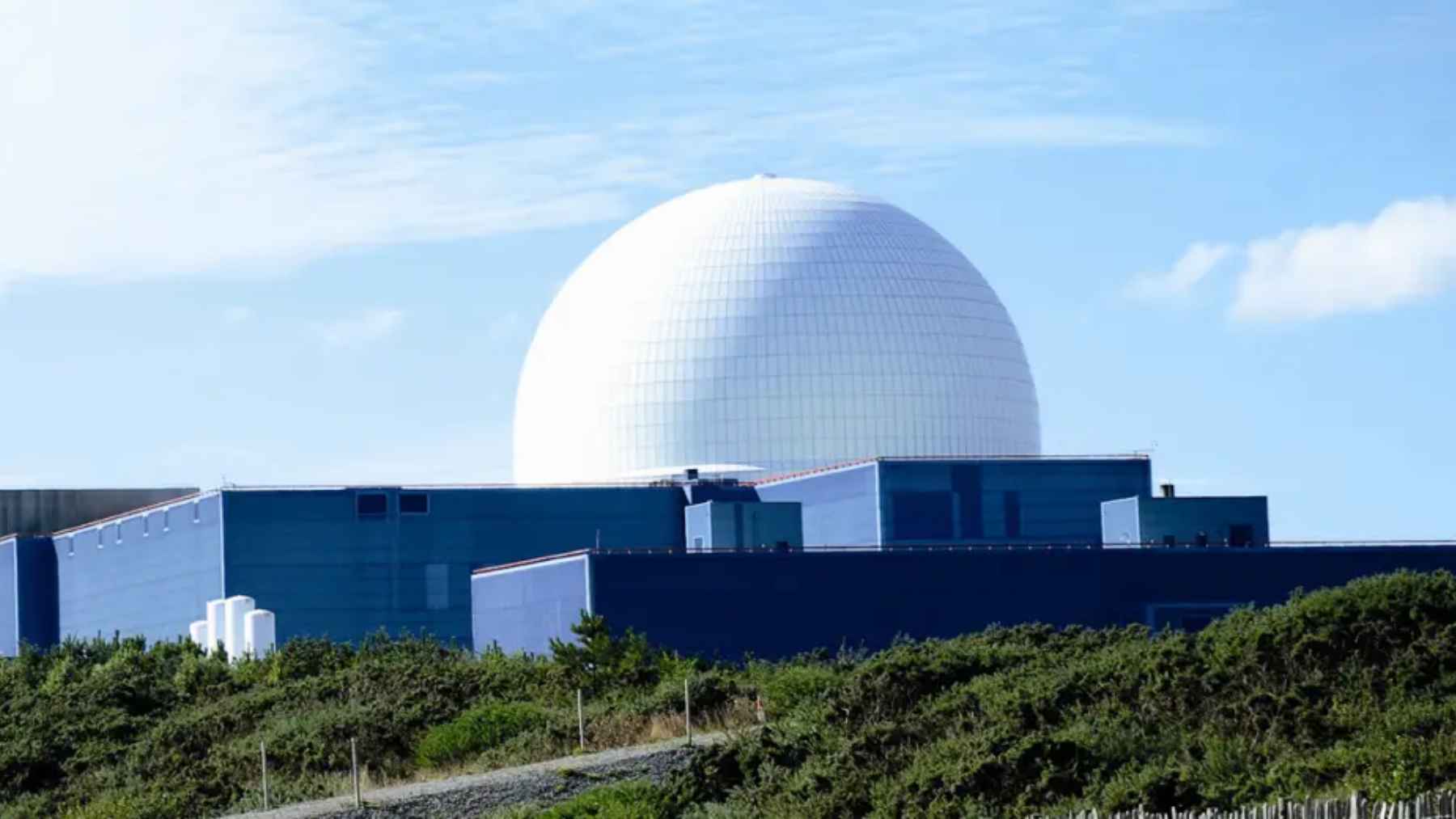
Britain has moved to keep Sizewell B, its most modern operating nuclear power station, generating electricity until 2055, adding 20 years to a plant once expected to close in 2035. The Suffolk reactor currently supplies about 3% of the UK’s electricity, enough to match the annual needs of roughly 2.5 million homes.
At first glance, it looks like a straightforward life extension. In practical terms, it is a bridge between an aging nuclear fleet and a future in which electric vehicles, low-carbon heating, industry, and data centers could push power demand far higher. The commercial outline is in place, but the final contract and continuing safety reviews still matter.
A 20-year bridge
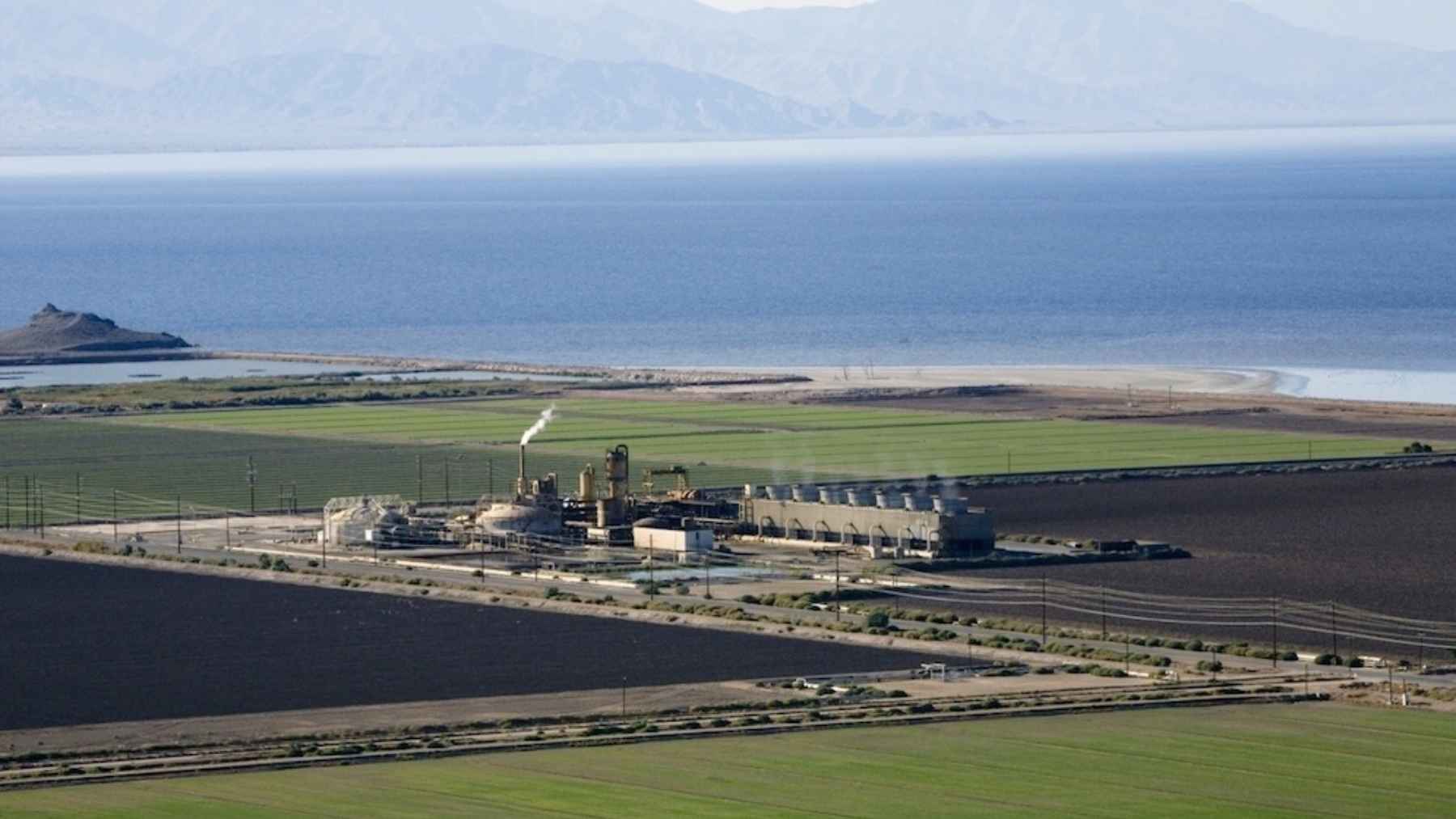
Sizewell B first synchronized with the grid in February 1995 and remains the UK’s only pressurized water reactor. Its 1,198-megawatt unit produces about 9 billion kilowatt-hours a year on average, and EDF says it has generated more than 270 billion kilowatt-hours since commissioning.
If the plant maintains that pace through the added period, EDF estimates it could deliver around 180 billion more kilowatt-hours. That is not a flashy new technology arriving on a launchpad; it is existing steel, staff, and grid infrastructure being asked to do another long shift.
How the deal works
The government and EDF Electric and Gas have signed heads of terms for a 20-year Contract for Difference beginning in 2035. The strike price is equivalent to about $94 per megawatt-hour at the Federal Reserve’s July 8, 2026 exchange rate, though the official figure is quoted in 2025 British-pound prices and the dollar conversion will move with currencies.
What does that mean for a household paying an electric bill? Under a two-way Contract for Difference, the generator receives support when the reference market price falls below the agreed level and pays money back when the market price rises above it. The mechanism gives EDF revenue certainty while limiting windfall gains when wholesale prices spike.
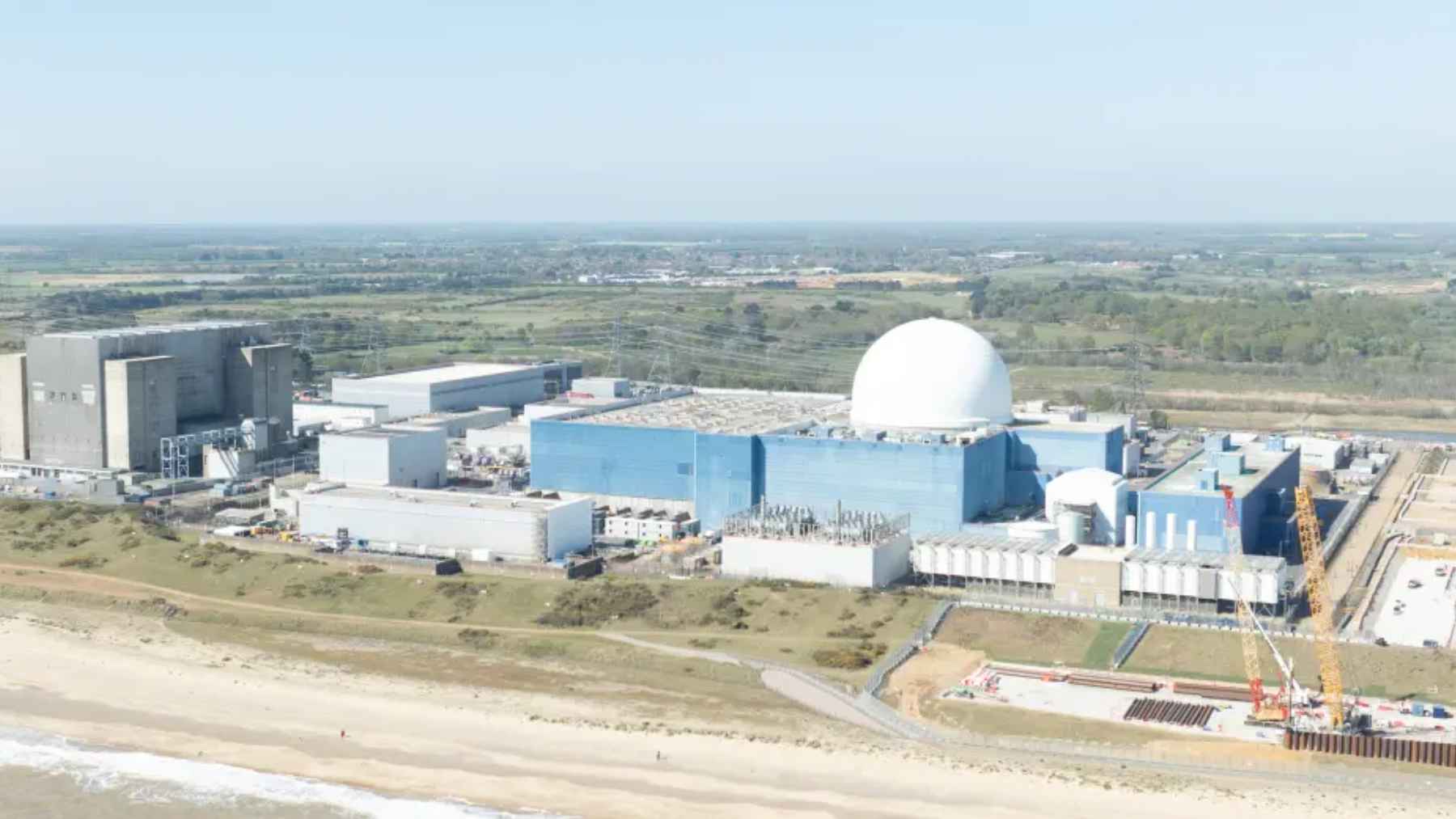
EDF plans a refurbishment program worth about $1.07 billion at that same exchange rate, with work folded into scheduled maintenance outages that occur about every 18 months.
The program includes new environmental and automated monitoring systems, plus replacement pipes, valves, and pumps. Centrica, which owns 20% of the station, is supporting the investment alongside EDF.
Why demand matters
Keeping one reactor open matters because Britain’s electricity system is preparing for a much larger workload. The National Energy System Operator says annual demand could rise from about 290 billion kilowatt-hours today to as much as 785 billion by 2050 under its net-zero pathways. That is close to a threefold increase, not a small bump.
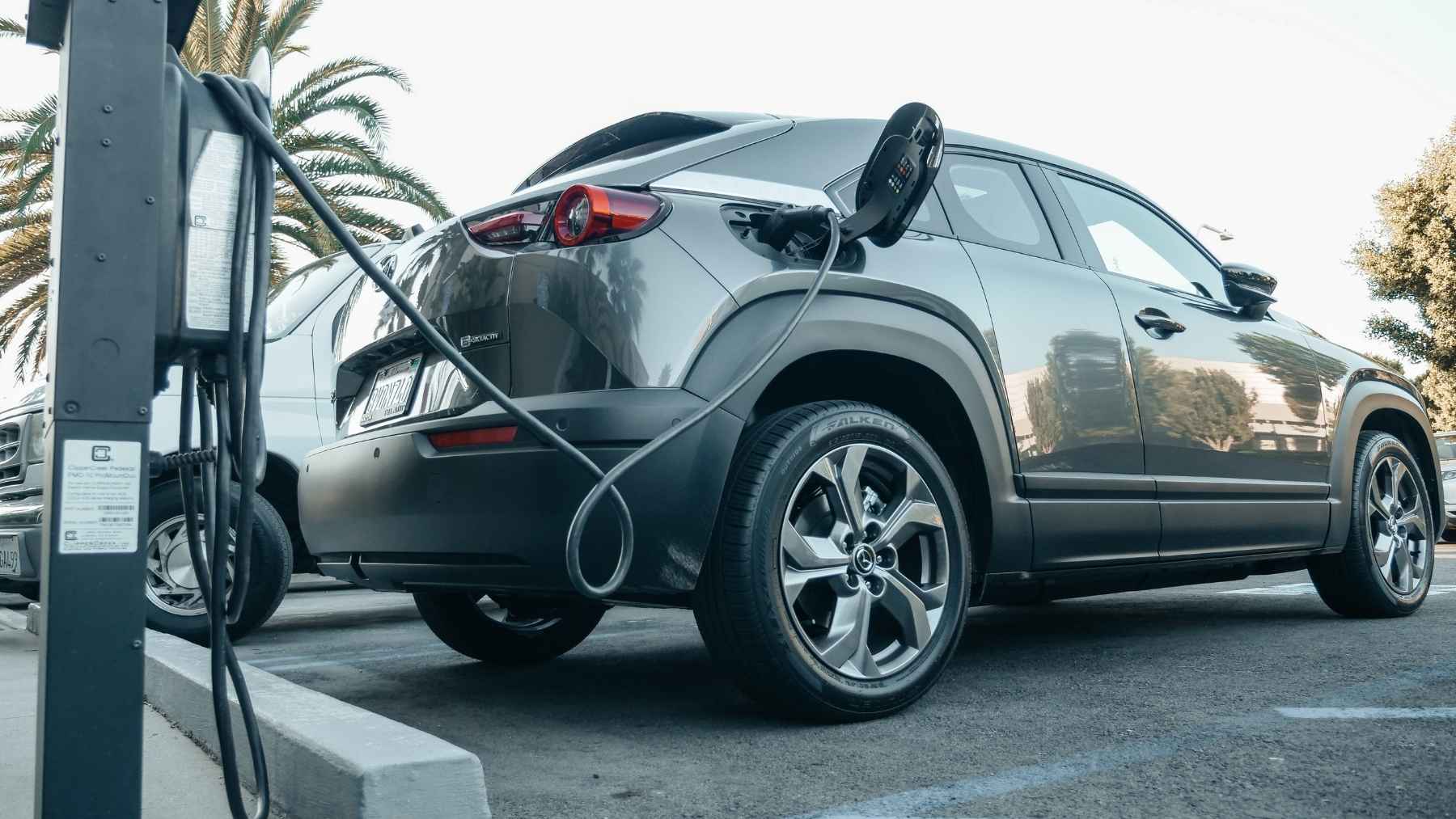
Cars charging overnight, heat pumps warming homes, and servers humming inside data centers all pull from the same grid. Sizewell B cannot meet that growth by itself, but its steady output can reduce the amount of replacement capacity Britain must build while other projects catch up. That is why the extension is best understood as breathing room.
The environmental balance
Nuclear power produces no carbon dioxide at the point of generation, but it is not impact-free. Longer operation also means continued responsibility for spent fuel, coastal and environmental monitoring, and equipment that will be decades old. The green case depends on disciplined maintenance and oversight, not simply on keeping the turbines turning.
What does it take to operate a plant for 60 years instead of the previously planned 40? The Office for Nuclear Regulation says Sizewell B must continue operating under a valid safety case, with updated security plans, reliable equipment, and enough skilled people for the full extended period. In other words, the commercial deal does not replace technical scrutiny.
Government modeling says consumers might have saved about $2.67 billion, using the same exchange rate, if the contract had covered Sizewell B during the energy-price crisis after Russia invaded Ukraine. That is a counterfactual estimate, not a promise of future bill cuts.
Still, it shows why officials see existing nuclear energy as a hedge against volatile fossil-fuel markets.
Buying time for new nuclear
Britain is already extending other aging reactors. Heysham 1 and Hartlepool are now expected to generate until March 2028, while Heysham 2 and Torness are forecast to continue until 2030, subject to safety and plant performance. Sizewell B is different because its pressurized water design is more modern and its proposed extension reaches much further.
Meanwhile, Hinkley Point C’s first unit is organized around a 2030 start, while Sizewell C and the first small modular reactors are planned for the 2030s. The trouble is familiar to anyone who has watched a major infrastructure project. Schedules can move, costs can rise, and an old plant can only buy so much time.
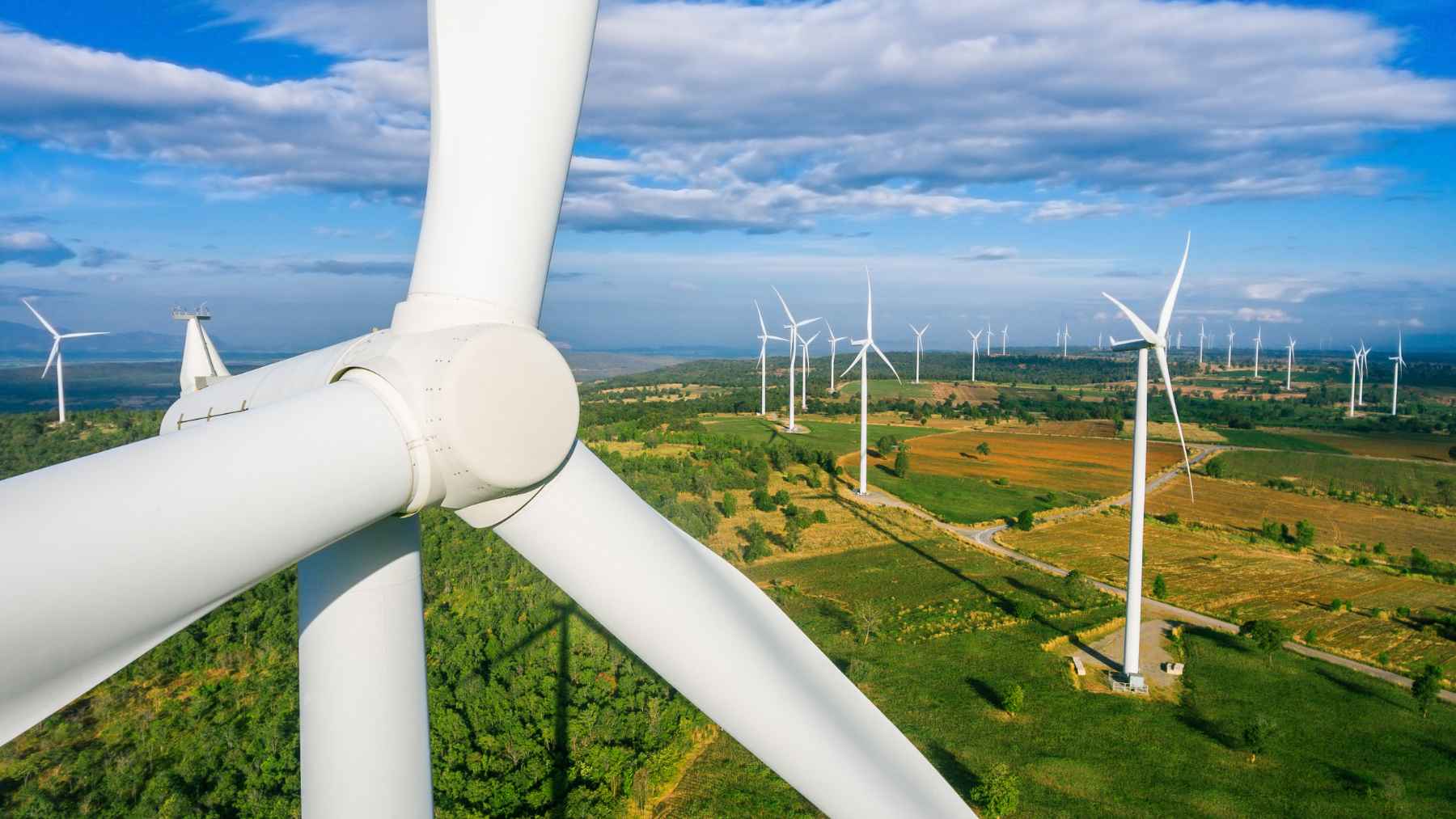
The broader strategy also includes wind and solar rather than nuclear alone. On the same day as the Sizewell announcement, ministers approved the One Earth solar farm, which the developer says could power more than 200,000 homes. A resilient low-carbon grid will need both weather-dependent generation and sources that can run around the clock.
What still has to happen
The headline says Sizewell B will run to 2055, but one important piece remains unfinished. The government and EDF have agreed the heads of terms, while the long-form contract still needs to be completed and the station must continue meeting regulatory safety and security requirements. EDF said the final Contract for Difference is expected later in 2026.
For Suffolk, the decision also supports around 900 skilled jobs and gives suppliers a longer planning horizon. Energy Secretary Ed Miliband said, “Nuclear power is vital for our energy security,” but the real test will be whether the station remains safe, reliable, and cost-effective for another generation.
For now, Britain has chosen to keep a proven source of low-carbon power on the field while the rest of its energy system is rebuilt.
The press release was published on EDF Energy.