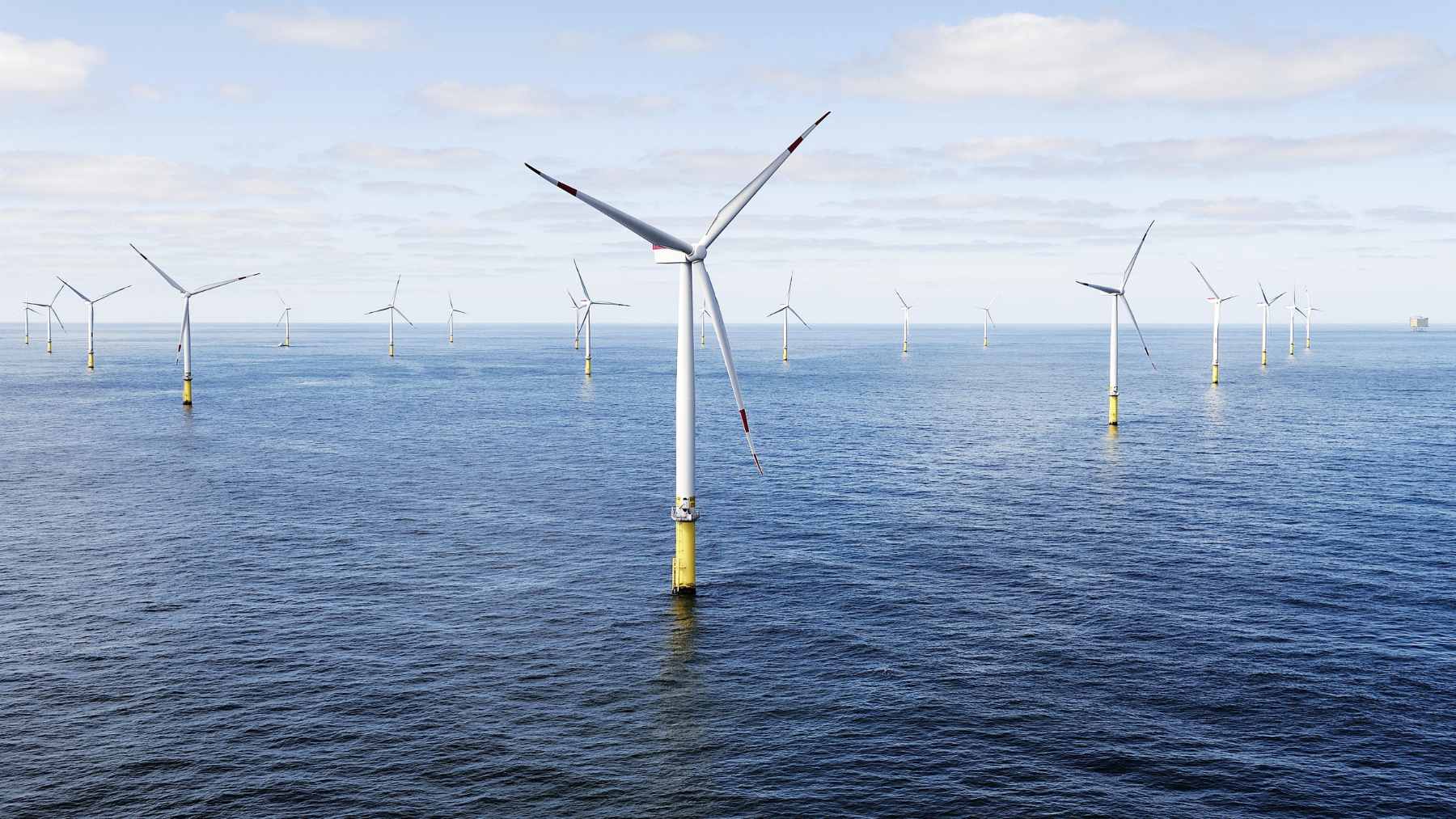
A cable has been pulled from the North Sea onto the Norfolk coast, and that quiet operation says a lot about where Britain’s energy system is heading. Hornsea 3, the 2.9-gigawatt offshore wind farm being built by Ørsted, has laid and pulled ashore its first export cable, giving the project its first physical route toward the UK grid.
This is not just another wind farm update. Hornsea 3 is expected to become the world’s largest offshore wind farm in 2027, and Ørsted says the £8.5 billion ($11.4 billion) project will produce enough renewable electricity for more than 3 million UK homes.
The cable that matters
The export link bundles two high-voltage direct current cables with a fiber optic cable that sends operating information back to the wind farm’s control systems. Once turbines spin, power will move to shore and then through more than 30 miles of underground onshore cable to a converter station at Swardeston, Norfolk.
It sounds technical, and it is. But this is the hidden part of clean energy, the part between a turbine at sea and the electric bill at home.
Why the scale matters
Hornsea 3 is about 100 miles off the Yorkshire coast and is Ørsted’s third gigawatt-scale project in the Hornsea zone. It follows Hornsea 1 and Hornsea 2, and the latest construction update says it will use Siemens Gamesa 14-megawatt turbines.
In practical terms, Hornsea 3 is a big piece of the UK’s clean-power puzzle. Duncan Clark, head of Ørsted UK and Ireland, said it “will be a cornerstone in achieving the UK government’s climate and clean energy targets” while supporting energy independence and jobs.
The government’s Clean Power 2030 Action Plan listed 14.8 gigawatts of installed offshore wind capacity in Q2 2024 and set a desired range of 43 to 50 gigawatts by 2030.
That does not mean anyone’s electric bill drops overnight. But by the UK government’s own estimate, domestic clean-power investment should reduce exposure to volatile gas prices over time, and that matters during summer heat waves or winter cold snaps.
The business behind the blades
Offshore wind is also an infrastructure finance race. Ørsted completed the divestment of a 50% stake in Hornsea 3 to Apollo-managed funds, and Apollo said its $6.5 billion commitment included the acquisition price plus funding for half of remaining construction costs.
Reuters reported that the sale came as Ørsted worked to restore investor confidence after supply-chain disruption, inflation, and uncertainty in the U.S. renewables market. That is the less glossy side of the energy transition, because even clean power has to survive spreadsheets.
There is a jobs angle, too. Ørsted has said Hornsea 3 will support up to 5,000 jobs during construction and up to 1,200 permanent roles, directly and in the supply chain, during operations.
The grid problem
The first cable coming ashore sounds like a finish line, but it is closer to the start of the next challenge. NKT began manufacturing the export cables three years ago and is expected to finish this summer, while Jan De Nul is due to transport and install 420 miles of export cable this year.
The UK government says clean power by 2030 will need 80 network and enabling infrastructure projects, plus around twice as much new transmission network infrastructure by 2030 as was built in the past decade. No upgraded grid, no clean power reaching the kettle, the office laptop, or the train platform.
The environmental tradeoff
For the most part, offshore wind is sold as a climate solution, and for good reason. Still, projects this large have to answer hard questions about wildlife, seabed work, fishing grounds, and coastal communities.
Hornsea 3 includes artificial nesting structures for black-legged kittiwakes as compensation for potential impacts on the species. Ørsted says it built three bespoke structures off Lowestoft’s South Beach and the RSPB Minsmere Nature Reserve coastline, while planning documents describe the measure as compensation for potential collision impacts.
The climate case may be strong, but success is not automatic. Experts and conservation groups have warned that these measures need careful monitoring.
Why defense is involved
There is another less obvious issue. Large wind farms can affect radar, which means clean-energy planning can cross into aviation and national defense.
The UK government’s Clean Power 2030 plan says wind turbine generation must not interfere with aviation and defense surveillance systems. It also says the Ministry of Defence has launched Programme Njord to identify and implement military radar mitigation.
That may sound far from daily life. Yet it is exactly the kind of detail that decides whether huge renewable projects can move from consent to construction.
What happens next
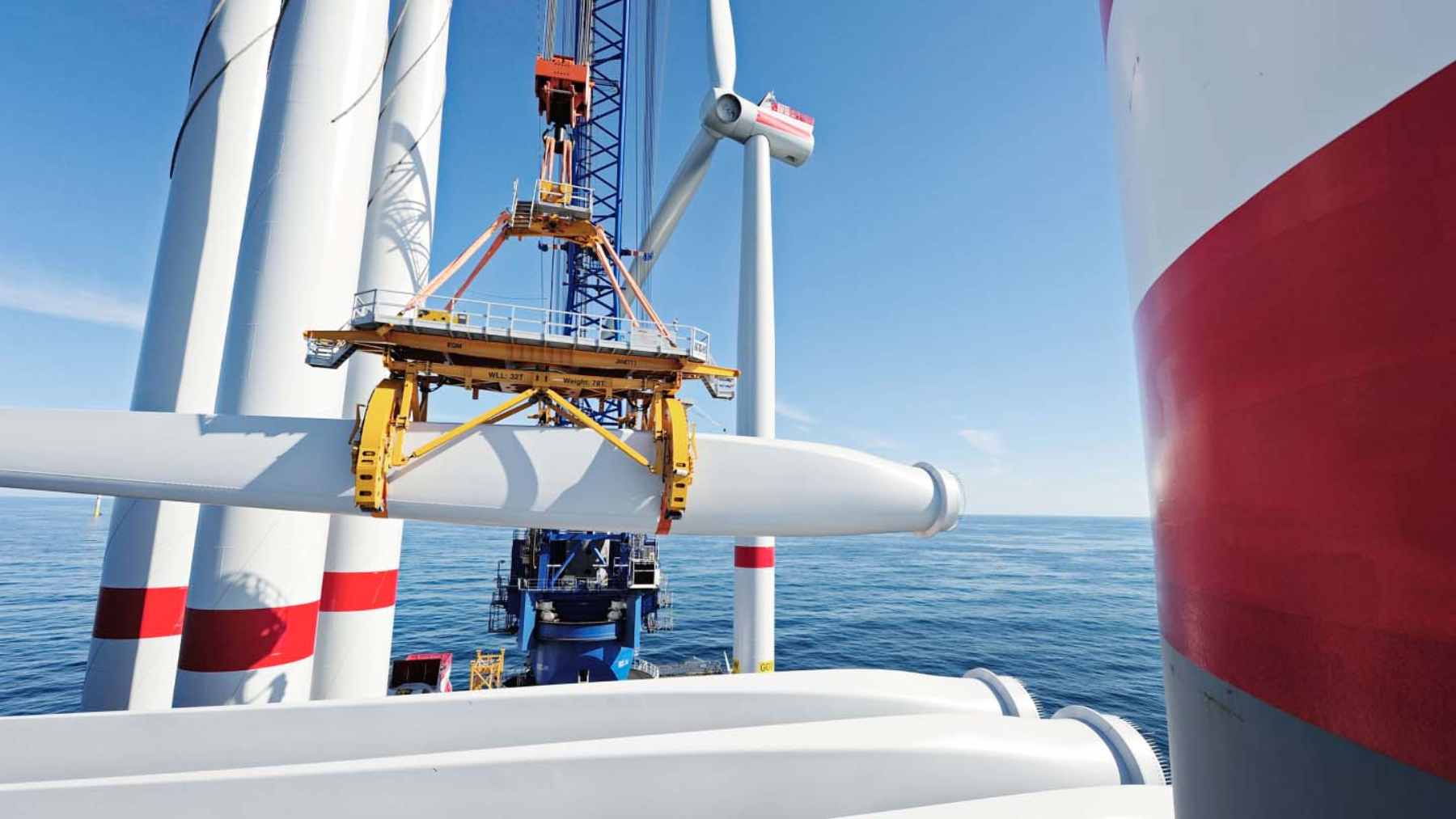
Hornsea 3 still has a long way to go before homes receive electricity from it. OffshoreWIND.biz reported that the first of the project’s two offshore converter stations had been completed by the end of March 2026, while the second is scheduled later this year and foundation installation was due to begin in April.
When fully built, the wind farm will turn rough North Sea weather into power that travels underground into the national grid. Not glamorous, maybe, but it is the kind of infrastructure that decides whether clean-energy promises become part of everyday life.
The official project information was published on Ørsted’s Hornsea 3 project site.