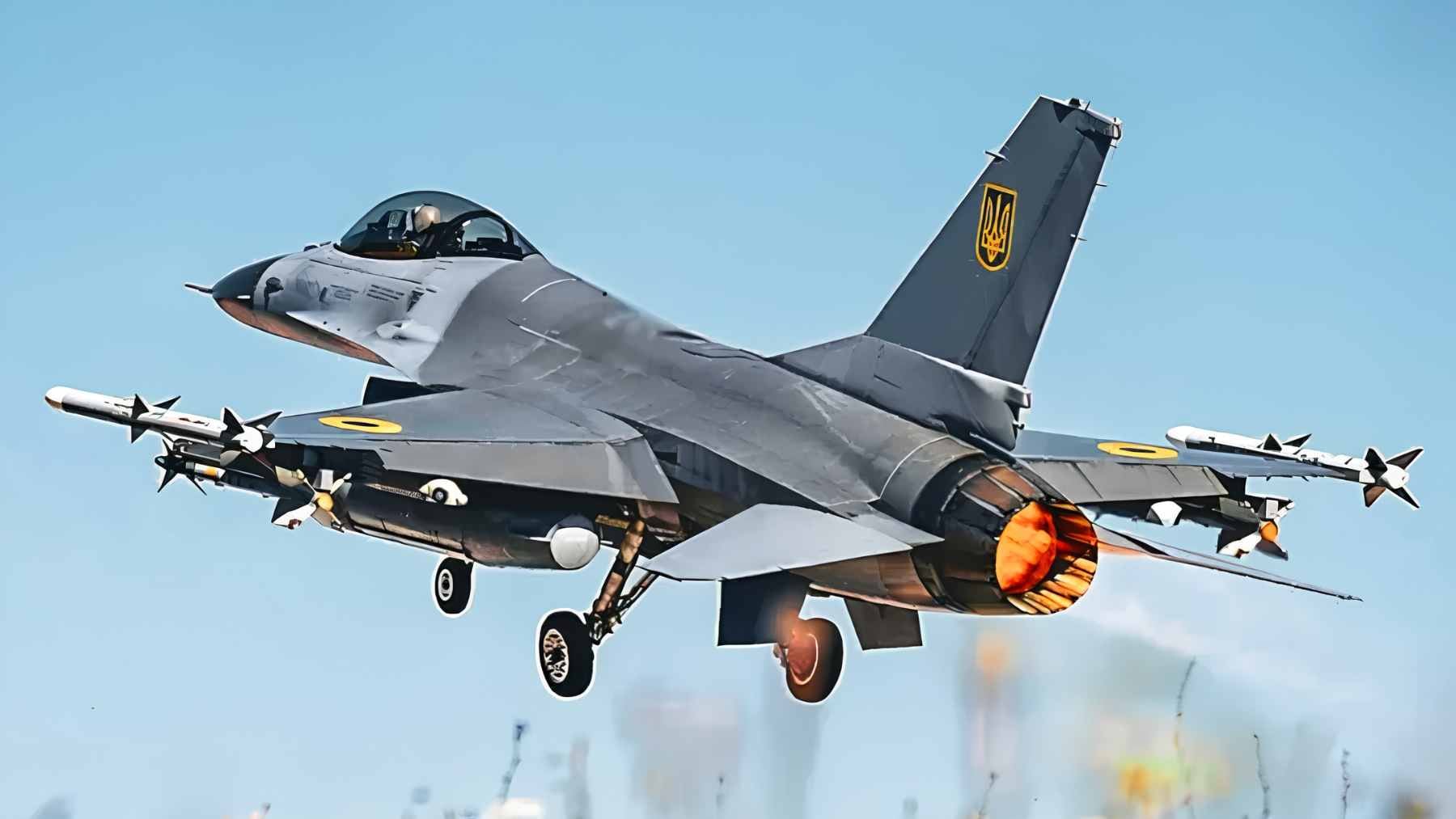
Before Ukrainian pilots can fly the F-16 in combat, they are first being asked to do something less dramatic but just as important. At a Royal Air Force training program in the United Kingdom, they are learning how to think in the air, not just how to control an aircraft.
The shift matters because Ukraine is no longer defending its skies with only Soviet-era habits, MiG and Sukhoi aircraft, and tightly directed missions.
It is building a Western-style air force while still fighting a war where drones, missiles, power grids, and civilian life are all tied together. Business Insider visited the RAF training site, where instructors described a course built around English, basic flying, and independent decision-making.
From orders to choices
The Ukrainian pilots begin on the Grob Tutor, a small two-seat training aircraft. It is a modest machine compared with the F-16 Fighting Falcon, but that is part of the point–before speed comes discipline.
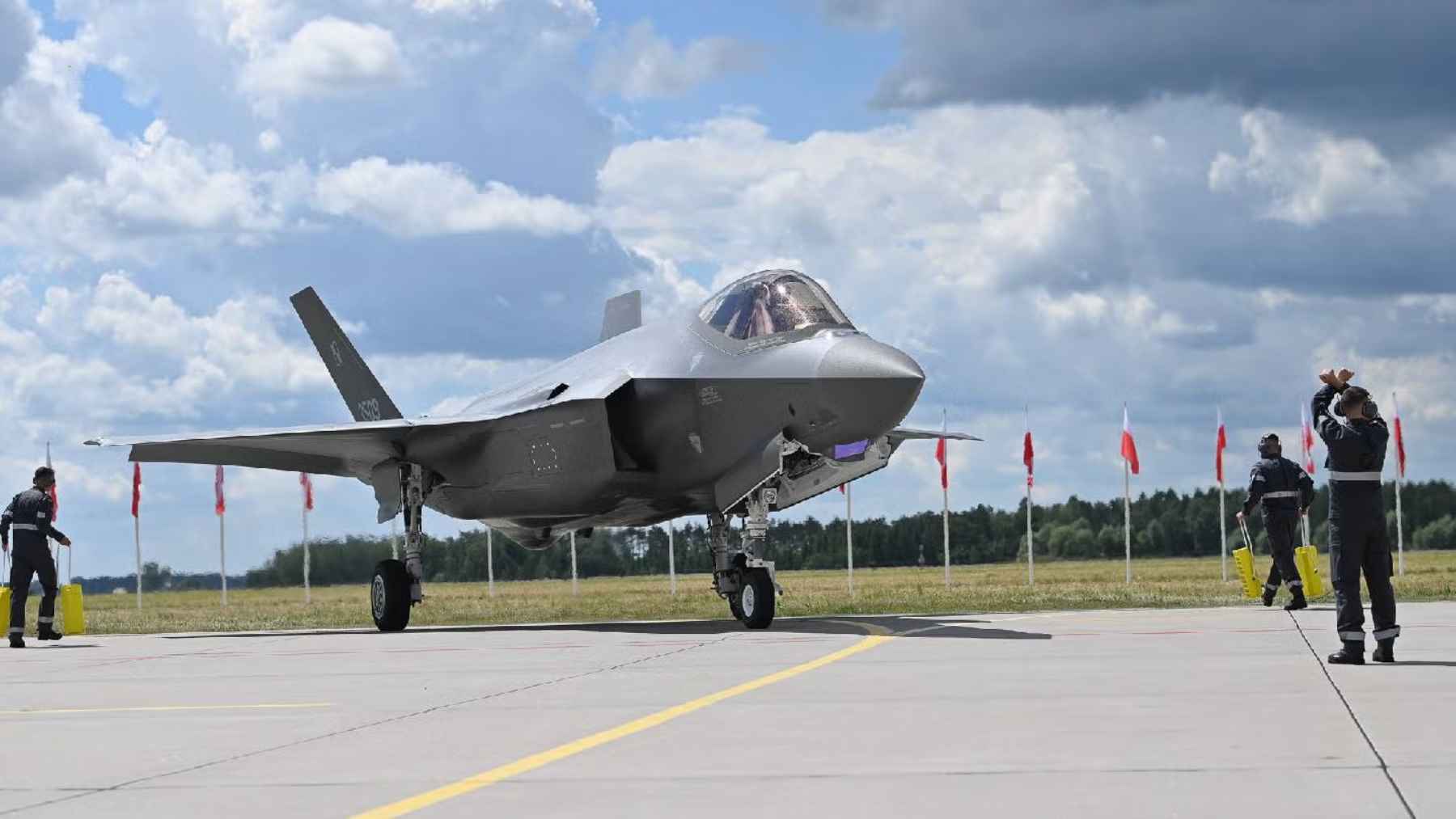
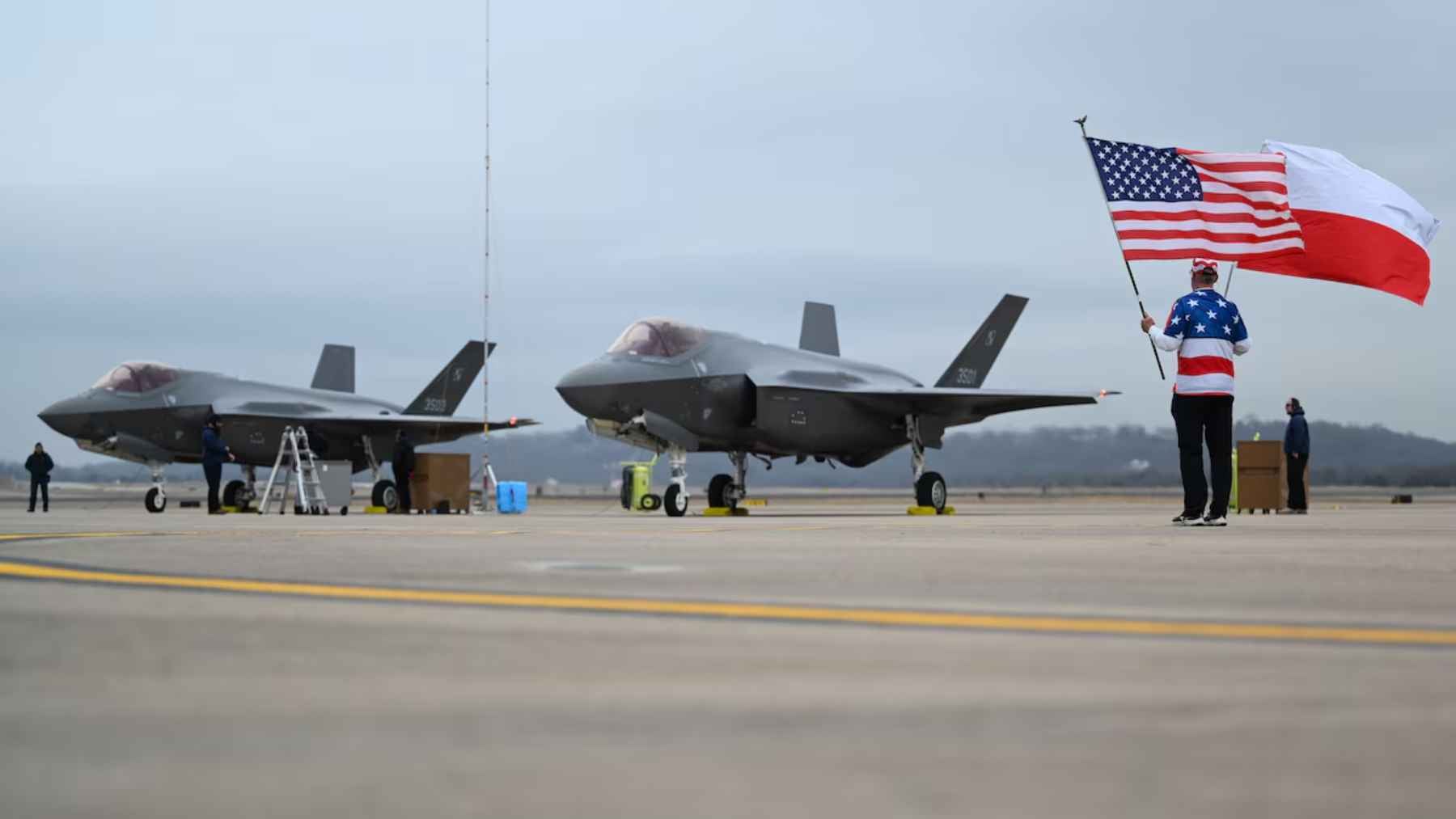
Business Insider reported that the Tutor cruises at about 150 mph, while the F-16 is a complex fourth-generation combat aircraft used by Ukraine for air defense and precision strikes. The gap between the two planes is huge, like learning neighborhood driving before being handed a race car on a crowded highway.
“We train them to operate in a Western style,” Wing Cdr. Tom, the chief flying instructor, told Business Insider. In practical terms, pilots are not simply told where to fly and what to do. They are given objectives and expected to manage the sortie themselves.
Why English matters
More than 50 Ukrainian pilots have completed the UK’s early-stage English-language and elementary flying course, according to Business Insider. That number is small when measured against the scale of the war, but fighter pilot training is never a mass-production line. It takes time, repetition, and judgment.
The UK Ministry of Defence said the RAF began delivering flying and English language training in August 2023 as part of Britain’s role in the international Air Force Capability Coalition for Ukraine. The aim is to help Ukrainian pilots move closer to a NATO-standard approach before advanced fast-jet training abroad.
The language barrier still matters. In the cockpit, a misunderstood instruction can become more than an awkward classroom moment. It can thwart a mission, a formation, or a split-second call under pressure.
A different cockpit culture
RAF instructors told Business Insider that many Ukrainian aviators arrive with solid aircraft-handling skills, but the bigger challenge is mental. They are moving away from a system where pilots are often directed closely from the ground and toward one where the person in the cockpit has more room to decide.
What does that actually mean? A pilot must choose routes, manage fuel, adjust to weather, communicate clearly, and still meet the mission’s objectives. That is not just flying, that is command thinking at hundreds of miles per hour.
The RAF’s latest official update, published May 8, 2026, said a new cohort of Ukrainian students had graduated from the Elementary Flying Training program. The courses include elementary flying, qualified instructor training, and qualified helicopter instructor training, with NATO partners involved in the wider effort.
Protecting skies and power
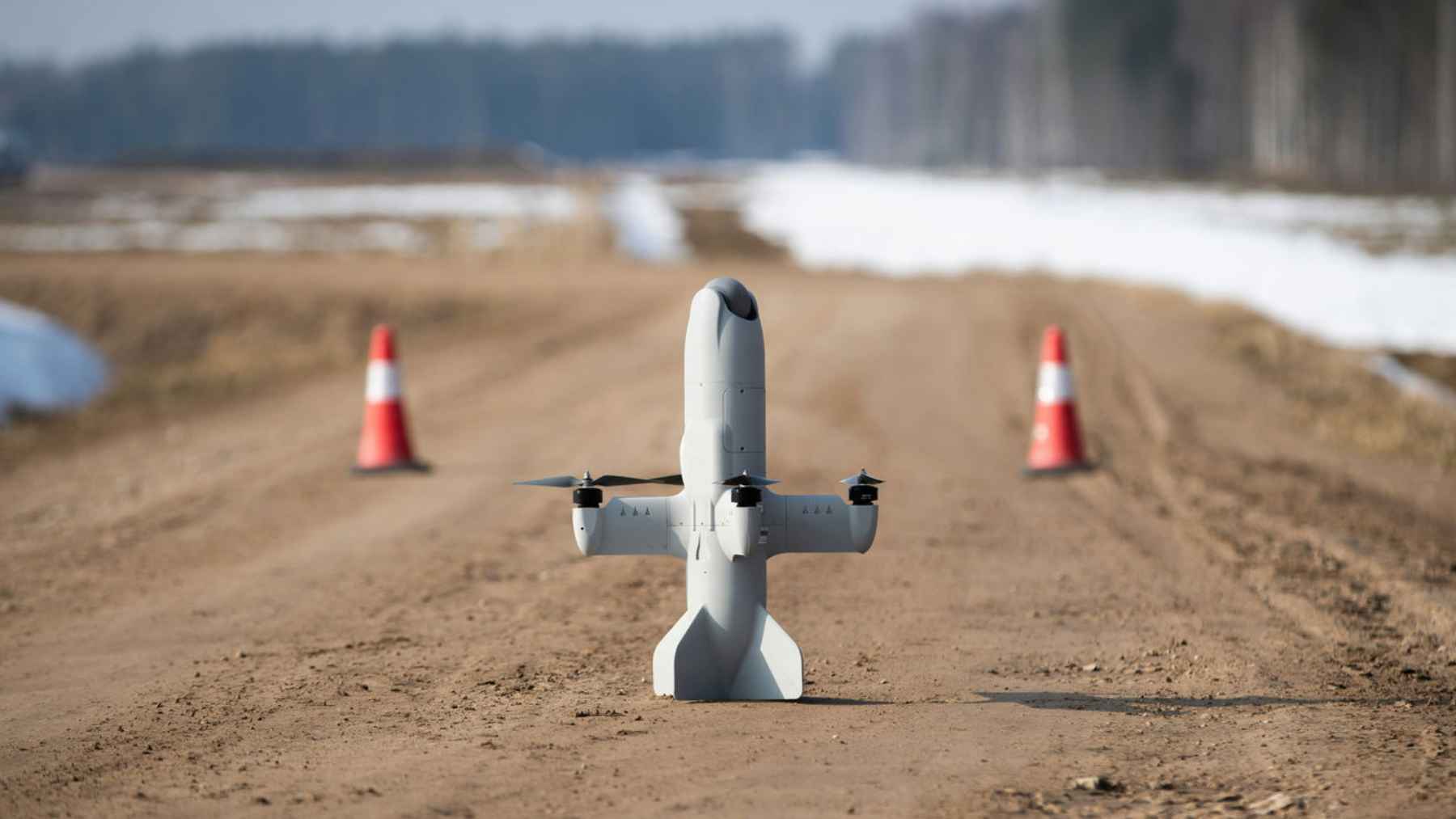
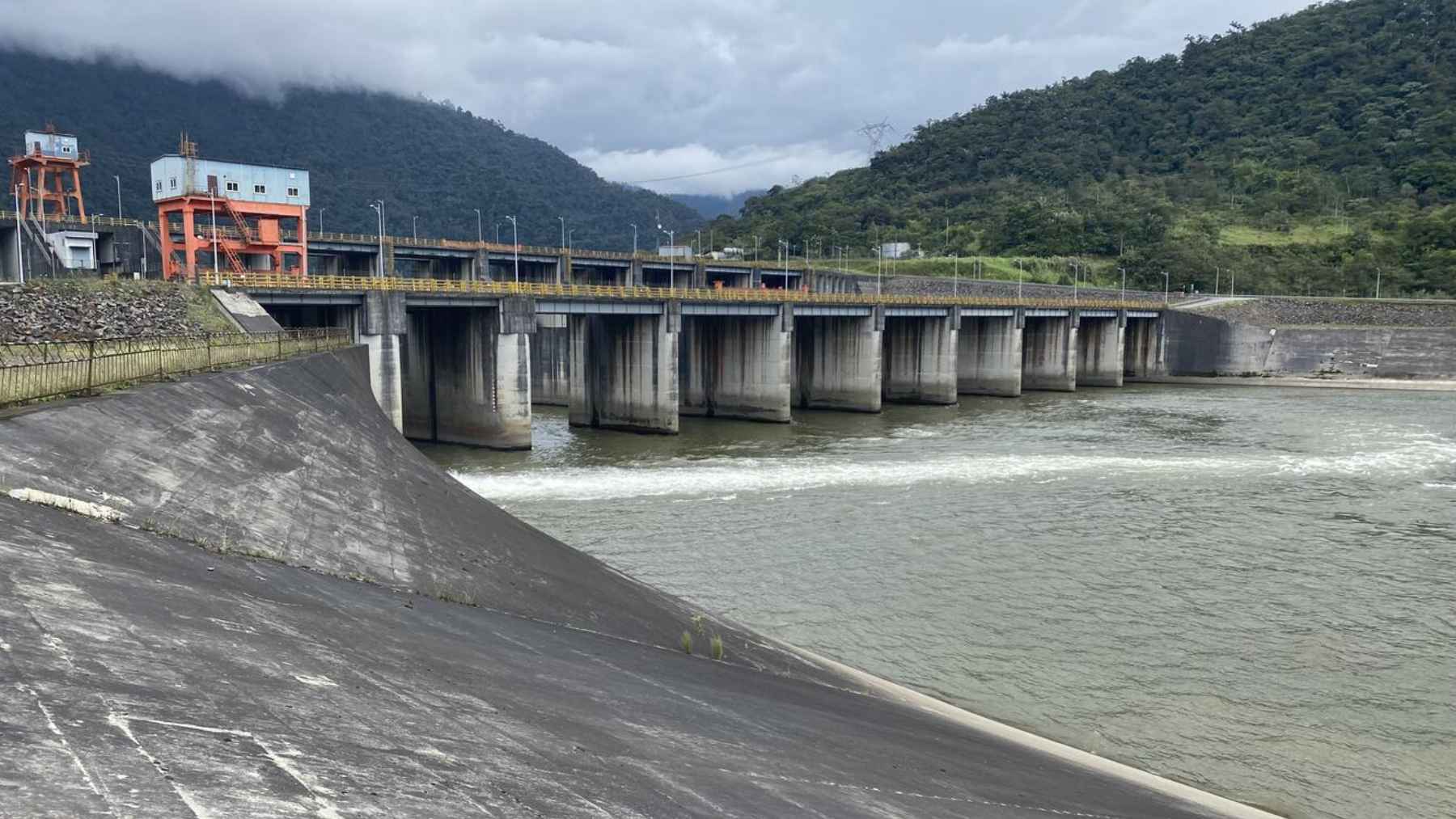
This story is mostly about defense technology, but it also touches environmental security in a very real way. Every missile or drone that reaches a power station, gas facility, or industrial site can ripple into blackouts, polluted air, damaged water systems, and another painful electric bill for families already living through war.
By UNEP’s own estimate, the war had caused more than $9 billion in damage to Ukraine’s energy infrastructure as of 2024, leaving millions exposed to daily blackouts. UNEP also noted that winter outages averaged five hours a day, a reminder that air defense is not an abstract military issue when the lights go out at home.
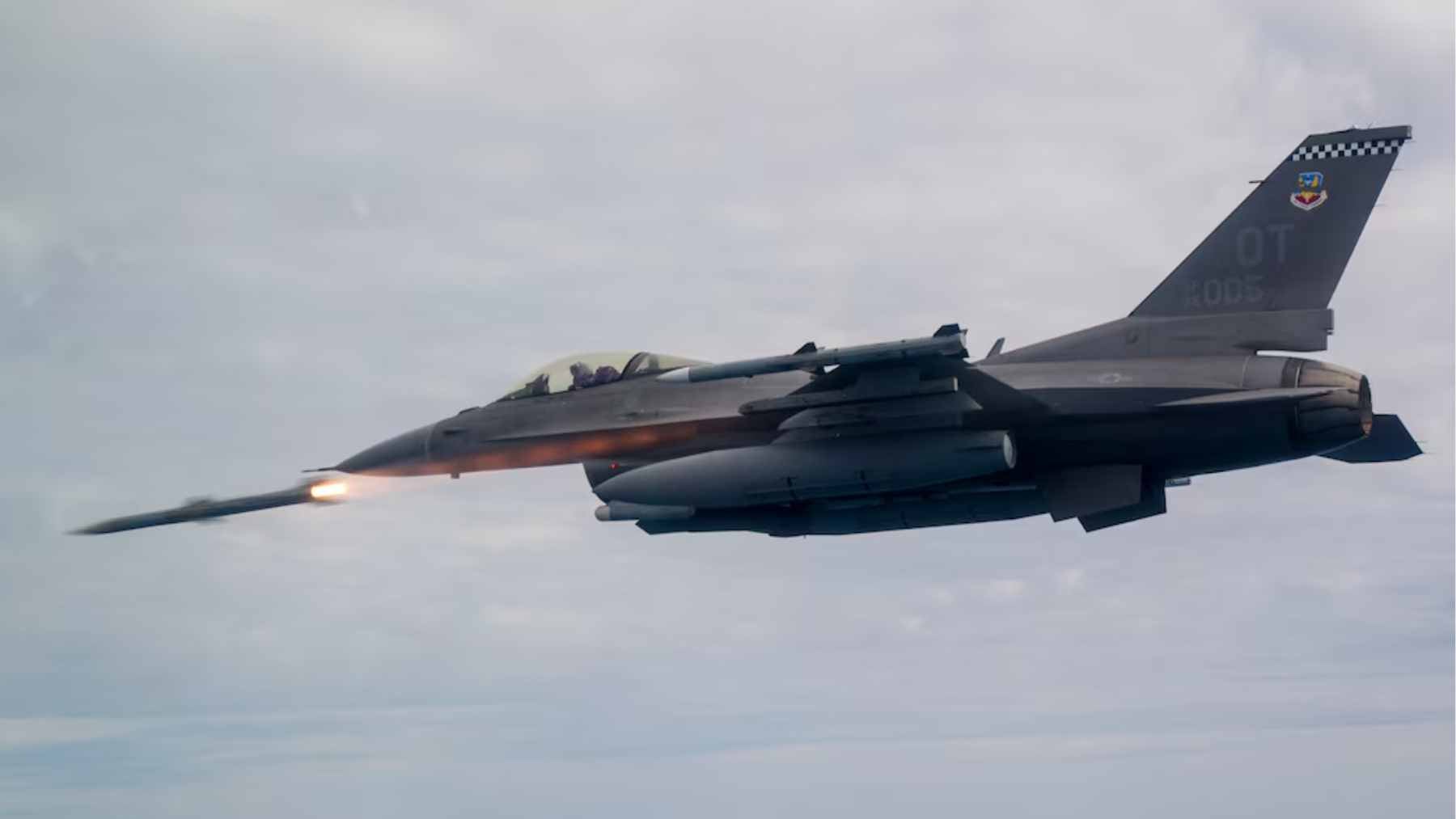
The United Nations Monitoring Mission in Ukraine warned in November 2025 that attacks on energy infrastructure had increased, causing emergency power outages across most regions of the country.
That is why training pilots to intercept missiles and drones can also help protect hospitals, water pumps, heating systems, and the ordinary routines people barely notice until they are gone.
The F-16 is not magic
The F-16 gives Ukraine a modern Western platform, but it is not a simple plug-in replacement for Soviet-era aircraft. It needs trained pilots, maintainers, English-language coordination, spare parts, mission planning, and a mindset that fits the machine.
The UK does not operate the F-16 itself, but it has used its training system to prepare Ukrainian pilots for the next stage with partner nations. That includes lessons in aircraft handling, instrument flying, low-level navigation, and formation flying.
At the end of the day, this is the quiet work behind a very loud war. A small trainer aircraft over Britain may look far removed from Ukraine’s front line, but for the pilots inside, it is one step closer to defending their skies.
Ukraine’s air force is changing
One Ukrainian pilot told Business Insider that the mission is not just about a love of flying. “We know that it’s our duty to protect our country, to protect our airspace, and to finish this war,” the pilot said.
That line captures the deeper story. Ukraine’s air force is not only receiving Western jets, it is being rebuilt around a different way of operating, one where judgment, speed, technology, and trust all have to work together.
The official statement was published on the Royal Air Force website.