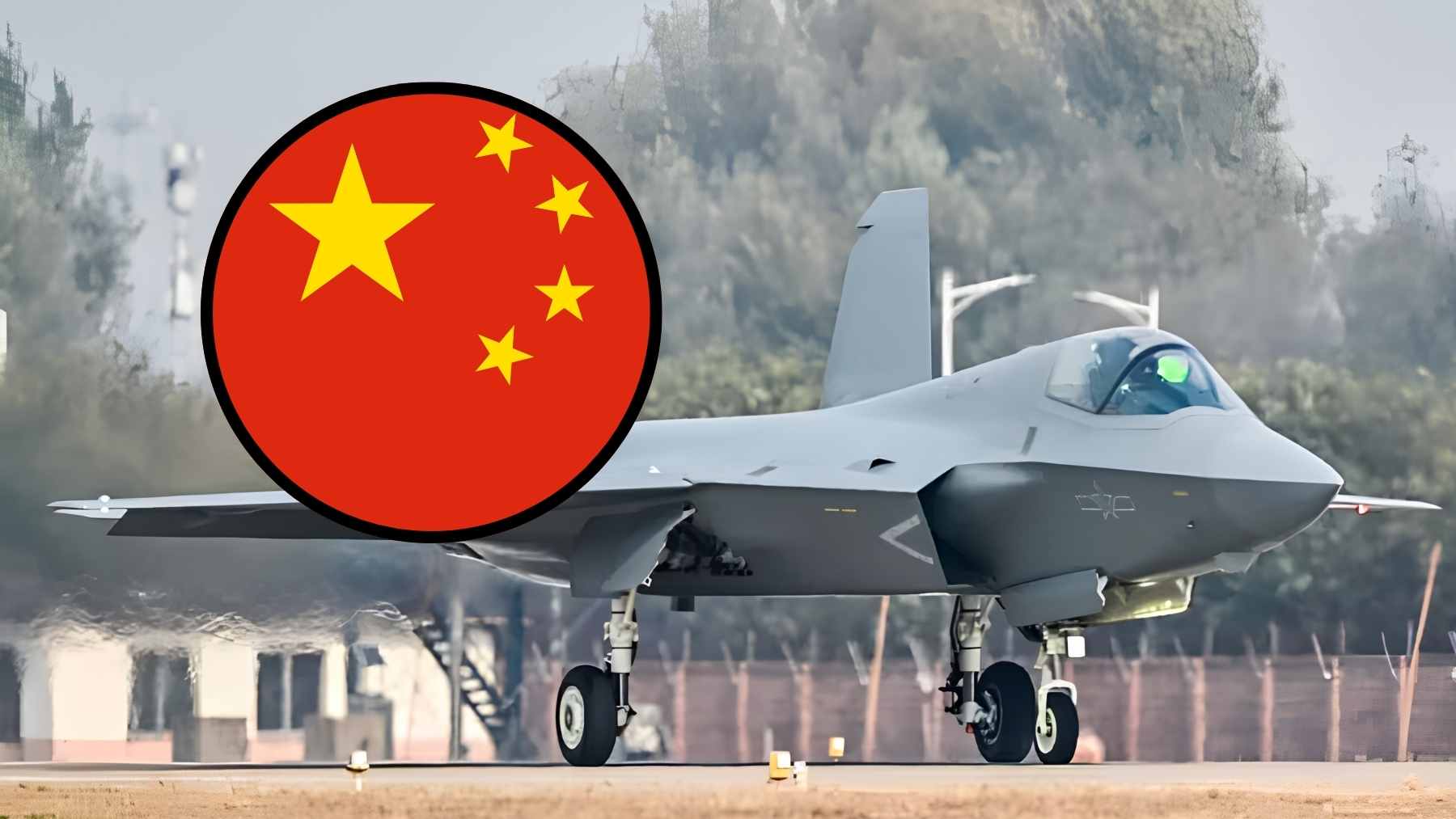
China has shown its clearest sign yet that it wants to sell a fifth-generation stealth fighter abroad. In footage highlighted by CCTV, a J-35 stealth aircraft marked “0001” rolled out with the AVIC logo, rather than the usual markings of China’s air force or navy.
That small label matters, because Chinese analysts say it points to an export version of the J-35A, the jet now being framed as Beijing’s answer to the American F-35.
The message is aimed far beyond China. Pakistan is being watched as the most likely first customer, with reports of a possible deal for about 40 aircraft. If that happens, it would mark the first time China exports a full stealth fighter, giving non-Western buyers a new route into high-end airpower.
Why the J-35AE matters
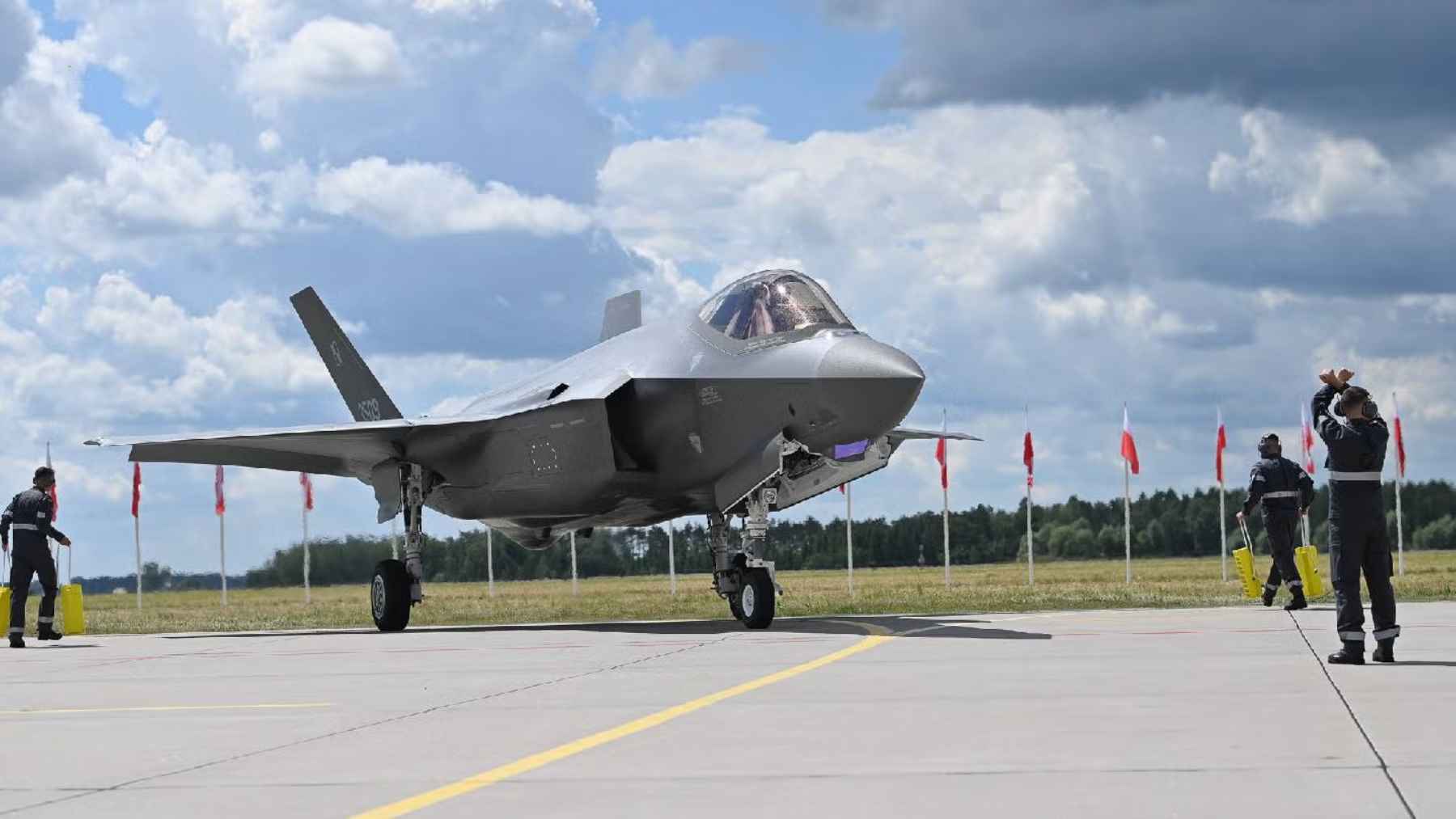
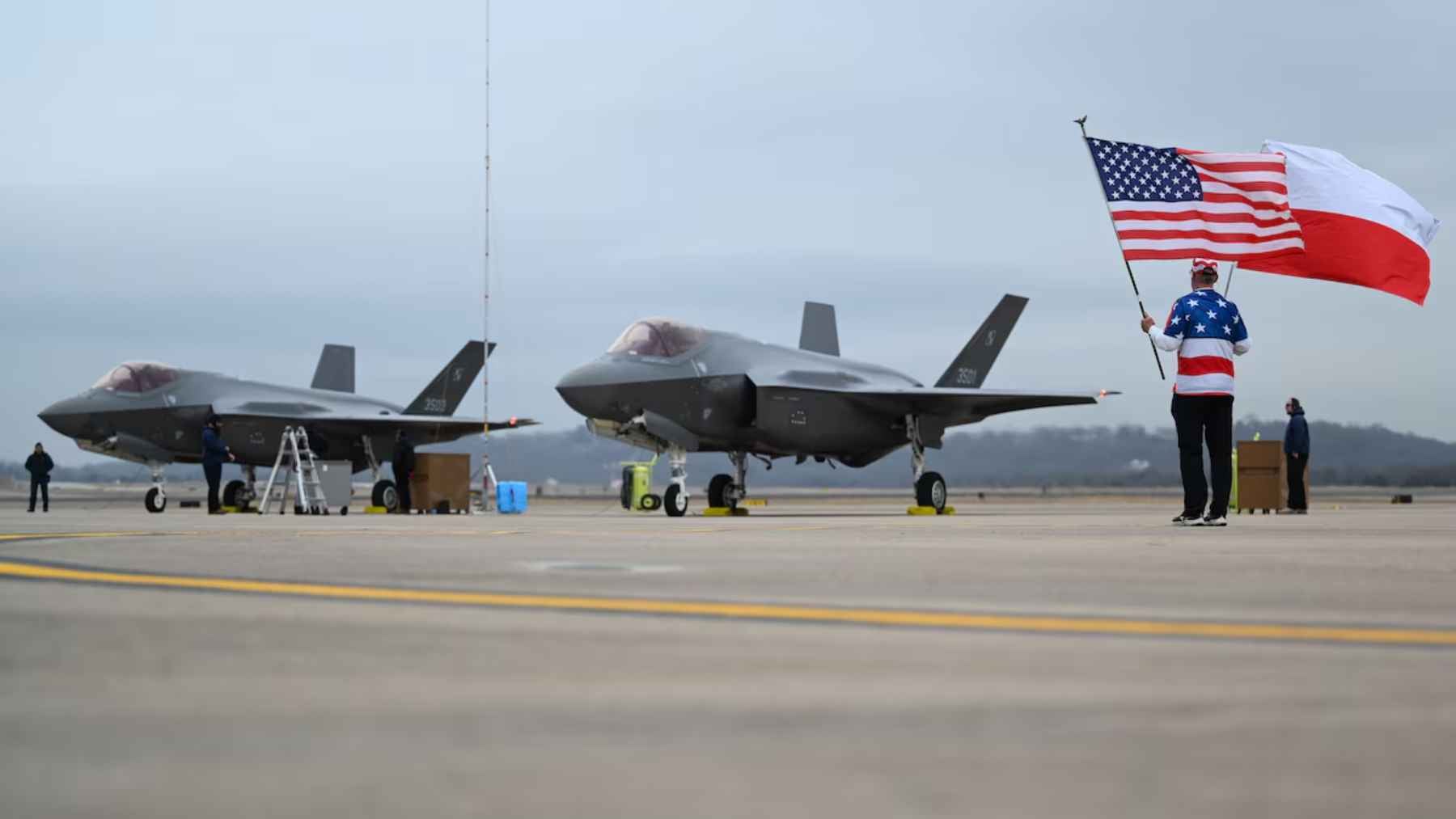
The F-35 is still the giant in this market. Lockheed Martin said it delivered 191 F-35s in 2025, while the global fleet has grown to almost 1,300 aircraft. That is not just a jet program, but a huge network of training, software, spare parts, weapons, and allied operators.
The J-35AE does not have that global support system yet, but it offers something many governments want: a stealthy modern fighter with internal weapons carriage and integrated sensors designed to keep the aircraft harder to detect.
For countries that cannot buy the F-35, or do not want the political strings that may come with it, China is making a simple pitch: there is another option.
A few clues on the aircraft
The aircraft shown in the Chinese report had a single-wheel front landing gear and a plain gray finish, which points to a land-based design rather than a carrier-based naval jet. Chinese military commentator Fu Qianshao said the unusual “0001” number and AVIC marking suggested an export model, possibly the J-35AE.
That does not mean the jet’s real performance is fully known. Reuters noted after the J-35A’s public debut that many details about its stealth features, radar, communications, and engines remain unclear. In other words, the airplane is visible, but the fine print is not.
Pakistan could change the race
Pakistan would be a logical first buyer. It already has deep defense ties with China, and The Star, citing the South China Morning Post and SIPRI data, reported that up to 80% of Pakistan’s arms imports between 2021 and 2025 came from China. The same report said Pakistan has been linked to a possible purchase of about 40 J-35 stealth fighters.
For Pakistan, a stealth fighter would not be just another upgrade. It would change planning across South Asia, where India watches every new aircraft, radar, and missile package closely.
Traffic jams, exhaust fumes, and the electric bill may feel more immediate at home, but these procurement choices can shape public spending and regional security for decades.
The climate blind spot
There is another part of the story that rarely gets the spotlight. Advanced fighters are symbols of deterrence, but they also sit inside a military system powered by fuel, factories, bases, testing ranges, and global supply chains. That footprint is not as visible as a takeoff video, but it is still there.
Researchers from the Conflict and Environment Observatory and Scientists for Global Responsibility estimate that the world’s militaries account for about 5.5% of global greenhouse gas emissions. They also warn that the number is only an estimate, because official reporting is often incomplete.
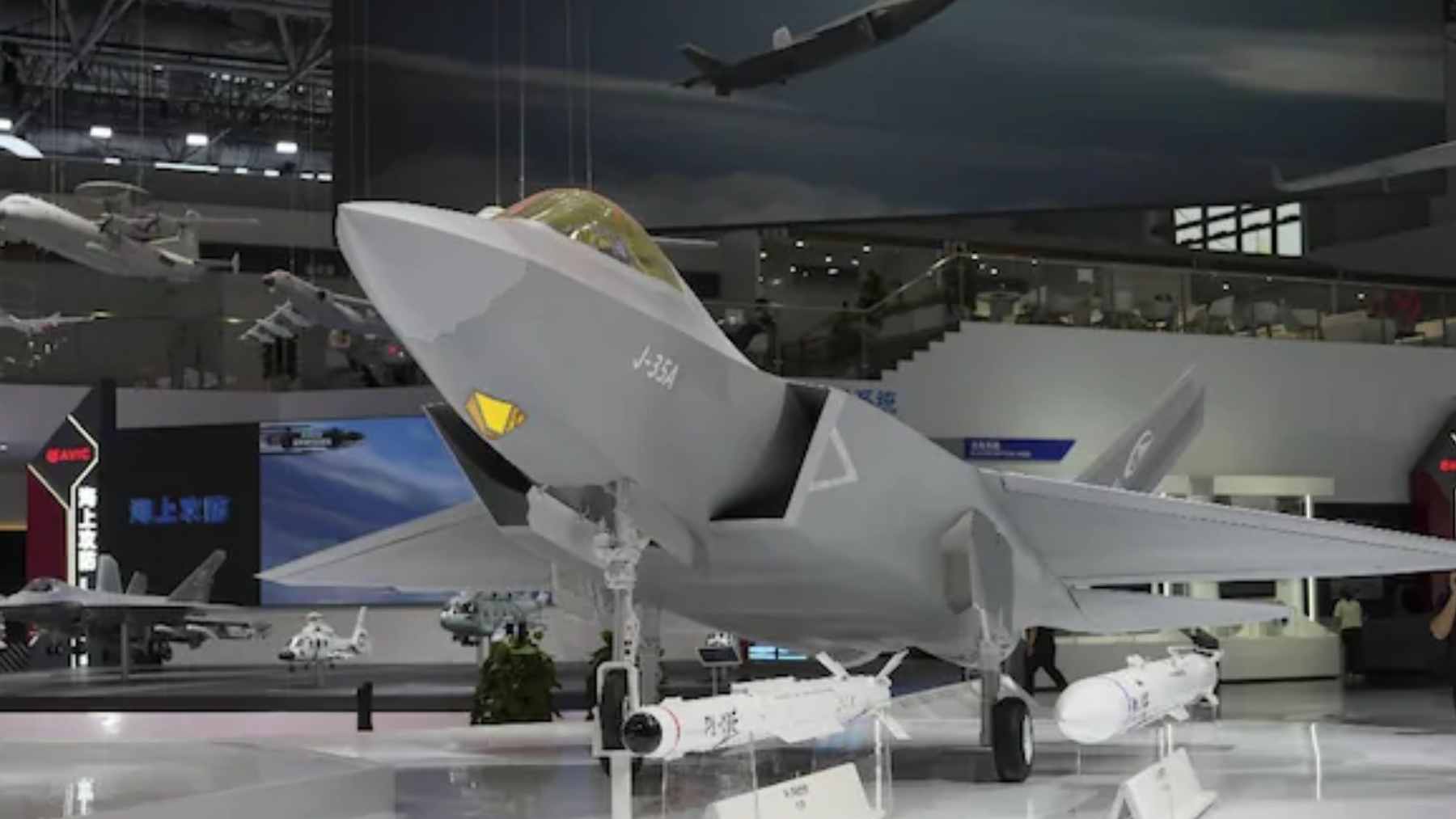
For now, no credible public estimate gives the J-35AE’s lifetime carbon footprint, so any precise number would be guesswork. But the wider trend is clear enough: defense budgets are rising, climate pressure is rising, and combat aviation remains one of the hardest areas to decarbonize.
A market battle, not a mirror image
The J-35AE may remind people of the F-35 at first glance, but the two programs are not mirror images. The F-35 is tied to a U.S.-led alliance system with strict export controls and a mature operating network. The J-35AE appears aimed at buyers who want stealth capability without depending on Washington.
That pitch is powerful. Still, customers would need training, spare parts, software updates, weapons integration, and long-term support. The sticker price is only the start, just like buying a car and then learning what service, repairs, and fuel really cost.
What comes next
The next proof will not be a video. It will be a signed contract, confirmed deliveries, and years of operation under real conditions. Until then, the J-35AE is both a weapon and a message.
If China can turn this export push into real sales, the F-35 will no longer be the only widely discussed fifth-generation option for many countries outside the Western camp. The bigger question is whether the world is ready to account for the environmental price of the next stealth race.
The official report was published on CCTV.