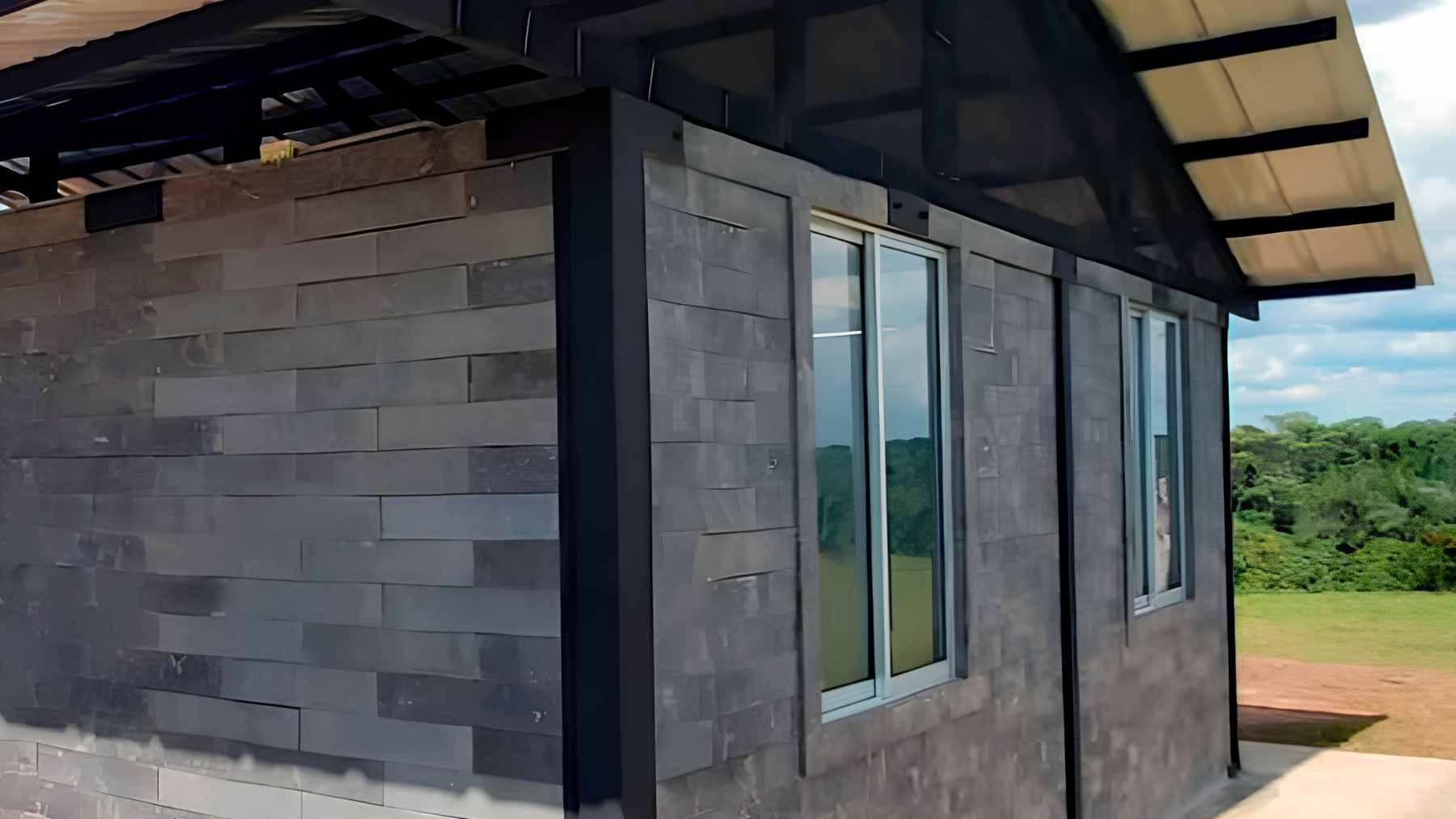
A house built in five days out of discarded plastic sounds like the kind of idea that belongs in a science fair. In Colombia, though, it has already moved past the prototype stage and into real communities, where fast shelter can make the difference between a family living safely or waiting months for traditional construction.
The system, developed by the Colombian company Conceptos Plásticos, turns recycled plastic into modular blocks that fit together in a way often compared to Lego pieces.
It is not a magic fix for the global housing crisis, but it does raise a serious question for construction: why should every low-cost home depend on cement, steel, heavy trucks, and slow work crews?
Plastic becomes walls
Conceptos Plásticos says its “Bricks & Blocks” system is made from 100% recycled plastic and is used to assemble homes, schools, and other community spaces. The company’s official material says the system is designed to be modular, aseismic, insulating, and resistant to fire spread.
The idea began after Fernando Llanos struggled with the basic problem of moving heavy building materials from Bogotá into a difficult construction area in Cundinamarca. Later, with architect Óscar Méndez, the concept became a patented building system using recycled plastic bricks and pillars that could be assembled quickly.
That means fewer wet mixes, less specialized labor, and a job site that looks less like a traditional cement pour and more like a large-scale assembly project. That matters in remote places, where the hardest part of construction is often not the design, but materials delivery to the build site.
Why five days matters
According to ArchDaily’s reporting, a 40-square-meter home (about 430 square feet) with two bedrooms, a living room, dining room, bathroom, and kitchen was built in five days with help from four people. The reported cost at the time was 20 million Colombian pesos, or about $6,800, although that should not be read as a current 2026 price tag.
The blocks are made through extrusion, a process in which discarded plastic is melted and poured into molds. The result is a brick of roughly 3 kg., or 6.6 lbs. that can be assembled under pressure and fitted into a larger structure.
Could a five-day home change everything? Not by itself. But for disaster response, rural housing, temporary shelters, or areas where families have been displaced, speed is not a luxury.
A shelter in Guapi
One of the clearest examples came in Guapi, Cauca, where temporary shelters were built for 42 families displaced by Colombia’s armed conflict. The project was completed in 28 days by a team of 15 people and used more than 200 tons of recycled plastic, according to ArchDaily’s account of the Norwegian Refugee Council-backed project.
The design also had to deal with something very ordinary and very important: heat. The Norwegian Refugee Council said the roof layout improved ventilation and natural lighting, which is no small detail in a hot, humid place where indoor air can quickly become unbearable.
That is where this story becomes bigger than a clever material. A wall is not just a wall when it helps reduce waste, speeds up shelter, and gives families a safer place to sleep.
The climate math
The environmental case is hard to ignore. The United Nations Environment Programme says buildings and construction consume 32% of global energy and contribute 34% of global CO2 emissions, while cement and steel alone are responsible for 18% of global emissions.
Plastic waste is another piece of the puzzle. The OECD found that global plastic waste reached 388 million tons in 2019, and only 9% was ultimately recycled after accounting for losses in the recycling process.
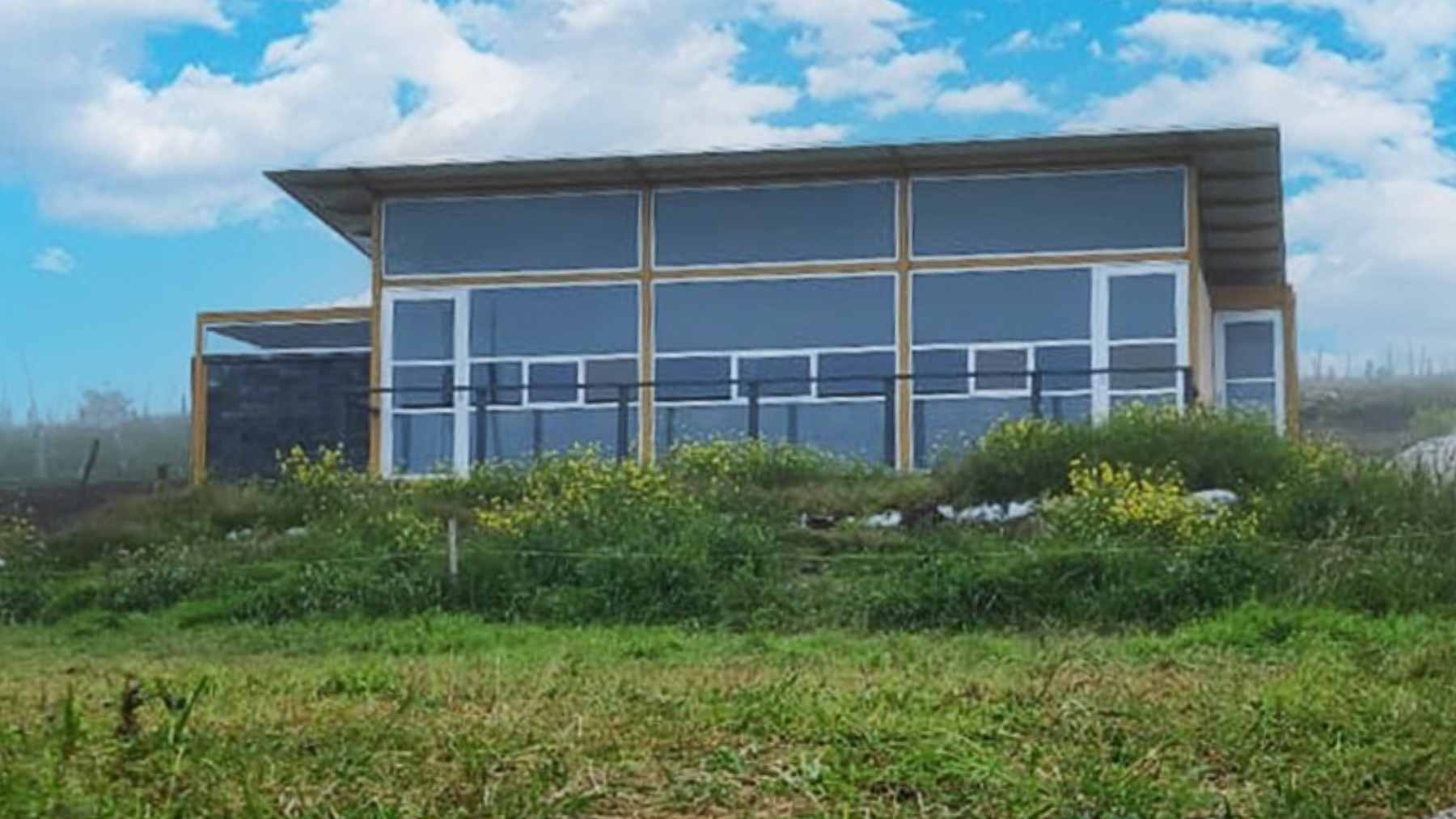
So, turning plastic into shelter attacks two problems at once, at least to a large extent. It gives waste a second use and reduces reliance on some of the most carbon-heavy materials in construction.
Why cement still wins
Still, cement is not going away tomorrow. It is strong, familiar, widely regulated, and supported by supply chains that have been built over more than a century.
New materials face a slower road. Building codes, insurance rules, public procurement, financing, and local habits all tend to favor what engineers, builders, and buyers already know.
There is also a scale problem. Conceptos Plásticos says it has transformed more than 3,000 tons of plastic and built more than 500 solutions, including over 100 houses and more than 350 classrooms, which is impressive for a social enterprise but still small compared with the global construction market.
What comes next
The most realistic future is not plastic replacing concrete everywhere, rather, plastic blocks becoming one more tool, especially where speed, low weight, mobility, and waste reduction matter most.
That could mean rural schools, emergency shelters, small homes, storage spaces, and community buildings. It could also mean a bigger role for waste collectors, who are often at the forgotten end of the recycling economy.
At the end of the day, the Colombian model is a reminder that climate solutions do not always arrive as shiny new machines. Sometimes, they look like yesterday’s trash snapped into tomorrow’s wall.
The official project page was published on Conceptos Plásticos.