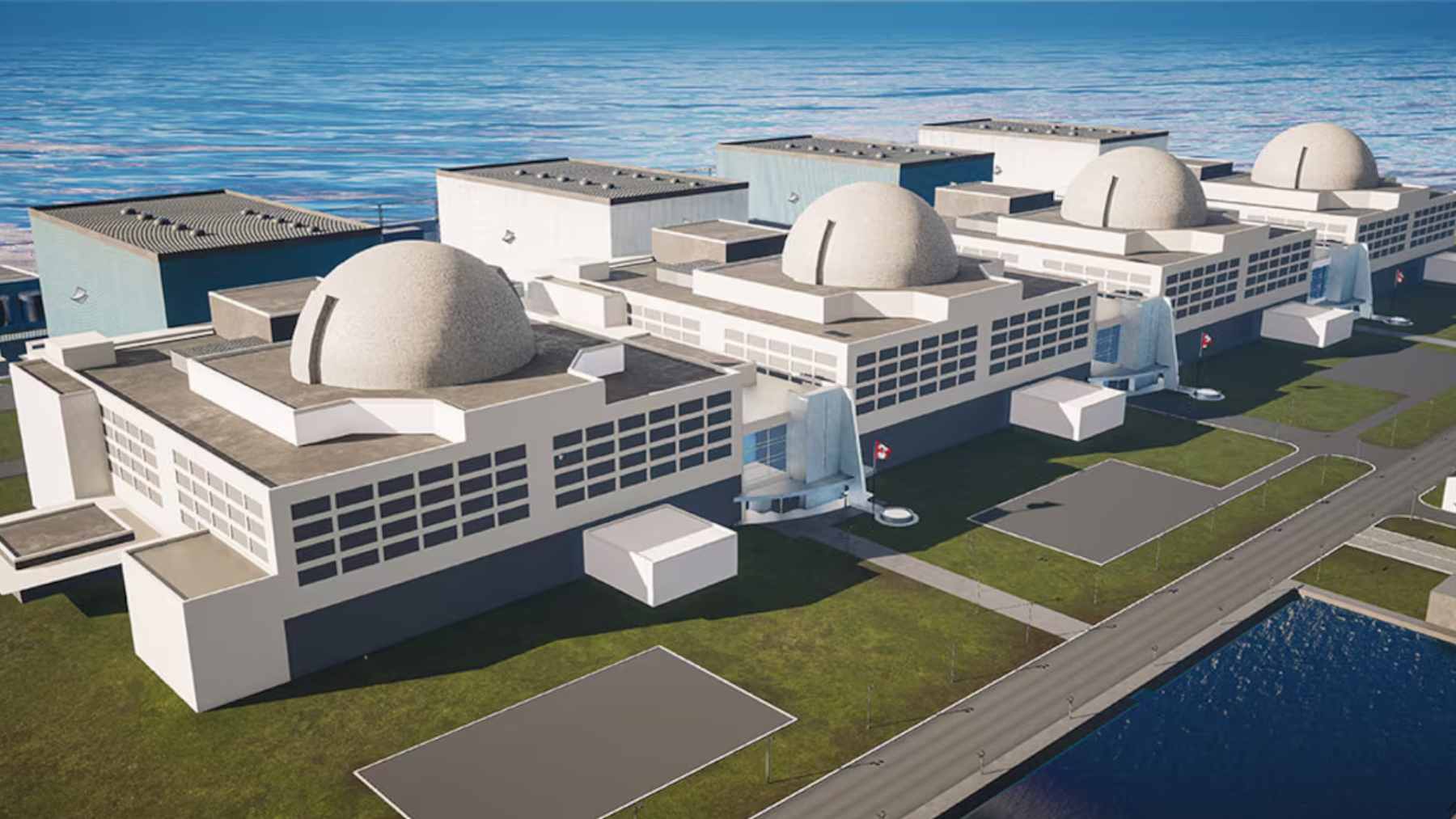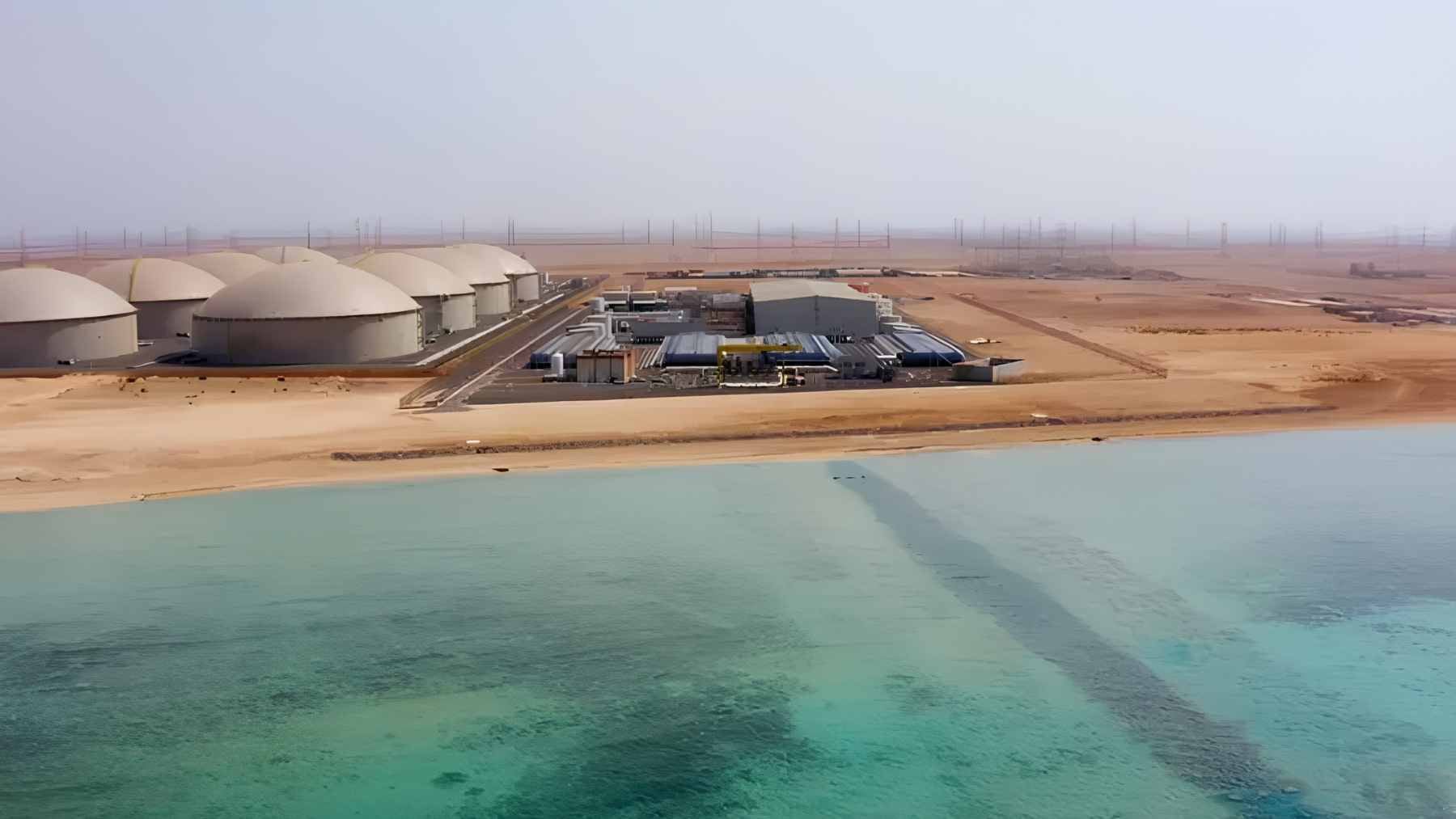
Saudi Arabia has switched on Rabigh 4 IWP, a huge desalination plant on the Red Sea coast that can produce about 158.5 million gallons of drinking water every day. The project is designed to strengthen supply to Mecca, Medina, and nearby areas in one of the driest regions on Earth.
That number is hard to picture, but if the plant runs at its listed daily capacity for a full year, it could produce roughly 57.9 billion gallons of potable water. For Saudi Arabia, the message is clear enough.
Water security is no longer just a public utility issue, but a strategic infrastructure race shaped by climate, population growth, religious tourism, business investment, and technology.
A giant plant on the Red Sea
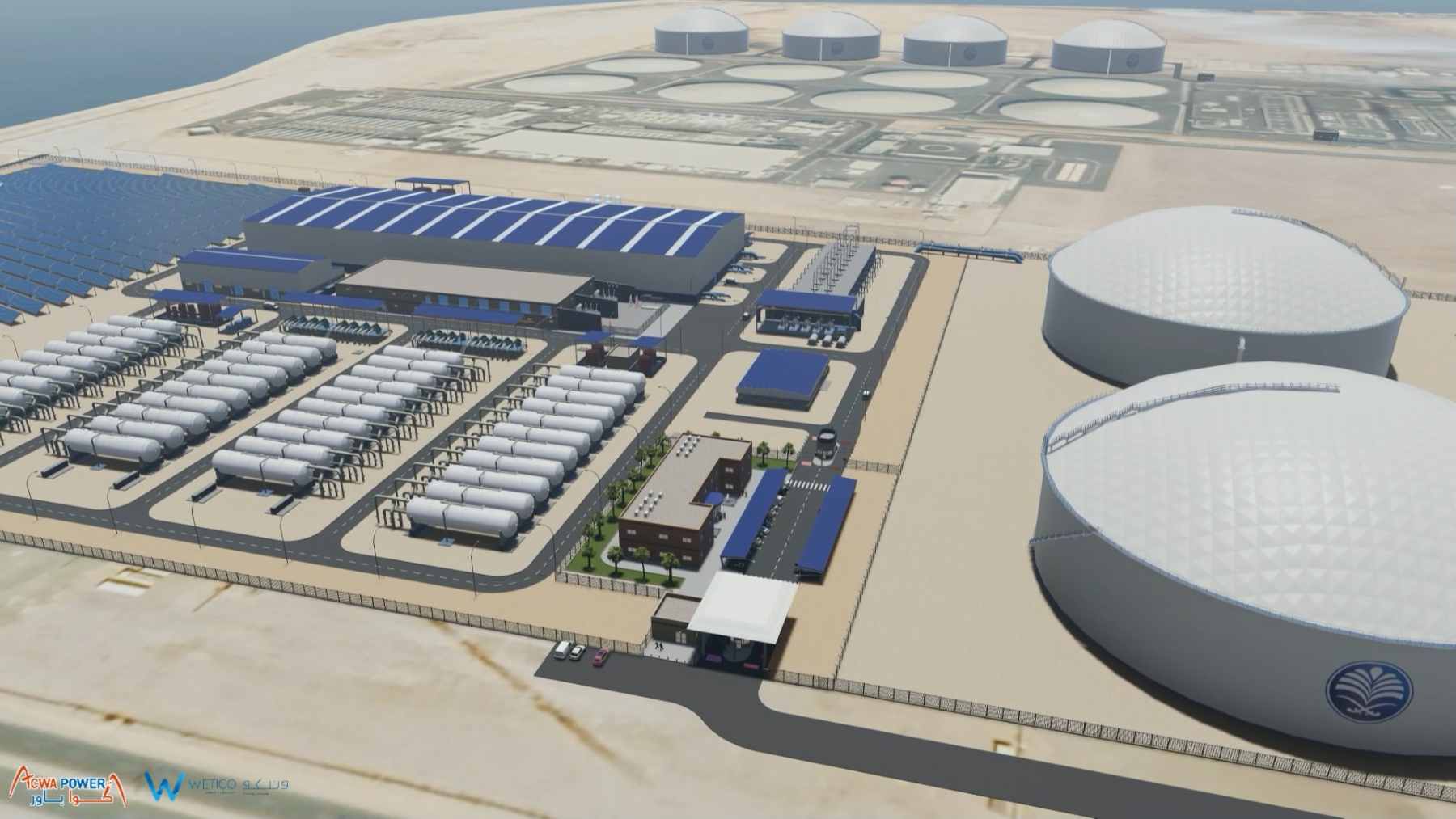
Rabigh 4 uses seawater reverse osmosis, a process that pushes salty water through high-pressure membranes to separate salts and impurities. ACWA Power’s official project page lists the 158.5 million-gallon-per-day figure, with storage equal to about 317 million gallons of water.
That storage matters more than it might sound. It gives the system about two days of operational reserve, which helps smooth out supply when demand rises or when maintenance is needed. In a hot, dry region, that kind of buffer is not a luxury.
The plant also fits into Saudi Arabia’s broader push to make desalination part of everyday water planning. A sea that once represented a boundary is increasingly being treated like a working reservoir, though one that requires serious energy, engineering, and environmental care.
Why Mecca and Medina matter
Rabigh 4 was planned mainly to serve the regions of Mecca and Medina, two cities with unusual pressure on water systems. Demand does not come only from residents, businesses, and public services. It can also surge during religious seasons, when huge numbers of pilgrims arrive.
That makes reliability a national priority. A city can tolerate many inconveniences, but a weak drinking water supply is not one of them. For the most part, projects like Rabigh 4 are built to make sure water reaches taps, hotels, hospitals, mosques, and public facilities even when demand moves quickly.
There is also a business angle here. The Saudi Press Agency said Rabigh 4 would be built and operated by the private sector under a 25-year arrangement, a model that places long-term construction, operation, and maintenance in the hands of a consortium led by ACWA Power.
Reverse osmosis changes the economics
Older thermal desalination systems boil or heat water to separate it from salt, which can require a large amount of energy. Reverse osmosis is different. The International Energy Agency reported in March 2026 that thermal plants can use up to ten times more energy than reverse osmosis for the core desalination process.
That is why the technology behind Rabigh 4 matters. It does not make desalination impact-free, but it can lower the energy burden compared with older systems. At the end of the day, every gallon of water still has an energy cost.
The project was also built around a large private investment structure. Reports tied to the project put the total cost at about $677 million to $678 million, while ACWA Power’s partners include Haji Abdullah Alireza & Co. and Almoayyed Group.
The environmental catch
Desalination solves one problem while creating others. The United Nations Environment Programme has warned that brine production and high energy use remain two of desalination’s biggest downsides. Brine is the extra-salty waste stream left after freshwater is separated from seawater.
A widely cited study in “Science of the Total Environment” estimated global brine output at about 37.4 billion gallons per day, and said Saudi Arabia, the United Arab Emirates, Kuwait, and Qatar accounted for a major share of that total.
That does not mean every project causes the same harm, but it does show why discharge management is now part of the desalination debate.
So, is Rabigh 4 good news or a warning sign? In truth, it is both. It offers a major water security boost, but it also underlines the need for cleaner power, careful brine disposal, marine monitoring, and conservation so desalination does not become an excuse to waste water elsewhere.
A business model for water security
ACWA Power already operates Rabigh 3 in the same area, another large reverse-osmosis desalination plant with a similar daily output. With Rabigh 4 added, the company’s daily desalination capacity in the Rabigh region effectively doubles.
That kind of clustering is no accident. The Red Sea coast gives Saudi Arabia access to seawater, industrial land, ports, power infrastructure, and transmission routes toward major population centers. Put simply, it is where geography and engineering meet.
There is a strategic lesson here for other dry countries, including parts of the United States. Desalination is expensive and complicated, but in places where rivers, aquifers, and rainfall cannot keep up, it is becoming part of the basic toolkit.
What Rabigh 4 really signals
Rabigh 4 is not just a big water plant. It is a glimpse of how countries facing water stress may build the next generation of essential infrastructure. Not pipelines for oil, but systems that turn seawater into drinking water at industrial scale.
The question now is not whether desalination will grow. It almost certainly will, especially in dry coastal regions. The bigger question is whether governments and companies can scale it without locking in unnecessary energy use or damaging coastal ecosystems.
For Saudi Arabia, Rabigh 4 is a powerful statement. The desert is not getting wetter, cities are not getting smaller, and demand is not slowing down. That is why the Red Sea is becoming part of the country’s drinking water backbone.
The official statement was published on ACWA Power.