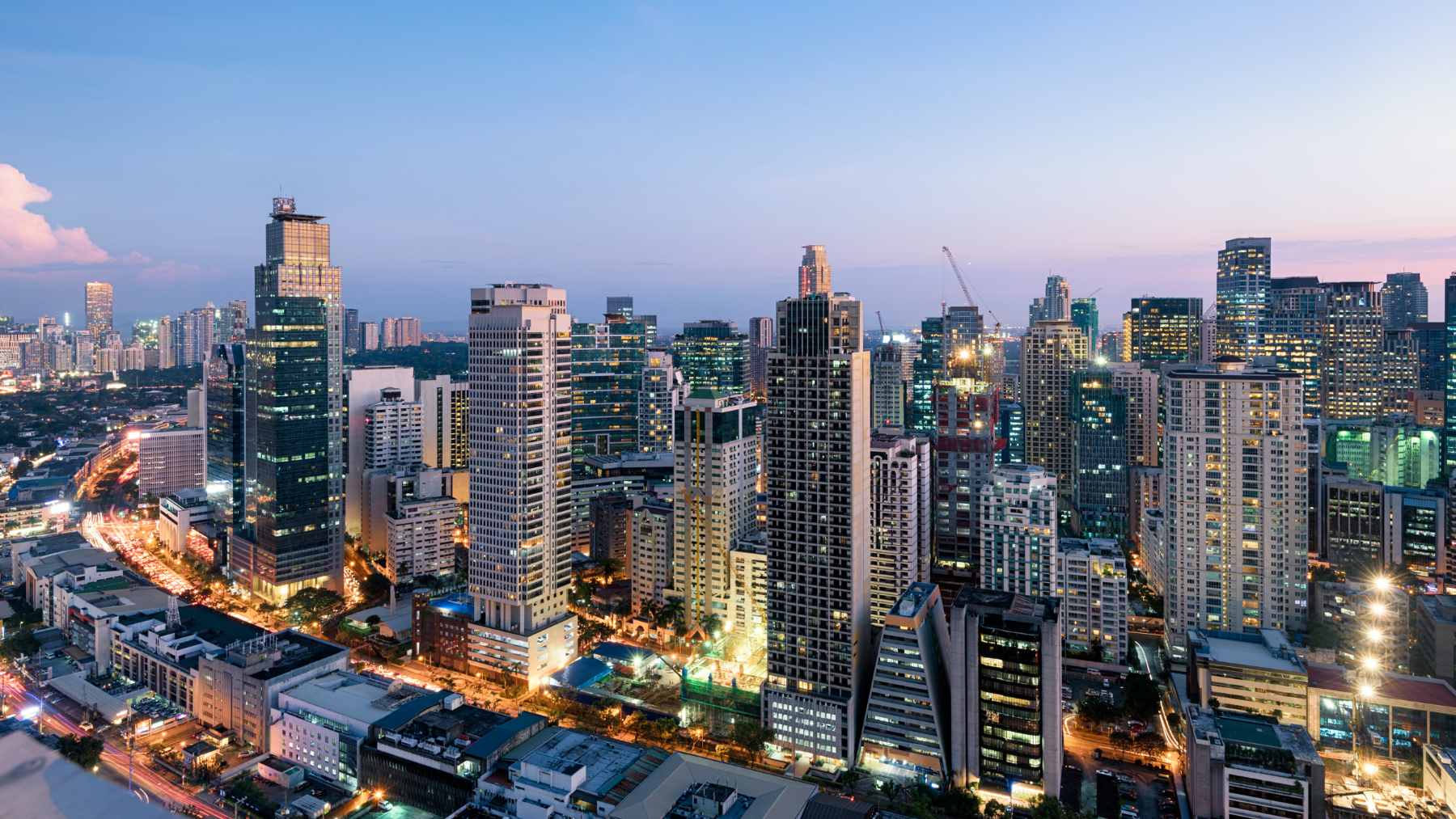
Could a monthly power bill push an entire country into a solar boom? In the Philippines, that question is no longer hypothetical. As electricity prices rise and outages remind families how fragile the grid can feel, rooftop solar is becoming a practical escape route for households that can afford the jump.
The country has become the world’s biggest spender on solar panels since the Iran-linked conflict began, according to Reuters. Meralco, the top power distributor serving Metro Manila and nearby areas, has raised prices by about 10% since late February, while a median household using about 200 kilowatt-hours a month now spends roughly 12% of its monthly income on electricity.
That is a lot for something most people only notice when the lights flicker or the bill arrives.
Power bills changed the math
For years, rooftop solar was something many Filipino families liked in theory but avoided in practice. The equipment was too expensive, financing was limited, and the payback period felt too far away for people juggling food, school, rent, and transportation.
That is changing fast. Reuters reported that the country imported $407 million in solar panels in the three months through May, a 145% jump from a year earlier. China supplies most of the world’s panels, and even when overall Chinese shipments fell in May after a tax rebate change, exports to the Philippines climbed by almost a third.
In simple terms, solar has moved from “nice to have” to “how soon can it be installed?” A Manila-based installer, Philergy German Solar, received more than two-and-a-half times as many customer inquiries in the first five months of this year as it did last year. Its managing partner, Jochen Staudter, said customers are deciding “much faster than before.”
A solar rush with a global trigger
The Philippines is unusually exposed to global fuel shocks because it depends heavily on imported coal and gas. When those fuels get more expensive, the pain travels quickly from international markets to kitchen tables, office air conditioners, and small shops trying to stay open during peak heat.
Meralco’s June statement shows how that pressure works. The company said the overall rate for a typical household rose to 14.4833 Philippine pesos per kilowatt-hour, or about $0.24 per kilowatt-hour, with higher spot market prices, fuel costs, and a weaker peso pushing up generation charges.
That’s where rooftop solar comes in–it is not just an environmental choice anymore. For many buyers, it is a hedge against volatile fuel markets, a bit like putting a small power plant above the living room instead of waiting for the next shock to arrive.
The payoff is getting faster
The economics are now doing what years of climate messaging struggled to do. Ember analyst Alnie Demoral told Reuters that distributed solar capacity in the Philippines could nearly triple in two years to 3,500 megawatts, roughly matching the country’s current utility-scale solar fleet.
Payback times for loans have fallen from four years to just over three years as electricity tariffs climb.
For a middle-class homeowner, that changes the conversation. A system that once looked like a long-term bet now looks closer to a household appliance with a business case. You pay more upfront, then hope the monthly bill shrinks enough to make the decision feel smart.
Manila entrepreneur Jason Porciuncula offers one example. After installing a 12-kilowatt system with battery storage in January, his monthly electricity bill fell to about one-fifth of last summer’s 21,000 pesos, or roughly $343, when prices hit record highs in May.
The catch is affordability
Still, this boom has a fairness problem. The government offers solar loans of up to 500,000 pesos, or about $8,200, at 5% interest, below market rates. But Reuters reported that the program excludes private-sector workers, leaving out a huge share of people who might want solar but cannot comfortably pay for it.
The upfront cost is the bigger wall. A typical installation can cost more than the country’s average annual household income of 353,200 pesos, or about $5,800. Adrian Sabatera, a 39-year-old software engineer, recently paid 570,000 pesos, about $9,300, for a system at the Manila home he shares with three others.
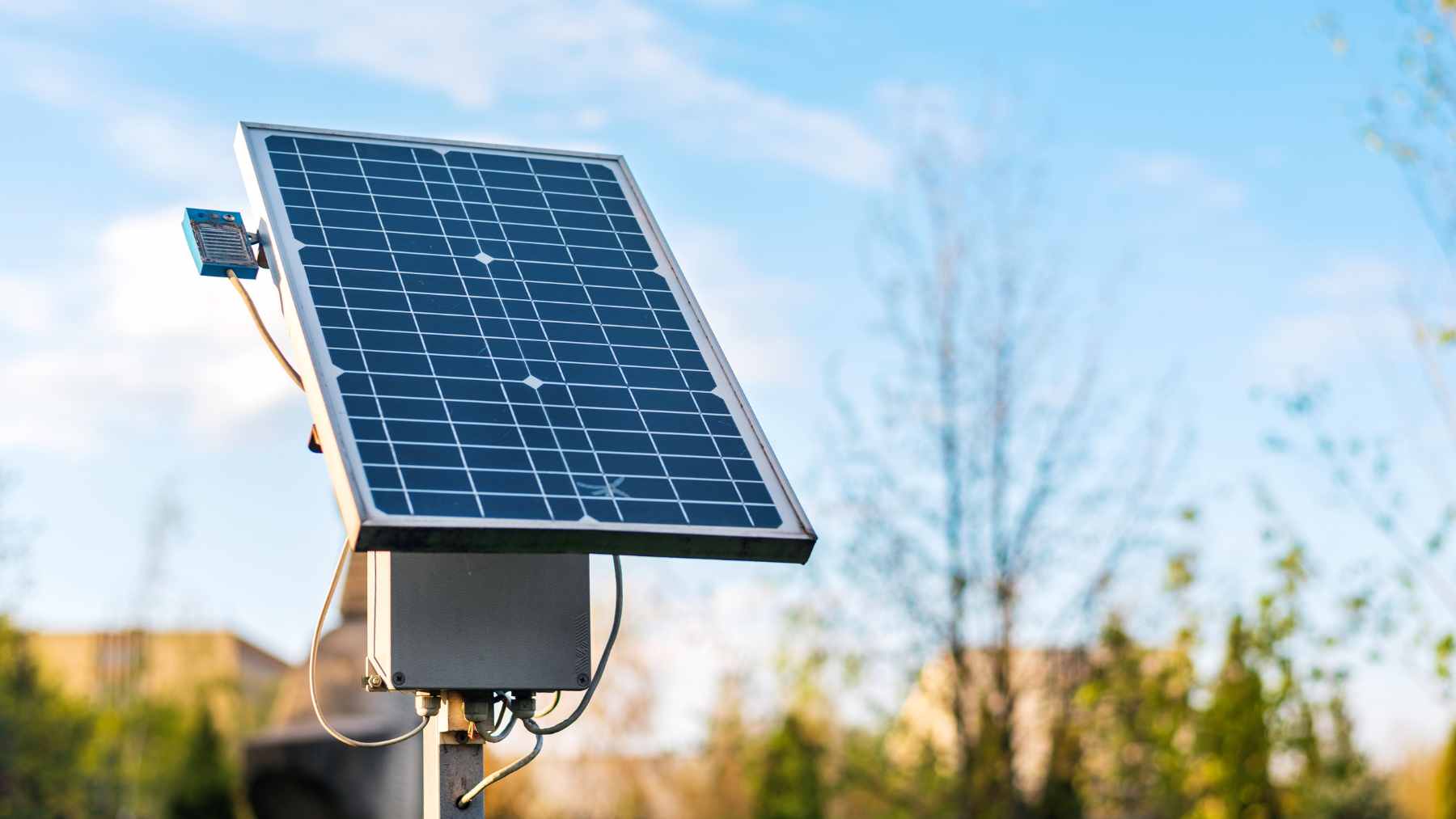
That means the families most hurt by high power prices may be the least able to escape them. At the end of the day, a rooftop panel only helps if you have a suitable roof, a reliable installer, and enough cash or credit to get started.
Supply chains are feeling the strain
Demand is running ahead of the market’s ability to install systems cleanly and quickly. Brenda Valerio, the Philippines director at New Energy Nexus, warned that installations are being slowed by component hoarding, equipment cost swings, and weak quality checks.
Quality checks may sound technical, but they matter in everyday life. A rushed solar job can mean poor wiring, weak warranties, underperforming panels, or batteries that do not match household needs. For buyers, the promise is lower bills. The risk is paying for a system that does not deliver.
There is also a broader business question. If the Philippines becomes a top destination for imported panels, local regulators will need to make sure the solar market grows with consumer protections, trained installers, and better financing, not just aggressive sales pitches.
A climate story with household roots
Solar still provides less than 4% of national power consumption in the Philippines, so this rush will not remake the grid overnight. But it points to something important: clean energy adoption can accelerate when climate goals line up with pocketbook pressure.
For the environment, every rooftop system can reduce some demand for fossil-fuel generation, especially during sunny daytime hours. For energy security, it can also give homes and businesses more control when fuel markets or grid conditions turn rough.
The trouble is that a solar transition led only by those who can afford it could widen the gap between households with energy options and households stuck paying whatever the grid charges. The technology is ready. The harder part is making sure access does not stop at the middle class.
The press release on June residential electricity rates was published on Meralco.