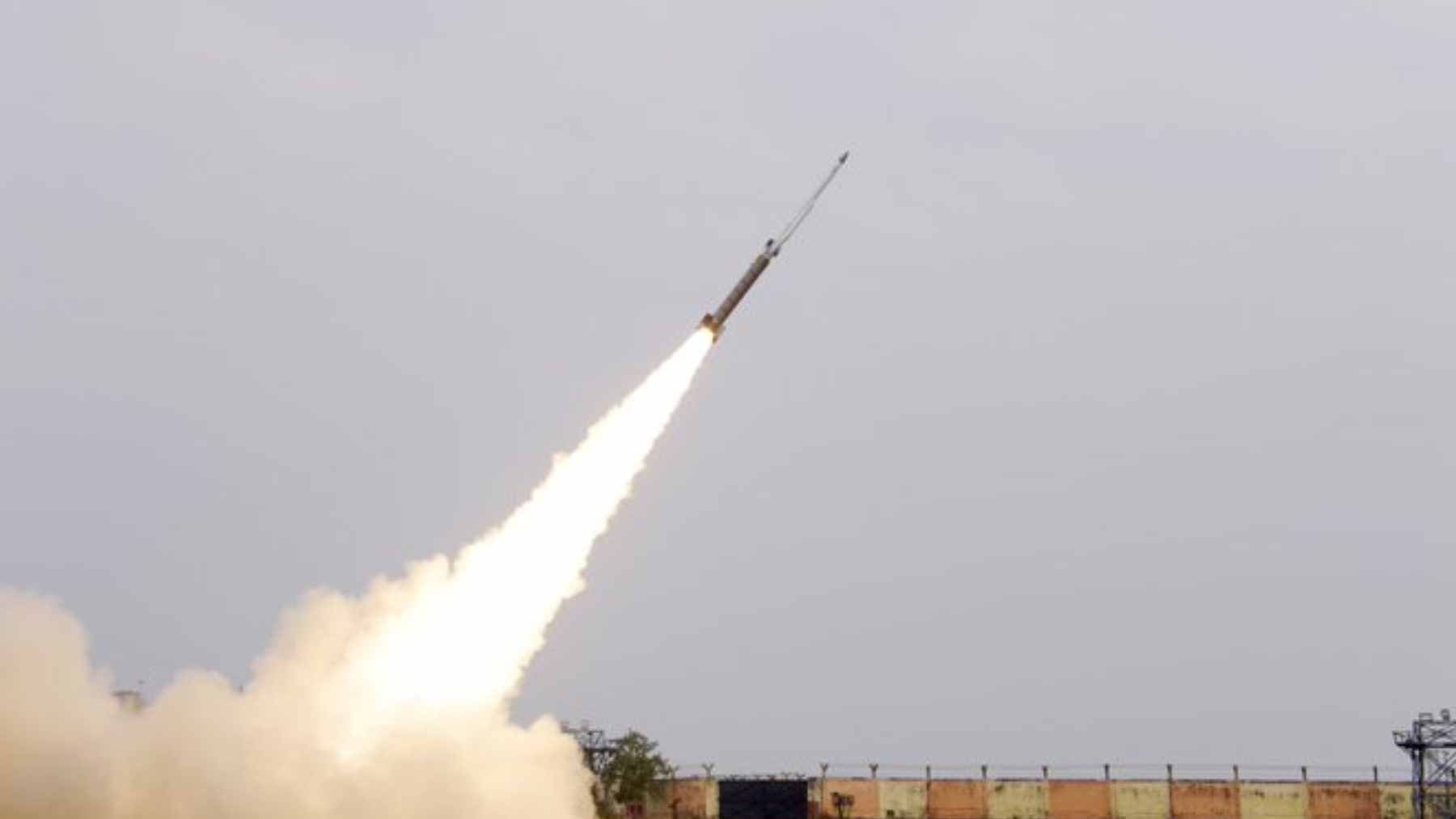
Indonesia has moved to become the first overseas customer for India’s Astra Mk-1 air-to-air missile after Bharat Dynamics Limited and Indonesia’s Republikorp signed an “Air-to-Air Missile Cooperation Agreement” in Jakarta on July 7, 2026.
The pact arrived alongside a separate BrahMos contract, giving New Delhi one of its most important defense export wins in Southeast Asia.
Indian Prime Minister Narendra Modi called the visit “a golden new chapter,” but the headline is only half the story. The real measure of success will be whether India can integrate Astra into Indonesia’s Russian-built Sukhoi fleet, support it for years, and keep unconfirmed Rafale possibilities from being reported as settled fact.
What was signed
The official outcome list names the air-to-air agreement between BDL and Republikorp, while BrahMos Aerospace signed separately with Indonesia’s Defense Ministry. Indian sources told Reuters the wider missile package was worth about $630 million, although neither government has published missile quantities, delivery dates, or a detailed price breakdown.
The broader joint statement supports joint production, technology transfer, technical assistance, maintenance facilities, and stronger defense supply chains. What it does not say is that Astra missiles will be manufactured in Indonesia, so that claim should remain a possibility rather than a confirmed part of the deal.
What Astra brings
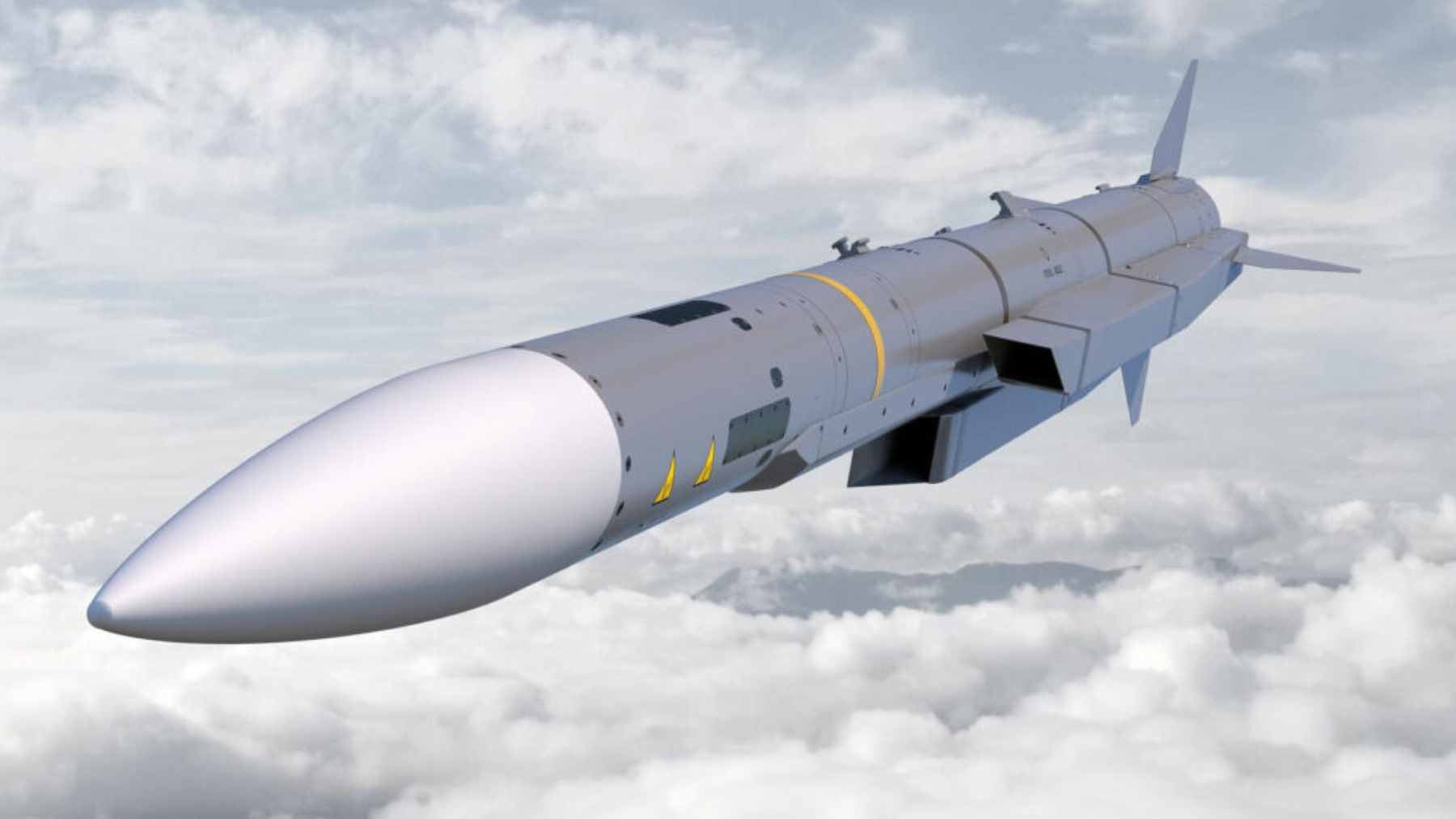
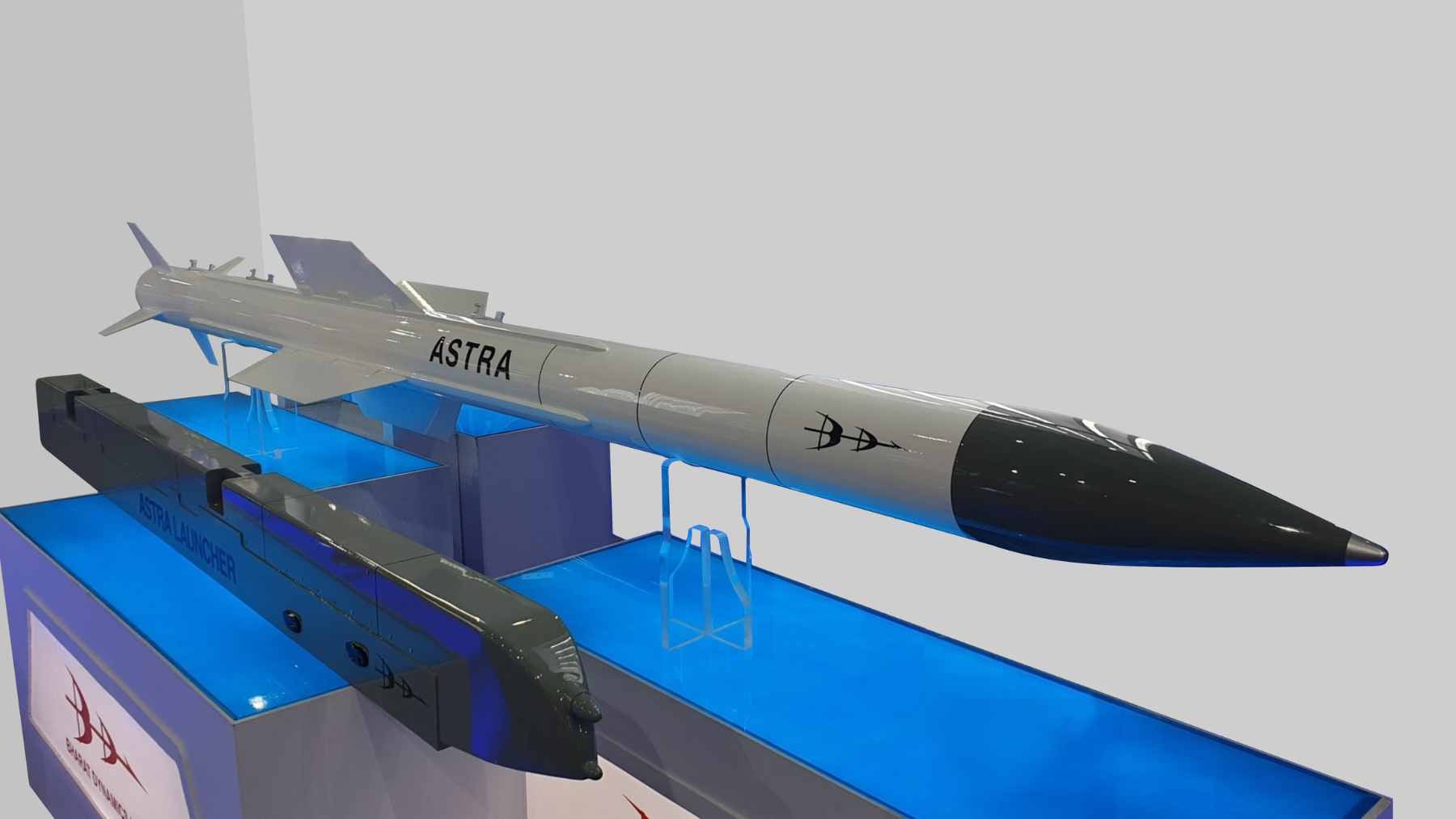
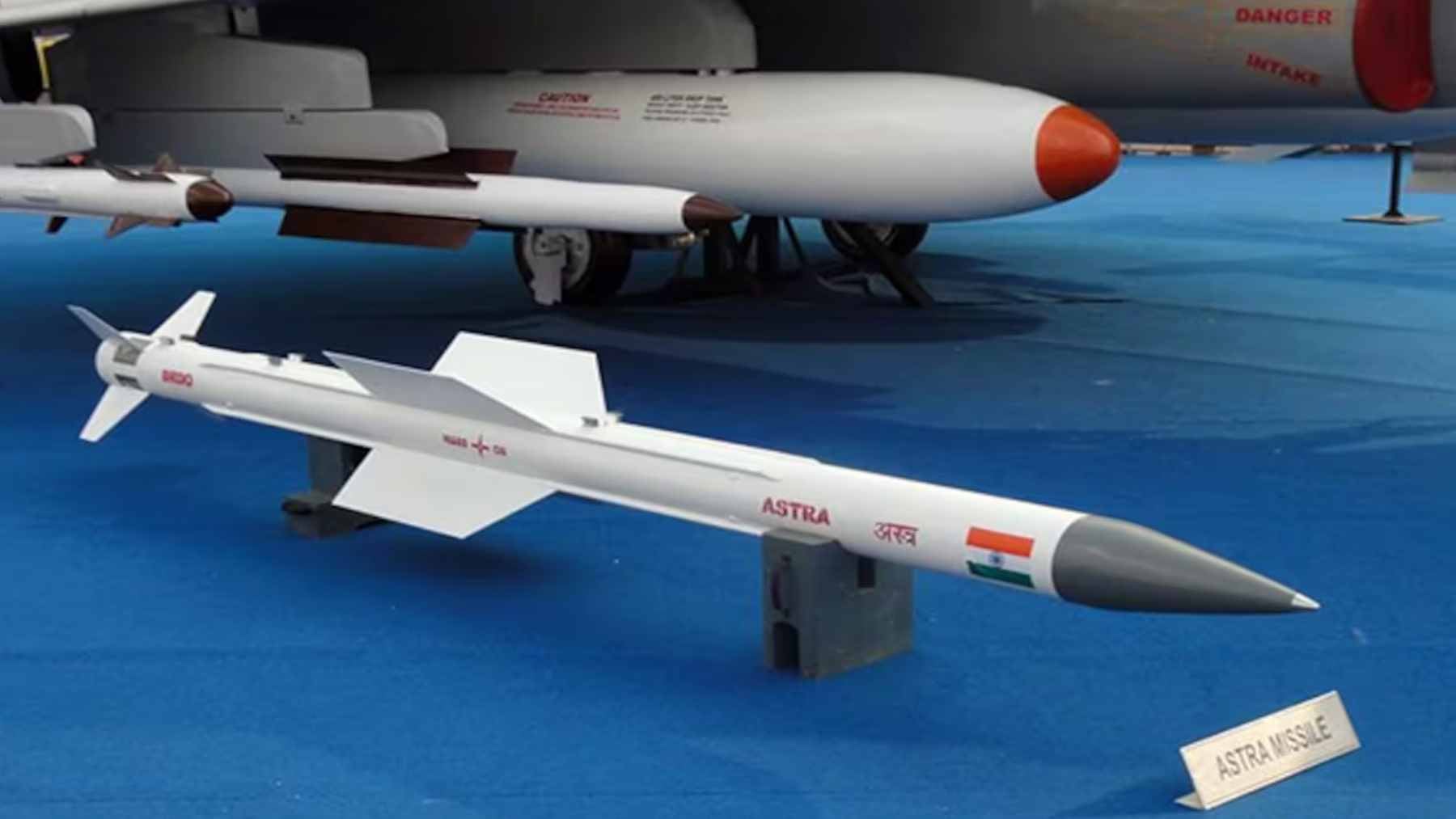
Astra Mk-1 was developed by India’s Defence Research and Development Organisation and is produced by BDL. The manufacturer lists a range of about 50 to 68 miles, a top speed of Mach 4.5, active radar homing, midcourse updates, and an operating altitude of up to roughly 12 miles.
In combat, a pilot can launch at an aircraft that is too far away to see with the naked eye. Still, published range is not a guaranteed kill distance because altitude, speed, target movement, radar quality, and electronic interference all shape the real engagement.
The Sukhoi test
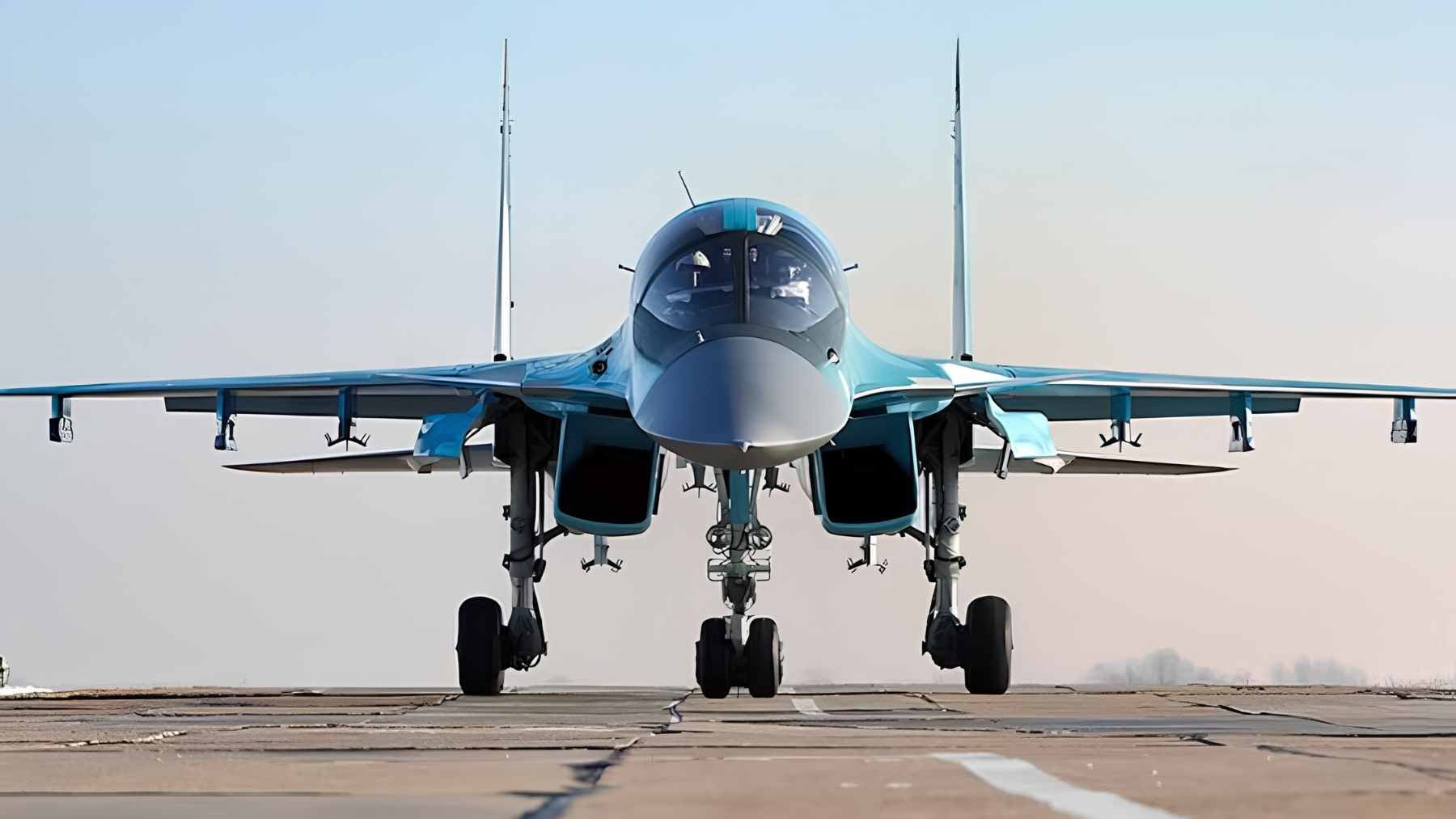
Indonesia’s Su-27 and Su-30 fighters are the most likely first platform for the weapon, and India already uses Astra on its own Su-30MKI. Yet compatibility is not the same as certification. Indonesia’s jets will need aircraft-specific work involving launch rails, wiring, software, radar data, separation trials, and live-fire testing before the missile becomes an operational tool.
That integration campaign is also where the business value grows. Training, test equipment, maintenance, spare parts, and future upgrades can matter as much as the first missile batch, especially when a customer expects the system to remain ready for decades. The reported package may include support services, but the public documents do not spell them out.
Rafale claims need caution
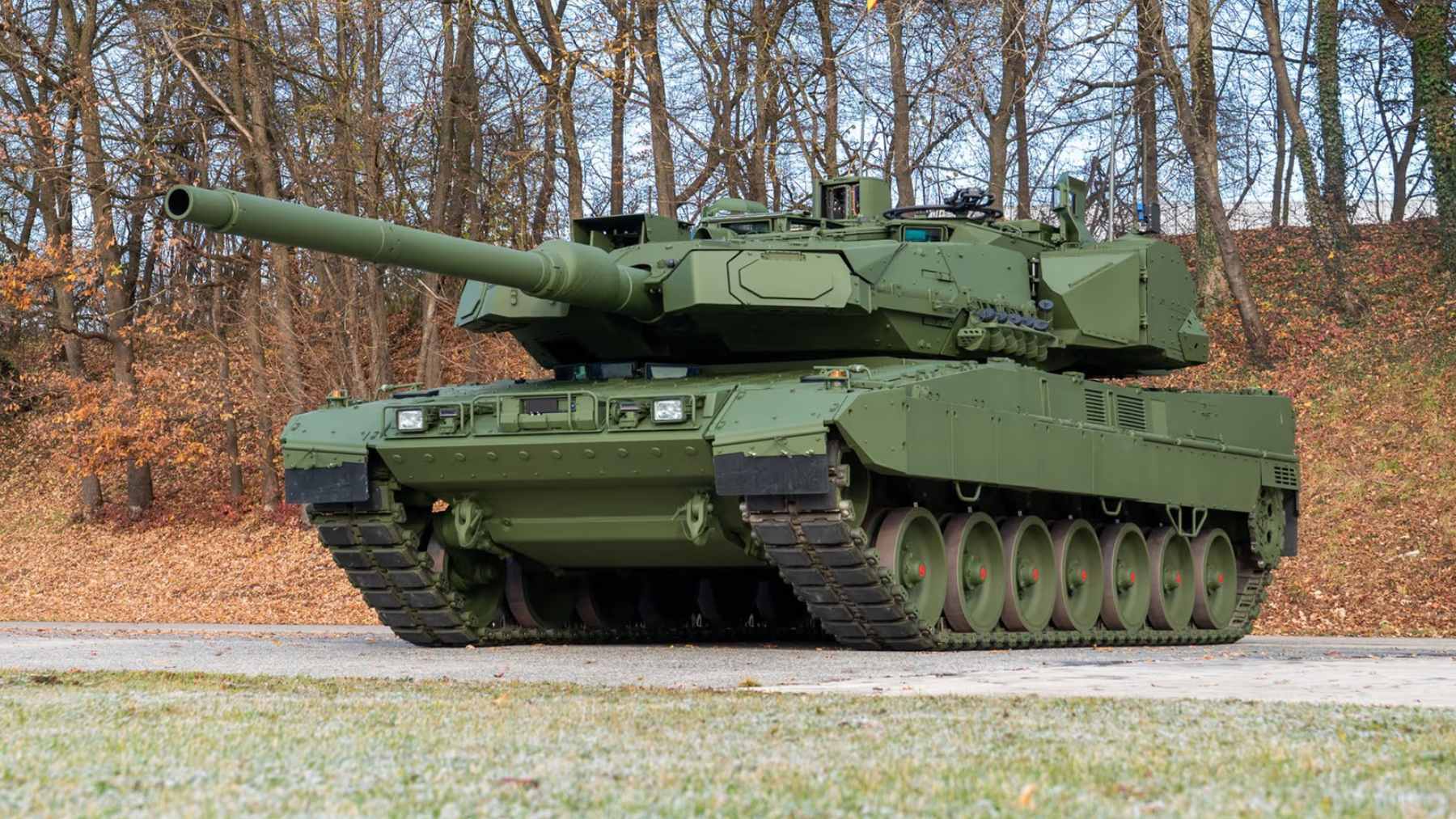
Indonesia has 42 Rafale fighters on order, and Dassault Aviation (France) says the first batch was delivered in early 2026. Dassault also says the aircraft’s stores management system follows the MIL-STD-1760 standard, which is designed to simplify the integration of customer-selected weapons.
That makes an Indian missile on Rafale technically conceivable, not confirmed. No official document from this visit announces Astra, Rudram, or BrahMos-NG integration, while Rafale already carries established air-to-air options such as Meteor and MICA.
Even if Indonesia funds such work, clearance would not automatically transfer to Egypt, Qatar, Greece, or other Rafale users.
Why Beijing will watch
The deal will inevitably be viewed through the China lens because Indonesia sits beside vital Indo-Pacific sea lanes and both governments emphasized freedom of navigation, maritime awareness, and a rules-based regional order. Still, the official statement does not name China.
It presents the missile cooperation as part of a wider effort to improve regional stability and industrial capacity.
That distinction matters. Indonesia is gaining another supplier and more room to modernize its forces, not signing a formal military alliance with India. For now, the documents point to deterrence and diversification rather than an openly anti-China bloc.
India’s export bet
The timing is important for India’s defense industry. Government data show exports reached about $4.1 billion in the 2025-26 fiscal year, up 62.7% in one year and more than 55 times the level recorded in 2013-14. An Astra sale carries extra weight because it is a complex guided weapon rather than a low-value component.
One customer does not create a global franchise, however. India will need reliable delivery schedules, secure component supplies, clear contract terms, and long-term technical support if it wants Indonesia to become a reference customer for other potential buyers across Southeast Asia. The first customer is a showroom, and also a stress test.
Security beyond missiles
The same joint statement covers pollution control, search and rescue, disaster response, port cooperation, and the blue economy. It also points to work on mangrove and peatland conservation, two environmental priorities with direct importance for Indonesia’s coastlines and climate resilience.
For fishing crews, port workers, and families living near the water, those quieter agreements may be felt sooner than any new weapon. Maritime security is not only about tracking ships or deterring attacks. It is also about cleaner seas, faster rescue, and infrastructure that can survive the next emergency.
What comes next
The next meaningful milestones will be the number of Astra missiles ordered, the integration schedule, the level of Indonesian industrial participation, and the first successful firing from an Indonesian aircraft. Until those details appear, the deal should be treated as a major opening rather than a completed operational capability.
For India, the breakthrough is real, but so is the burden that comes with it. Astra has entered the export market, and the next phase will show whether India’s support network can travel with the missile.
The official statement was published on the Indonesian Ministry of Foreign Affairs website.