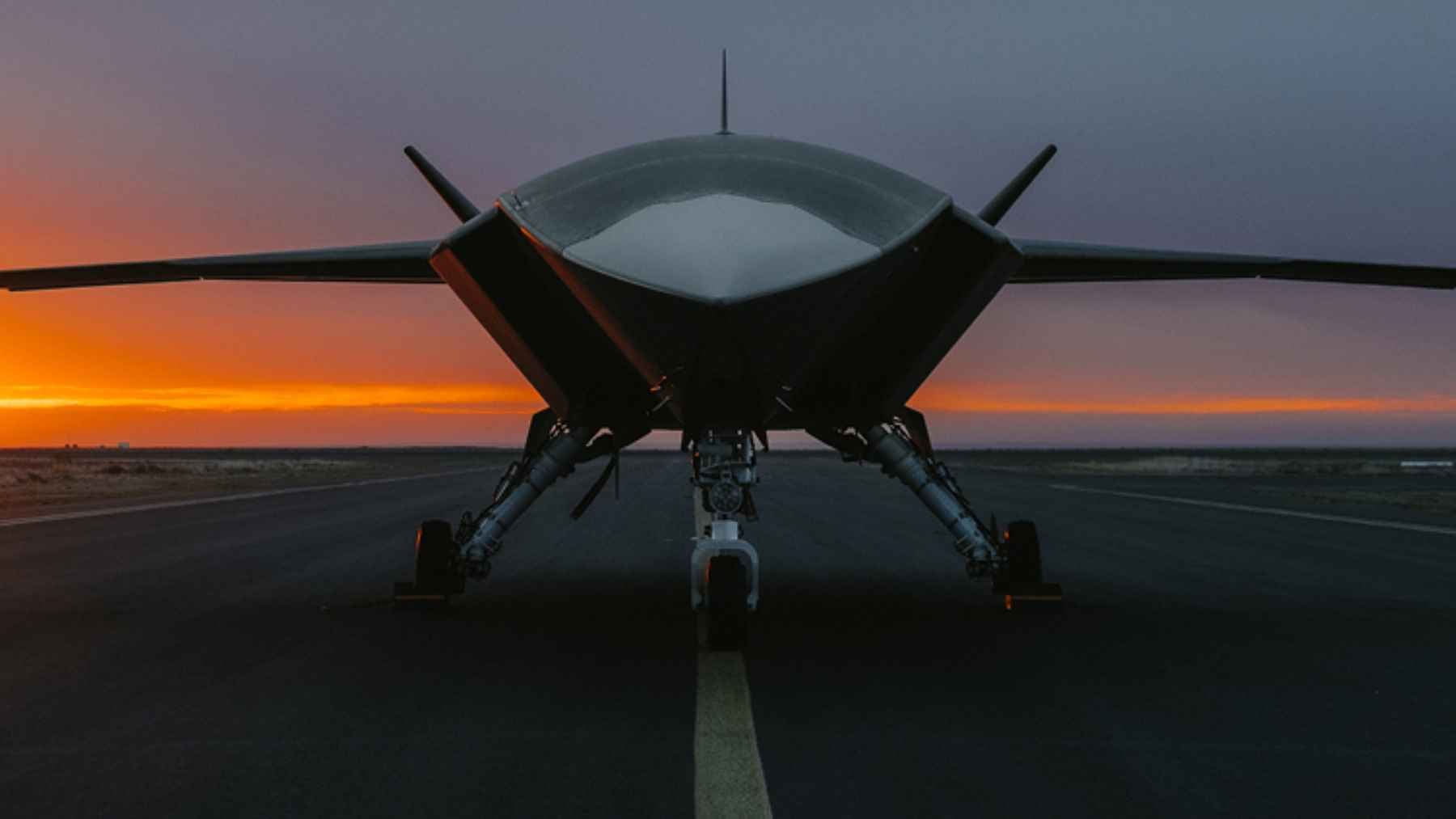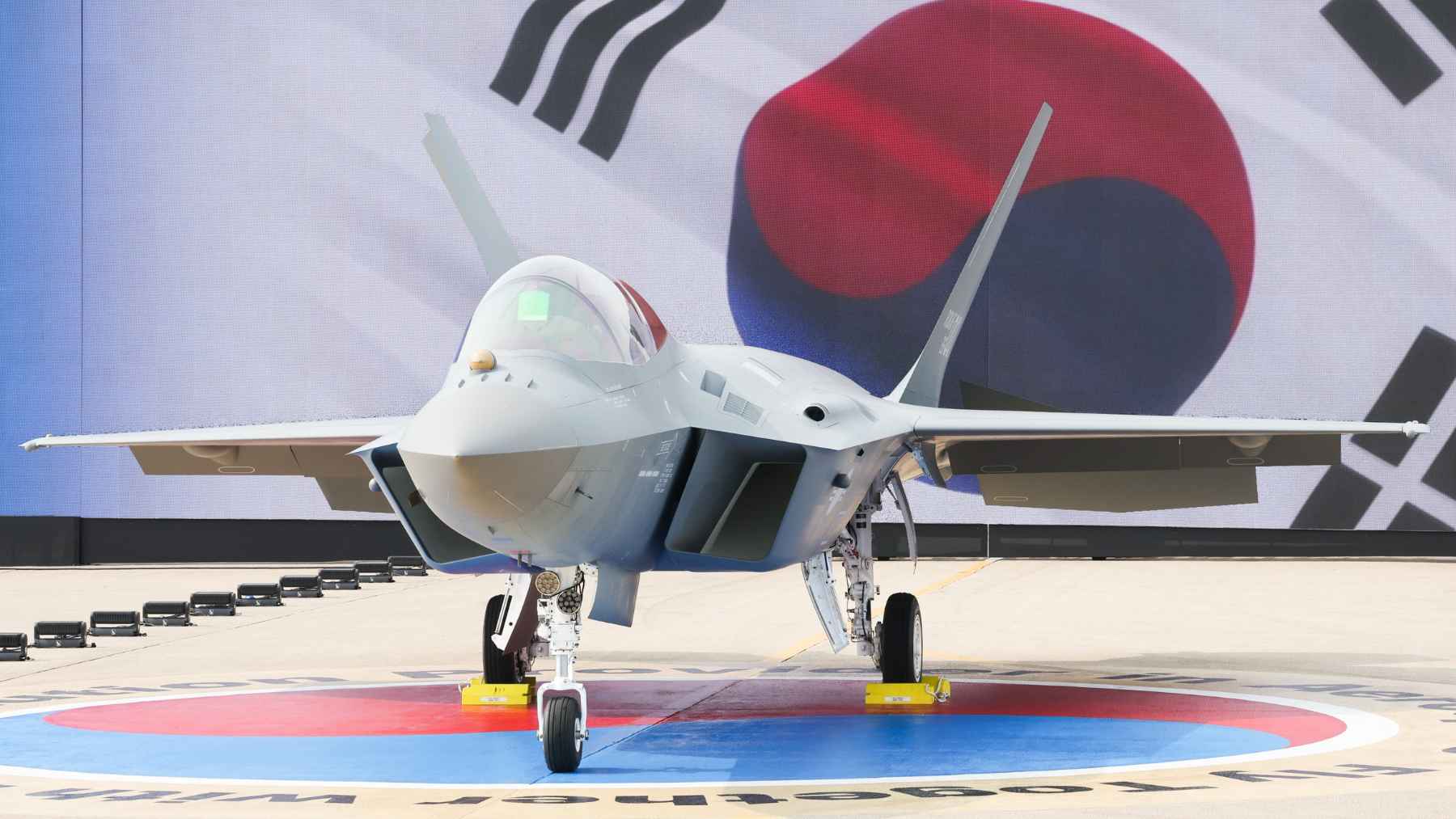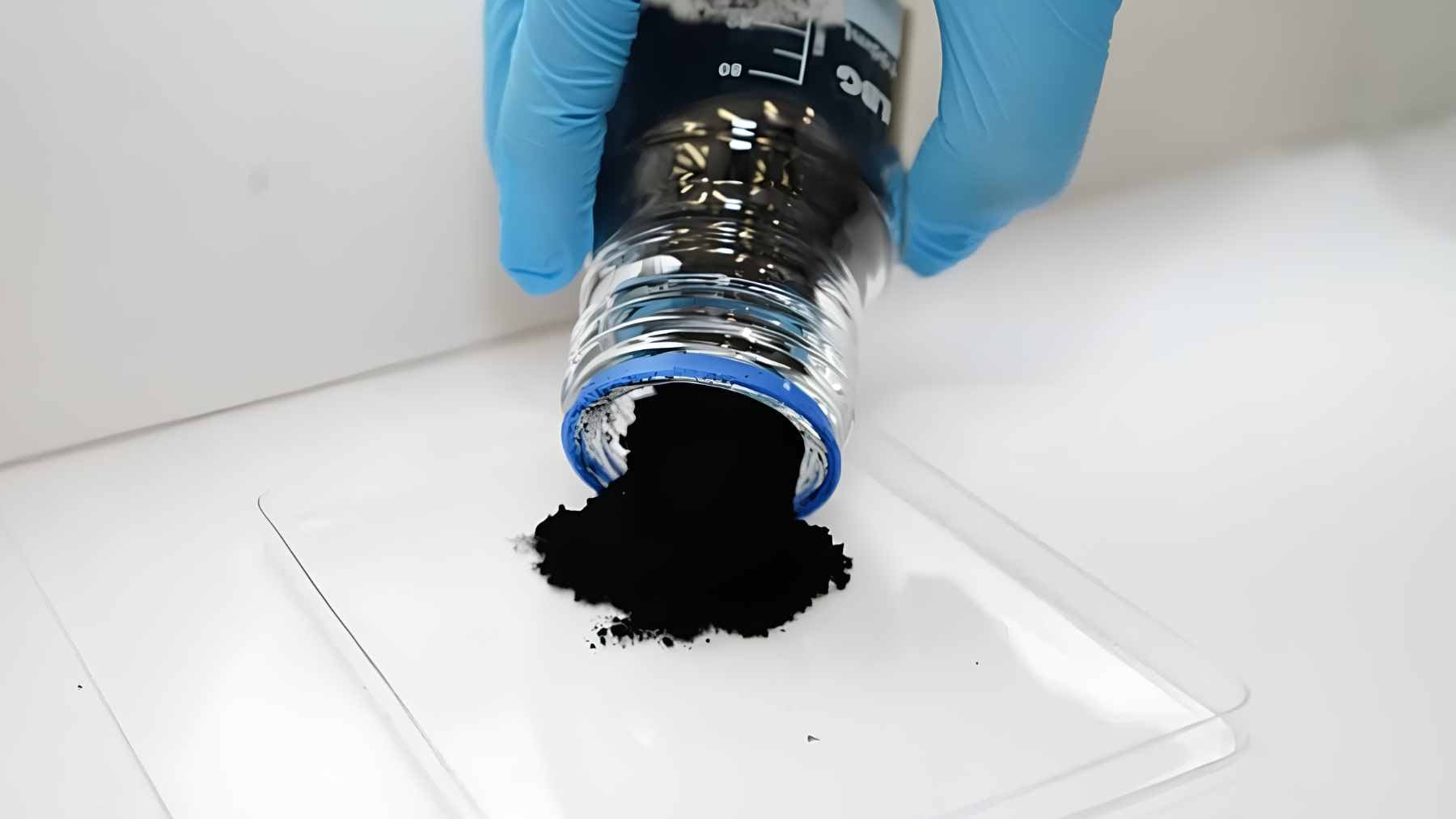
Portugal may be turning a laboratory-made carbon powder into a homegrown radar-absorbing coating for drones and combat aircraft. GTechPlasma says its graphene-based formulation could reduce an F-16’s radar signature to roughly that of a bird, making the aircraft harder to detect until much later in a mission.
The headline is dramatic, but the more important development may be less glamorous. The Portuguese spin-off has moved from university research toward pilot deliveries, industrial scale-up, and ready-to-apply paints rather than simply selling a bag of black powder.
A coating built to absorb radar
Radar systems transmit electromagnetic energy and listen for the portion reflected by a target. Stealth technology tries to reduce that return through aircraft shaping and specialized materials, while radar cross section measures how much energy is sent back in a particular direction.
Graphene is a sheet of carbon only one atom thick, but its electrical behavior can be altered when atoms such as nitrogen are introduced into its structure. GTechPlasma uses atmospheric-pressure microwave plasma to make tailored graphene materials from carbon-containing precursors such as methane or ethanol.
A 2024 peer-reviewed paper from the research team reported tunable electromagnetic behavior across frequencies from 1 to 40 gigahertz, including negative dielectric values between 30 and 40 gigahertz. That does not prove a finished stealth coating works on an operational fighter, but it helps explain why the platform is attracting defense interest.
The F-16 claim needs proof
Bruno Soares Gonçalves, a GTechPlasma co-founder and president of the Plasma and Nuclear Fusion Institute, offered the project’s most eye-catching estimate. “An F-16 would have the radar signature of a bird,” he told Euronews while describing the expected effect of the material.
Does that make an F-16 invisible? Not quite. An aircraft’s radar return changes with its shape, viewing angle, radar frequency, polarization, surface materials, and external equipment, so one bird-sized number cannot describe every encounter with every sensor.
The public studies reviewed for this article do not show a coated F-16 completing an instrumented radar-range or flight test. They validate the plasma synthesis method and useful electromagnetic properties, while the fighter comparison remains a company estimate that will need independent measurement.
From powder to paint
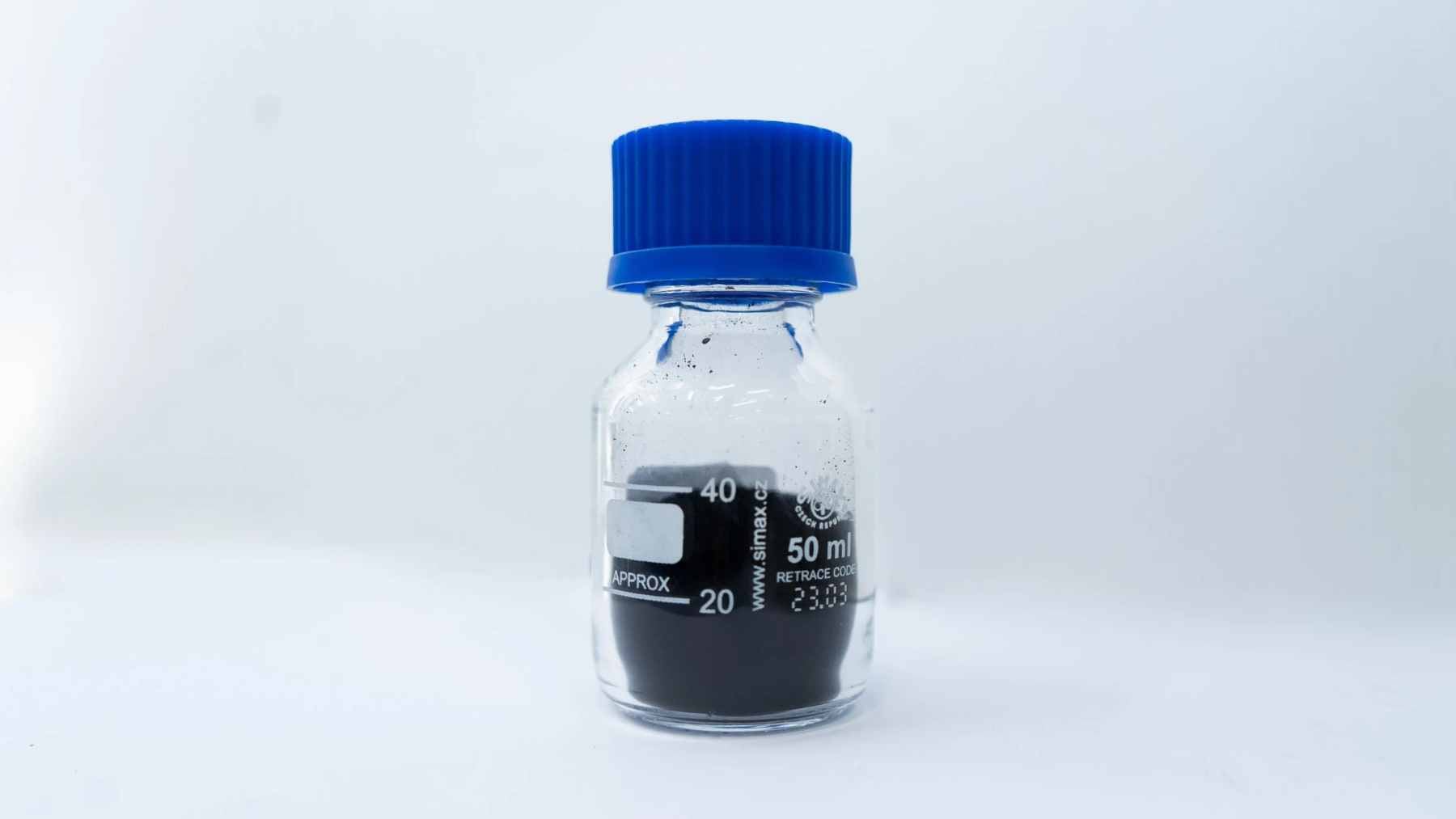
For now, the radar-absorbing material is produced as an extremely light black powder. Any operational coating would still have to adhere evenly and retain its radar performance through extreme temperatures, humidity, salt spray, and repair cycles, since harsh conditions can accelerate coating aging.
GTechPlasma says its machines now produce about 0.0014 ounces per minute, equivalent to just over 2 ounces per day if one device ran continuously. The company has already supplied about 9.2 ounces of the material to a Portuguese drone manufacturer, giving the project a first path from laboratory samples to platform testing.
The production science is advancing too. A 2025 paper demonstrated continuous plasma production at up to about 0.0011 ounces per minute without solvents, catalysts, a vacuum system, or additional heating, while a 2026 study showed single-step synthesis of several graphene-based composites.
The environmental trade-off
The plasma route could offer environmental advantages because it avoids several processing steps and materials used in other graphene production methods. Fewer solvents and catalysts may mean less chemical waste and a simpler production line, which matters when a material moves from a benchtop device to a factory floor.
Still, “environmentally friendly” should be treated as a process claim, not a complete climate verdict. A full life-cycle assessment has not been disclosed in the public material reviewed for this article, leaving open questions about electricity use, carbon feedstocks, factory emissions, coating lifetime, and end-of-life disposal.
That nuance matters. A cleaner synthesis route can be valuable, but a coating that needs frequent replacement could give back some of those gains through extra material use, maintenance, and waste.
Portugal’s industrial bet
Industrial partner Plasmaphene plans to scale the production equipment in Vila Viçosa, using a modular approach with several devices. Multiple machines would add flexibility and allow different graphene recipes to be produced at the same time, which could turn one research platform into a small advanced-materials factory.
For Portugal and the European defense sector, the business case is about more than one fighter jet. GTechPlasma presents the material as a European-controlled alternative in a field where high-performance stealth coatings are closely guarded, while its official product portfolio also targets electromagnetic shielding, composites, sensors, and protected electronics.
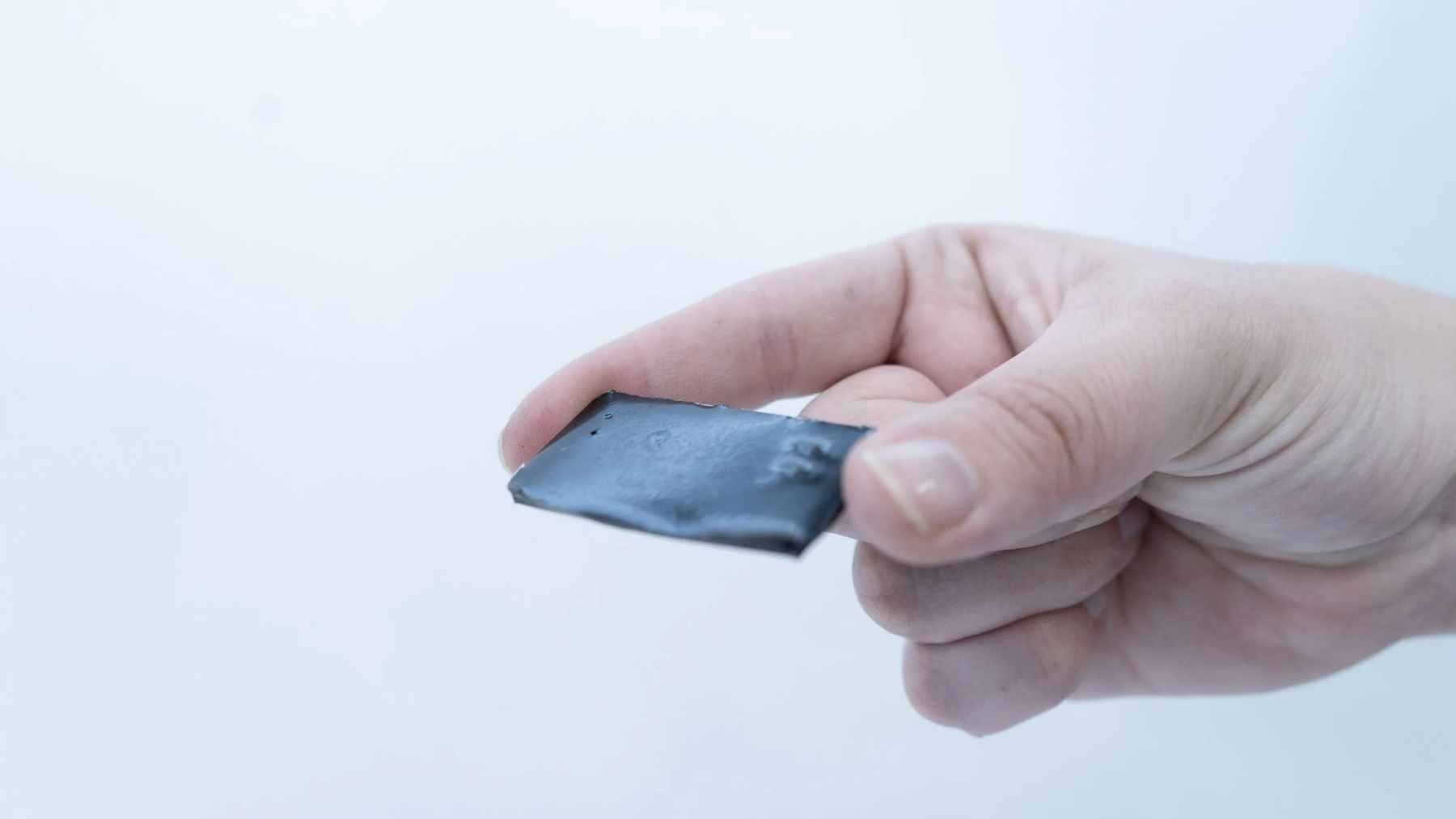
Because the first disclosed customer is a Portuguese drone manufacturer, unmanned aircraft may become the practical proving ground. Drones generally offer a smaller and less costly test platform than crewed fighters, so progress there could come well before anyone considers coating an F-16 fleet.
More than a defense material
The same plasma system can change its production “recipe” to create graphene derivatives for different uses. The team points to hydrogen storage, rare-earth and uranium separation, energy storage, sensors, and electromagnetic shielding, although most of those opportunities remain at the research or development stage.
In practical terms, that makes GTechPlasma a dual-use materials company rather than simply a stealth-coating startup. The defense headline may open doors, but the broader value could come from a flexible manufacturing platform that supplies several industries from the same core plasma technology.
What comes next
The next milestones are clear enough. Independent radar testing, durability data, repeatable factory output, integration into a usable paint, and qualification on real platforms will determine whether Portugal has created a defense breakthrough or an impressive laboratory material still searching for its final form.
For now, the biggest achievement is not an invisible F-16. It is a Portuguese graphene process that has moved close enough to industry for customers, manufacturers, and defense planners to start testing what it can really do.
The newest paper focuses on scalable synthesis rather than a complete aircraft stealth trial.
The latest peer-reviewed study describing the plasma platform was published in Nanomaterials.