Poland’s first F-35A Husarz jets have now arrived in the country, and that changes the military map on NATO’s eastern edge. Lockheed Martin said the first three aircraft arrived in Poland on June 12, 2026, calling it a major step in the Polish Air Force’s move into fifth-generation airpower.
This is not just another fighter-jet story. The arrival of the F-35 also sharpens an uncomfortable question for Europe: how much more fuel, industrial capacity, and environmental pressure will come with a new era of high-tech deterrence?
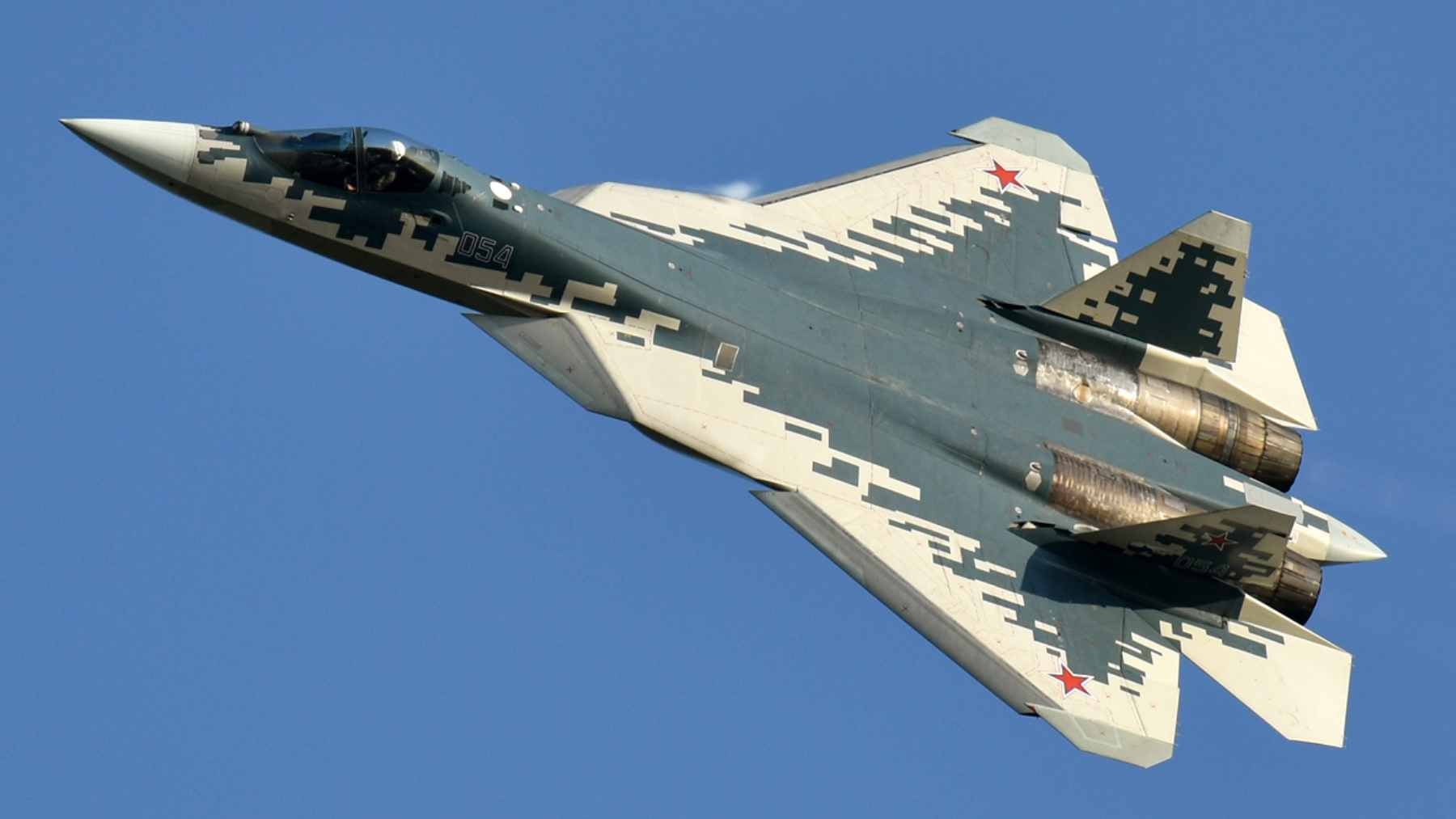
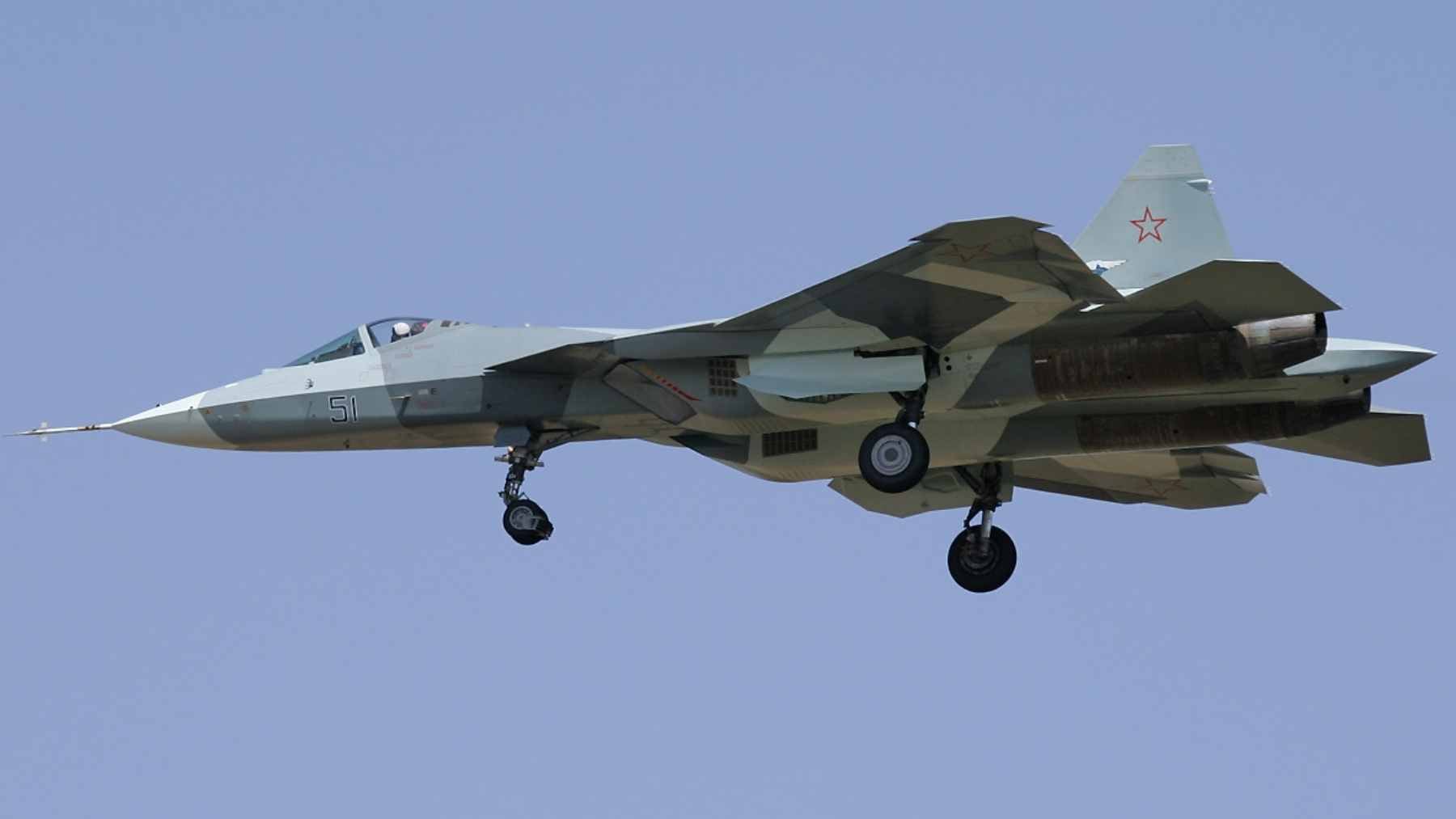
Poland bought 32 F-35A aircraft in a deal valued at $4.6 billion, and Russia’s closest answer is the Su-57, a larger, twin-engine fighter built around a very different idea of air combat.
A new jet on NATO’s edge
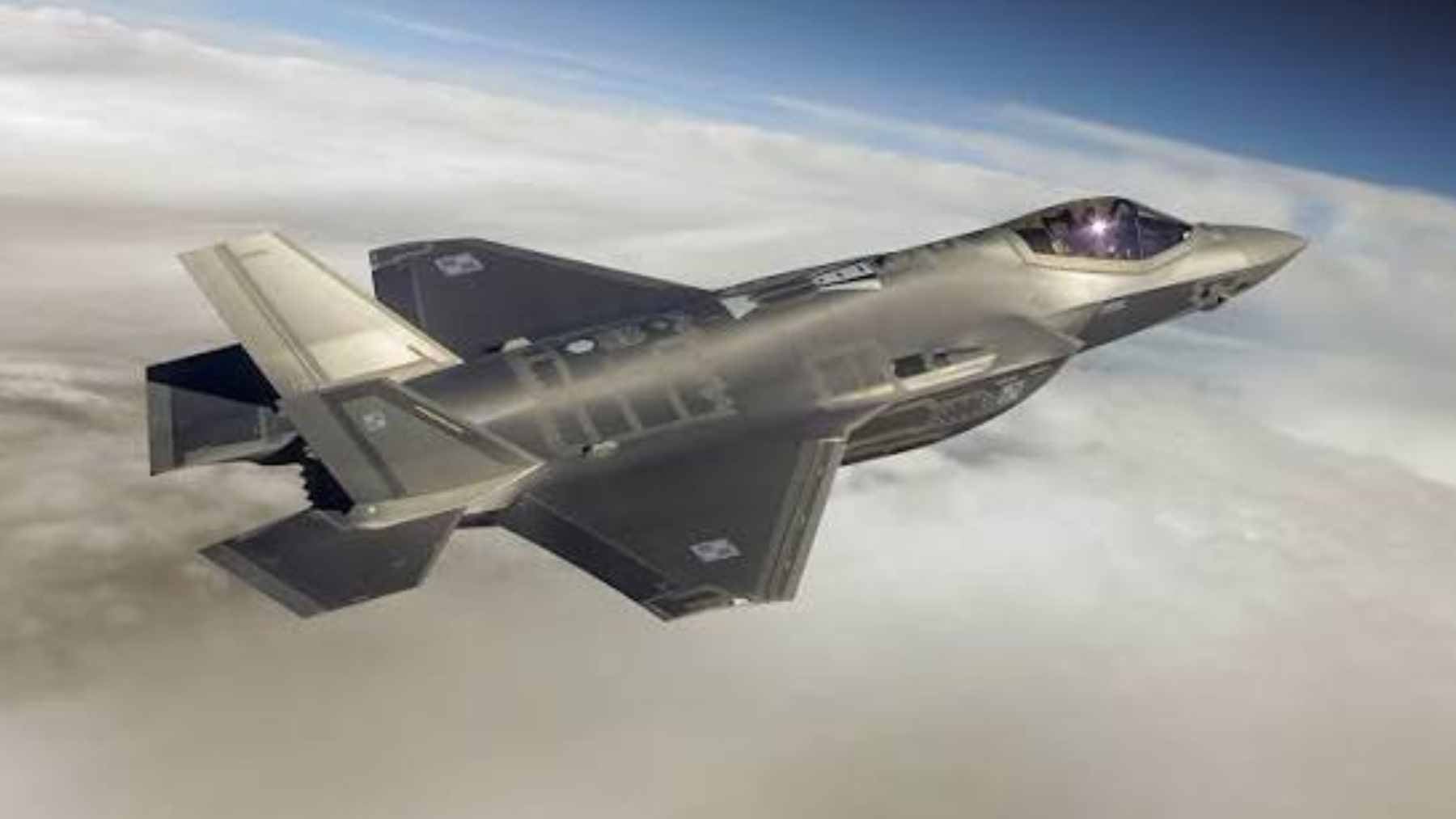
The F-35’s arrival gives Poland something it has never had before: a stealth aircraft designed to gather, process, and share battlefield information while remaining harder to detect. That matters in a region where air defense, drones, electronic warfare, and missile threats are no longer abstract topics.
Lockheed Martin described the F-35 as a connected fighter that combines stealth, sensors, and information fusion. In practical terms, the aircraft is not just supposed to shoot first, but also help other units understand what is happening around them.
For everyday readers, think of it less like a lone sports car and more like a flying command hub–fast, quiet, expensive, and constantly feeding data into the larger team.
The Su-57 is not a mirror image
Russia’s Su-57 is often placed next to the F-35 because both are fifth-generation fighters. That comparison is useful, but only up to a point.
The F-35A is a single-engine multirole aircraft listed by the U.S. Air Force with a 35-ft. wingspan, 18,498 lbs. of internal fuel, an 18,000-lb. payload, and a top speed of about Mach 1.6, or roughly 1,200 mph.
The Su-57E export version is bigger and heavier. Rosoboronexport lists a maximum takeoff weight of about 75,000 lbs., a maximum payload of about 16,500 lbs., a combat radius of roughly 780 miles, and a service ceiling of 61,700 ft. Other published details from Rosoboronexport material put the aircraft at about 65 ft. long with a wingspan close to 46 ft.
Stealth is not a magic cloak
Here is where the debate gets tricky. The F-35 was designed around low observability and networking from the beginning, while the Su-57 balances stealth with speed, maneuverability, and a more traditional Russian view of air combat.
A Sukhoi patent often cited in discussions of the Su-57 says the design aimed to reduce radar visibility to an average of about 0.1 to 1 m². That figure does not reveal the exact performance of a production aircraft, and radar cross-section changes depending on angle, radar type, weapons load, and maintenance condition.
Does that mean the Su-57 is easy to see? Not necessarily. It likely remains much harder to detect than older fighters in many situations, but the F-35 appears to have the stronger stealth and data-fusion advantage, especially before the two aircraft ever get close enough for a classic dogfight.
The environmental cost is harder to ignore
The military question is obvious. The environmental one is quieter, but it is there every time a fighter takes off.
The U.S. Defense Innovation Unit has described the Department of Defense as the largest government consumer of fuel, and noted that global aircraft fuel logistics rely on ships, tanker planes, and convoys. That is why the Pentagon has tested synthetic fuel concepts that could reduce supply-chain strain and greenhouse gas emissions.
This does not mean Poland should ignore its security needs. Russia’s war against Ukraine has made that argument far less theoretical. Still, fifth-generation airpower comes with a long tail, including training flights, maintenance facilities, spare parts, fuel storage, specialized coatings, software upgrades, and industrial production.
At the end of the day, a stealth jet is not just what people see at an air show. It is a whole ecosystem.
NATO’s climate problem meets deterrence
NATO already recognizes that climate change is a security issue. The alliance calls it a threat multiplier that affects operations, missions, infrastructure, and even aircraft performance in harsher weather conditions.
NATO’s Climate Change and Security Action Plan also says the alliance will develop methods to map greenhouse gas emissions from military activities and installations. That is an important step, because you cannot manage what you do not measure.
So Poland’s F-35s sit at the center of two truths: they strengthen deterrence on NATO’s eastern flank, but they also arrive during a period when militaries are being asked to count the carbon cost of readiness. That balance will not be easy.
Production tells its own story
The F-35 has one big advantage that does not show up in a one-on-one matchup: scale.
Lockheed Martin said it delivered 191 F-35s in 2025, a record for the program, and said the global fleet stood at almost 1,300 aircraft and growing. That gives the jet a huge support network of pilots, maintainers, suppliers, software teams, and allied operators.
The Su-57, by contrast, remains a much smaller force. Russia has an order for 76 aircraft, but public delivery numbers are harder to verify, and the pace has been slower than the F-35 program’s industrial rhythm. That does not make the Su-57 harmless, but it does mean Poland is joining a far larger airpower community.
What comes next
For Poland, the real story is not whether the F-35 can beat the Su-57 in a clean, movie-style duel. Real combat is messier than that.
The bigger question is how the F-35 fits into Polish air defense, NATO sensors, drones, satellites, ground systems, and fuel planning. The jet is powerful on its own, but its real value comes when it acts as part of a network.
And yes, the environmental bill will keep growing as militaries modernize. The smarter path is not pretending that fuel and emissions do not matter. It is measuring them honestly, cutting waste where possible, and making sure new technology protects both people and the places they live.
The official press release was published on Lockheed Martin.