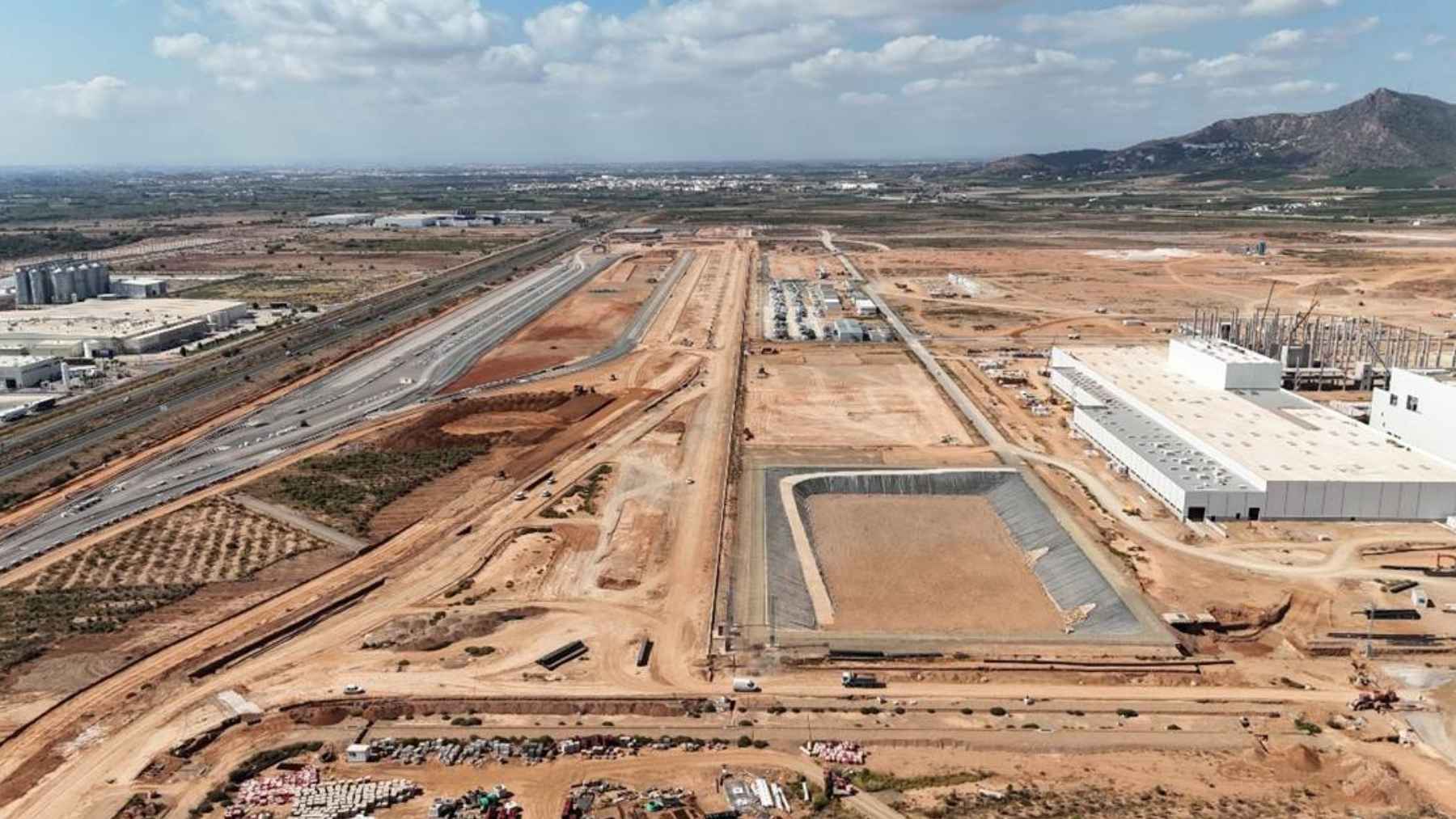
Spain’s Parc Sagunt II has allocated close to 80% of its available industrial land only one year after sales opened. The awards cover more than 8.6 million ft.², roughly 198 acres, for major industrial and logistics projects expected to create over 950 direct jobs and attract more than $377 million at recent exchange rates. For a project of this size, that is a strikingly fast take-up.
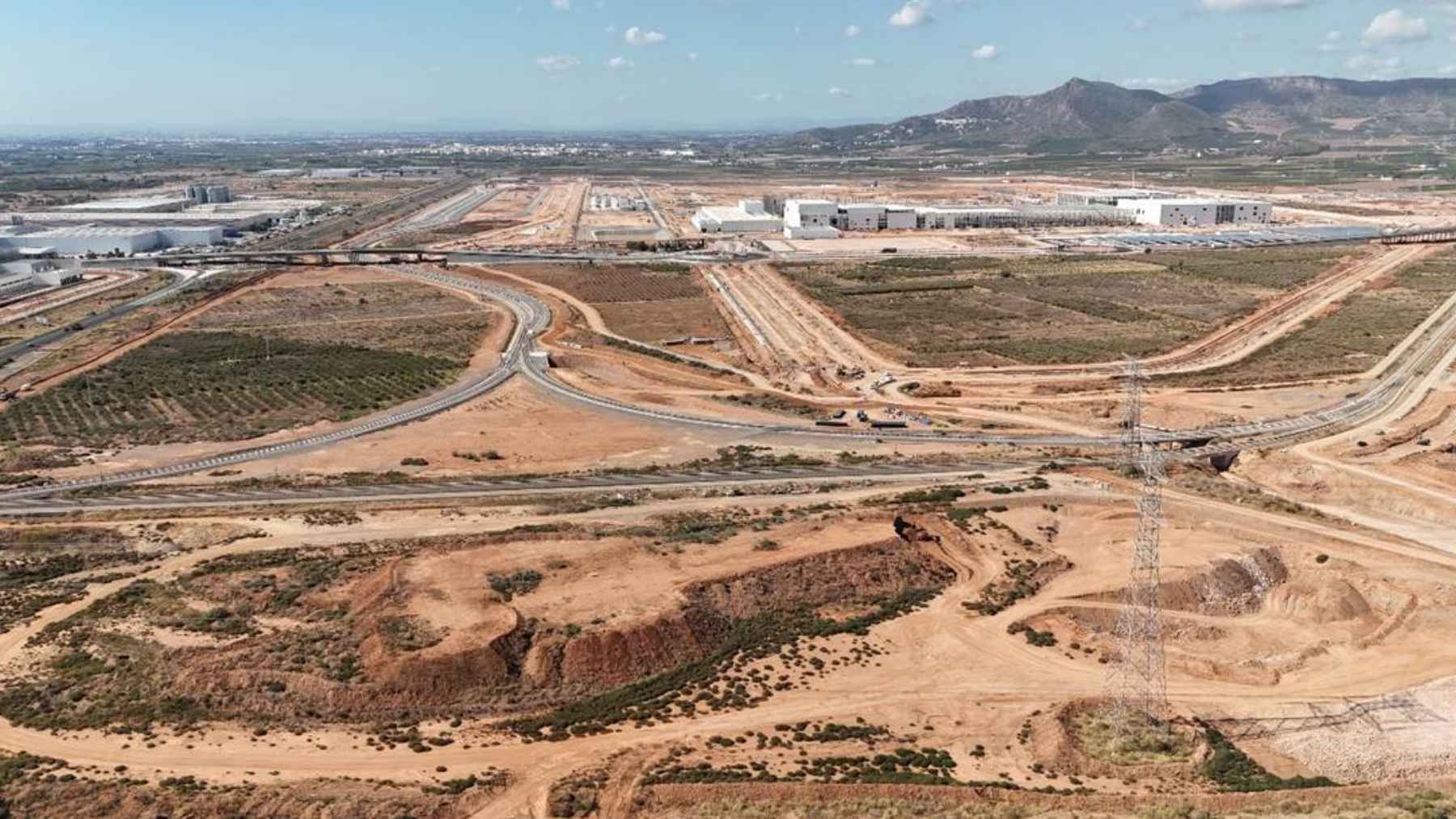
The business case is clear, but the environmental conclusion is more complicated. Parc Sagunt II is being built as a major battery, manufacturing, and freight hub on Spain’s Mediterranean coast, and its planning documents include solar power, water reuse, green corridors, and wildlife protection.
Now comes the harder part: turning those safeguards from lines on a plan into infrastructure that works every day.
Four out of five acres are spoken for
EEE, the publicly owned developer split evenly between the Valencian regional government and Spain’s SEPIDES, began marketing the main industrial land in August 2025.
The original offer covered about 247 acres across four large plots, giving companies enough space for factories, warehouses, and logistics campuses that are difficult to fit into older industrial parks. Official documents also point to road and rail connections and the nearby Port of Sagunto.
The pace of demand leaves only a small share of industrial land available. Parc Sagunt’s current notice offers two industrial subplots and four tertiary plots, with bids open until October 15, 2026. According to the update provided for this story, the tertiary sites entered the market later and had not yet been awarded.
Big projects are driving demand
Scale is Parc Sagunt II’s main selling point, and in January EEE completed the sale of a roughly 94-acre plot to Alveston ITG for a major logistics project worth about $74.2 million at the same ECB conversion rate.
Ester Olivas, Valencia’s director general for strategic projects, called the transaction “a key step” in consolidating the park as a Mediterranean industrial and logistics center. The development also includes Volkswagen Group’s PowerCo battery gigafactory, placing energy technology beside one of Spain’s biggest new freight clusters.
So what does the 80% figure really prove? It shows that businesses are willing to commit large sums to well-connected industrial land, especially when plots are ready for projects that need room to spread out, but fast land sales do not, by themselves, prove that the finished district will be low carbon, and that judgment will come later.
The green rules are unusually detailed
Parc Sagunt II’s urban plan reserves more than 10% of the development area for green space. It also requires a carbon footprint study that accounts for the citrus groves removed, measures the benefit of new planting, and determines how much forest land must be restored as compensation. That is a more concrete approach than simply promising to “add trees.”
The plan also calls for a biological corridor linking the Serra Calderona area with the Palancia River and the Marjal dels Moros wetland. Open land inside the biggest logistics plots must remain free of buildings and soil sealing, while a wildlife crossing is proposed over the CV-309 road.
Basically, the park is supposed to act less like one solid slab of concrete and more like a district with paths for water, plants, and animals.
Water will be a major test
Industrial growth along Spain’s Mediterranean coast has to answer a basic question: where will the water come from? Parc Sagunt II’s plan identifies the Sagunto desalination plant as the main initial source, with the Turia to Sagunto pipeline available for later increases in demand.
The drainage system is meant to keep wastewater and rainwater separate. Roof runoff would be directed into surface detention basins, while rain gardens, planted filter strips, infiltration wells, and filtered drains would slow and clean water before treatment or controlled release.
The plan also considers reclaimed water, recovered condensation from cooling equipment, and treated water suitable for aquifer recharge.
That sounds technical, but the everyday effect is easy to picture. Instead of a summer storm racing off warehouse roofs and flooded pavement all at once, the system is designed to catch, filter, and reuse part of that water. Whether it performs as intended during intense rain will be one of the clearest measures of environmental success.
Solar roofs cannot do all the work
New buildings and covered surface parking areas larger than 10,760 ft.² must carry photovoltaic systems, with at least 15 kilowatts of installed capacity. The plan says electricity should preferably come from renewable sources, and it favors native or adapted plants that need moderate amounts of water.
Those measures can cut operating impacts, particularly across the enormous roofs common in logistics parks.
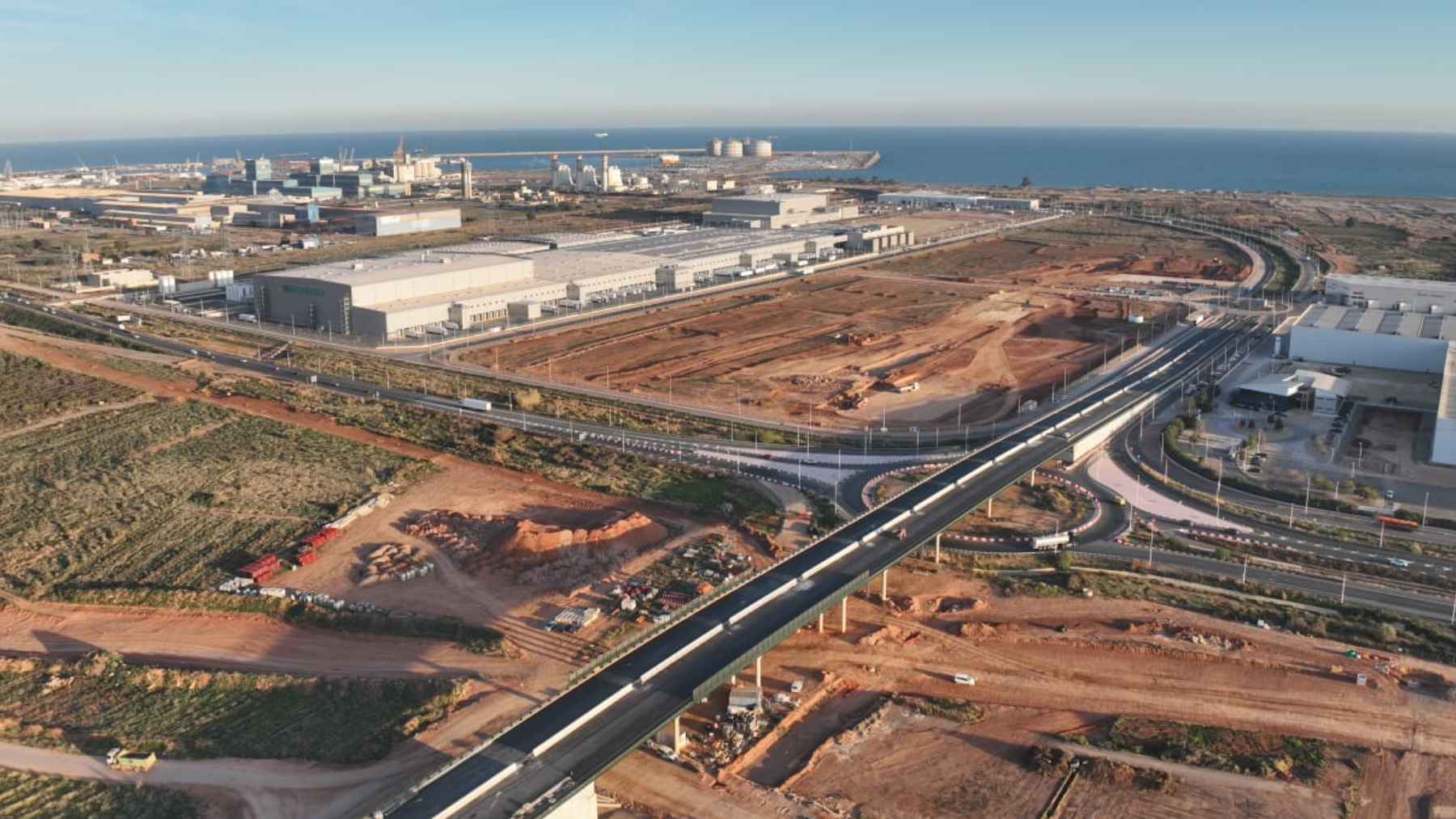
Freight remains the elephant in the warehouse, however. Parc Sagunt II’s location near highways, rail lines, and a port is why companies want it, yet the final carbon footprint will depend heavily on how much cargo moves by rail, how many workers can use shuttle buses, and how often trucks run empty.
The plan provides for transport interchanges, worker shuttles, and cycling links, including EuroVelo 8.
A solar roof helps. It cannot erase a diesel-heavy supply chain on its own. That is why rail access and day-to-day transport data may matter as much as the panels visible from the road.
The next numbers matter most
The first year’s figures tell a strong business story. Parc Sagunt II has found companies for four out of every five available industrial square feet, while planned investment and jobs offer a sizable economic boost for the Valencia region. Market demand, for the most part, is no longer the question.
The next set of numbers should be environmental. How much freight travels by rail, how much water is reused, how much solar electricity is generated, how much land remains permeable, and whether the ecological corridor is completed will show what this project really becomes.
At the end of the day, a modern industrial park is green only if those systems keep working once the factories, trucks, and workers arrive. That is the real scorecard to watch.
The official commercialization notice was published on Parc Sagunt.