Can East Africa reduce its dependence on imported fuel without placing one of Kenya’s most sensitive coastal areas under too much pressure? President William Ruto’s economic advisor, David Ndii, says construction of Aliko Dangote’s proposed refinery is expected to begin before the end of 2026, moving the project closer to reality after months of uncertainty.
The latest company details point to Lamu as the chosen site and describe a plant capable of processing 700,000 barrels of crude oil per day. That scale could transform regional energy trade, but the groundbreaking date is only one part of the story.
Financing, environmental approval, local consultation, and realistic construction planning will decide whether the project becomes a durable asset or another expensive promise.
Construction moves closer
Ndii gave the clearest timetable yet when he wrote, “Construction will start this year,” in response to a question on X on July 7, 2026. Dangote Industries vice president Edwin Devakumar separately said the site had been selected, soil testing was underway, and design and engineering work had begun.
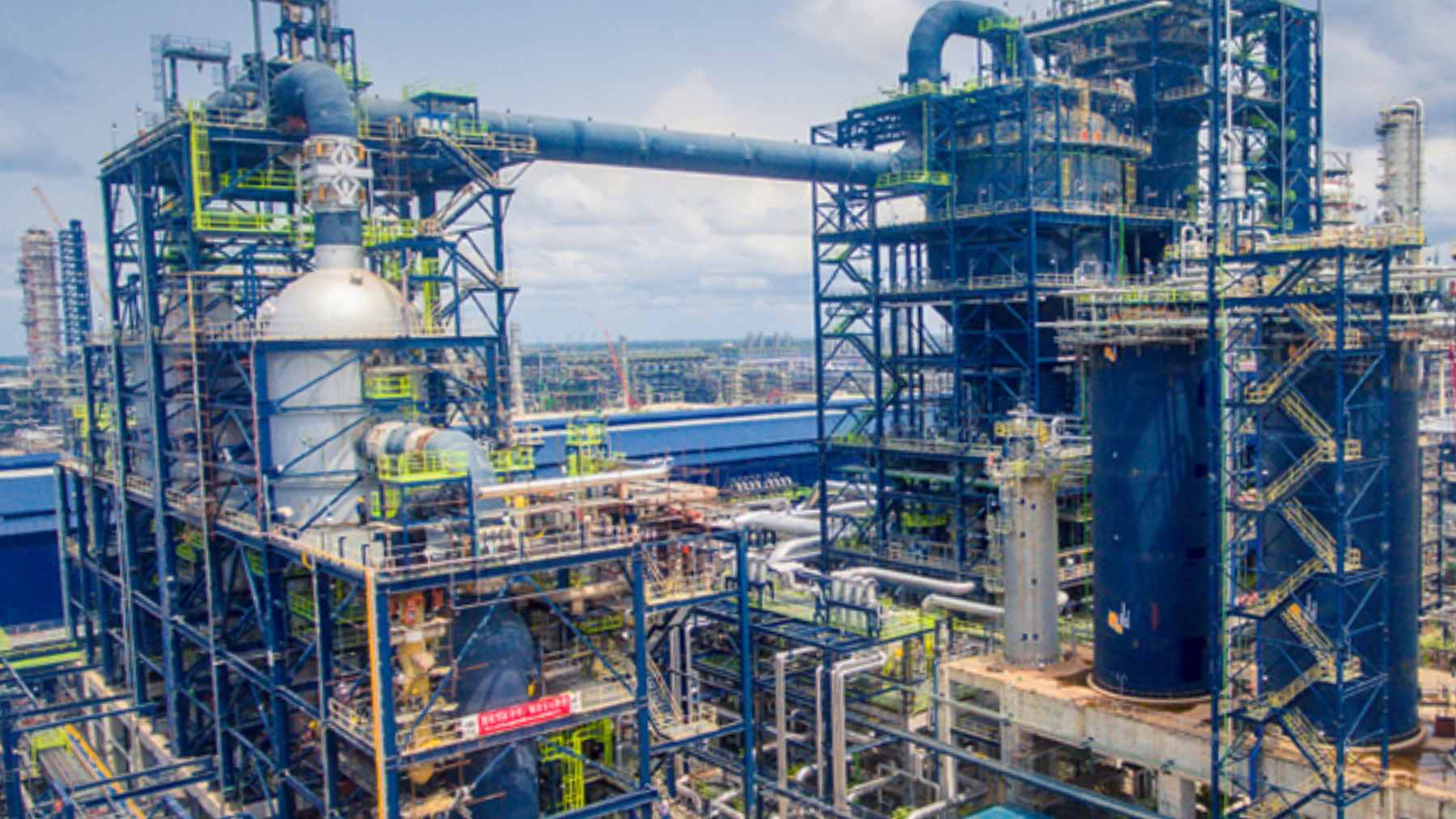
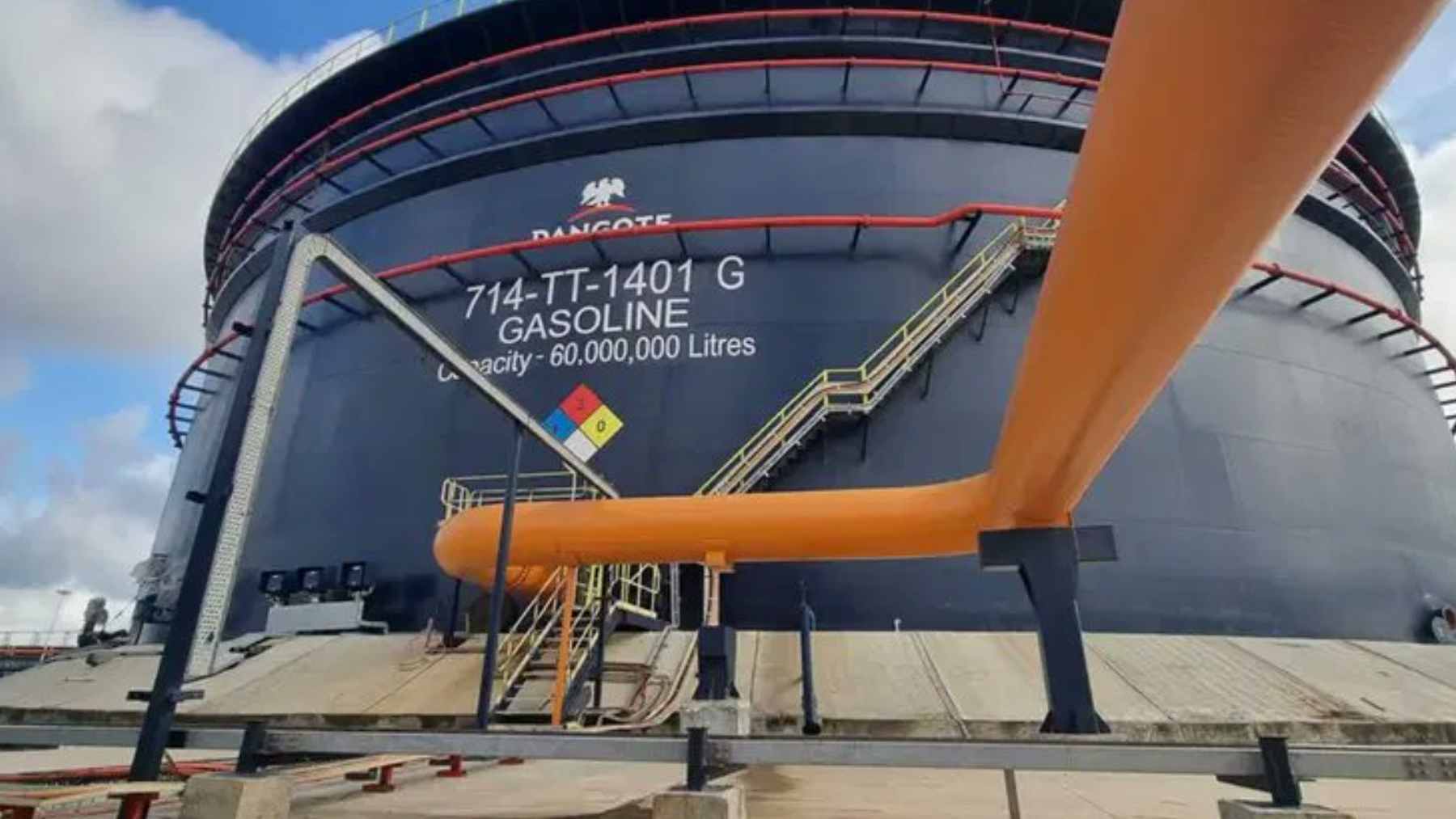
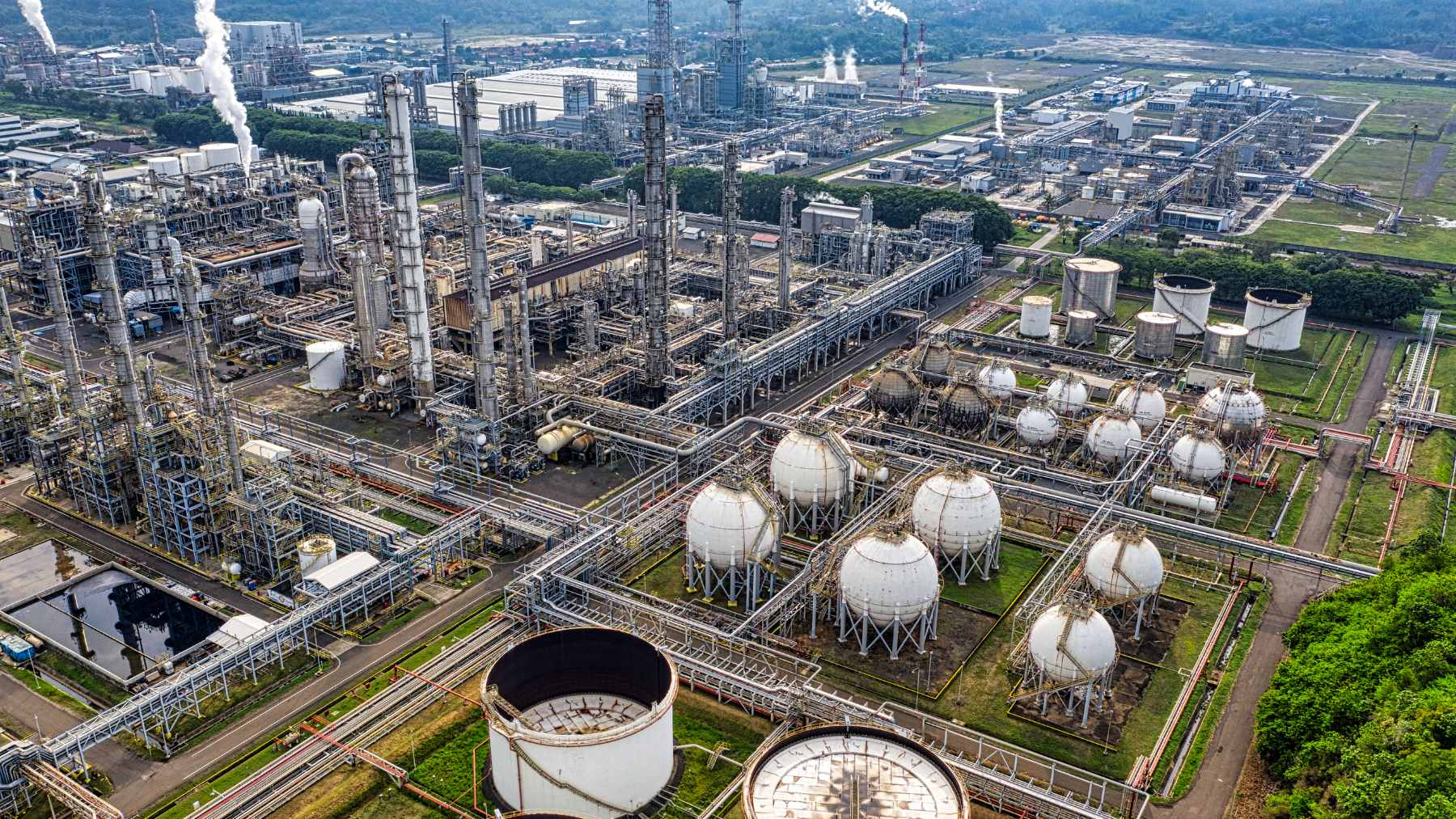
Company officials now describe a 700,000-barrel-a-day refinery that could take up to three years to build. Earlier public discussions referred to a 650,000-barrel-a-day plant, so the newest figure suggests the design has grown as planning has advanced. It would be East Africa’s largest refinery and Dangote Group’s biggest refining investment outside Nigeria.
Why Lamu was chosen
The project moved through several possible locations. East African leaders first discussed Tanga in Tanzania, while Dangote later leaned toward Mombasa because of its port and larger Kenyan market. The company now says Lamu has been selected, while its move from Tanzania to Kenya was linked to infrastructure, logistics, and market considerations.
Essentially, the refinery is meant to process crude from across the region and sell fuels to Kenya and neighboring countries. Uganda, Kenya, South Sudan, and the Democratic Republic of the Congo have all featured in the broader supply conversation, but public announcements have not yet detailed the final crude contracts, transport routes, and customer agreements.
That is where a regional vision has to become a workable business plan.
Fuel security is the selling point
East Africa currently imports all of its refined petroleum products, mainly from the Middle East. Recent conflict and shipping risks have shown how quickly a distant disruption can reach a local gas station through higher prices or tighter supply, which is why regional leaders are presenting the refinery as an energy security project.
The plant is designed to supply Kenya and neighboring countries, potentially displacing imported gasoline, diesel, and other products. A refinery does not automatically guarantee cheap fuel, though. Pump prices would still depend on crude costs, taxes, transportation, financing, exchange rates, and how efficiently the plant operates.
Lamu’s environmental test
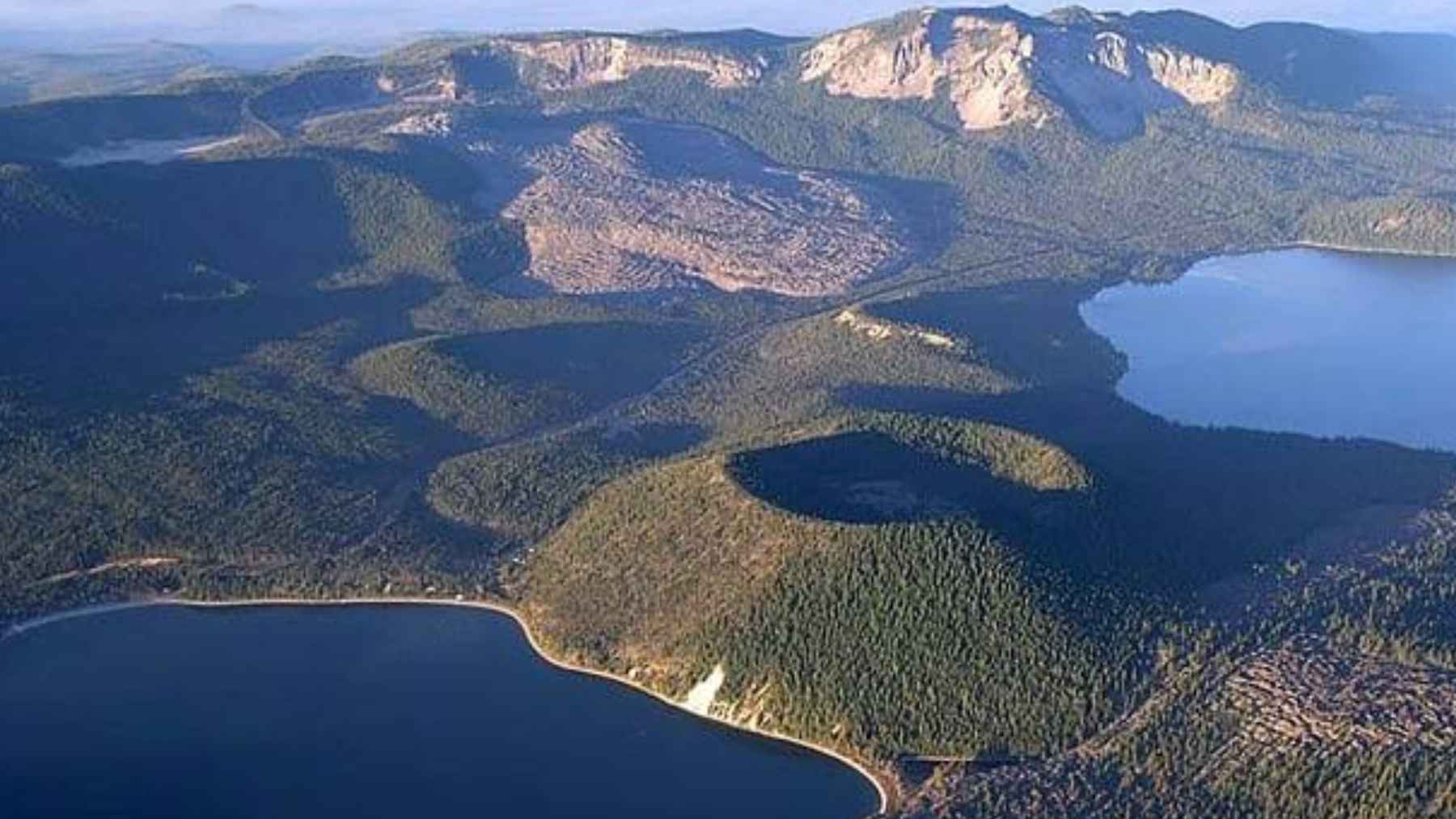
Lamu is not an empty dot on an industrial map. Its wider coastal setting includes mangroves that help protect the harbor from waves, while Lamu Old Town is a UNESCO World Heritage Site that already faces pressure from development, water stress, flooding, and sea-level rise.
Any major industrial project in the area will need to show, with evidence, that those risks are being contained rather than pushed onto local residents.
Oil refineries can release volatile organic compounds and other air pollutants, and refinery wastewater systems also require strict controls. For Lamu, a serious assessment should examine air quality, wastewater treatment, freshwater demand, spill prevention, shipping traffic, emergency response, and potential effects on fisheries and mangroves.
Kenyan law places oil refineries among projects subject to environmental assessment. Kenya’s National Environment Management Authority (NEMA) also says affected communities must be consulted through public notices, written or oral comments, and at least three public meetings before a decision is made.
This is not paperwork to be rushed through after the bulldozers arrive, but the project’s first major test of public trust.
The money still matters
Ruto’s government previously put the expected investment at between $16 billion and $20 billion and said Kenya could acquire a stake through the National Infrastructure Fund. Dangote’s latest financing outline includes internal cash flow, bonds, and proceeds from an initial public offering, while the exact project cost and the size of any Kenyan public investment remain undisclosed.
There is a useful warning in Dangote’s Nigerian experience. The Lagos refinery began with an estimate of about $9 billion but cost more than $20 billion after relocation, engineering problems, currency weakness, the pandemic, and global inflation.
That does not mean Lamu will follow the same path, but it shows why cost controls and transparent risk sharing matter from day one.
For taxpayers, the practical questions are straightforward: how much equity will Kenya buy, will the government provide guarantees, who will absorb overruns, and when will the financing terms be published? A headline investment figure sounds impressive, but the contract underneath it is what counts.
What happens next
Before construction can truly accelerate, the project still needs a clear environmental review, land and permitting decisions, final financing agreements, detailed engineering contracts, and credible crude supply and fuel sales agreements.
Ndii’s statement gives the project political momentum, but it should not be treated as proof that every approval and commercial condition is complete.
Done well, the refinery could strengthen East Africa’s fuel supply, deepen regional trade, and create a major new industrial center. Done poorly, it could expose public money to cost overruns while leaving Lamu with the environmental burden.
The difference will come down to transparent contracts, enforceable safeguards, meaningful public participation, and a schedule grounded in engineering rather than excitement.
The official statement was published on X.