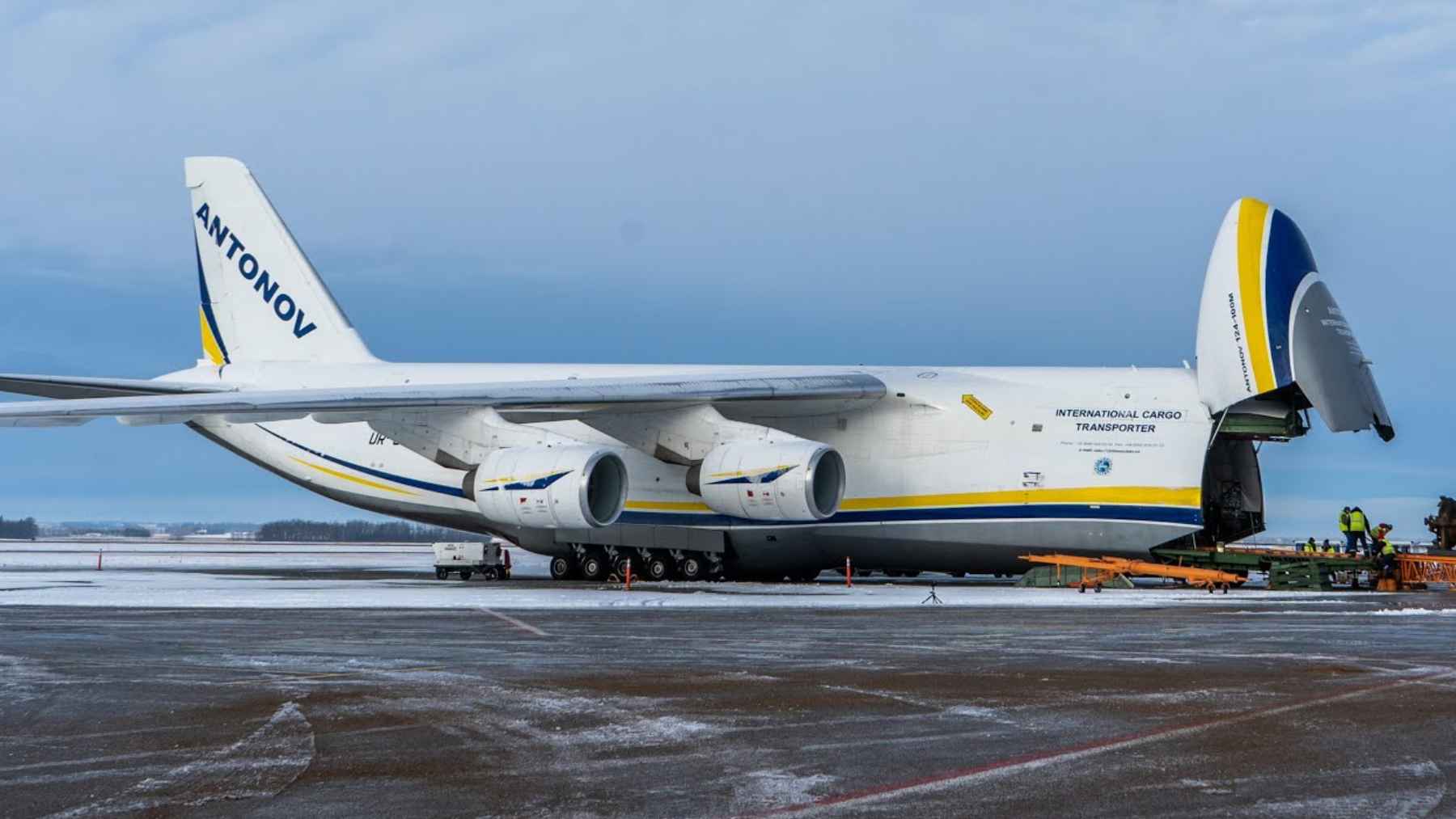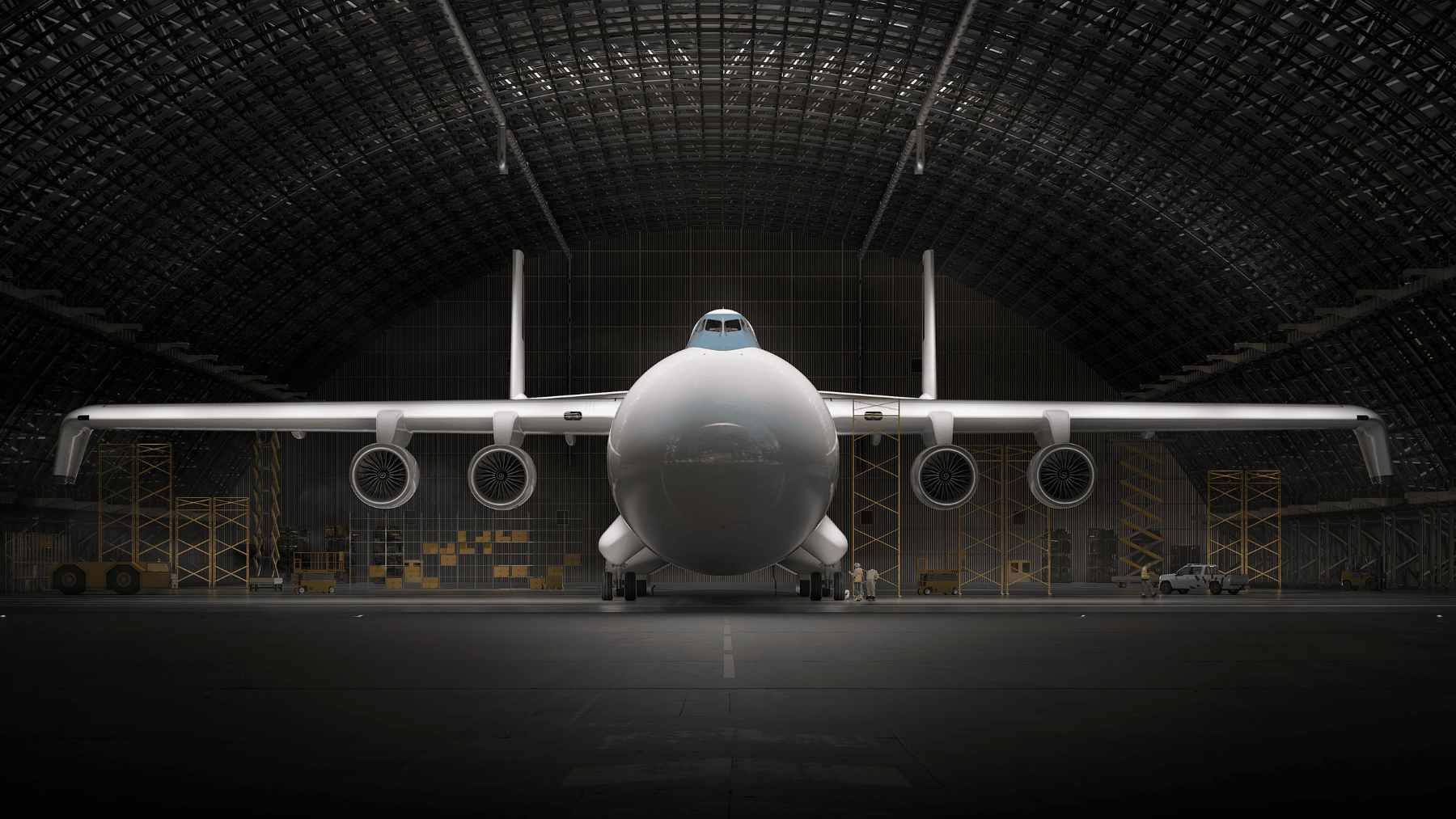
Radia’s WindRunner is not just another big airplane concept. It is a massive U.S.-Italian cargo aircraft program aimed at one of the most stubborn problems in clean energy and defense logistics, which is moving things that are too large for today’s roads, ports, and cargo aircraft.
By Radia’s own specifications, WindRunner would be 356 feet long, stand 79 feet tall, and carry payloads up to 160,000 pounds.
More importantly, it would offer about 240,000 cubic feet of cargo volume, enough space for ultra-long wind turbine blades, military helicopters, fighter jets, and other outsized systems that usually require complicated disassembly or slow ground transport.
Built for the wind problem
The environmental angle is easy to miss at first because the aircraft looks like something pulled from a military airlift wish list. But WindRunner began with a cleaner-energy bottleneck, since today’s roads can barely handle wind turbine blades around 230 feet long, while future blades are expected to stretch beyond 330 feet.
Why does that matter? Larger blades can help unlock stronger, steadier wind resources at onshore sites, but only if they can actually reach the construction zone. In practical terms, WindRunner is being designed to fly blades up to 344 feet long and land much closer to remote wind farms, even on semi-prepared or unpaved runways as short as 6,000 feet.
A cargo bay for fighters too
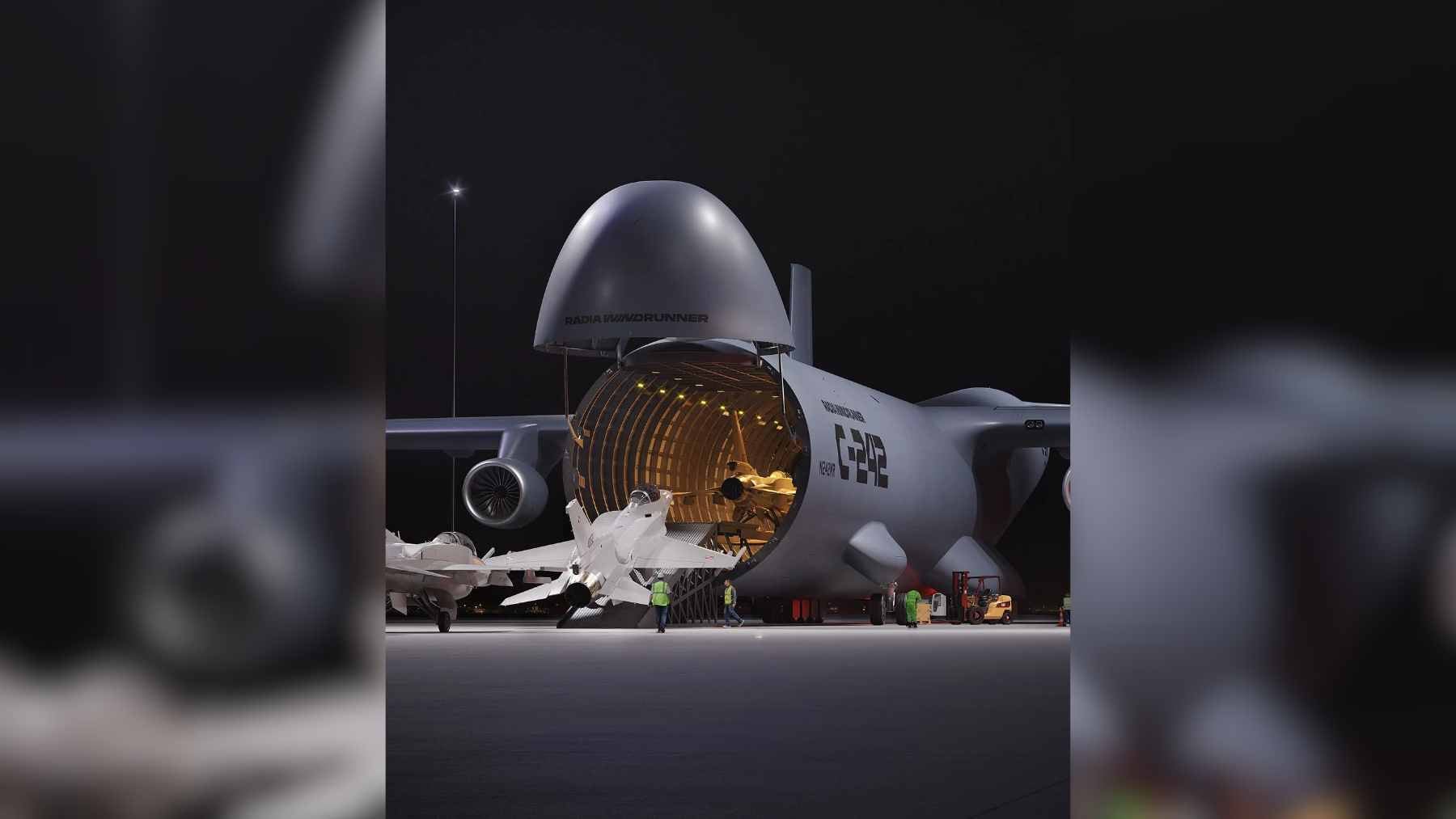
That same cavernous cargo bay is why defense planners are now watching closely. Radia says the military version could move six CH-47 Chinook helicopters, four F-16s, or four F-35Cs without taking them apart, which could save time when every hour counts.
The company’s pitch is simple enough. Current defense cargo aircraft often run out of space before they run out of lifting power, forcing crews to disassemble equipment, reroute cargo, or rely on specialized facilities. That can be a headache in peacetime and a serious problem during a crisis.
Not the heaviest, but huge
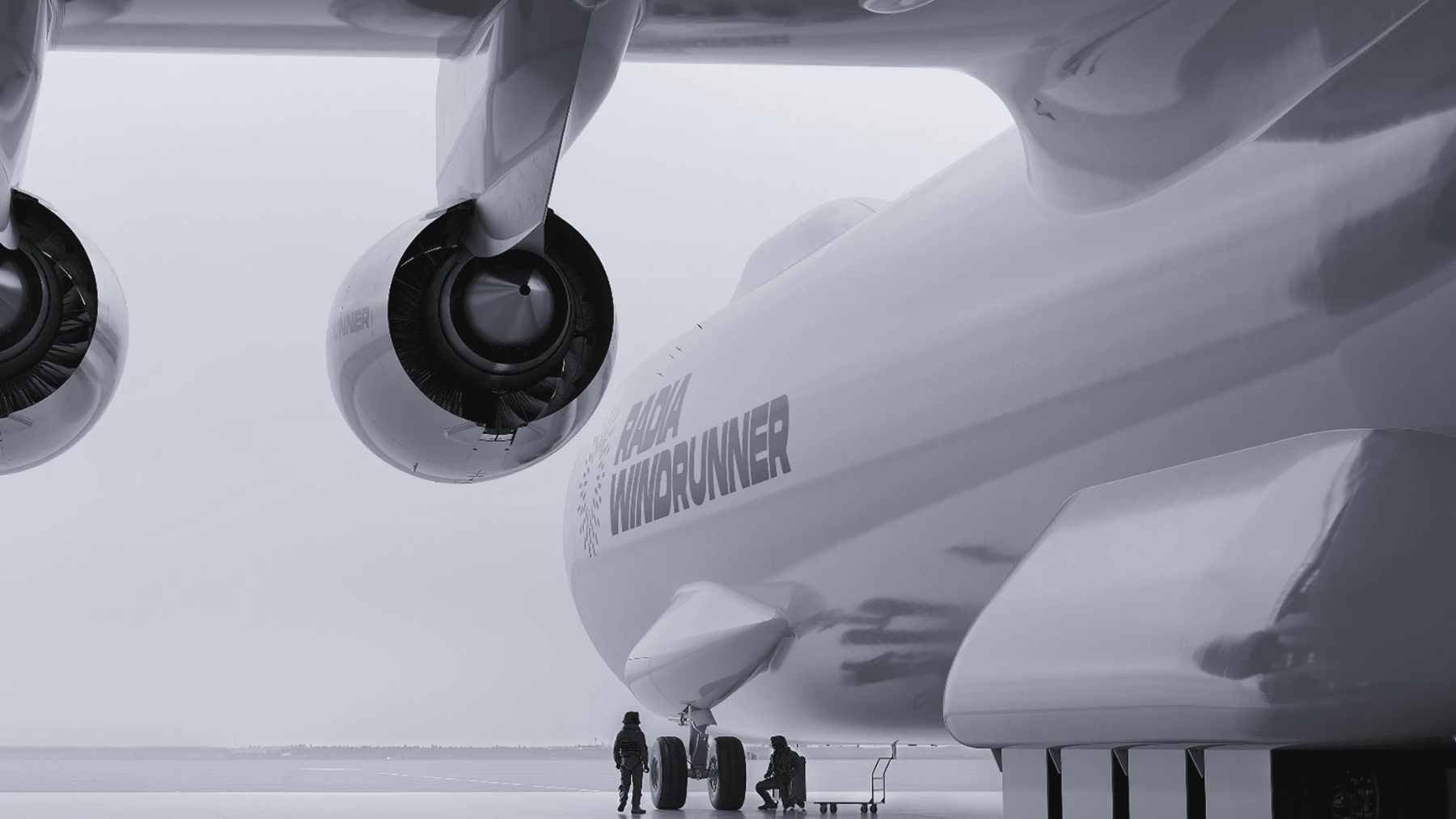
Here is the nuance. WindRunner would not beat every military aircraft by raw payload weight, since the U.S. Air Force says the C-5M Super Galaxy can carry up to 281,001 pounds of cargo.
Instead, WindRunner is chasing volume. Think of it like moving a sofa through a doorway, where the issue is not always how heavy it is, but whether it physically fits. That is why Radia calls the plane the world’s largest aircraft by volume, with a cargo bay designed for parts that are awkward, long, and nearly impossible to move quickly today.
Italy’s role is growing
The project also has a clear business and industrial story. Radia says it is headquartered in Boulder, Colorado, and Rome, Italy, and its latest agreement with Italy’s Ministry of Enterprises and Made in Italy is meant to bring Italian aerospace and industrial companies deeper into the WindRunner program.
That agreement could include work across manufacturing, engineering, and supply chain operations, although Radia notes that future investments and program decisions still need further approvals. In other words, this is a serious step, but not a blank check.
Why the military timing matters
The timing is not random. Boeing marked the end of C-17 production in Long Beach in 2015, while the C-5 family traces its heavy-airlift roots back decades, even after major modernization programs.
A 2025 Mitchell Institute policy paper warned that the current U.S. airlift system lacks the capacity and the right mix of aircraft for a future conflict against a peer competitor, especially across the vast Indo-Pacific theater. That is the trouble with global logistics. You can have the equipment, but still struggle to get it where it needs to be.
Cleaner logistics or just more flying
There is also a fair question for the environment. A giant aircraft is still an aircraft, and flying heavy cargo is not automatically green.
Radia’s argument is that WindRunner could reduce complex multi-leg transport, cut handling steps, and help deploy onshore wind infrastructure that would otherwise be blocked by roads, bridges, and ports.
The company also says the platform is being designed with compatibility for sustainable aviation fuel, though the real climate case will depend on how the aircraft is used once it leaves the drawing board.
What happens next
For now, WindRunner is still moving through detailed design and supplier integration, with first flight targeted by the end of the decade. That means the next few years will decide whether this becomes a new class of dual-use cargo aircraft or another ambitious aerospace idea that looked easier in renderings than in real life.
At the end of the day, WindRunner is trying to solve two very different problems with one very large airplane. It could help clean-energy developers move massive turbine blades, while giving militaries a way to move aircraft, missile systems, and relief supplies without tearing them apart first.
The official statement was published on Radia.