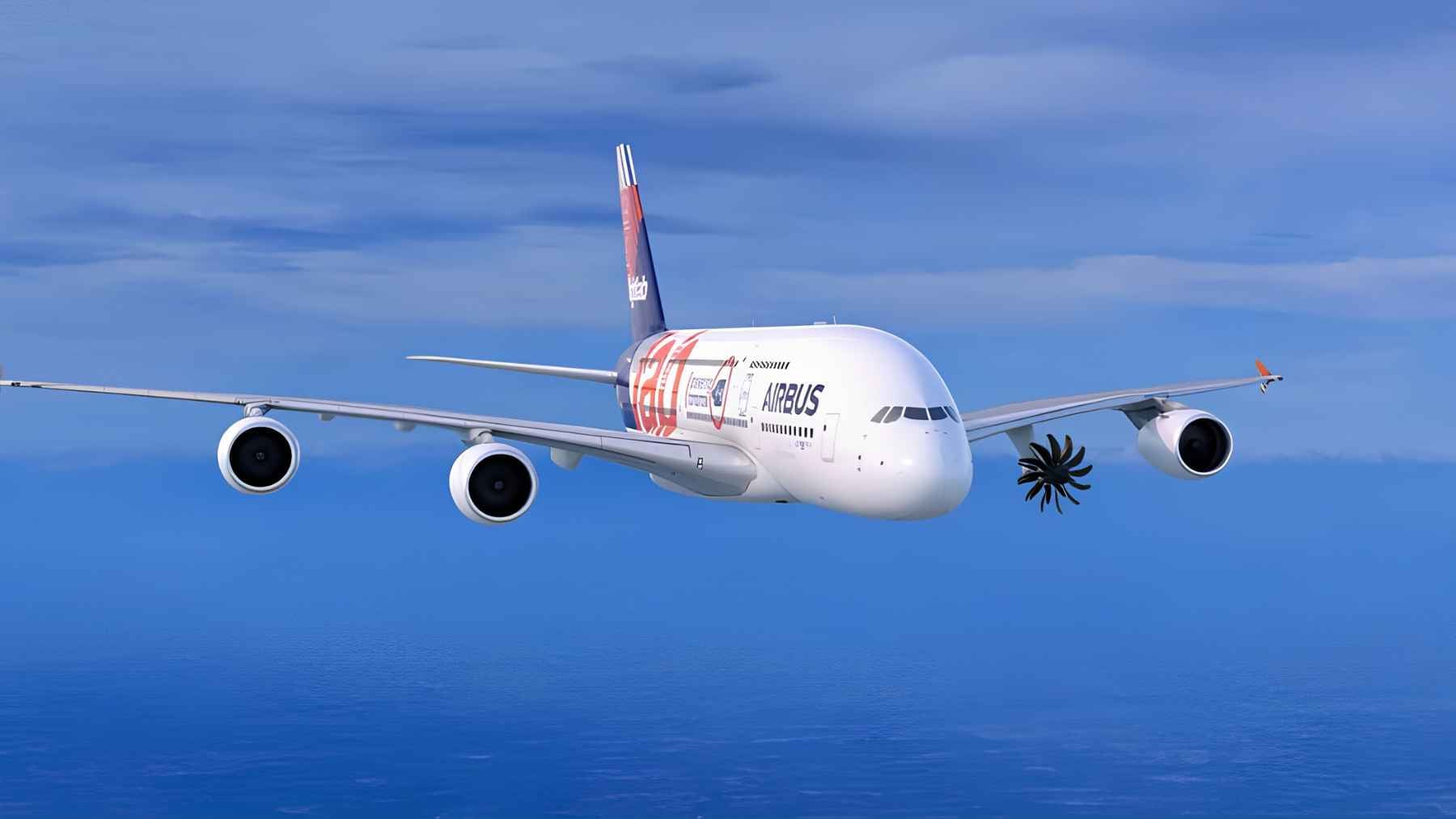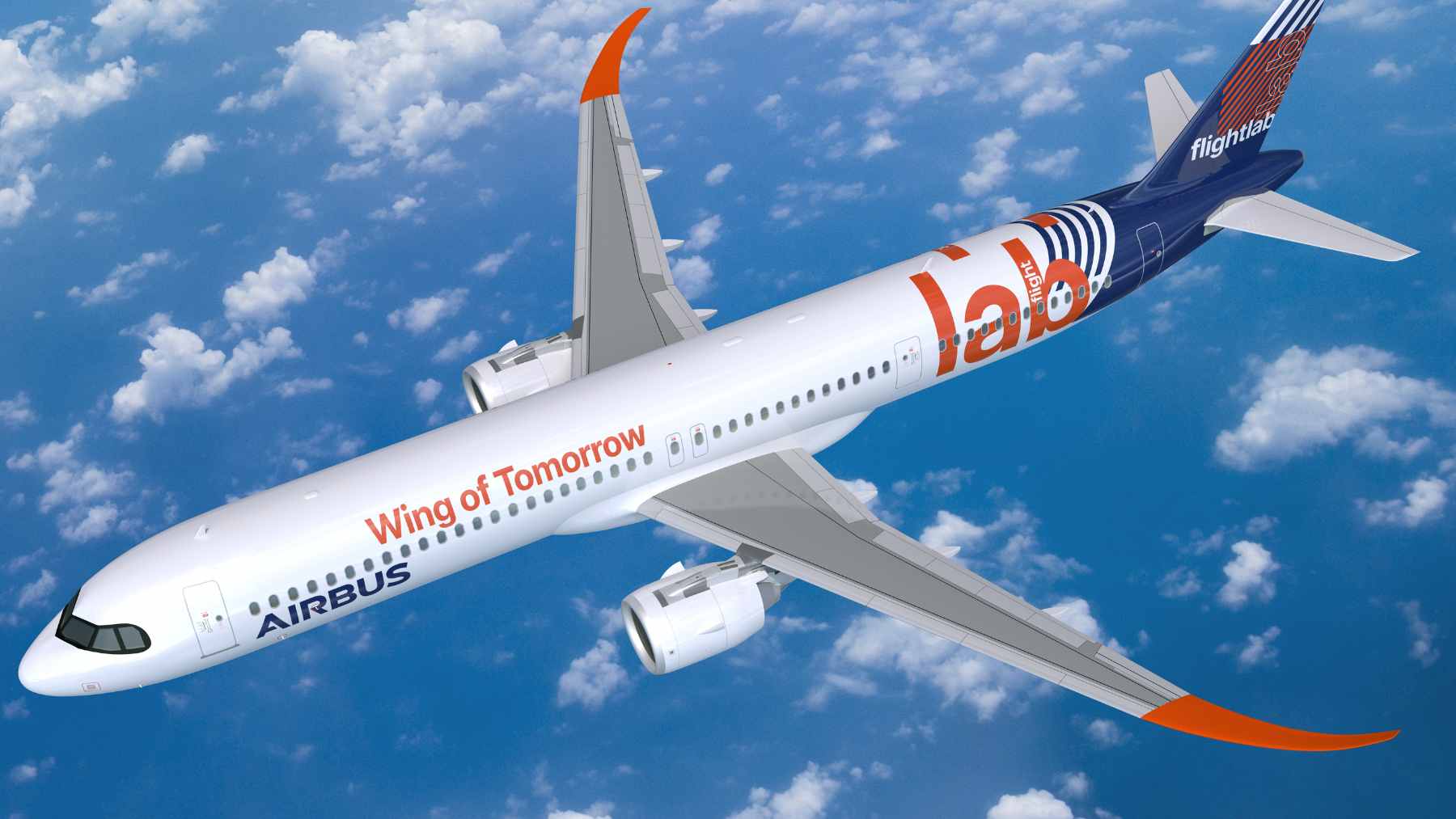
Airbus is preparing to fly an A321neo with full-scale wing extensions as it searches for the most efficient shape for its next generation of single-aisle jets. The idea sounds almost too neat. Give an aircraft longer, slimmer wings in the air, then fold the outer sections on the ground so it can still use familiar gates and taxiways.
That could reduce fuel burn without asking airports to widen stands or rebuild terminals. But there is a catch behind the eye-catching “folding wing” label. During the first phase, the extensions will remain fixed in their flight position, allowing Airbus to measure the aerodynamic benefit before it adds hinges and the systems needed for daily airline service.
The first test will not fold
Under its Wing of Tomorrow program, Airbus will spend three years designing, building, and flight-testing full-scale extensions on an A321neo. The sections are expected to measure roughly 13 to 16 feet, with the first real-world trials reported for the second half of 2027.
The data will help shape the next-generation single-aisle aircraft that Airbus aims to bring to market in the second half of the 2030s.
The first hardware will be bolted in place rather than hinged. Sensors will record handling and structural behavior while engineers compare different wing geometries in real flight. Airbus has already built three 56-foot ground demonstrators and assessed more than 100 manufacturing and assembly technologies.
Why longer wings save fuel
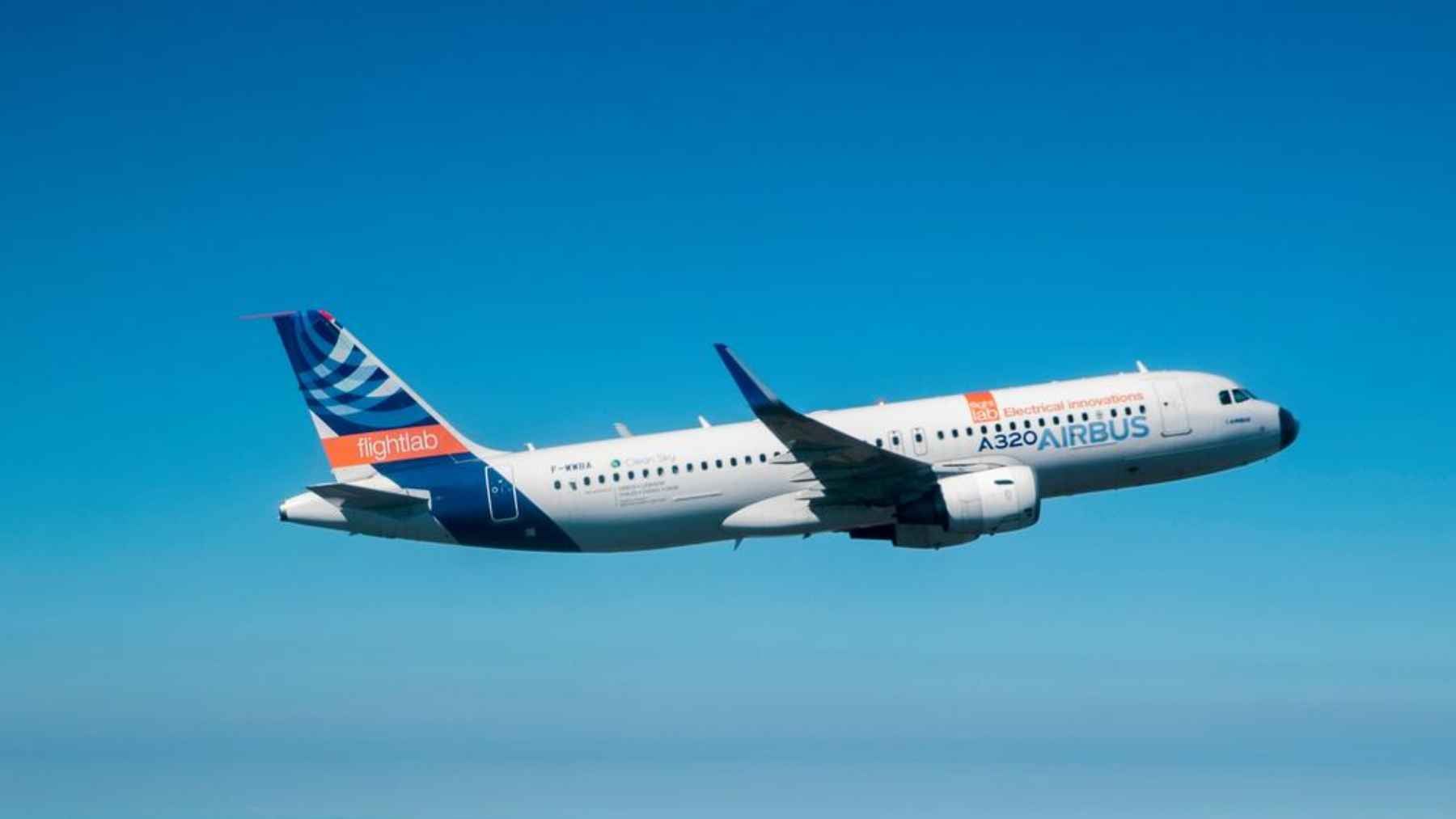
Look at an albatross or a high-performance glider and the logic becomes easier to see. A longer, slimmer wing has a higher aspect ratio, which NASA explains can reduce the drag created while a wing produces lift. Less drag generally means the engines need less thrust in cruise, so they burn less fuel.
“The wing is one of the biggest levers we have to improve flight efficiency,” said Sue Partridge, head of the Wing of Tomorrow program. Airbus is targeting 25 to 30% lower fuel burn for its next-generation single-aisle aircraft compared with today’s modern jets, but that figure covers the whole aircraft.
The latest announcement does not assign a confirmed 10 to 15% saving to the folding wing alone.
Airport gates set the limit
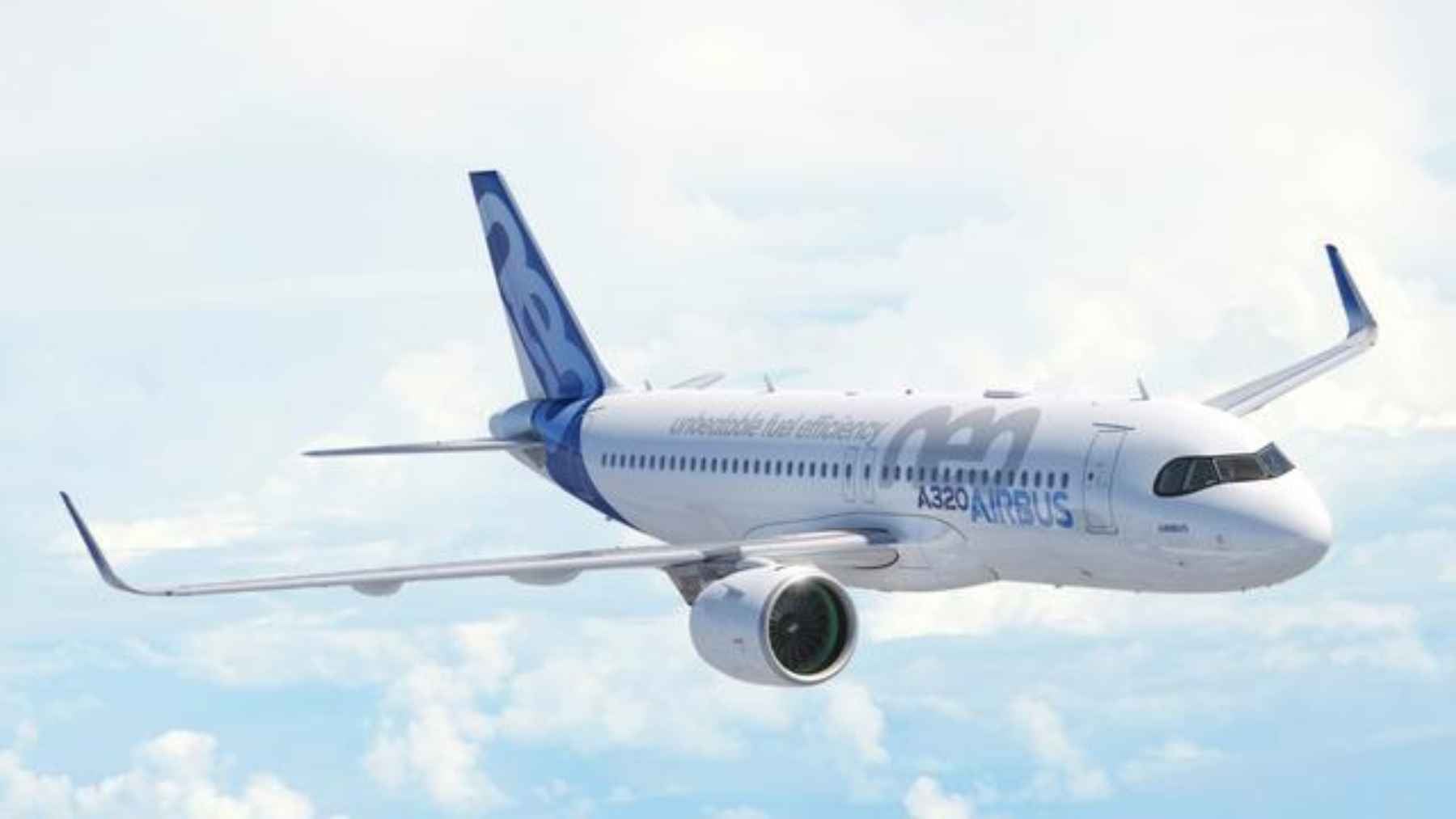
The current A320neo has a wingspan of 117 feet 5 inches, already close to the roughly 118-foot maximum Airbus cites for many standard airport gates. Stretch the wing much farther and an airline may lose access to the stands, taxiways, and clearances that make the A320 family so flexible. A fuel-saving wing can quickly become a scheduling headache.
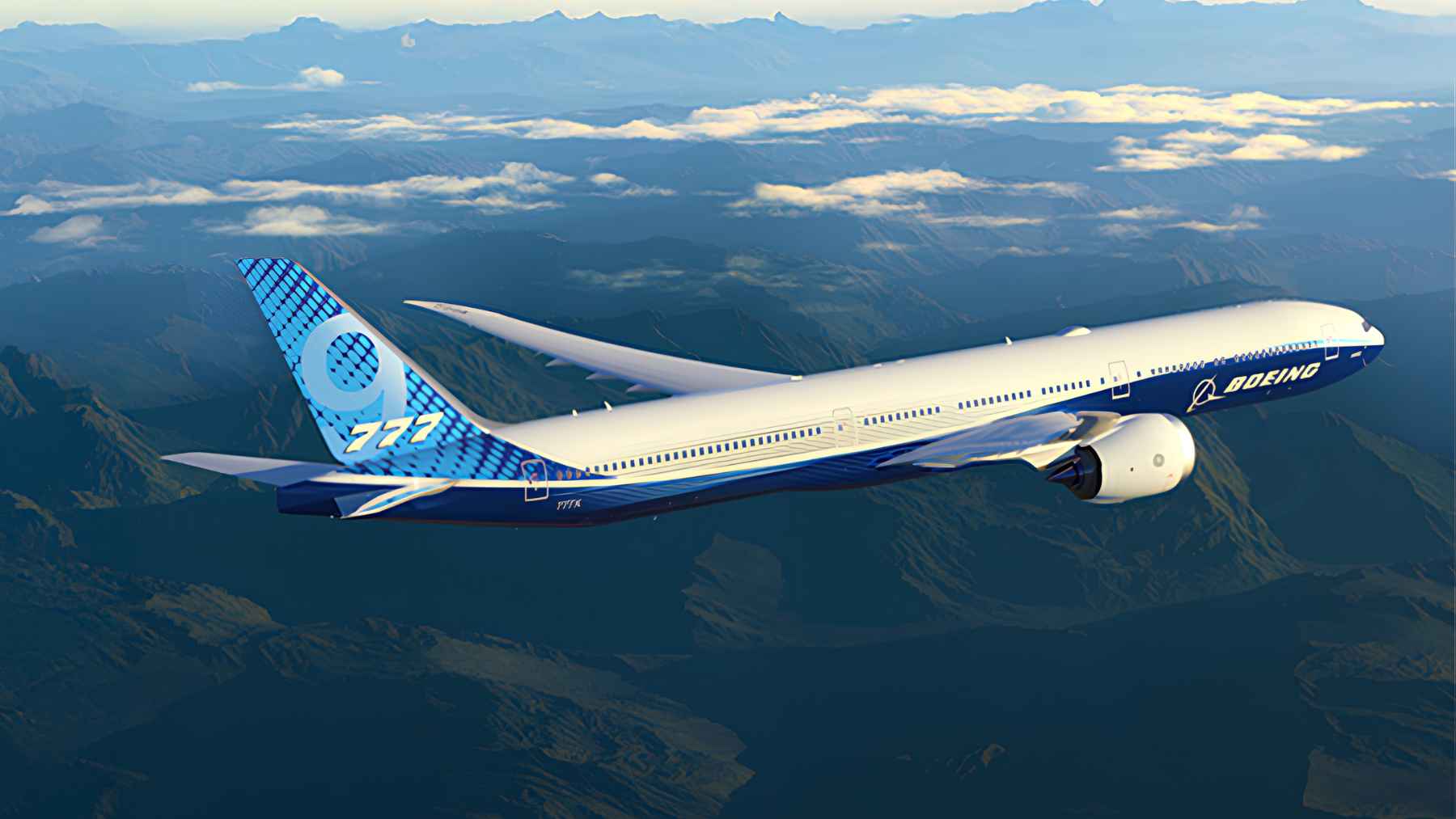
Folding tips are designed to solve that mismatch. Boeing’s 777X measures 235 feet 5 inches across with its tips extended, then shrinks to 212 feet 9 inches on the ground.
The aircraft is still completing certification work ahead of a planned first delivery in 2027, so it offers Airbus a regulatory precedent rather than years of airline operating experience.
Safety comes before savings
A folding wingtip cannot be treated like a simple movable panel. The Federal Aviation Administration determined that a catastrophic event could occur if the 777X tips were not properly positioned and secured, leading to special requirements for multiple cockpit alerts and a system that prevents takeoff in the wrong configuration.
Structural loads, wind gusts, fatigue, and the safety of ground workers also have to be considered.
Then comes the airline question. What happens if a tip refuses to move at a crowded gate, and how often must the locking mechanism be inspected?
Airbus’s latest release does not describe a production actuator, its added weight, inspection intervals, or dispatch procedures, and those details may decide whether cost-sensitive carriers see the system as a saving or a maintenance burden.
The business stakes are huge
This is not a niche experiment for a small fleet. The A320 family became the most-delivered airliner in history in 2025, and Airbus ended that year with 11,529 firm A320neo-family orders and 4,372 deliveries. It also held roughly 60% of the single-aisle backlog against Boeing’s 737 MAX family.
Across thousands of aircraft, even a modest efficiency improvement compounds into large fuel and carbon dioxide savings. But airlines will judge the complete equation, including purchase price, added mechanism weight, inspection time, reliability, and repair costs.
At the end of the day, the longer wing only wins if its lifetime savings outweigh the machinery needed to fold it.
Spain has a role
The new A321neo extensions will be assembled at Airbus’s Wing Technology Development Centre in the United Kingdom and flight-tested in Toulouse, France. Spain has not been named as a site for those particular extensions. It does, however, have a direct role in Airbus’s separate eXtra Performance WING demonstrator, with the folding wingtips assigned to Spanish teams.
That parallel project is testing a wing designed to change shape during flight, with a remotely piloted maiden flight planned by the end of 2026.
Airbus’s commercial aircraft business employs around 4,000 people in Spain, where its plants in Getafe, Illescas, and Cadiz produce horizontal stabilizers, A350 lower wing covers, and other advanced structures. Still, Airbus has not announced a production allocation for its future single-aisle jet.
A bridge to cleaner aviation
The timing is not accidental. The International Civil Aviation Organization has adopted a net-zero carbon emissions goal for international aviation by 2050, while the European Union’s ReFuelEU Aviation rules raise the required sustainable aviation fuel share at EU airports from 2% in 2025 to 6% in 2030. Cleaner fuel matters, but cost, supply, and scale remain difficult.
Aerodynamic efficiency works with conventional jet fuel, sustainable aviation fuel, or a future propulsion system. Folding wings will not decarbonize aviation by themselves, but they could reduce the energy required by every flight without turning airport terminals into permanent construction sites. That is why this unusual-looking idea has become a serious industrial bet.
The official press release was published on Airbus.