Emirates has drawn a hard line over the oldest Boeing 777X aircraft built for the airline. President Tim Clark said the Dubai carrier will not accept the first batch of roughly 10 jets because their age and the scale of required modifications make them commercially unsuitable.
This is not a cancellation of Emirates’ enormous 777X commitment. It is something more targeted and, for Boeing, deeply uncomfortable. One of the manufacturer’s most important customers is effectively saying that a new airplane can become too old before it ever carries a paying passenger.
A blunt refusal at Farnborough
“We’re not taking that batch and that’s it,” Clark said during the Farnborough International Airshow. Some of the affected aircraft were assembled as early as 2019, meaning they could be seven or eight years old by the time the 777-9 finally enters Emirates service.
Clark then reached for a brutal joke. He suggested Heinz might be interested in the aircraft for “baked bean cans”, a comment aimed at the value of the aluminum rather than the jets’ intended role. The remark was colorful, but the underlying message was serious.
There is an important distinction here. Clark was not announcing an actual recycling agreement, and Boeing has not said the airplanes will become food packaging. Aviation Week reported that Boeing did not comment at the show, leaving the future of the early airframes unresolved.
Why the early jets are a problem
Aircraft manufacturers sometimes begin assembling customer jets before a new model completes certification. That can save time when a program runs smoothly, but it also creates risk because any later design or compliance changes must be incorporated into airplanes that are already substantially built.
In the 777X case, the gap became unusually long. Clark said the airframe had changed significantly since the first aircraft were produced and also pointed to a static-test failure from the program’s early years. A static test places a non-flying structure under controlled loads to prove that it can meet demanding strength requirements.
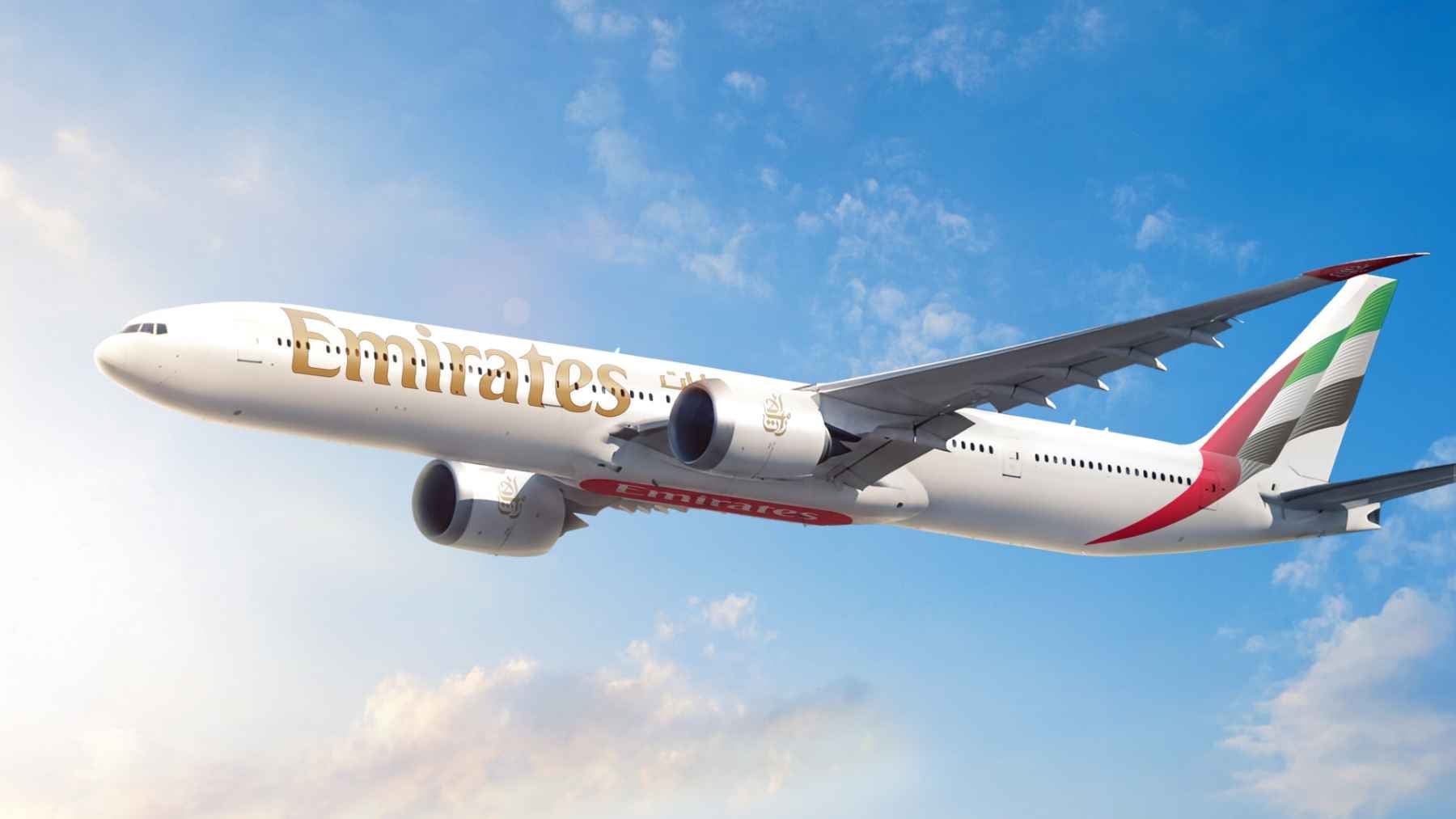
None of that means an updated aircraft would automatically be unsafe. The problem for Emirates is commercial consistency and value. Even if an early jet meets certification requirements, the airline argues that its age and extensive rework would make it less useful than a newly built production aircraft.
A giant airplane with giant consequences
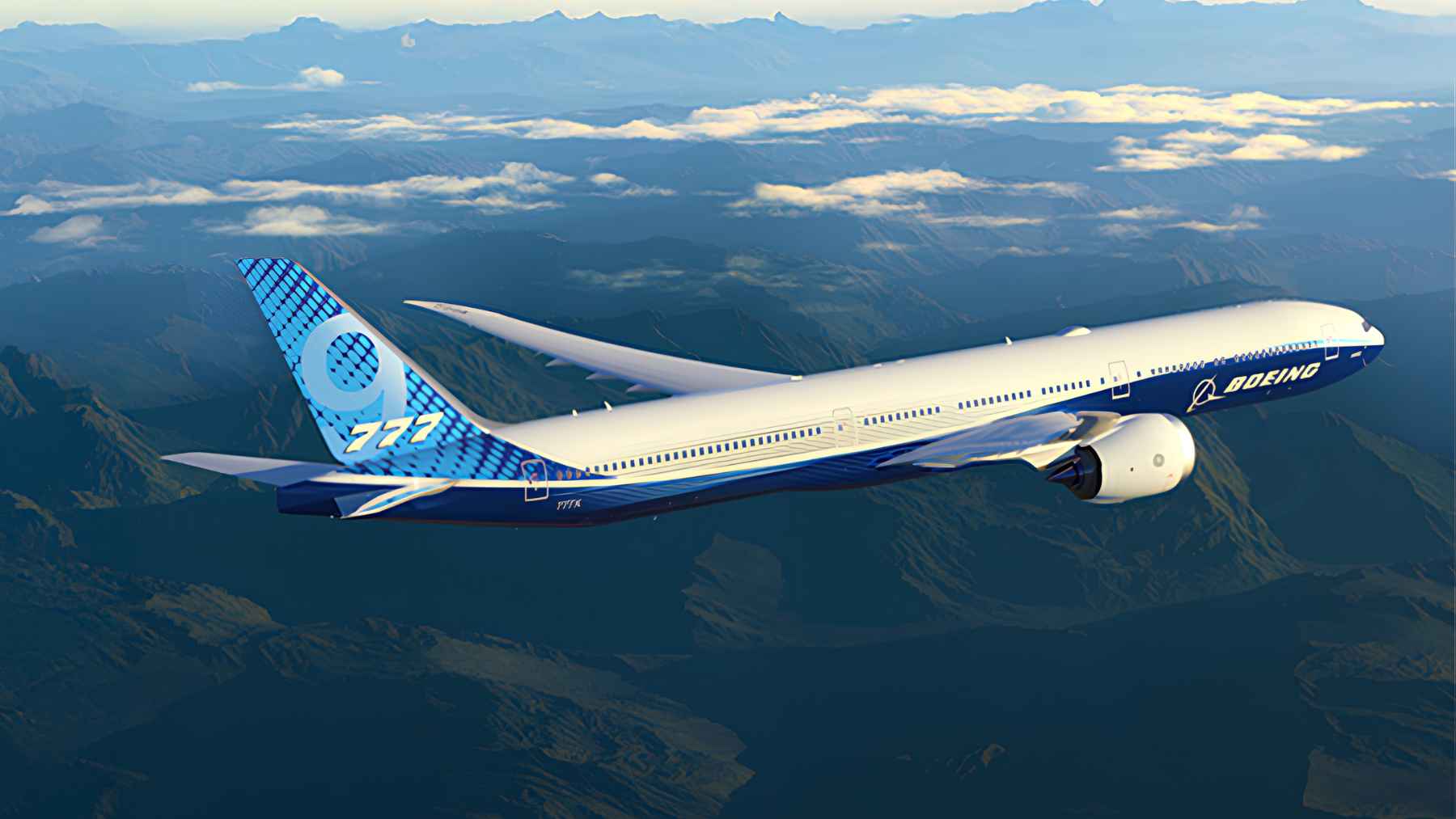
The 777-9 is not a small product that can be quietly reworked or replaced. Boeing lists it at nearly 252 feet long, with room for 375 to 450 passengers, a maximum takeoff weight of 775,000 pounds and a range of roughly 9,200 miles. Changes across an aircraft of that scale require time, engineering work and money.
Certification is still moving forward. Boeing said on July 16 that the test fleet had completed more than 4,800 flight hours and roughly 1,700 flights, while about 50% of planned certification testing was complete. The company continues to target first delivery in 2027.
Reuters reported that the Federal Aviation Administration expected certification in late 2026 or early 2027. Emirates now expects its first acceptable 777-9s in the second quarter of 2027, about seven years after the original April 2020 delivery target. That is not a minor scheduling slip.
Emirates is still committed
The sharp language could make it sound as though Emirates is abandoning the 777X. It is not. The carrier had 270 Boeing 777Xs on order as of March 31, 2026, making it the program’s dominant customer by a wide margin.
In November 2025, Emirates ordered another 65 Boeing 777-9s in a deal valued at $38 billion at list prices. The airline said those aircraft formed part of a long-term fleet and growth strategy extending through 2038. That commitment gives Clark leverage because Boeing cannot easily treat Emirates as just another buyer.
The dispute is therefore about which airplanes Emirates will accept, not whether it still wants the model. Clark said that taking an aircraft already eight years old would consume a substantial share of the service life Emirates normally expects. In practical terms, the airline does not want to pay for a new jet that arrives with years already missing from the calendar.
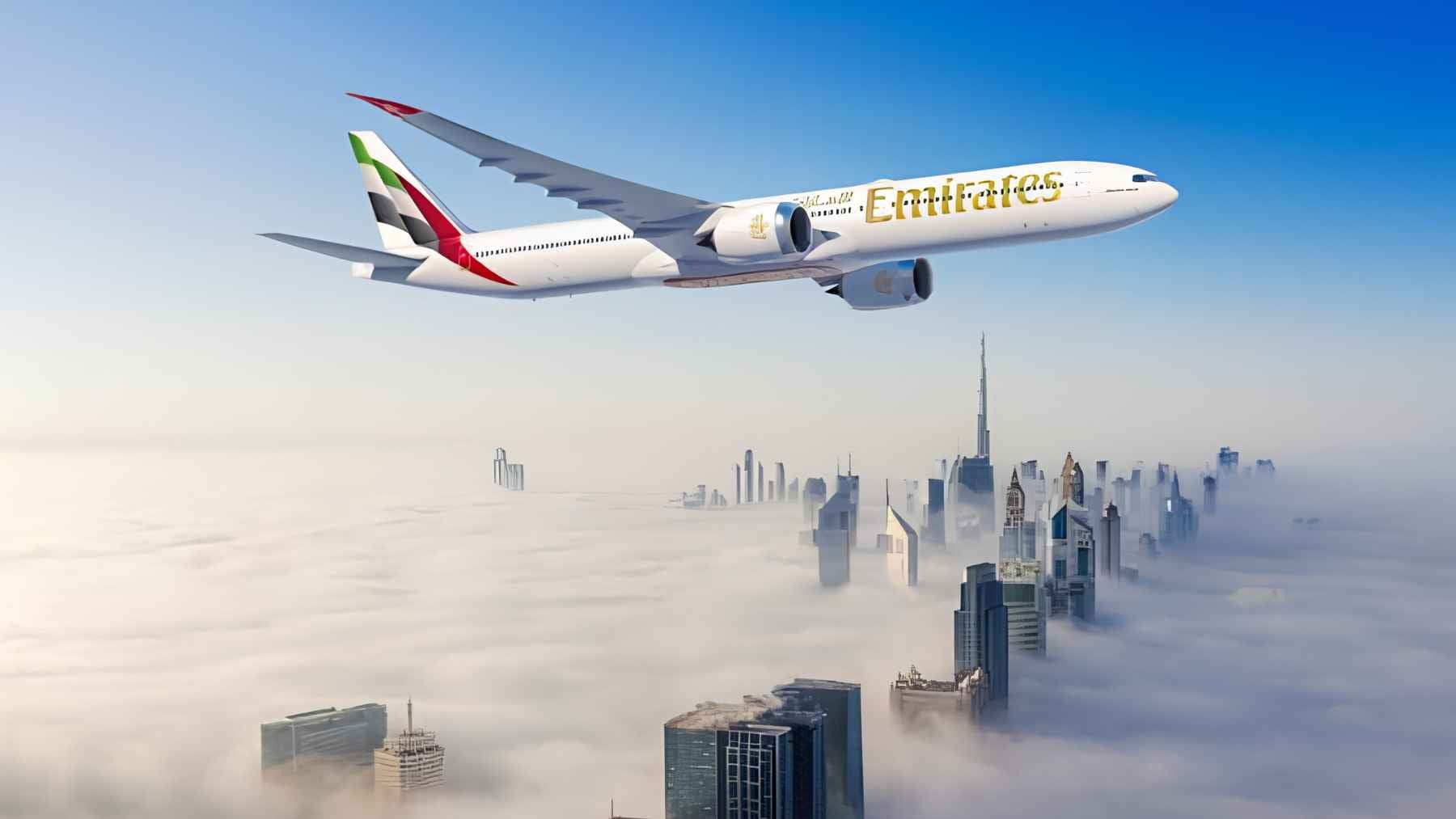
The environmental cost of delay
The 777X was designed partly around a cleaner operating promise. Boeing says the 777-9 should use 20% less fuel and produce 20% fewer emissions than the aircraft it replaces, while reducing its noise footprint by 40%. Those are manufacturer estimates, but they explain why airlines want newer widebody technology.
Every year of delay pushes those potential gains farther into the future. Fuel accounted for 29% of Emirates’ operating costs in its 2025 to 2026 financial year, so efficiency is not an abstract environmental slogan. It affects ticket economics, route decisions and fuel burn across the airline’s long-haul network.
There is also the question of the early airframes themselves. If Boeing ultimately dismantles any of them, some materials could be recycled, but recycling would not restore the original aircraft value or erase the manufacturing effort already spent. The bean-can joke lands because the alternative would represent an extraordinary industrial mismatch.
What Boeing must prove next
Boeing’s first challenge is to complete certification without another major schedule change. Its second is to show that the aircraft delivered to Emirates are built to a stable, current standard and can enter service without becoming a permanent exception inside the airline’s maintenance system.
Clark has suggested that Boeing could sell the early airplanes at a steep discount or write them off, and he said he expected them to be scrapped. Boeing has not publicly announced what it will do. For now, the first batch sits at the intersection of engineering history, balance-sheet pressure and material waste.
At the end of the day, the 777X still matters to Emirates and Boeing, but the program is no longer being judged only by whether one aircraft earns a certificate. It is being judged by whether Boeing can deliver hundreds of consistent, modern jets after years of delay.
The latest official certification update was published on Boeing.