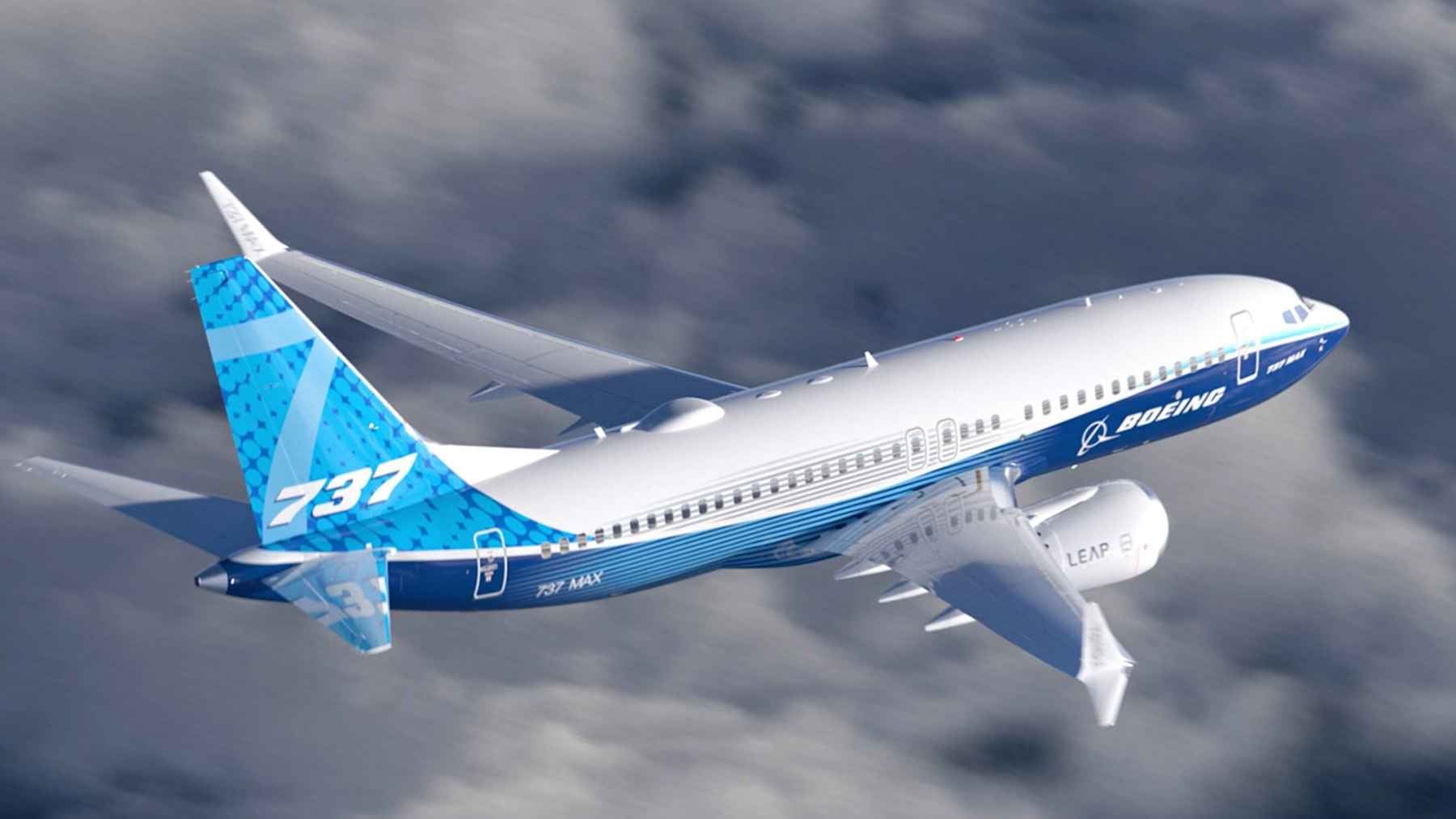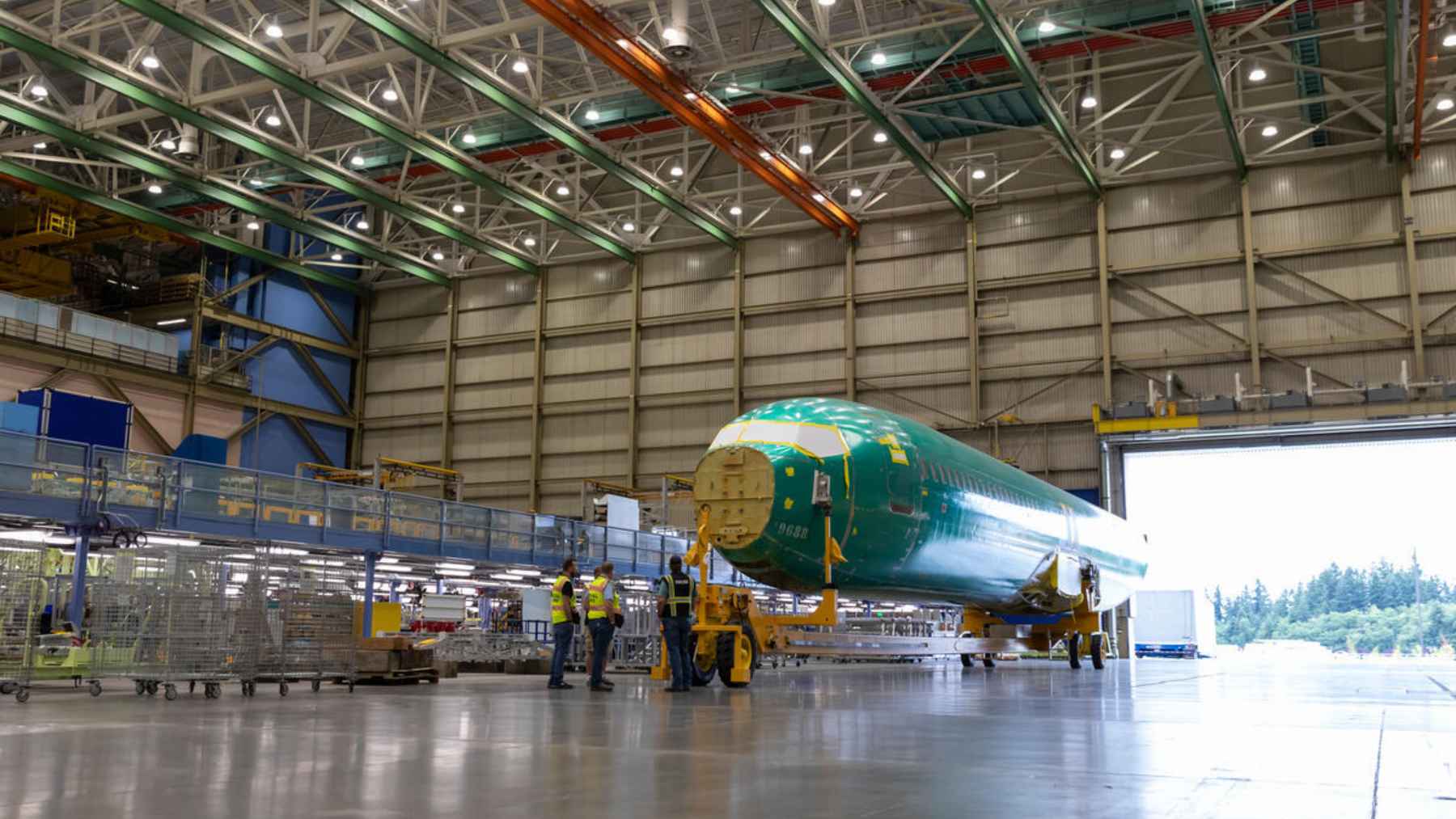
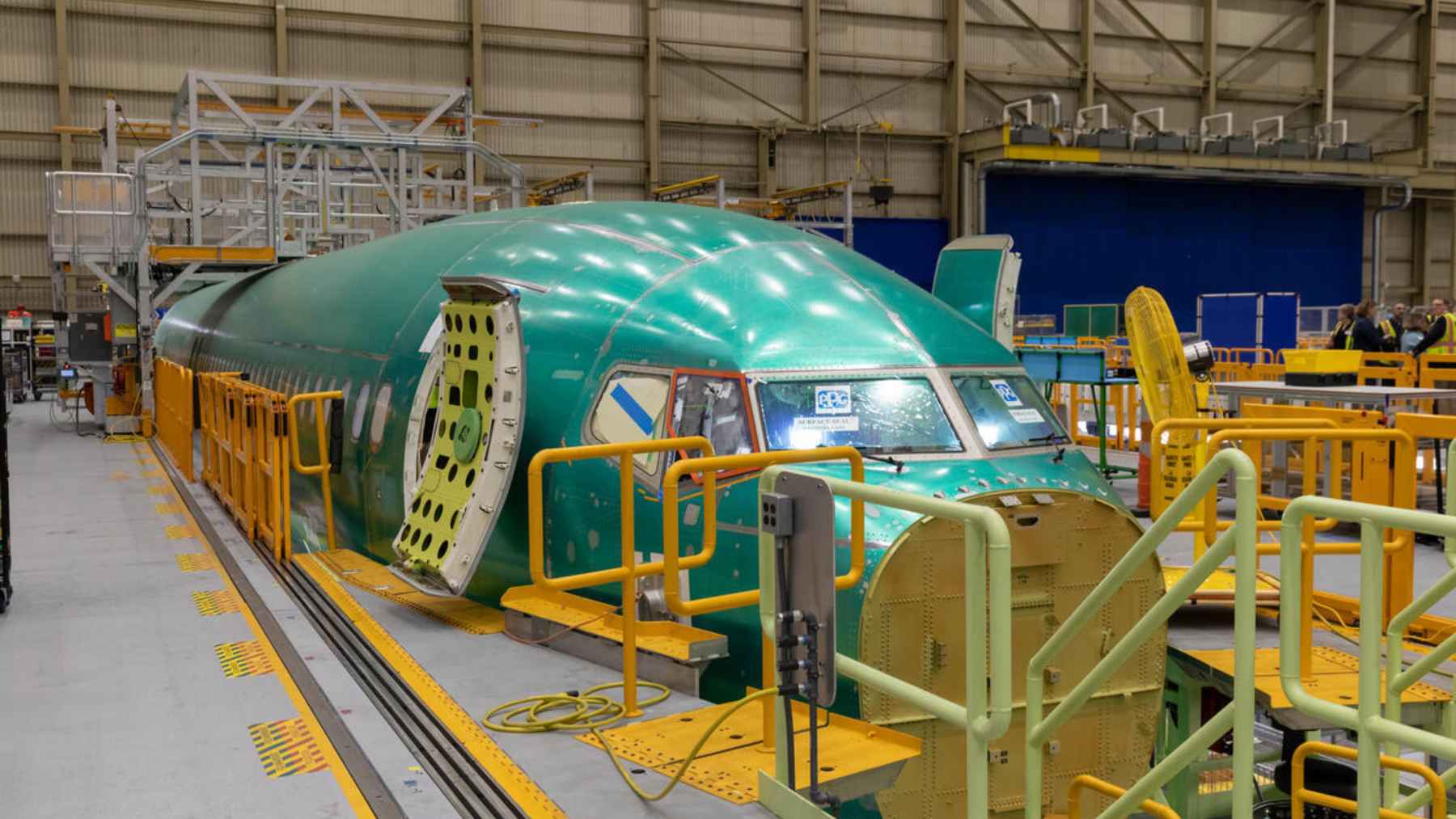
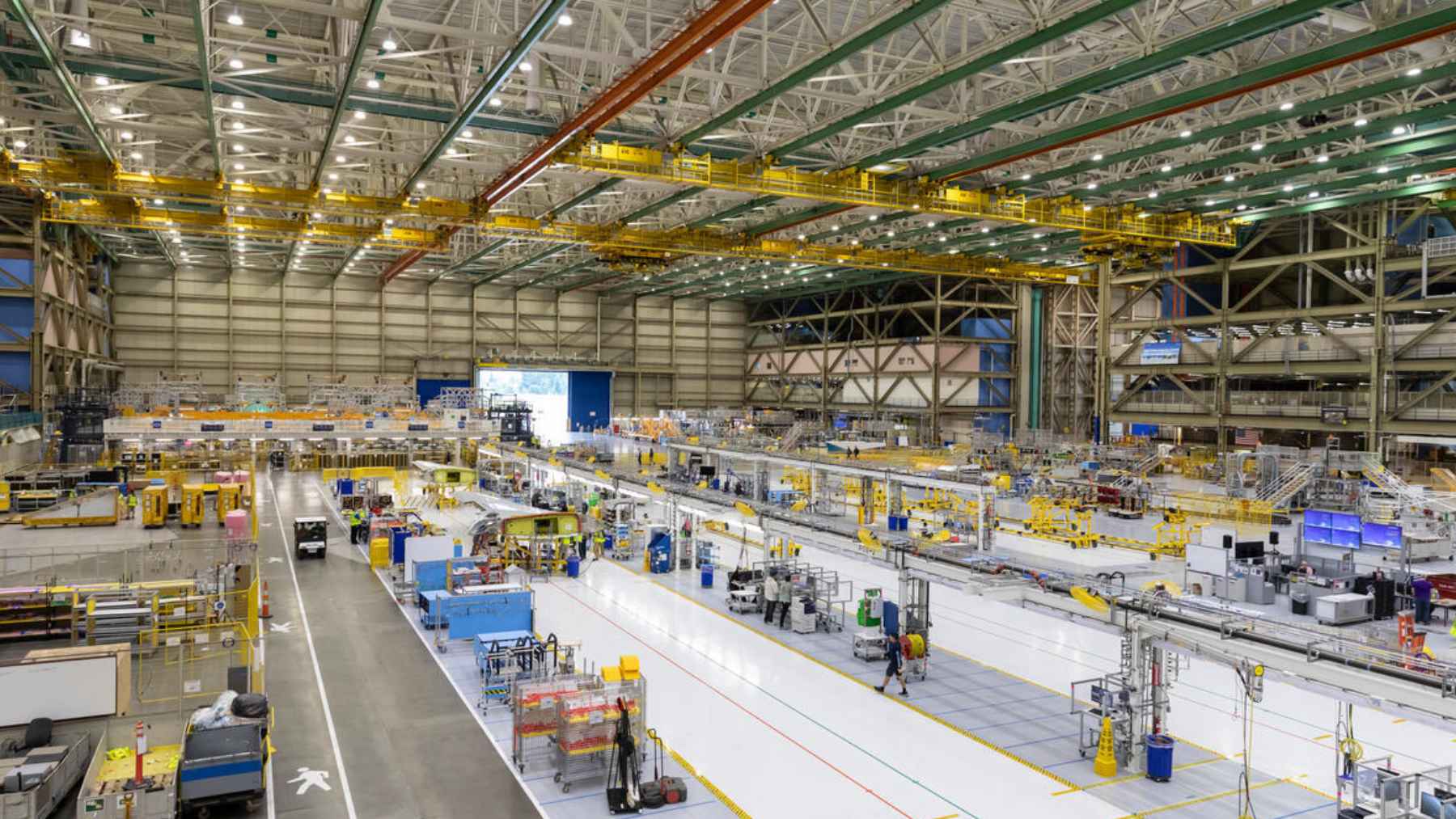
After a two-year delay, Boeing has started building 737 MAX jets in Everett, Washington, for the first time, opening a $1-billion assembly line designed to expand production of its core single-aisle family. The first airplane loaded onto the North Line on July 6 was a 737 MAX 10, and the company held its ribbon-cutting four days later.
The expansion matters well beyond Boeing’s factory floor. Newer MAX jets can use less fuel than older airplanes, but the environmental payoff depends on whether airlines replace aging aircraft or simply add more flights to a growing global network. That is the real test.
Boeing brings the 737 to Everett
The North Line sits about 40 miles north of Renton, the longtime home of 737 production. It marks the first time in more than 50 years that Boeing has built the 737 outside Renton, and the Everett line will initially focus on the MAX 8, MAX 9 and MAX 10.
Boeing is not creating a completely separate production system. Wings will still be partly assembled in Renton and moved by truck to Everett, where crews will complete the airplane using the same basic process followed on Renton’s three lines.
Everett has one practical advantage. The space previously supported the larger 787, so the North Line includes four additional work positions for airplanes that need more than the standard 10 production days because of complex interiors or other customer requests. “How we build in Renton is how we build in Everett,” production leader Jennifer Boland-Masterson said.
A slow start by design
The new line will spend several months in “low-rate initial production,” a deliberately slower phase that gives teams time to check work, adjust tooling and correct issues before output rises. Boeing says the first group of Everett-built airplanes will also be used to demonstrate conformity with Federal Aviation Administration requirements.
That may sound cautious for a factory built to make more jets, but caution is the point. Boeing is working to stabilize overall 737 production at 47 airplanes a month before moving to 52, while the North Line adds capacity and reduces the risk that trouble on one line disrupts the entire program.
Demand is not the immediate problem. Boeing says it has more than 4,000 737 MAX airplanes in its backlog, enough to keep current production booked into the 2030s. The challenge is delivering them predictably without letting speed get ahead of quality.
The environmental promise
By Boeing’s own estimates, the 737 MAX family uses about 20% less fuel and produces about 20% less carbon dioxide than the airplanes it replaces.
The company also says the 737 MAX 8 has a 50% smaller noise footprint than the earlier 737-800, which matters to people living near busy airports. Those gains are strongest when an airline retires an older jet instead of using the new capacity to add more flights.
Aviation contributes roughly 2% to 3% of human-caused climate impact, according to the U.S. government’s 2024 aviation climate plan. The International Energy Agency also found that aviation emissions jumped about 5.5% in 2024 as passenger demand reached record levels. Efficiency can help, but traffic growth can swallow the savings.
The federal plan offers a useful reality check. It found that carbon dioxide emitted per unit of U.S. aviation carrying capacity was about 6% lower in 2022 than in 2019, yet total combustion emissions were 8% above the earlier forecast because traffic and capacity recovered faster than expected. In other words, a more efficient trip is not the same thing as a shrinking total footprint.
Certification comes first
There is another reason Everett will not race immediately. Its first airplane is a MAX 10, but the largest member of the family is still waiting for regulatory certification. As of July 16, Boeing said the MAX 10 was 98% through certification flight testing, with two flight tests remaining.
The biggest obstacle has been a redesigned engine anti-ice system intended to prevent overheating that could lead to engine damage or failure. Boeing says operating MAX 8 and MAX 9 jets will also need the retrofit after regulators approve it.
Regulatory trust remains central after the January 2024 Alaska Airlines MAX 9 cabin panel blowout, which led the FAA to cap Boeing’s 737 output at 38 airplanes a month. On July 17, the agency said Boeing could again issue airworthiness certificates for all 737 MAX and 787 airplanes beginning the week of July 20. Federal inspections, audits and monitoring will continue.
What Everett changes
The North Line’s first customer is WestJet, which plans to introduce the MAX 10 into service in early 2027 if U.S. and Canadian regulators approve the airplane. “We look forward to rolling out the first airplane later this year,” Boeing Commercial Airplanes chief Stephanie Pope said.
For Everett, the investment brings a major commercial program into factory space left open after 787 production moved to South Carolina. For Boeing, it creates room to rebuild delivery momentum, support local jobs and generate cash from a backlog that stretches years into the future.
What should travelers and nearby communities keep in mind? More efficient jets help, but Everett’s true value will depend on what those airplanes replace, what fuel they burn, whether overall flying keeps rising and whether Boeing can raise output without letting quality slip.
The official statement was published on Boeing.