Will E20 gasoline ruin your engine? India’s Ministry of Petroleum and Natural Gas says the evidence does not support that fear, after social media posts linked the fuel to corrosion, water contamination, voided coverage, and even insects gathering around gas caps.
The ministry says “no widespread issues of engine failure or vehicle breakdown” have been reported, although some vehicles may lose 3% to 5% in fuel economy and certain older models may need rubber seals or gaskets replaced sooner.
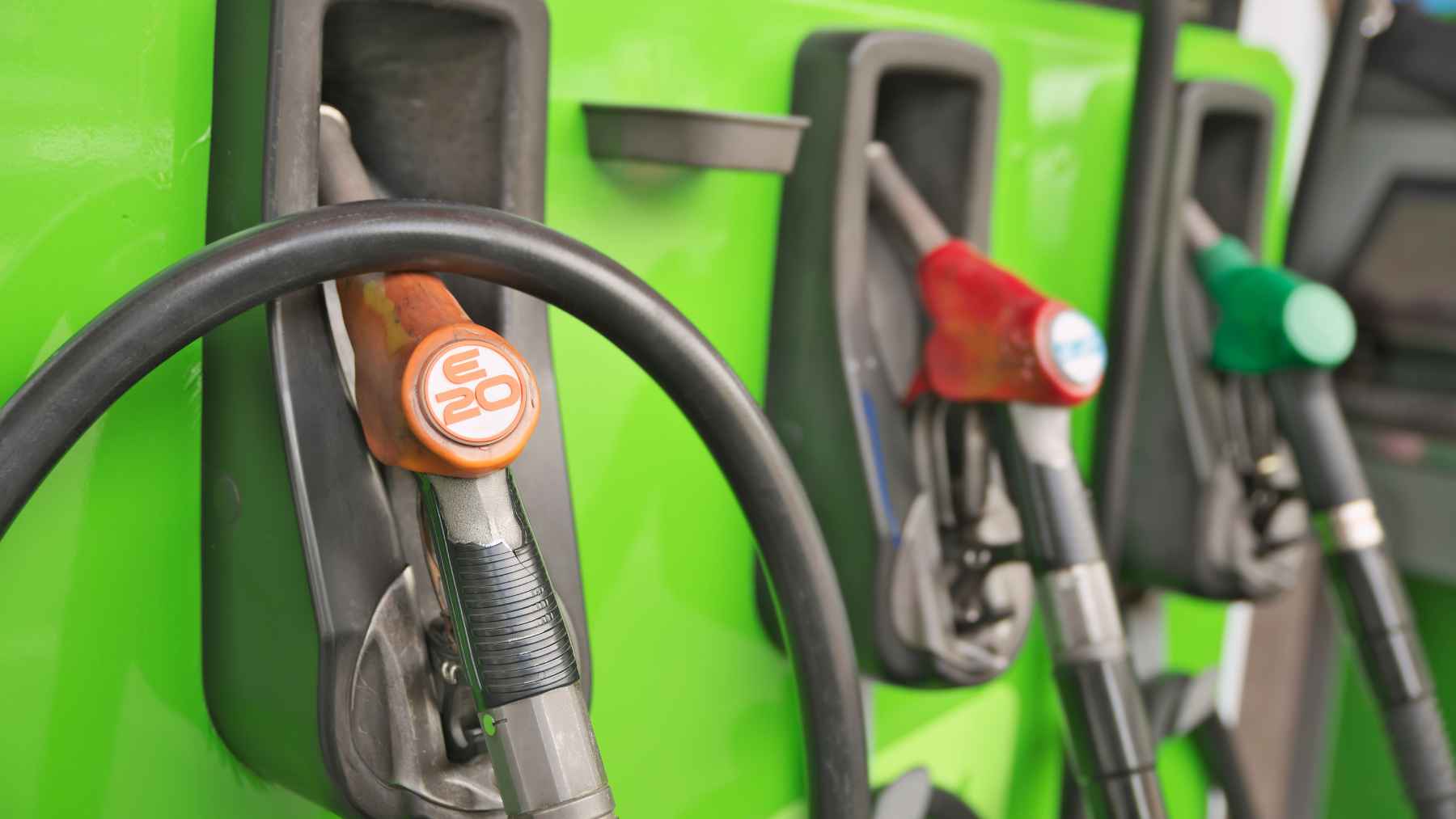
E20 contains 20% ethanol and 80% gasoline, and it is now the standard blend across India. Blending climbed from less than 1.5% in 2013-14 to 20% in 2025-26, five years ahead of the original target, but for most drivers the question is simpler: what happens after the next fill-up?
Will E20 damage an engine?
The ministry says the rollout followed testing by the Automotive Research Association of India, Indian Oil, the Society of Indian Automobile Manufacturers, and vehicle companies. Those checks covered durability, fuel systems, material compatibility, corrosion, drivability, emissions, and performance.
Real-world service data forms a big part of the government’s case. Maruti Suzuki reported servicing 28.4 million vehicles during its 2025-26 fiscal year, including 15 million older vehicles not originally certified for E20, without finding E20-linked corrosion, abnormal wear, or reduced component life. Hero MotoCorp reported a similar pattern.
Still, older cars are not all built the same. The ministry previously acknowledged that rubber parts and gaskets in certain older vehicles may need earlier replacement, describing it as a routine and relatively inexpensive service job. That is worth knowing, even though it is very different from widespread engine destruction.
The mileage question
The most believable concern is not a seized engine, it is a small mileage loss. The ministry’s latest guidance says some vehicles may experience a 3% to 5% reduction in fuel economy, so a car normally returning 40 mpg could fall to roughly 38 mpg.
Why does that happen? Ethanol contains less energy by volume than gasoline, so an engine may need slightly more fuel to travel the same distance. On the other hand, ethanol has a research octane rating of about 108.5, and the government says E20 raises regular Indian gasoline to roughly 95 RON.
Better acceleration does not make the mileage difference disappear, but it explains why calling ethanol a low-performance fuel is too simple. The honest answer sits in the middle, with a modest efficiency penalty in some vehicles and potential combustion benefits in newer ones.
Water and sugar myths
One viral claim says producing a single unit of ethanol consumes 10,000 units of water. The ministry says that figure wrongly assigns the full agricultural water footprint of rice to the distillery, while a plant itself uses about 3 to 5 gallons of processed water for each gallon of ethanol. It also says only surplus rice is released after national food requirements are met.
Then there are the stranger rumors. Fuel-grade ethanol is distilled, leaving no residual sugar to attract ants or bees, and it contains denaturants that make it unsuitable for consumption. Videos showing raw sugarcane juice being poured into gasoline do not reflect the industrial fermentation, purification, testing, and blending used to make E20.
Ethanol can absorb moisture, but that does not mean it pulls water through a sealed gas tank. Modern vehicles and fuel stations use safeguards intended to keep water out of fuel, whether the gasoline contains ethanol or not. Everyday maintenance still matters.
Warranties and insurance
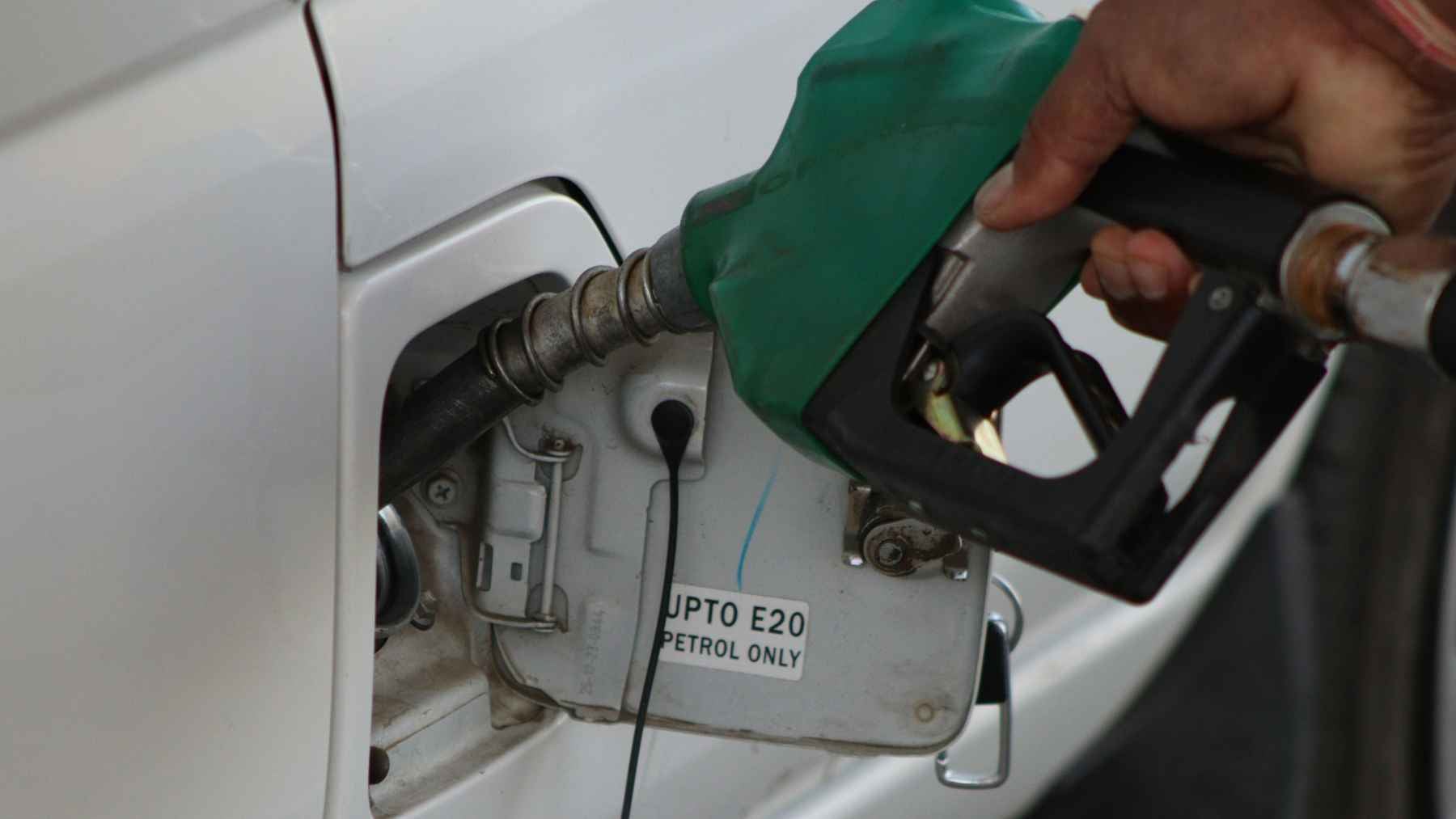
The government and industry groups say specification-compliant E20 does not automatically void a vehicle warranty or insurance policy. Manufacturers were involved in the transition, and the Society of Indian Automobile Manufacturers has said warranties will be honored for vehicles running fuel that meets the required standard.
Owners of older vehicles should still check the manual, service notices, and guidance from the manufacturer. A blanket social media claim is not a substitute for the terms of an actual warranty, and a mechanic can inspect aging hoses, seals, and gaskets during routine service.
The ministry also rejected reports that the government had described E20 as an “experiment” before India’s Supreme Court. It said the case concerned ethanol procurement contracts rather than the merits of blending, and that the Attorney General’s office clarified the issue on June 30, 2026.
Why India is pushing E20
For India, this is as much an energy-security and farm-income policy as an environmental one. At the rupee’s July 17 exchange rate, the ministry’s latest figures equal roughly $20.5 billion in foreign-exchange savings and more than $17.2 billion directed to farmers.
It also reports about 35 million tons of imported crude displaced and roughly 105 million tons of carbon dioxide avoided since 2014-15.
Those are government estimates, and they should be read as such. The climate benefit is not identical for every feedstock or facility. The ministry cites a NITI Aayog assessment estimating that life-cycle greenhouse gas emissions from sugarcane ethanol are 65% lower than gasoline, while corn ethanol is about 50% lower.
At the end of the day, E20 is not a magic fuel. It cannot remove every emission from road transport, and it does not give every vehicle exactly the same performance. What it can do, to a large extent, is replace part of an imported fossil fuel with a domestically produced renewable component.
What drivers should keep in mind
The available evidence does not support claims that E20 is causing engines to fail on a mass scale. But the useful answer is not simply “nothing changes.” Some drivers may notice slightly lower mileage, and owners of older vehicles may eventually replace a rubber component sooner than expected.
Check the vehicle’s service guidance, buy fuel from established stations, and keep an eye on mileage without treating every fluctuation as proof of damage. Tire pressure, traffic, air conditioning, maintenance, and driving style can move the number from one tank to the next.
The official Q&A was published on Press Information Bureau.