Copper has moved from the background of the economy to the center of the global technology and climate race. AI data centers, electric vehicles, renewable power, transmission grids, factories, and defense systems all need the highly conductive metal.
The latest International Energy Agency outlook still projects a 25% copper supply gap by 2035, even after new projects improved the picture.
That squeeze helps explain why copper reached record prices in early 2026 and why the red metal is drawing attention usually reserved for gold. This is not simply an investment story, though. The harder question is whether countries can expand mining, processing, and recycling without turning a climate solution into a new source of emissions, waste, and ecological conflict.
Why demand is surging
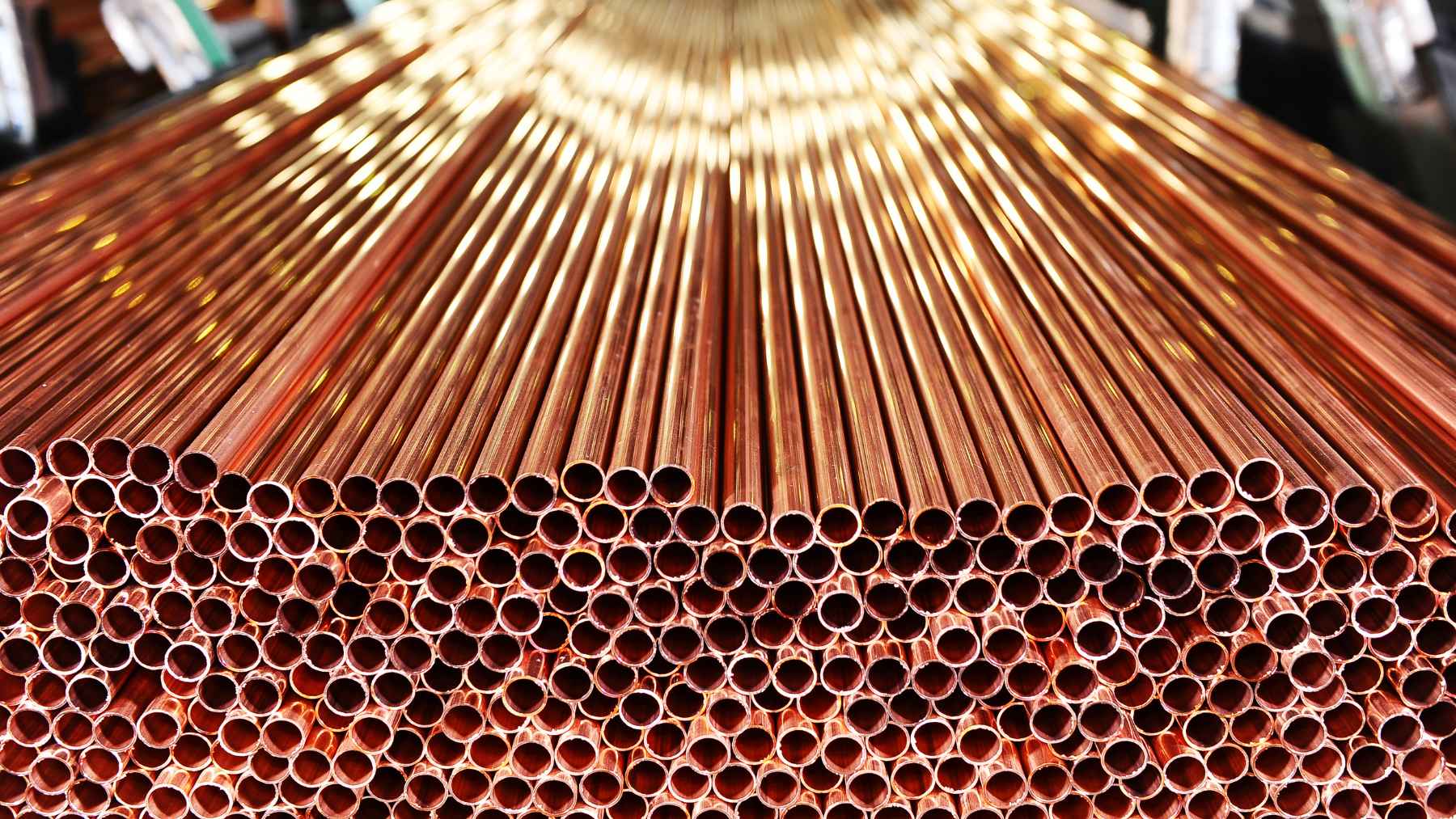
Open a wall outlet, a charging cable, or a server rack and copper is usually close by. It moves electricity efficiently, lasts for decades, and can be recycled, which makes it difficult to replace in many high-performance uses. BHP expects annual global demand to climb from roughly 35.3 million tons today to more than 55.1 million tons by 2050.
AI adds a fast-growing layer. BHP estimates data centers could increase their copper use sixfold, from about 551,000 tons a year to roughly 3.3 million by 2050. Still, AI is only part of the picture because power grids, EVs, construction, and industrial electrification remain major forces.
Supply cannot move that fast
Demand can change in a few years, mines cannot. The IEA says a new copper project takes about 17 years from discovery to production, while the average ore grade has fallen 40% since 1991 and the capital needed to expand existing sites has jumped 65% since 2020.
The latest estimate is slightly less severe than the agency’s 30% warning last year because projects advanced in the Democratic Republic of the Congo and Zambia. Even so, a one-quarter shortfall would be enormous. It could delay grid upgrades, factories, charging networks, and other projects that depend on reliable metal deliveries.
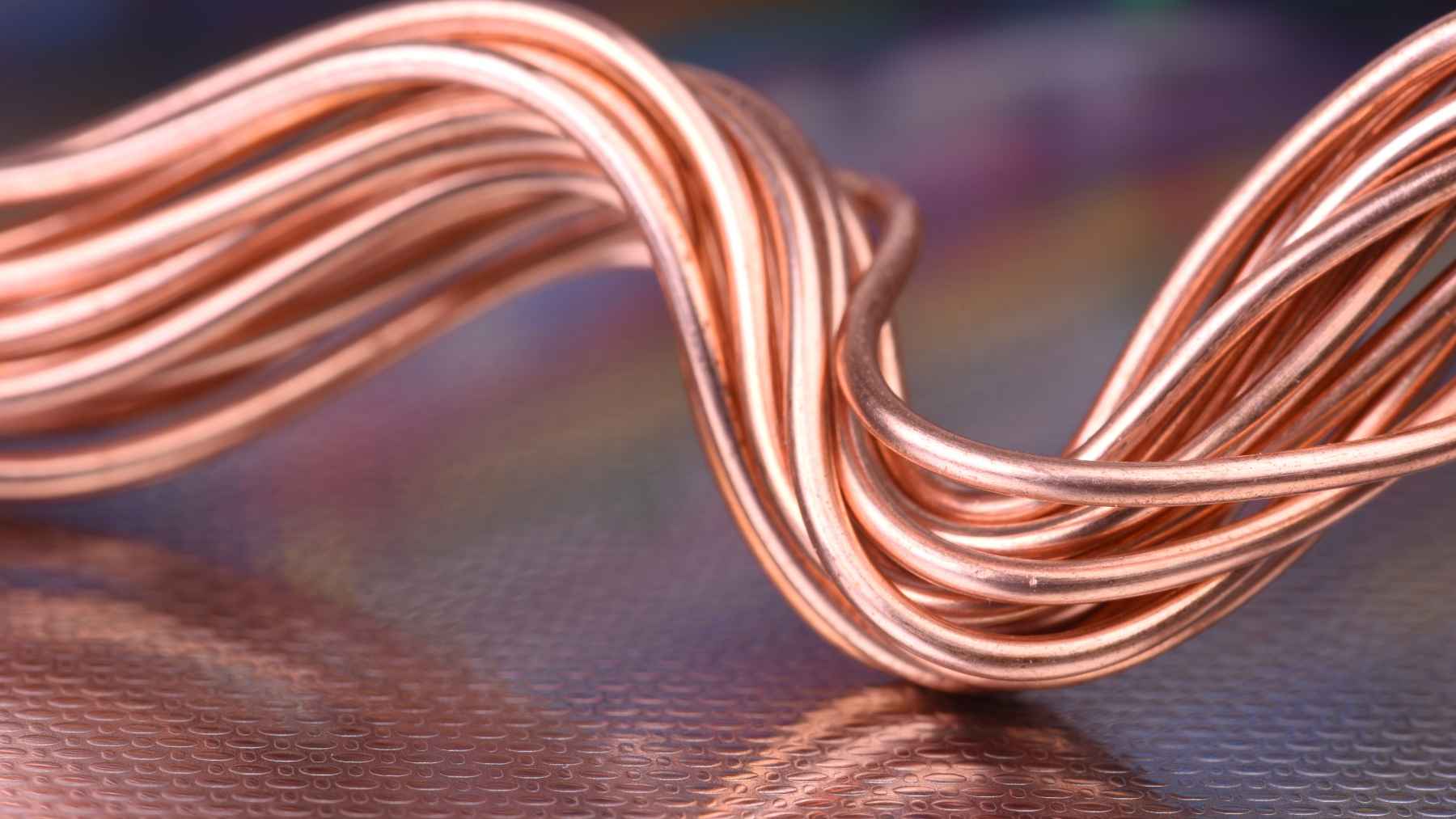
The market has already felt the pressure. Copper briefly exceeded about $6.58 per pound in January 2026 after mine disruptions and U.S. tariff uncertainty helped push prices into record territory. High prices may encourage investment, but they do not make permits, skilled workers, infrastructure, or community trust appear overnight.
The environmental trade-off
Lower ore grades mean miners generally have to move and process more rock to recover the same amount of copper. That tends to increase energy use, greenhouse gas emissions, and waste volumes. As such, every extra pound can become harder on both budgets and landscapes.
So, how much new mining is acceptable to build a cleaner energy system? Faster approvals do not have to mean weaker reviews, but speed depends on clear timelines, early community engagement, strong biodiversity safeguards, and funded restoration. Treating environmental standards as mere paperwork would only create delays and liabilities later.
Recycling buys time
Recycling is the quickest lever because it avoids the long wait for a new mine. The IEA says secondary supply, excluding direct-use scrap, could rise from 17% of copper demand today to nearly 40% by 2050 under its announced-pledges scenario. Scrap from EVs and energy storage is also expected to grow more than 35-fold between 2030 and 2050.
Old building cables, motors, appliances, and electronics are the urban mine sitting all around us, but much of that copper remains locked in homes, grids, and machines for decades, so recycling cannot close the near-term gap by itself. Better collection, sorting, product design, and secondary smelting still matter enormously.
Europe turns to Spain
The European Union has placed copper on its strategic raw materials list. By 2030, the bloc aims to extract 10%, process 40%, and recycle 25% of the strategic materials it consumes, while limiting dependence on any single foreign country to 65% or less. Those benchmarks point in the right direction, but they do not guarantee metal will reach factories on time.
Spain has a real opening because it is Europe’s second-largest copper producer. In March 2026, Madrid approved a mineral plan worth about $473 million at the latest European Central Bank reference rate, including roughly $208 million for its first national exploration program in 50 years.
The program will use remote sensing, geophysics, drilling, and AI-based models while also examining old mine waste for recoverable materials.
Brussels has already labeled Atlantic Copper’s CirCular recycling project and Cobre Las Cruces’ polymetallic project as strategic. That gives Spain a chance to connect mining, refining, waste recovery, and advanced industry in one regional chain. The opportunity is large, but execution will decide whether it becomes real.
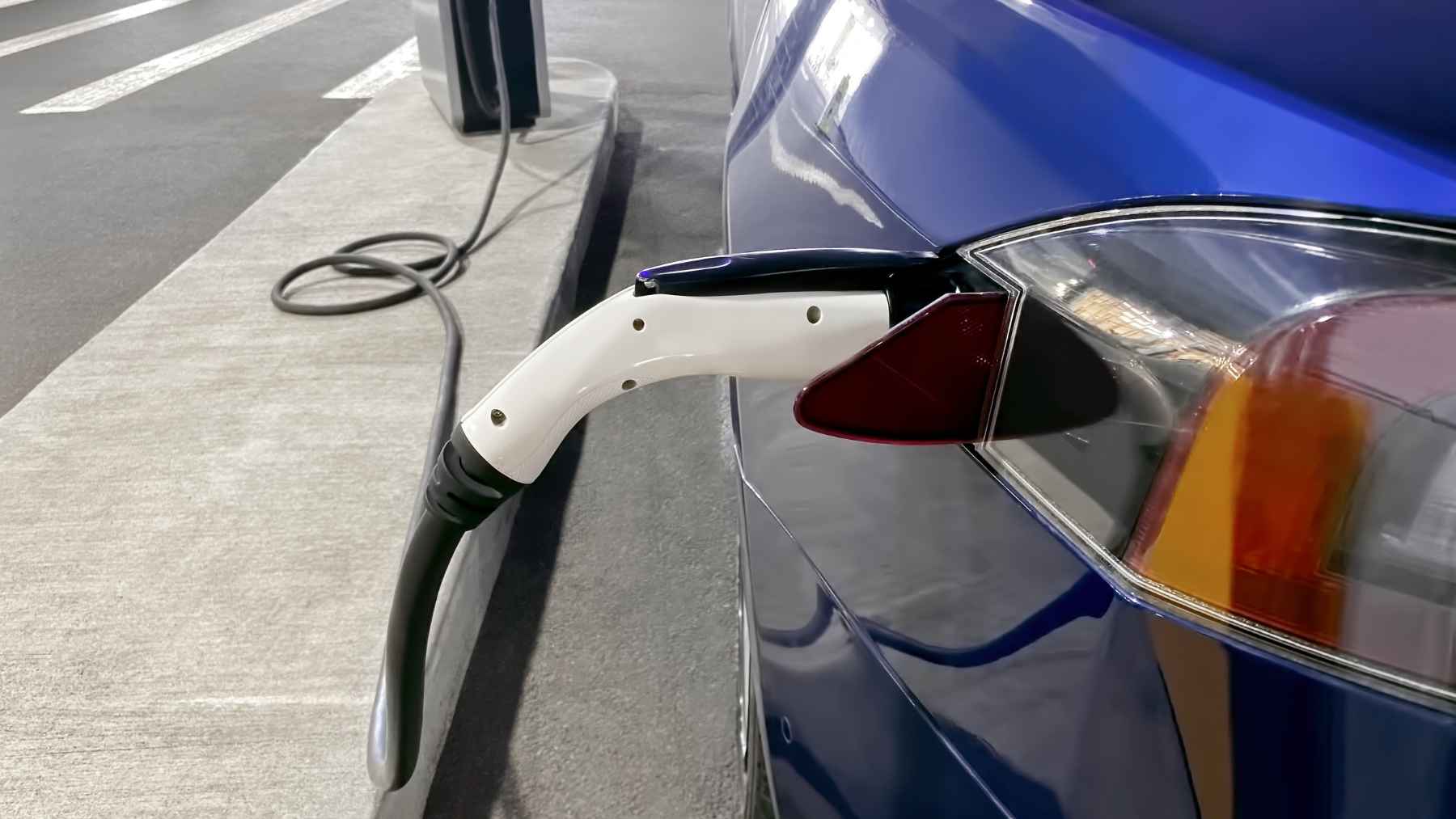
Copper is now a security issue
The United States is treating copper as a national security material, too. Section 232 duties now apply to certain copper products and derivatives, while federal officials continue to monitor domestic supply and refining capacity. Trade rules can support local investment, but they can also redirect inventories and add price swings before new production arrives.
IEA Executive Director Fatih Birol described the added cost of diversified sourcing as a “mineral security premium.” At the end of the day, copper is not replacing gold in the traditional safe-haven sense, but becoming the wiring behind AI, clean power, electrification, and defense may make it just as strategically important.
The official report was published on the International Energy Agency website.