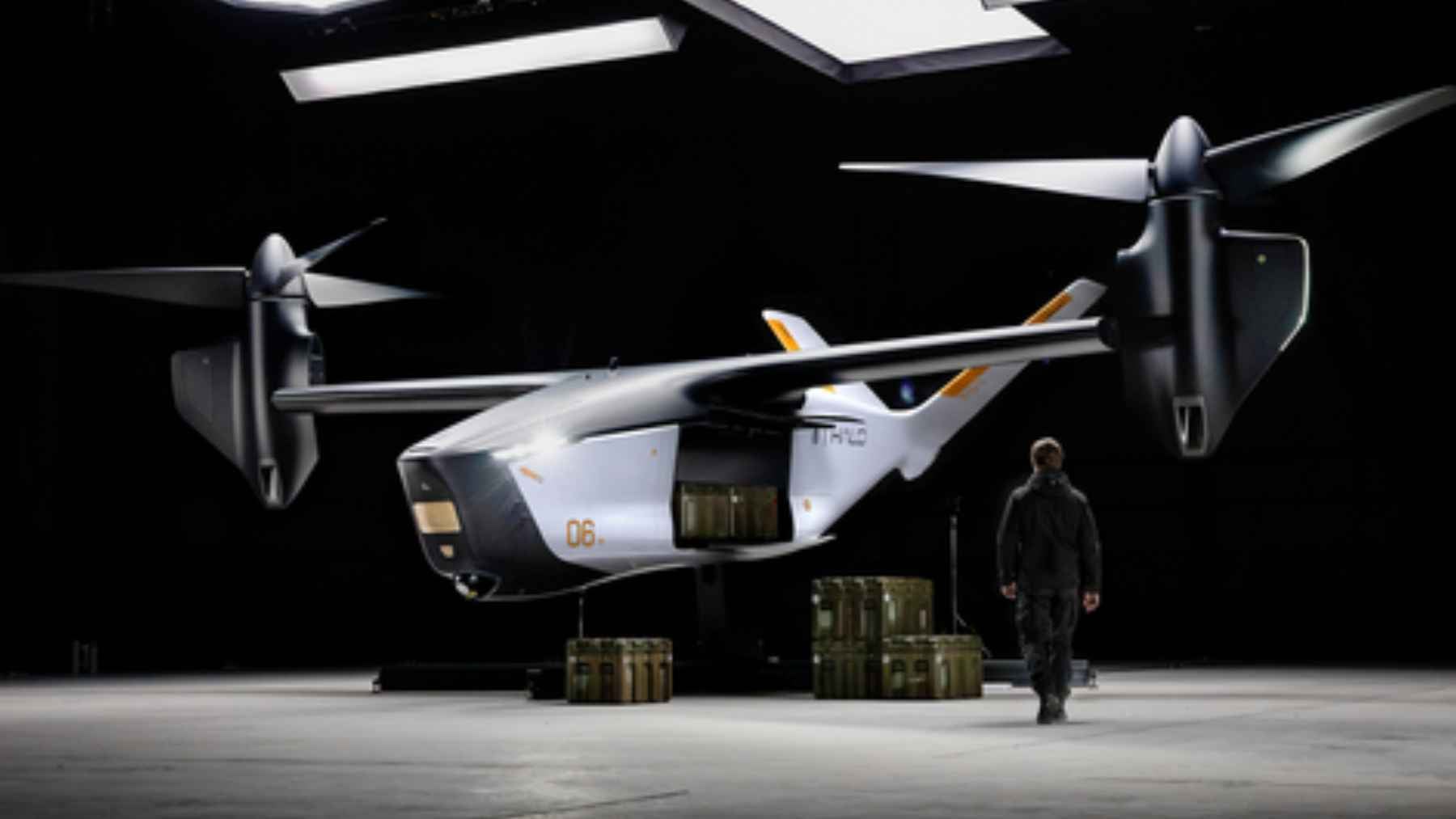
Archer Aviation built its reputation around electric air taxis, but its latest aircraft is aimed at a very different mission. At the Farnborough International Airshow, the California company and defense technology firm Anduril unveiled Thunder, a large autonomous hybrid-electric aircraft designed to take off vertically and fly alongside crewed military helicopters.
Archer shares closed 19.6% higher at $5.31 on Monday, July 20, after the announcement.
The market reaction was dramatic, but the deeper story is the transfer of air taxi technology into defense. Thunder could give Archer a second route to revenue while its passenger aircraft works through a demanding civilian certification process.
Still, this is not an operational aircraft or a confirmed commercial success, with its first flight planned for 2027 and neither a production order nor a price announced.
From air taxis to attack rotorcraft
Archer is best known for Midnight, its piloted battery-electric aircraft designed to carry four passengers on short urban trips. The company has been selected as the official air taxi provider for the 2028 Olympic and Paralympic Games in Los Angeles, although launching passenger service still depends on certification, infrastructure, training, and operational readiness.
Thunder takes eight years of work on electric motors, rotors, flight controls, and aircraft manufacturing and applies it to a clean-sheet military design. Archer chief executive Adam Goldstein said the partners “couldn’t simply tweak our existing aircraft.” In practical terms, Thunder is not a weaponized Midnight.
Anduril brings the autonomy and defense side of the partnership. Founded by Palmer Luckey in 2017, the company develops artificial intelligence-enabled systems for the United States and its allies. That pairing gives Archer access to a defense market where autonomous aircraft are becoming central to new military programs.
How Thunder flies
Thunder is a vertical takeoff and landing aircraft, commonly shortened to VTOL. Its two tilting rotors lift it like a helicopter, then change position for forward flight so the wings can carry more of the load. That means it can operate without a runway while seeking the speed and efficiency of an airplane during cruise.
Unlike Archer’s fully electric Midnight, Thunder uses a series hybrid-electric powertrain. The companies say the system is designed to provide greater range and endurance, while variable rotor speeds reduce power demand and fuel burn in cruise.
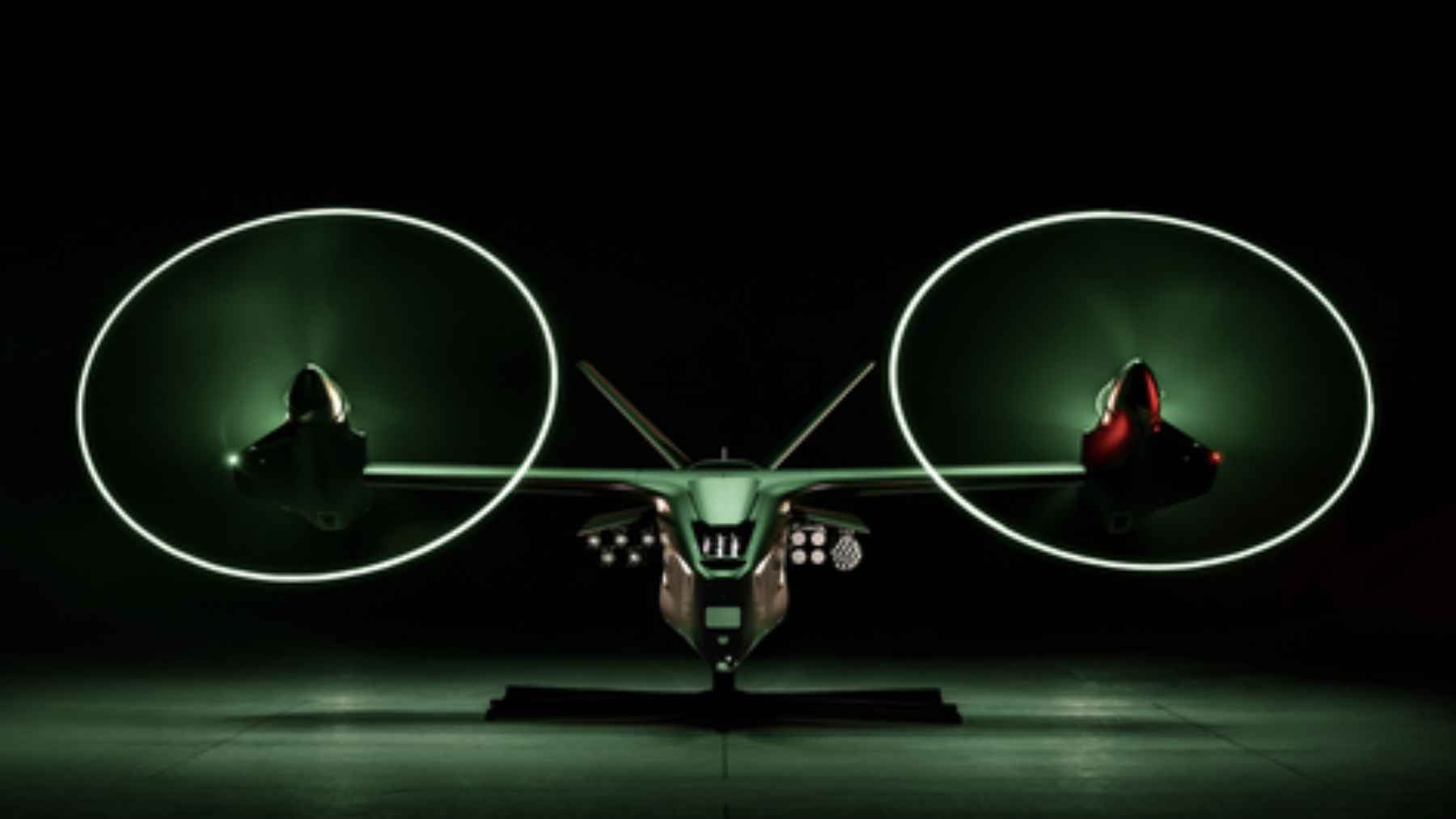
They also claim a smaller acoustic signature during low-level approaches, which matters in combat and could later matter for civilian cargo flights near homes.
That does not make Thunder a zero-emission aircraft. The launch announcement did not include fuel consumption, carbon emissions, battery capacity, or a life-cycle comparison with conventional military helicopters. For now, the environmental case rests on design targets rather than independently verified numbers.
A robotic wingman for helicopters
Anduril describes Thunder as a Group 5 autonomous attack rotorcraft, a U.S. military category associated with some of the largest unmanned aircraft. It is intended to fly with platforms such as the Apache attack helicopter, either as part of an autonomous formation or on missions without a crew on board.
What would it do first? The planned roles include reconnaissance, fire support, maritime patrol, search and rescue, cargo delivery, and logistics in contested areas. Modular payload bays can carry sensors, electronic warfare equipment, precision weapons, launched effects, rockets, and counter-drone munitions.
The basic logic is simple. Thunder could move ahead of a crewed helicopter, enter areas covered by air defenses, and take on missions where the risk to pilots is highest. That may protect human crews, but it also raises serious questions about command responsibility, human control, target identification, and the rules governing autonomous weapons.
Why defense may move faster
Civilian air taxis must pass through a broad Federal Aviation Administration framework covering aircraft design, production, airworthiness, pilots, operators, airspace, and infrastructure. Powered-lift aircraft combine helicopter and airplane characteristics, so regulators have had to create rules for a category that remains new to commercial aviation.
Thunder does not need to follow the same passenger-carrying certification path before a military customer can deploy it.
But that is not a regulatory free pass. U.S. defense policy requires airworthiness authorities to assess and approve both crewed and uncrewed military aircraft, while weapons integration, cybersecurity, flight testing, and procurement would add further hurdles.
This difference helps explain Archer’s strategy. Commercial certification must demonstrate that a passenger aircraft can operate safely within civilian airspace, while a military program evaluates an uncrewed system under a separate airworthiness and mission framework. The route may be different, but it is hardly effortless.
The 20% market verdict
Investors clearly liked the idea of Archer becoming more than an air taxi company. A 19.6% one-day gain shows how strongly the market responded to a larger potential market and the possibility that military work could support engineering, manufacturing, and cash flow while the civilian business matures.
But a stock jump is not a contract. The launch announcement named no Thunder production customer, order value, manufacturing schedule, or unit price. The companies said they had completed multiple flights with full-scale surrogate aircraft, meaning test vehicles used to validate important systems, while Thunder itself is still targeting its first flight in 2027.
That gap matters because aerospace programs can look convincing on a show floor and still face delays when software, propulsion, payloads, maintenance, and safety requirements meet real-world testing. Thunder has attracted attention. Now it must prove that it can fly, work alongside crewed helicopters, and be produced at a cost military buyers will accept.
What Thunder means for aviation
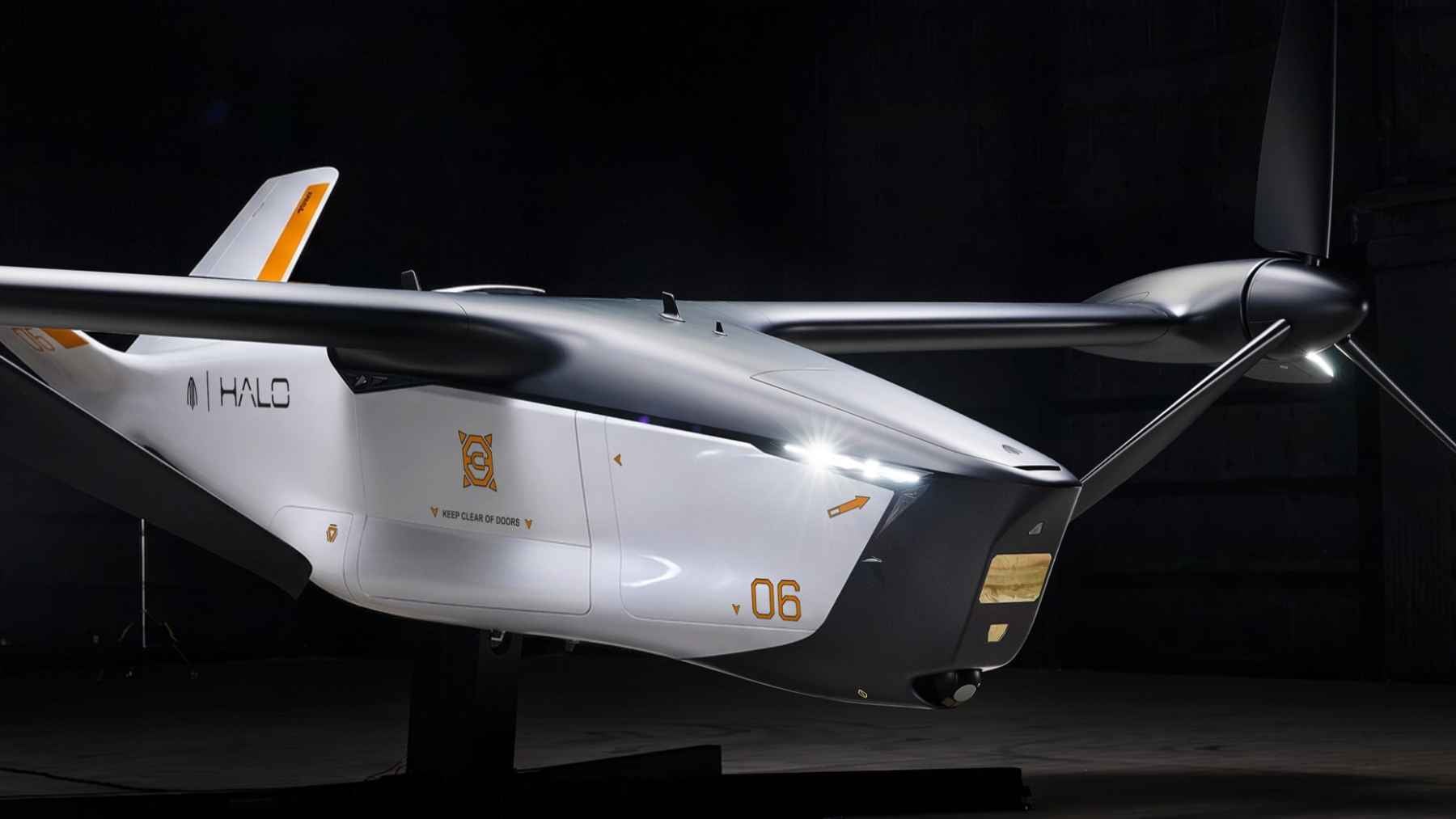
The most important part of Thunder may be its dual-use architecture. Archer and Anduril have also revealed Halo, a commercial version using the same airframe, hybrid powertrain, and core systems for freight, offshore operations, and humanitarian or medical cargo.
Defense investment could therefore accelerate technologies that later support quieter and more efficient civilian aviation.
On the other hand, Thunder shows why “green aviation” is becoming harder to define. Hybrid propulsion may cut fuel use and noise during some flight phases, but the aircraft is also designed to carry weapons and expand combat capacity. Cleaner propulsion does not erase the purpose of the machine.
For Archer, this is a bold diversification move rather than a completed transformation. The first real checkpoint arrives in 2027, when Thunder is expected to fly in its own configuration.
The official Thunder statement was published on Anduril.