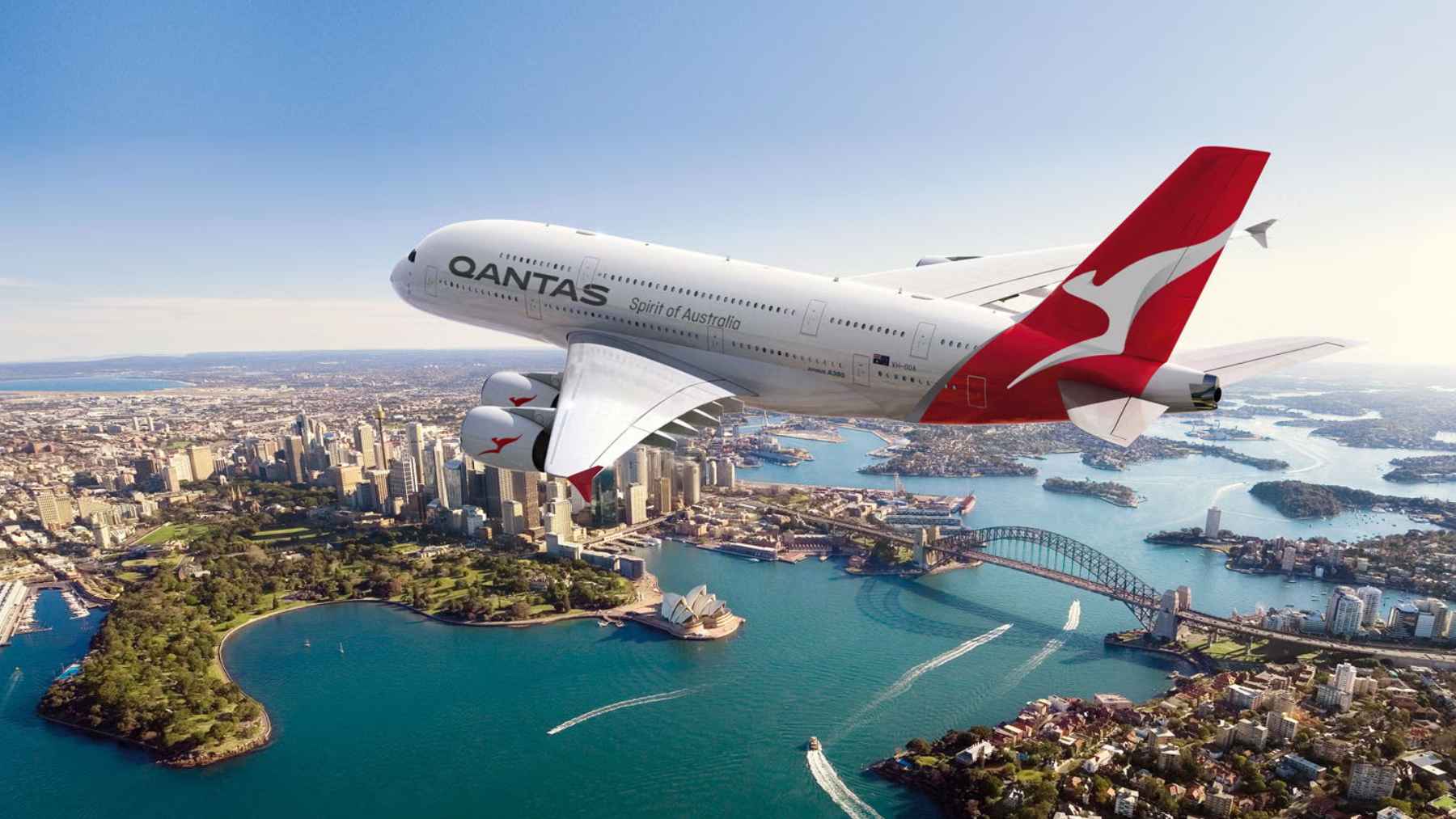
Bringing a double-deck airliner back from the desert is not like charging a dead car battery and turning the key. Qantas spent more than 100,000 labor hours returning VH-OQC, named Paul McGinness, to service after nearly six years in storage, only for engineers to find damage to a left-wing leading-edge slat after its first commercial passenger flight.
That timing made the incident look like a verdict on the entire restoration. It was not. The aircraft operated normally and landed safely, but the episode exposes the costly, technically demanding and environmentally awkward reality of keeping older four-engine jets flying while airlines wait for newer replacements.
A 100,000-hour comeback
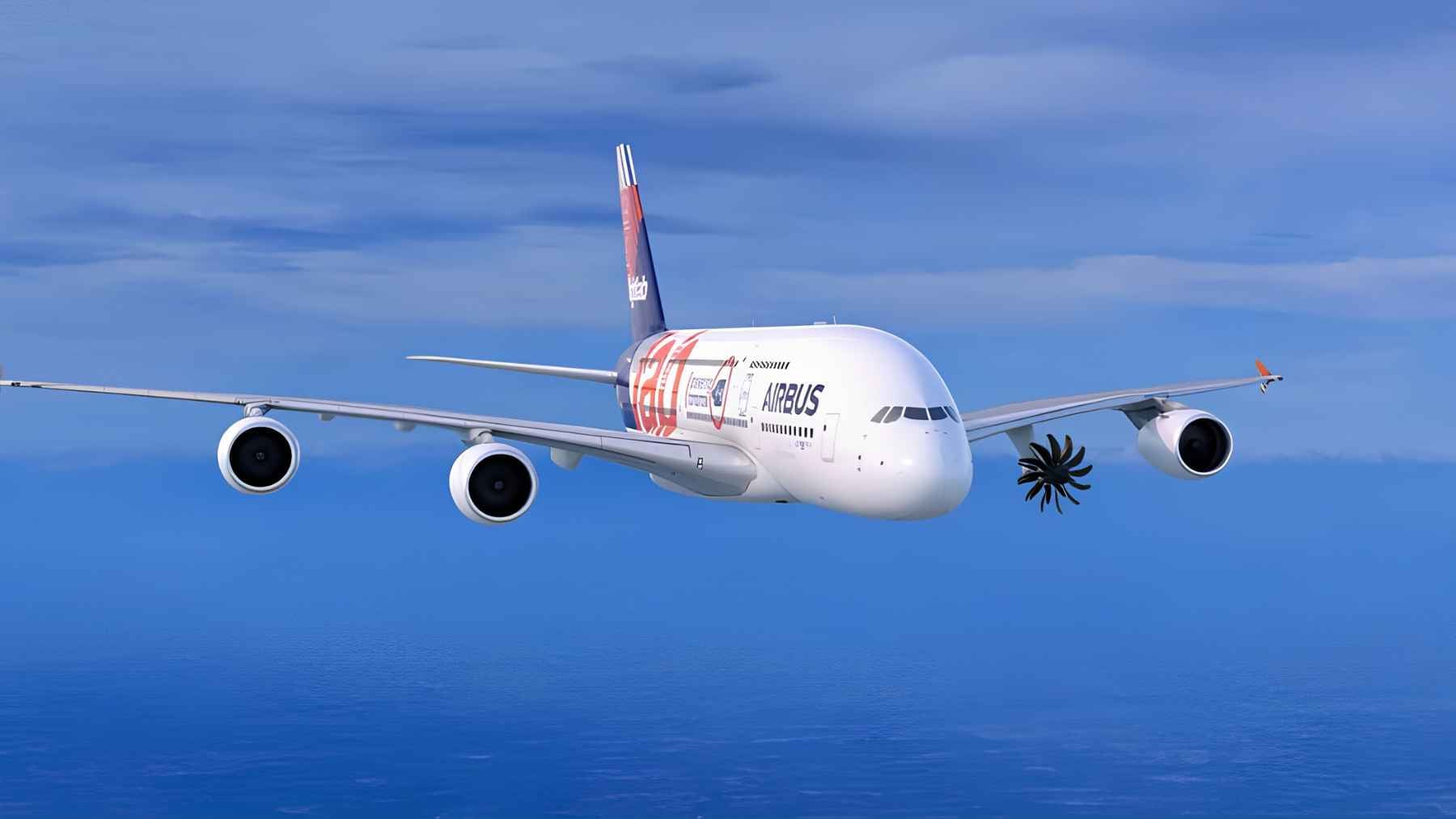
VH-OQC became the tenth and final Qantas A380 to return after the pandemic grounding. Qantas called the work the largest maintenance check in its 105-year history, and International CEO Cam Wallace said, “Bringing an A380 back into service after nearly six years in storage is no small feat.”
The scale helps explain why. Qantas lists the A380 at roughly 1.23 million pounds at maximum takeoff weight, with a wingspan of about 262 feet, while its renewed four-class cabin holds 485 passengers. One aircraft can therefore add a large block of seats to a busy long-haul route without adding another departure.
What desert storage really means
Long-term storage is designed to preserve an airplane, but it does not freeze it in time. Airbus return-to-service guidance covers engines, flight controls, fuel, hydraulics, landing gear, electrical equipment and air-data systems.
Returning the aircraft requires those protections to be reversed, systems to be inspected and tested, overdue work to be completed and the jet to prove itself on the ground and in assessment flights. Qantas said VH-OQC also received heavy maintenance, a landing gear replacement and a complete cabin refresh before passengers returned.
this was closer to reopening a factory than starting a parked car. Thousands of components had to work together again, from the systems pilots rely on to the screen and seat controls a traveler notices during a 13-hour flight.
The first flight went wrong
VH-OQC operated QF11 from Sydney to Los Angeles on Dec. 7, 2025. After landing, engineers found that part of a slat on the left wing was damaged, and Qantas said, “The aircraft operated normally and landed without incident.” The return flight was canceled while the part was replaced.
A slat is a movable panel along the front edge of a wing. It extends during takeoff and landing to help the wing produce lift at lower speeds, so it is not the same component as a flap on the rear edge. The visible damage looked alarming, but the jet completed the crossing without an emergency landing.
Passengers also reported a separate cabin power problem that affected entertainment screens and some seat functions. That matters because it shows two different reliability questions at once, one involving a wing component and another involving the onboard experience. They should not be blurred together.
A known concern, but not proof
The damage drew attention because a French investigation had already examined a similar event involving an Emirates A380 near Nice in 2023. The BEA found pre-existing bonding defects between the metal-composite slat skins and their honeycomb core, which may have weakened the structure, while ruling out a bird or drone strike.
EASA also issued an A380 airworthiness directive on Dec. 2, 2025. However, that directive addressed incorrect information about slat assembly interchangeability and the possibility of installing noncompliant parts, not a finding about what damaged VH-OQC.
That distinction is important. The resemblance to earlier cases warrants scrutiny, but it does not establish a common cause. Based on the public information available after the flight, the exact reason for the Qantas slat damage had not been confirmed.
The environmental bargain
Reactivating an existing aircraft keeps a valuable asset in use and gives Qantas 485 more seats without waiting for a new widebody. But it is not automatically a climate win. Qantas has said new-generation aircraft burn significantly less fuel, particularly when moving from a four-engine A380 to a twin-engine A350.
Occupancy changes the picture. When an A380 is full, its fuel use is spread across hundreds of passengers and its size is useful at airports where extra takeoff and landing slots are difficult to obtain. Empty seats quickly weaken that per-passenger advantage.
Qantas plans to begin replacing its ten A380s with A350s from around fiscal 2032. Airbus says the A350 uses 25% less fuel and produces 25% less CO2 than previous-generation aircraft, although that manufacturer figure should not be read as a precise A380-to-A350 comparison for every route.
Why Qantas still wants the superjumbo
Qantas said its A380 fleet carried more than one million international passengers in the previous year. The airline brought VH-OQC back as an operational spare and said its return would support daily A380 service between Sydney and Dallas, alongside flying to Los Angeles, London, Singapore and Johannesburg.
So why spend 100,000 hours on an aircraft already approaching the final chapter of its career? Because airline capacity cannot be replaced overnight. Until enough new jets arrive, the A380 is a bridge that protects schedules, carries large passenger volumes and makes scarce airport slots work harder.
The irony is hard to miss. Six years of storage and a vast engineering effort were followed by a damaged slat on the first passenger trip. Yet maintenance is not judged by whether an aircraft never develops another fault, but by whether problems are detected, contained, repaired and fed back into safer procedures.
A bridge to the A350 era
The A380 comeback is not a reversal of Qantas’ environmental strategy. It is a temporary response to strong demand and limited widebody capacity, while the airline prepares for a quieter and more fuel-efficient twin-engine fleet.
For passengers, the central fact is that QF11 landed normally and the aircraft was held for repairs. For Qantas, the lesson is that return-to-service work does not end with signed maintenance paperwork, because early flying is where engineering confidence meets everyday reality.
The official press release was published on Qantas Newsroom.