France allows eligible motorists to show a government-verified digital driving license during roadside checks. The nationwide service has been available through the France Identité app since Feb. 14, 2024, and later updates made it easier to import both the old pink paper permit and the newer card-sized version.
That does not mean the country has legalized driving with no license at all. The driver must still hold a valid entitlement, and the digital copy only works through a verified French identity on a compatible phone. For tourists and many residents without the qualifying French ID card, the plastic or paper document remains essential in practice.
What happens during a traffic stop
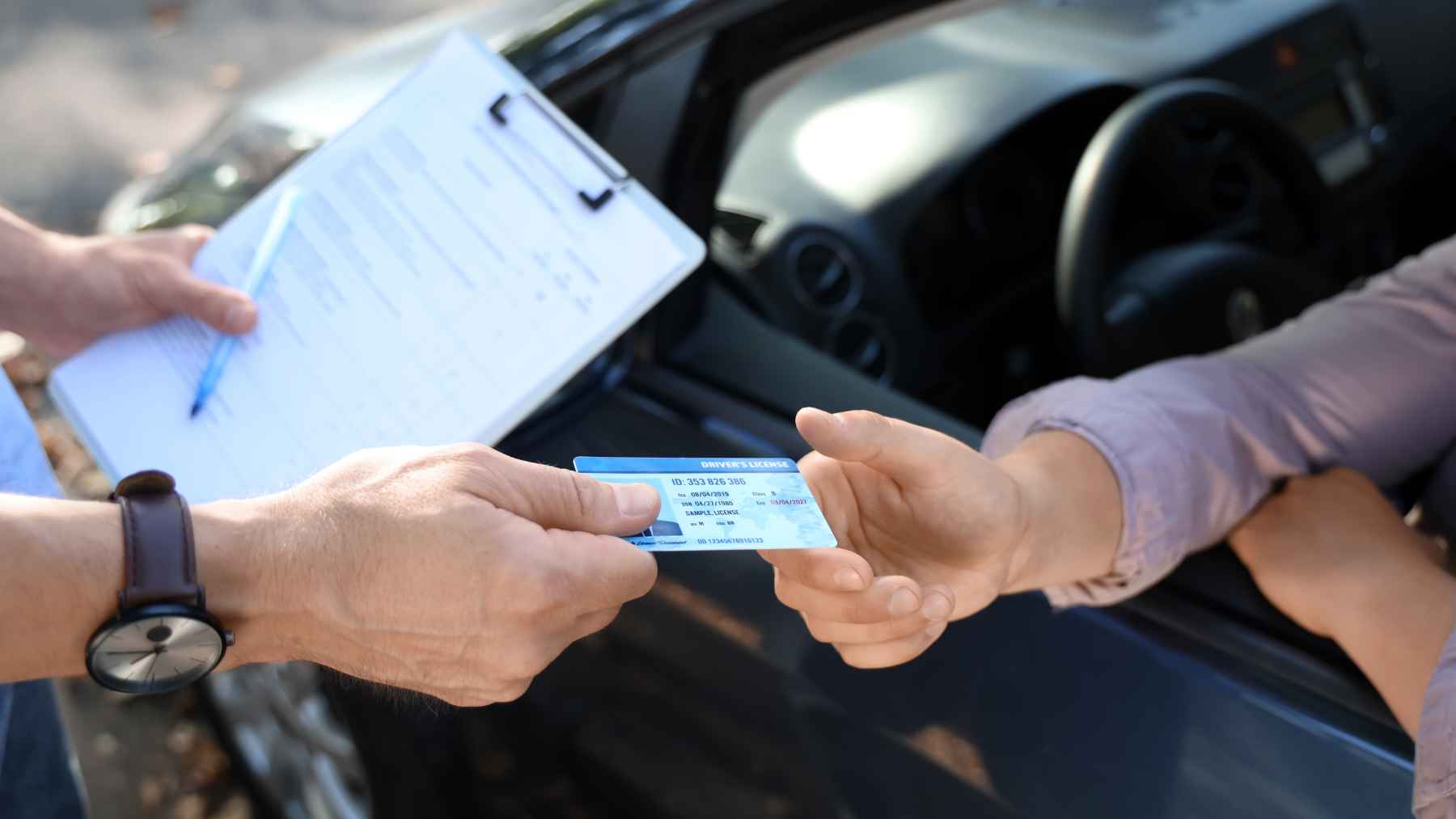
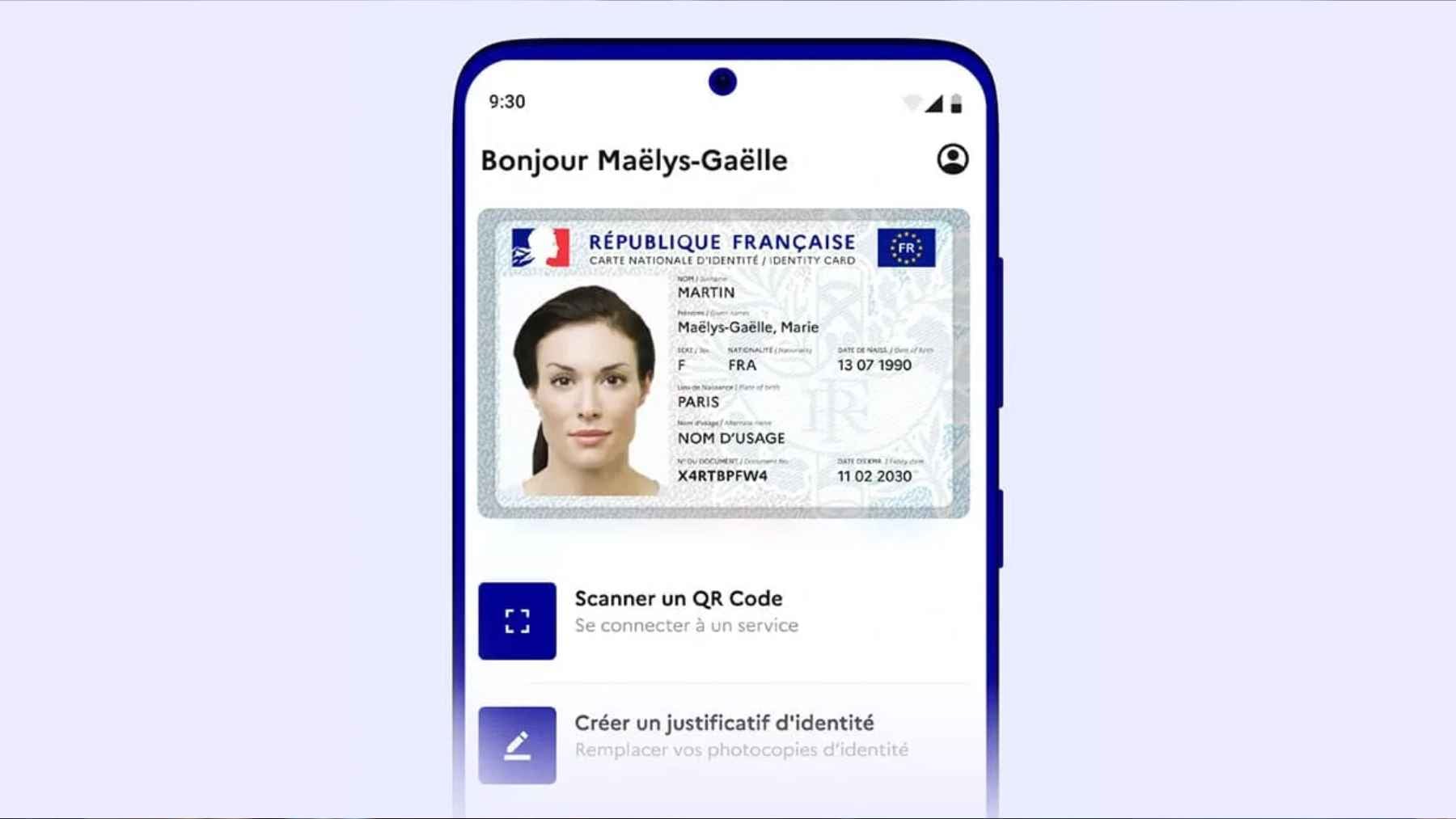
During a check, the driver opens France Identité, selects “present your driving license,” and approves the information that will be shared. The phone is then placed next to the officer’s device, allowing near-field communication technology, better known as NFC, to transfer the verified license data.
This is not the same as showing a photograph or screenshot from the camera roll. It is an official digital credential whose authenticity can be checked during the stop. But France’s own guidance says the mobile license complements the physical one rather than replacing it, which makes a charged, functioning phone the practical price of leaving the card at home.
Who can use the system
The eligibility rules are narrower than the convenience-first headline suggests. Users must be at least 18, hold the newer card-sized French national identity card, and have a phone running Android 11 with NFC or iOS 16.6 or later.
Both the old three-panel pink permit and the newer card-format license can be imported. A suspended or revoked license cannot be added. Since France Identité depends on a qualifying French identity card, a tourist carrying only a foreign identity document cannot simply download the app and use the French mobile license.
How to add the license
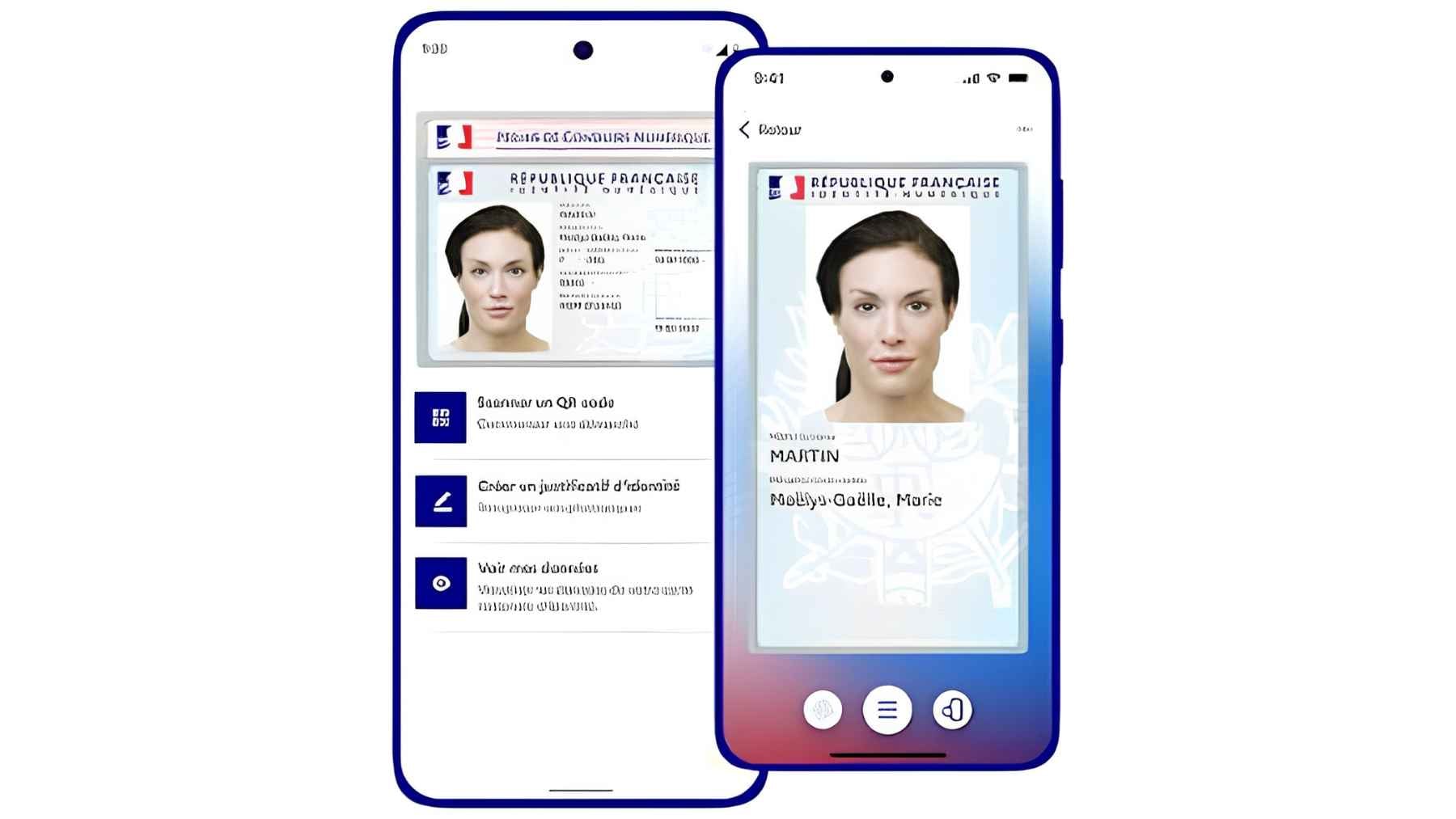
There are now two import routes, and the latest official procedure goes beyond the earlier QR-only instructions. In the direct method, the user enters the file number, also called the NEPH, printed on the physical license, confirms the request with a personal code, and reads the chip in the French identity card through NFC.
The alternative route uses an “attestation de droits à conduire sécurisée,” or secure certificate of driving rights. The driver downloads that certificate from the Mes Points Permis service and scans its QR code inside France Identité. Once the data is imported, the digital license appears alongside the user’s identity credential.
Privacy is part of the design. Before a roadside transfer, the app shows which information will be sent and asks for consent. In practical terms, it works more like a verified key than a picture of a document, helping authorities fight fraud while limiting unnecessary data disclosure.
The pink permit has a deadline
France’s familiar pink paper license remains valid until Jan. 19, 2033. Drivers can already request a replacement with the newer card-sized document, and doing so is an administrative renewal rather than another driving test.
The deadline does not mean millions of people suddenly lose their right to drive in 2033. It means the old paper format stops being accepted, while the underlying license categories follow their own validity rules. The modern card is generally valid for 15 years, although medical restrictions and heavy-vehicle categories can change that period.
Europe is moving in the same direction
France is early, but its current app is still a national solution. The European Union’s modernized driving-license directive entered into force on Nov. 25, 2025 and introduces an EU-wide digital license delivered through the European Digital Identity Wallet.
Member states have a four-year implementation period, and a physical document must remain available on request. The cross-border feature is the real breakthrough because the future mobile credential is designed to work throughout the bloc rather than remain tied to one country’s app.
Until that system is fully applied, foreign motorists should not assume that a phone-based license from home will replace the physical document in France. The same caution applies to French drivers traveling beyond the places that recognize the national credential. For now, the card remains the safer travel companion.
The green benefit is smaller than it looks
At first glance, moving a document from a wallet to a phone sounds like an environmental win. It could reduce some replacement documents, printing, and administrative travel, but the official French guidance reviewed here provides no carbon-savings estimate for the digital driving license. That means its ecological value should not be exaggerated.
France’s ecological transition agency says digital activity accounted for 4.4% of the country’s carbon footprint in 2022, equal to about 32.5 million U.S. tons of carbon dioxide equivalent. It also used 11% of national electricity, while manufacturing digital equipment remained a major source of the impact.
The greener outcome, to a large extent, comes when people use a phone they already own and keep it longer rather than upgrading just to access one more app.
At the end of the day, France Identité is mainly a convenience, security, and administrative modernization tool. It may trim material use around the edges, but the climate case depends on long-lasting devices and efficient digital infrastructure. Digital does not automatically mean weightless.
What drivers should remember
For an eligible driver, the checklist is simple. The license must be valid and imported, the new French identity card must be registered, and the phone needs a working battery and NFC connection. Keeping the physical permit nearby still makes sense as a backup and remains important for international travel.
France’s change shows how quickly official credentials are moving into smartphones. The bigger milestone will come when one secure mobile license works across Europe without excluding people who use older devices or prefer paper and plastic.
The official guidance on France’s mobile driving license was published on France Identité.