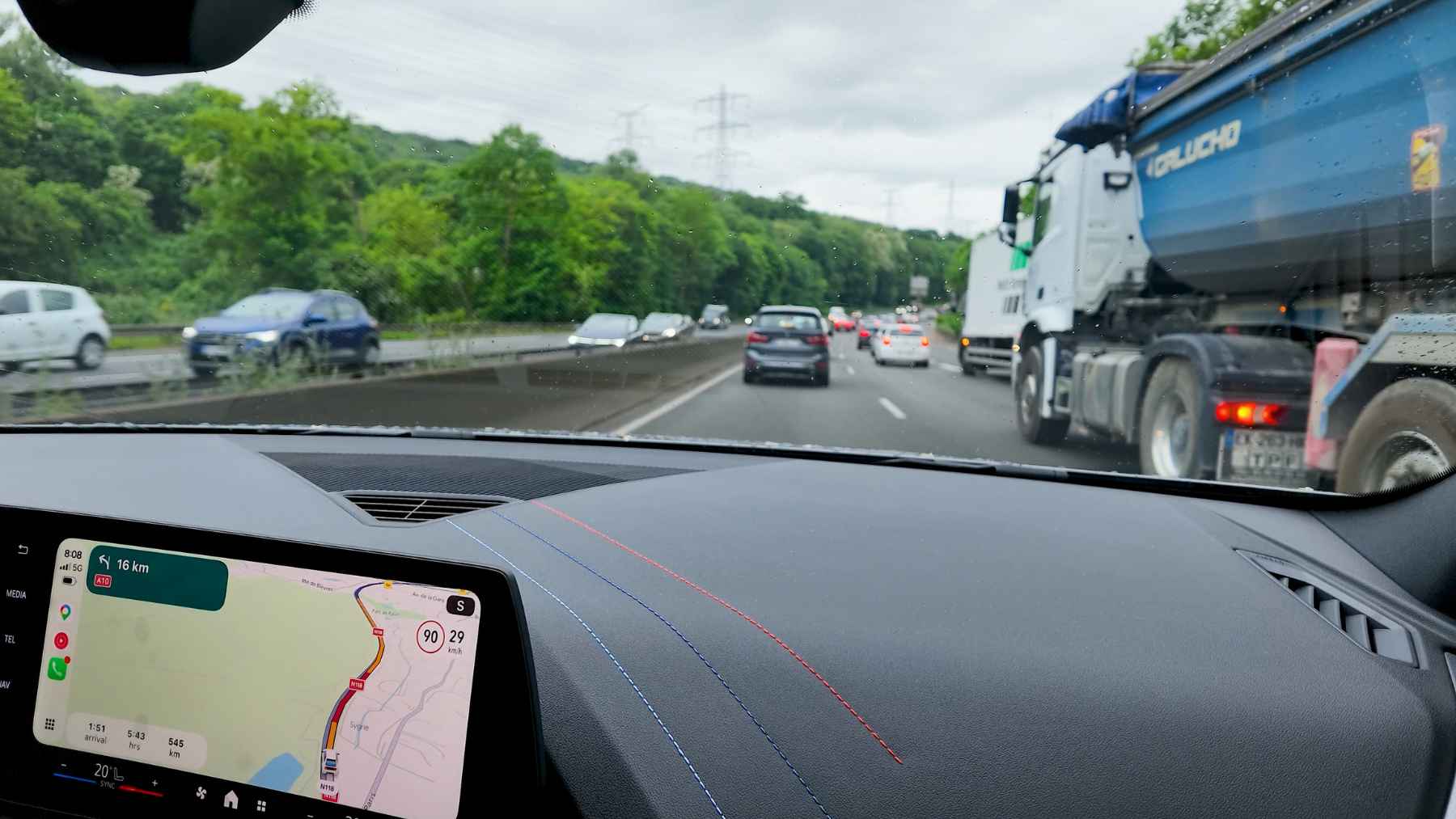
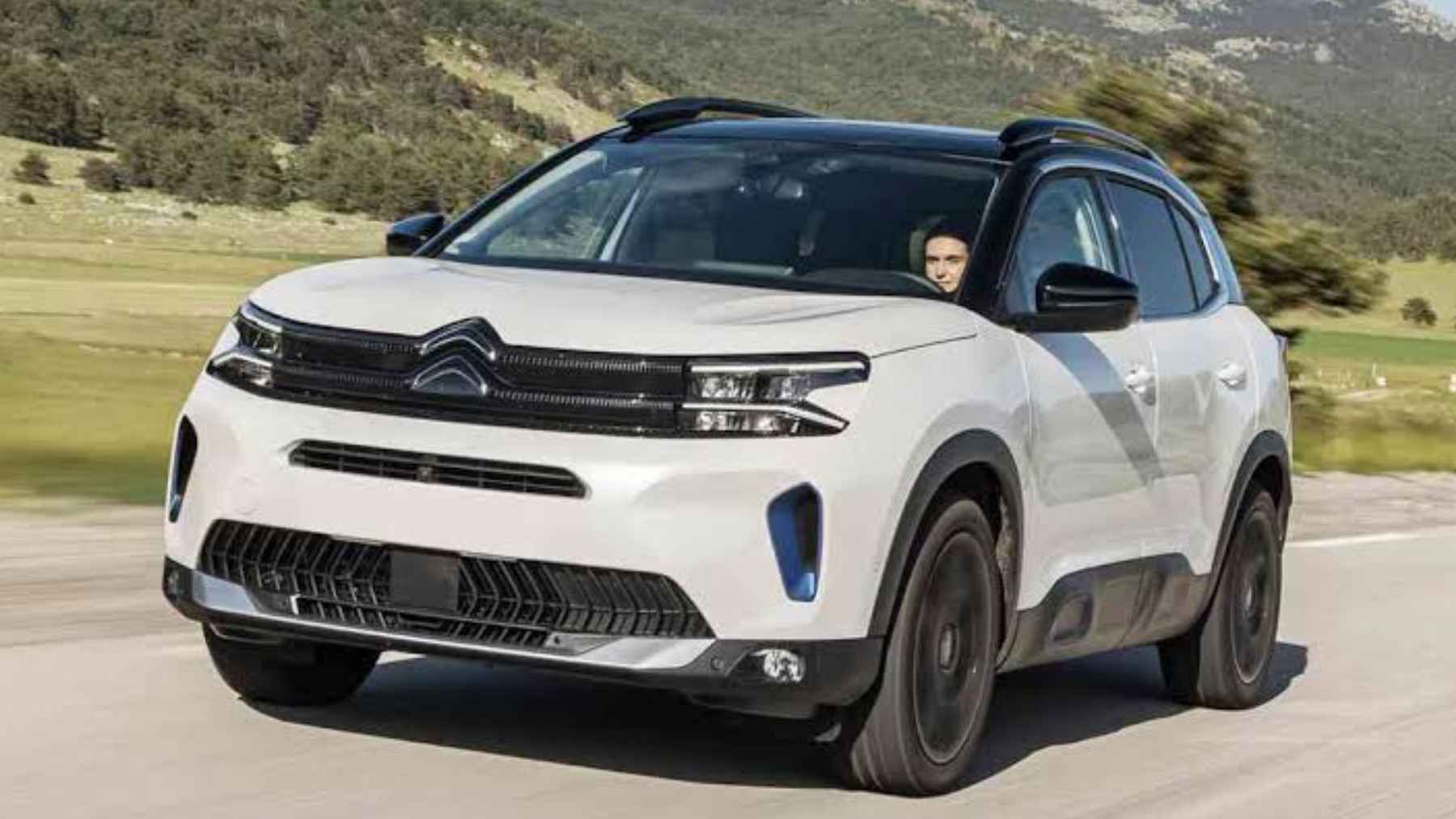
What happens when a car tells its driver that a 30 mph street has a 60 mph limit? In one Citroën C5 Aircross, the same technology also held a 5 mph reading for more than three miles after the vehicle left a parking lot.
The unsettling answer is that the car may not be mechanically broken at all. Camera and map-based speed recognition can make obvious mistakes while the hardware continues operating normally, and that matters even more as the same software-heavy vehicles lead the shift toward electric driving.
Why the system gets confused
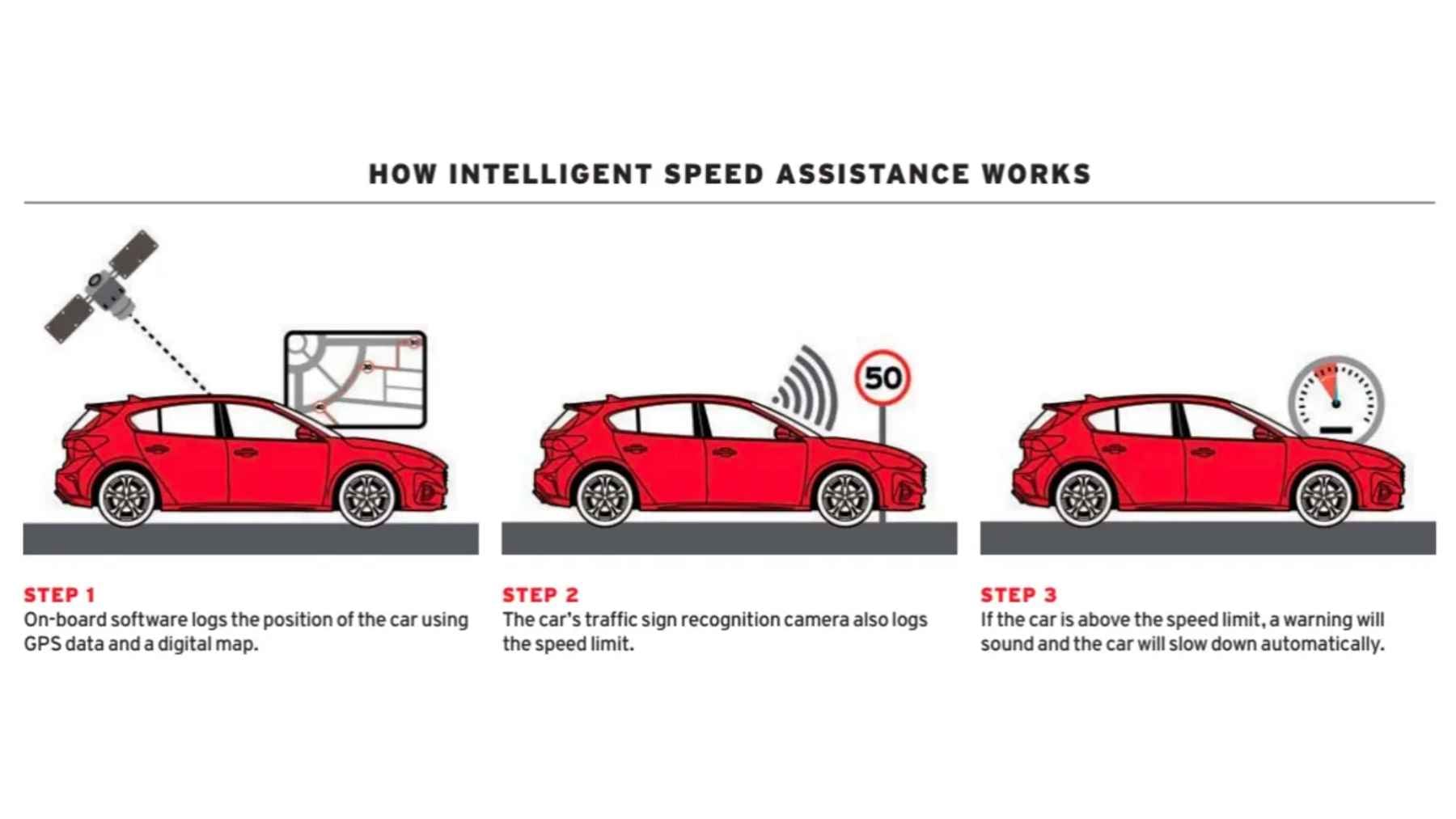
Modern speed-limit recognition usually watches roadside signs through a forward-facing camera. Some vehicles also compare what the camera sees with digital map data, but neither source has a perfect view of the road.
A camera may read a sign meant for a side street, a frontage road, or a nearby parking area. Digital maps can be outdated, while temporary roadwork signs can contradict the stored limit. Which source should the car believe when one says 70 mph and the other says 50 mph?
Citroën’s own C5 Aircross handbook says the system uses both the camera and navigation mapping, and warns that automatic sign reading “does not always display speed limits correctly.” It lists dirty cameras, poor visibility, obstructed signs, nonstandard signs, and incorrect or outdated maps among the possible causes.
The rule requires the technology
The feature is generally known as intelligent speed assistance, or ISA. European rules allow it to determine a limit from road signs, infrastructure signals, electronic map data, or a combination of those sources.
Since July 2024, ISA has been required on all new cars sold in the European Union. Drivers can deactivate the assistance, but the system must return automatically whenever the vehicle is started, and the regulation says it should be designed to avoid or minimize errors in real driving.
Britain is also moving in that direction. On July 16, 2026, the U.K. government confirmed that it would proceed with 18 safety technologies for mass-produced vehicles under Great Britain type approval, including ISA, although legislation and revised implementation dates are still being finalized.
The consultation also recorded concerns about false alerts, distraction, repairs, calibration, and real-world performance.
No fault does not mean no problem
A dealer can connect diagnostic equipment and find no failed camera, broken sensor, or software error code. From a workshop perspective, the system is functioning. From the driver’s seat, a 60 mph suggestion on a 30 mph road is still a serious usability problem.
There are a few sensible checks. Owners should keep the windshield area in front of the camera clean, install available navigation and vehicle software updates, and ask whether any technical campaign applies to the car. Citroën also tells drivers that real road signs take priority over the display.
But there may be no permanent fix for every mistaken reading. The safest response is to treat the dashboard limit as assistance, not authority, and use the posted signs and road conditions as the final guide. Simple, but important.
The lesson follows EV shoppers
The second part of this case involves a household replacing a Skoda Fabia with an electric car. It has off-street parking, solar panels, low daily mileage, and only a few 135-mile trips each year, making home charging unusually convenient. Its budget of about $40,000 reflects the original U.K. figure converted at the European Central Bank’s July 27, 2026 reference rate.
The Renault 4 is the strongest all-around match. It offers up to 249 miles of official range and about 14.8 cubic feet of cargo space, while its raised body should make getting in and out easier for passengers with stiff knees or hips.
Renault also equips it with as many as 28 driver-assistance features, which is exactly why the behavior of those systems deserves attention during a test drive.
The Citroën e-C3 Aircross is the comfort-focused alternative. Its long-range version is rated at up to 249 miles, its cargo area measures about 16.2 cubic feet, and Citroën emphasizes its Advanced Comfort suspension. Eligible owners can also extend coverage through regular dealer servicing for up to eight years or 100,000 miles, subject to the program’s terms.
A smaller peace-of-mind choice
The Hyundai Inster is more compact and better suited to crowded streets, although it gives up cargo room and some highway composure. Its sliding rear seat changes the cargo area from roughly 8.4 to 12.4 cubic feet, and its official range reaches 229 miles.
That leaves a healthy margin for a 135-mile journey, but cold weather can reduce the distance an EV covers between charges.
Warranty coverage may tip the balance. Hyundai provides a five-year, unlimited-mileage vehicle warranty, while Renault’s standard vehicle warranty lasts three years, with separate eight-year or 100,000-mile battery coverage for its electric models.
So the Renault feels like the cheerful all-around choice, the Citroën favors comfort and space, and the Hyundai offers the strongest standard vehicle warranty. None should be selected from a range figure alone.
Test the software, not just the seats
A useful test drive now needs to include more than acceleration, ride comfort, and cargo space. Take the car past temporary limits, parallel roads, parking lot exits, and streets that switch between 20 and 30 mph, then restart it and count how many taps are needed to silence an unwanted warning.
Also ask who supplies the map data, whether updates are free, and what happens when the camera is blocked by rain, dirt, glare, or a fogged windshield. Those details can turn a pleasant electric car into a daily irritation, especially when every school-zone chime or incorrect alert interrupts an otherwise quiet trip.
That is the bigger story here. As cars become cleaner, more connected, and more automated, buyers must judge software quality with the same care once reserved for engines and transmissions. A longer range is useful, but trustworthy information on the dashboard matters every mile.
The official government response was published on GOV.U.K.