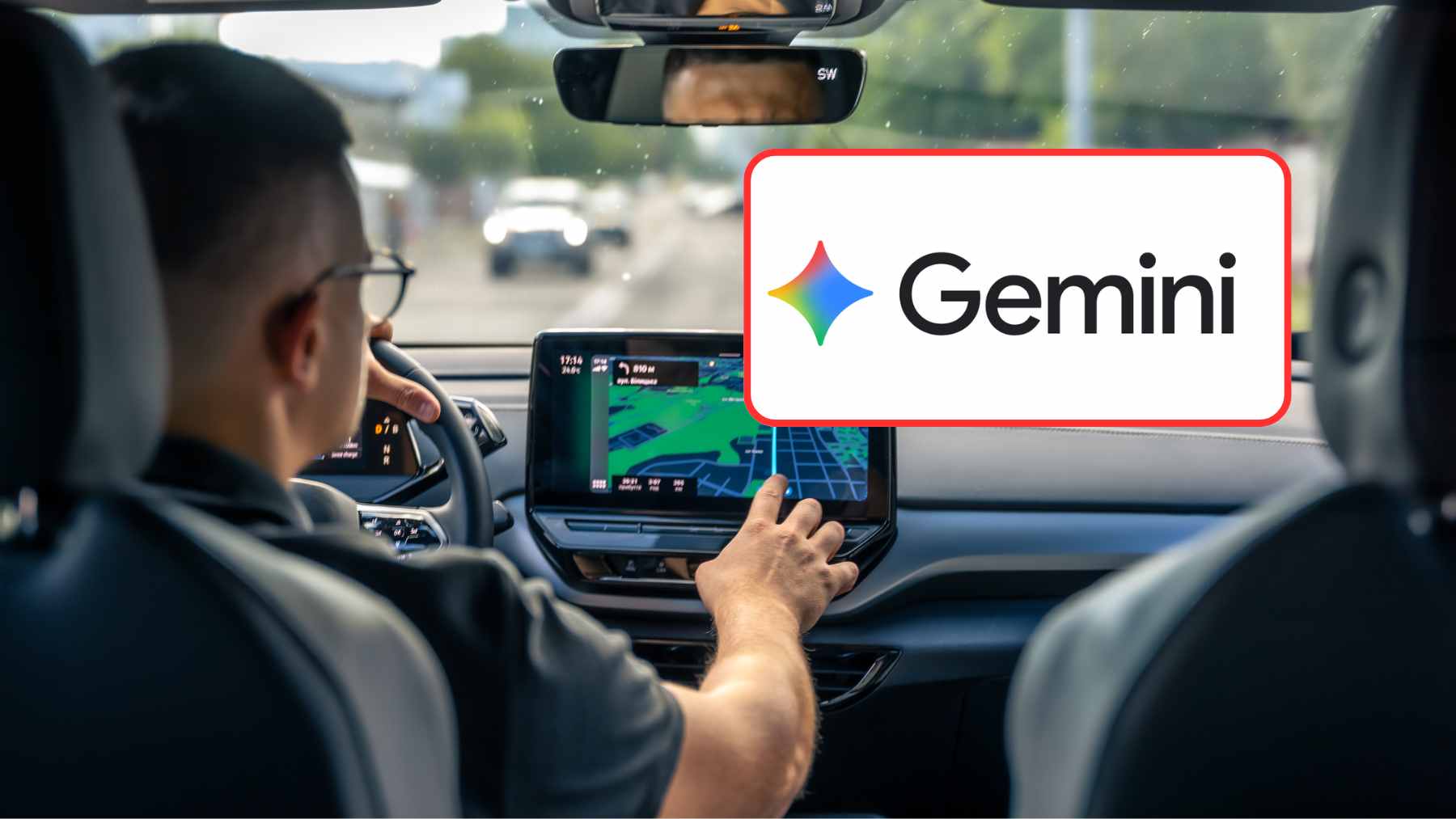
Have you ever sat in traffic with the fuel light glowing, a calendar alert buzzing, and a half-remembered shopping list bouncing around your head? That small dashboard chaos is exactly where Google’s Gemini is starting to change Android Auto–not by adding another screen to stare at, but by making the car understand more natural voice requests.
The big shift is simple. Instead of memorizing rigid commands, drivers can ask for a nearby EV charger, a calmer playlist, a route stop, a calendar update, or a grocery list in plain English.
Google says Android Auto is available in more than 250 million compatible cars, so this is not a tiny experiment tucked away in a lab. It is a glimpse of how everyday driving may become cleaner, safer, and a little less frantic.
Voice becomes the interface
Google has described Gemini in Android Auto as a more conversational assistant, one that can keep the familiar hands-free features while handling more complex requests. This means drivers can say what they need instead of hunting for the perfect phrase.
That matters because driving is already loaded with small decisions. Where should I stop? Is there food nearby? Can I charge before the highway? Gemini’s promise is that those questions can be spoken naturally, with Google Maps doing much of the search work in the background.
Finding stops without hunting
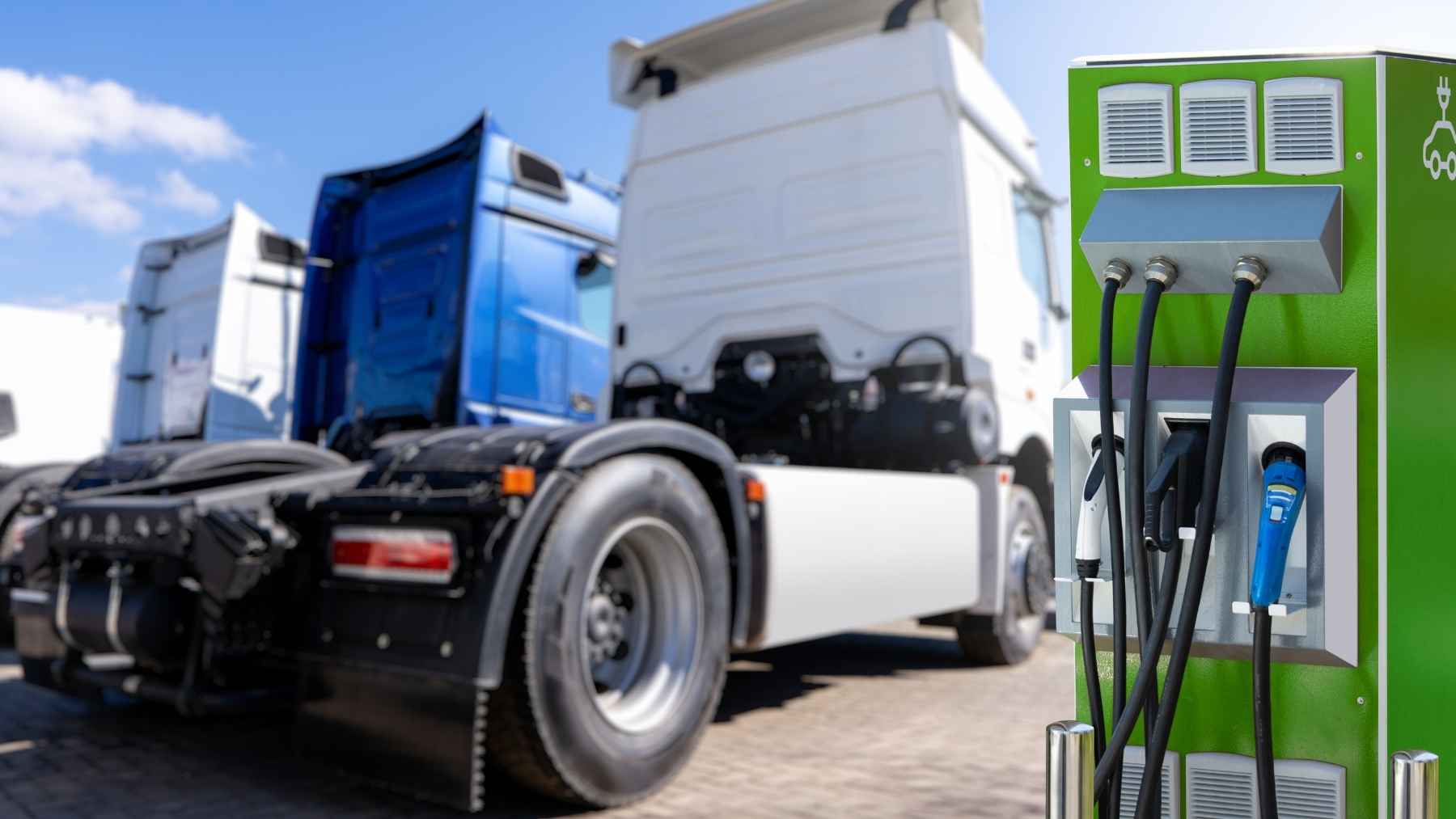
One of the most useful commands is also one of the least glamorous. Asking Gemini to find gas stations, restaurants, pharmacies, or EV chargers along a route can remove several taps from a moment when the driver should be watching the road.
Google says Gemini can use Maps information to help drivers discover stops near them and answer follow-up questions about businesses. That could mean asking for a highly rated lunch spot, then checking whether it has outdoor seating, parking, or vegetarian options. Simple enough, useful enough.
For electric vehicle owners, the environmental angle is more direct. Google’s sustainability page says Google Maps can help users find EV charging stations, including available docks and fast-charge options, while fuel-efficient routing uses AI to suggest routes with fewer hills, less traffic, and steadier speeds when the estimated arrival time is similar.
A greener route is still a choice
No voice assistant can make a commute magically carbon-free, we must be clear about that. But route choices, charging stops, and fewer unnecessary detours can still add up, especially when millions of drivers are making the same small decisions every day.
Google says transportation accounts for about 20% of global carbon emissions. The company also says five of its AI products helped enable almost 29 million tons of carbon dioxide equivalent reductions in 2024. Fuel-efficient routing in Google Maps was one of those products.
That is the bigger picture behind a command like “Find EV chargers on my route.” It sounds like convenience, and it is. But it also sits inside a wider push to make navigation, charging, and trip planning less wasteful.
Less tapping, more driving
There is a bigger reason these commands matter, and it has nothing to do with playlists or dinner plans. Distracted driving remains deadly. The National Highway Traffic Safety Administration says 3,208 people were killed in crashes involving distracted drivers in 2024.
NHTSA also warns that reading or sending a text can take a driver’s eyes off the road for five seconds. At 55 mph, that is like driving more than the length of a football field with your eyes closed. Suddenly, a voice command does not feel like a flashy convenience, it feels like a design necessity.
Of course, voice systems are not a free pass to stop paying attention. Google’s own support page warns that Gemini in Android Auto is new and evolving, and that it should not be relied on for critical or safety-related information while operating a vehicle. That warning is worth keeping in mind.
Calendar, Keep, and the morning rush
The underrated part of Gemini in the car may be how it handles boring life admin. Google says Gemini can help drivers check calendars, capture to-dos, and take notes in a more conversational way, with support for Google Calendar, Google Tasks, Google Keep, Samsung Calendar, Samsung Reminder, and Samsung Notes.
That means a driver can ask what is on the schedule, request navigation to the next appointment, or save a thought without grabbing the phone at a red light. It is not dramatic technology. It is the kind that helps when you are leaving the garage late, coffee in hand, trying to remember whether the first meeting is at 9 or 9:30.
Google also says Gemini can access Gmail while driving, such as helping find a hotel address buried in an email or summarizing unread messages. For the most part, the goal is not to turn the car into an office. It is to keep the driver from becoming a distracted office worker behind the wheel.
Music with fewer menus
Entertainment is part of the story, too. Gemini can help drivers ask for music by mood, weather, occasion, or a half-remembered reference rather than forcing them to scroll through an app. Google says YouTube Music, Spotify, and other services can respond to more flexible music requests in Android Auto.
That might sound minor, but anyone who has tried to find the right playlist while merging knows the problem. Saying “Play something relaxing for a rainy drive” is much cleaner than tapping through menus, skipping tracks, and missing the exit.
Still, the best use of this feature is restraint. A calmer soundtrack is nice, but a driver’s attention is better.
What drivers should remember
Gemini’s arrival in Android Auto is not just about artificial intelligence moving into another screen. It is about the dashboard becoming a more natural place to ask for help, whether that means finding a charger, planning a grocery stop, checking an appointment, or picking music without fumbling around.
The eco benefit will depend on how people use it. If drivers choose efficient routes, plan charging stops better, and avoid extra miles, the gains can be real to a large extent. If they treat the assistant like a toy, the impact will be smaller.
At the end of the day, Gemini is not driving the car–you are. But if it can reduce screen time, smooth out errands, and make greener route choices easier to understand, that is a meaningful step for one of the most familiar pieces of technology in daily life.
The official statement was published on Google’s The Keyword.