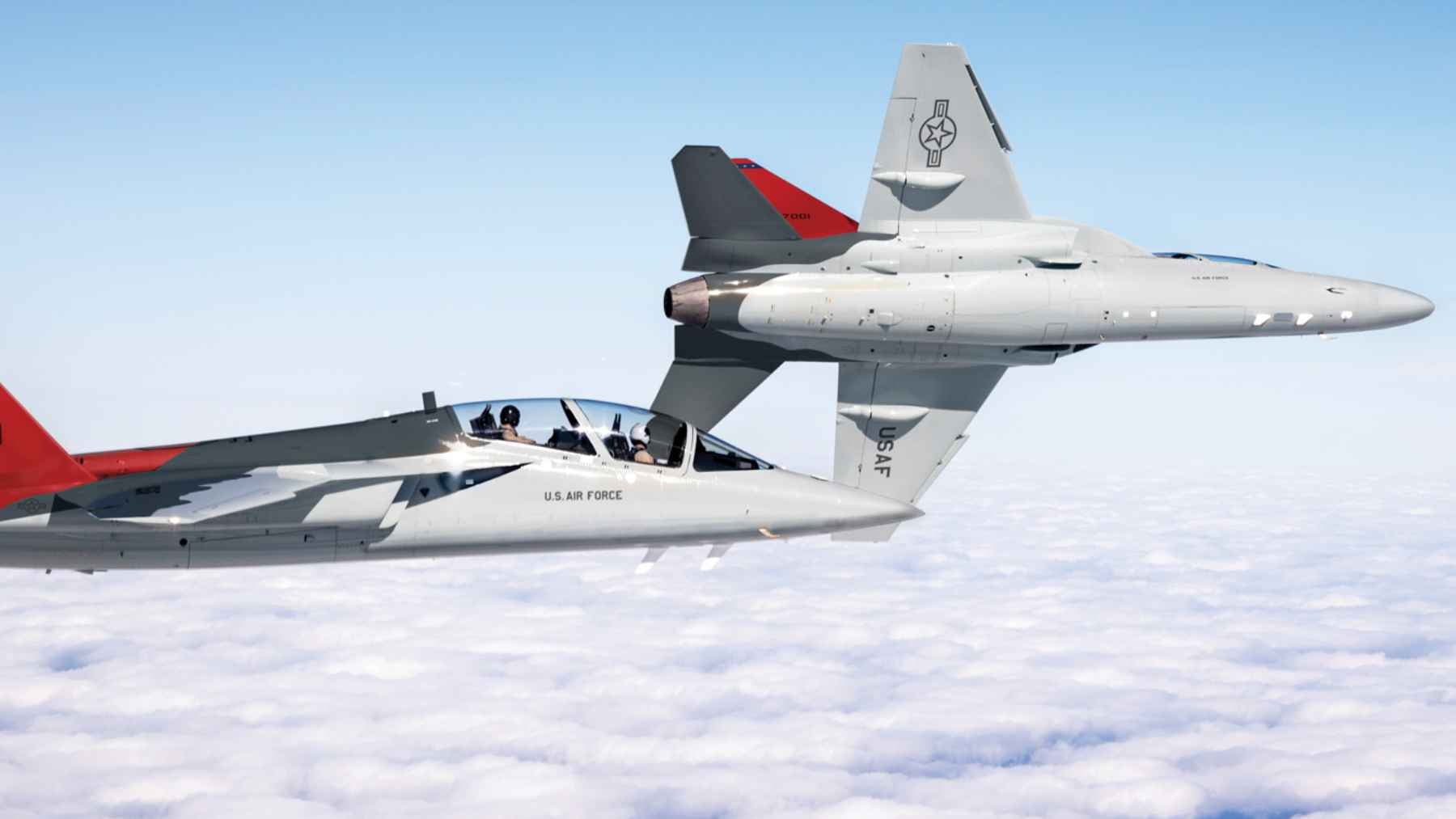
Britain’s effort to replace the Royal Air Force’s aging Hawk trainers has moved from an early industrial understanding to a formal campaign. BAE Systems, Boeing and Saab have signed a teaming agreement built around the T-7 training system, with plans for final assembly and integration in the United Kingdom.
The proposal is bigger than a new aircraft. It combines the T-7 with simulators, digital planning tools, mission systems and Live, Virtual and Constructive training intended to prepare pilots for the Typhoon, F-35 and the future sixth-generation aircraft being developed through the Global Combat Air Programme. No winner has been chosen, though, and that distinction matters.
From letter of intent to formal alliance
The latest agreement follows the letter of intent signed by the three companies in November 2025. It gives the partnership a long-term structure and turns the T-7 from a possible entrant into a coordinated British, American and Swedish offer.
BAE Systems will lead the effort in the United Kingdom, while Boeing and Saab bring the aircraft and training system they developed for the U.S. Air Force. BAE chief executive Charles Woodburn described the offer as a “modern, integrated training solution” that would also strengthen sovereign industrial capability.
Still, this is a bid rather than a procurement decision. The Ministry of Defence has identified the need for a cost-effective Hawk replacement, but the T-7 team must still prove that its full system can meet the RAF’s schedule, training and affordability requirements.
A training system rather than one jet
The central idea is that future fighter pilots cannot be prepared through flying hours alone. Modern combat aircraft operate with advanced sensors, data links, electronic warfare systems and weapons that are difficult, expensive or unsafe to reproduce during every live sortie.
Live, Virtual and Constructive training mixes real aircraft with human-operated simulators and computer-generated forces. In practical terms, a student in a simulator could train alongside a pilot in the air while both respond to the same digital threat picture.
That approach can create complex scenarios without placing a large number of aircraft, crews and support teams in the sky. It also allows instructors to repeat the same event, change one variable and see how a student reacts. That is where digital training becomes more than a classroom accessory.
The environmental benefit is possible but unproven
There is an obvious environmental question hiding inside the cost argument. Every training hour shifted from a real jet to a simulator can avoid some immediate fuel use, engine wear and noise around an air base, while also reducing exposure to high-risk flight hours.
But a simulator is not impact-free, and the aircraft would still need to fly regularly. Training centers consume electricity, digital infrastructure has its own footprint and a new fleet brings manufacturing and supply chain emissions. The overall result depends on how much of the syllabus moves to synthetic training and how the electricity is generated.
For now, the three companies have not published a carbon estimate, a fuel-saving target or a lifecycle comparison with the Hawk system. The lower-emissions potential is therefore a reasonable inference, not a proven program claim. A credible RAF competition should ask bidders to measure it.
U.K. production sits at the heart of the offer
The partnership has committed to a new British final assembly and integration facility if its proposal succeeds. It says the program could create hundreds of high-value jobs and give domestic suppliers work across manufacturing, maintenance and long-term aircraft support.
That promise is not simply a political extra. A national training fleet can remain in service for decades, so control over upgrades, spare parts, software and maintenance capacity can matter almost as much as the original purchase price.
BAE Systems also brings decades of experience with the Hawk family and the RAF training environment. The companies are working to identify a site for the proposed facility, but no location has yet been announced. The factory is part of the pitch, not a completed investment.
Why the T-7 fits the future syllabus
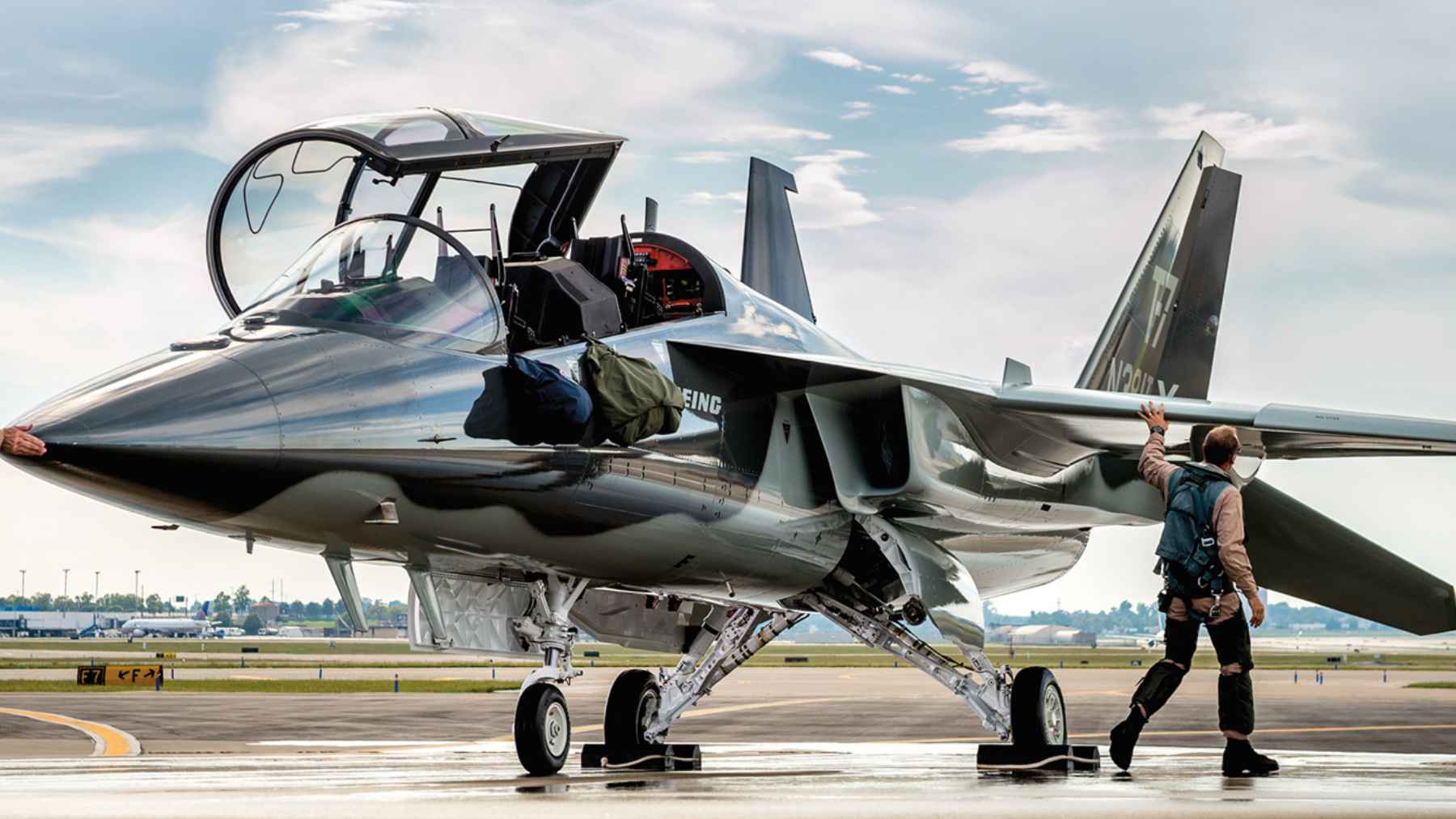
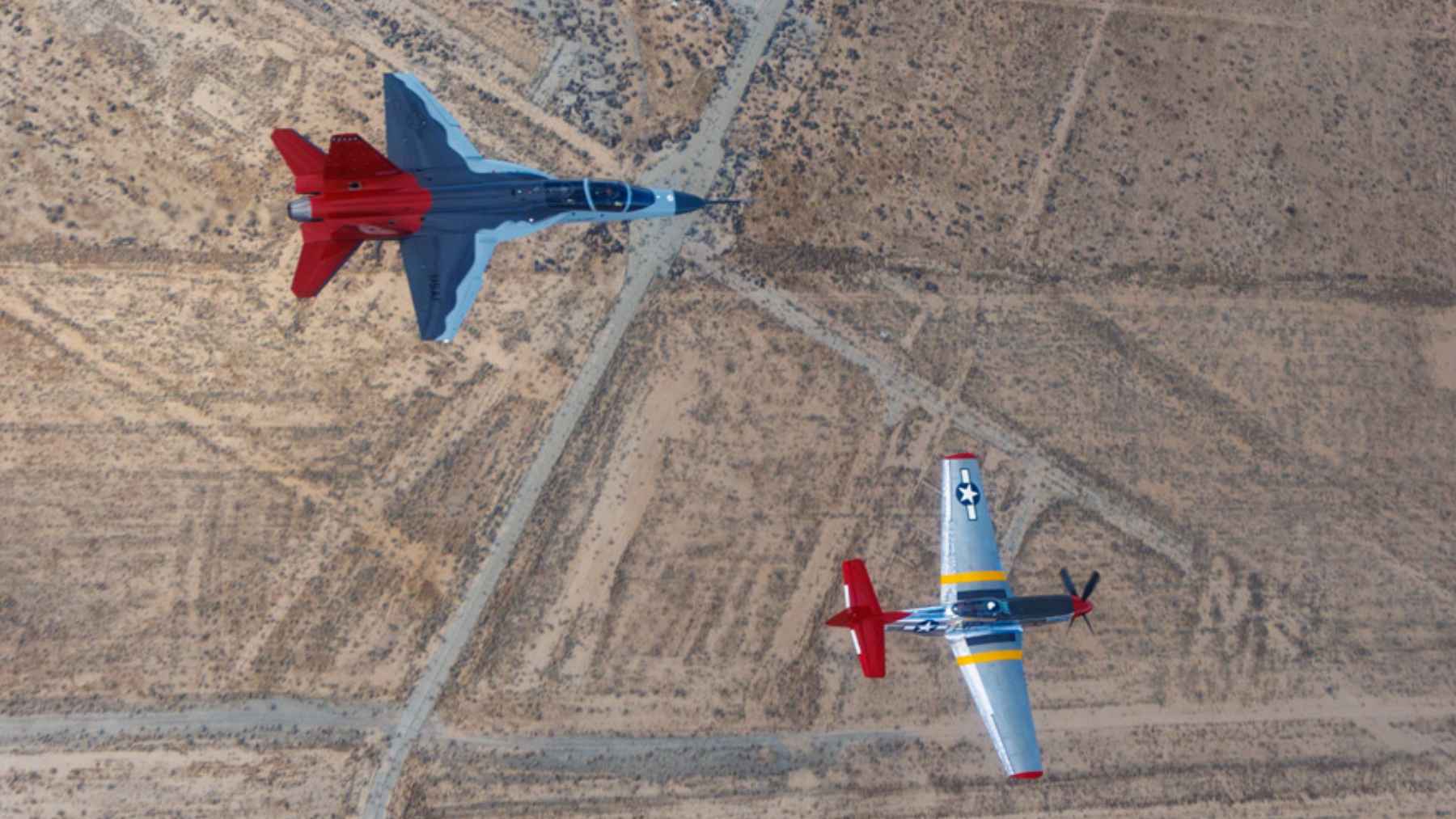
The T-7A Red Hawk was selected by the U.S. Air Force to replace the T-38 Talon and was developed through a heavily digital engineering process. Its open architecture is intended to make new systems and training content easier to add as threats and frontline aircraft change.
The cockpit, embedded training tools and ground-based simulators are designed to prepare students for fourth, fifth and future sixth-generation combat aircraft. Flight testing with the U.S. Air Force is continuing, while the program achieved its initial production milestone in late April 2026.
Those milestones strengthen the British proposal, but they do not remove every question. The RAF will need evidence on aircraft availability, safety, instructor workload, software maturity and the number of students the system can move through the pipeline each year.
The RAF is solving a wider training problem
Britain’s 2025 Strategic Defence Review said current fast-jet training arrangements were inadequate and noted that British pilots were being sent abroad. It recommended replacing the Hawk T1 and Hawk T2 with a cost-effective trainer while urgently revising the wider training model.
That means the competition is not really about finding an aircraft that looks like a modern Hawk. It is about reducing delays, improving pilot throughput and building a syllabus that can keep pace with aircraft whose software and missions will change throughout their service lives.
A shiny new jet cannot fix a slow training pipeline by itself. The winning offer will need aircraft, instructors, simulators, maintenance, data and course design to work as one system from the first day.
A U.K. decision could open a larger market
Many air forces face the same basic challenge. Their older trainers were designed for an era before stealth, sensor fusion and highly networked missions, while the cost of using frontline fighters for routine instruction keeps rising.
A British selection would give the T-7 partnership a powerful export reference and could help the three companies pursue other international customers. On the other hand, buyers will compare the complete cost of training, not only the price of the aircraft.
At the end of the day, the RAF will judge whether the T-7 system can replace the Hawk and close the gaps around it. The formal alliance makes the proposal more credible. Now the hard part begins.
The official statement was published on BAE Systems.