NATO’s old flying radar fleet is getting a modern replacement, and the choice says a lot about where defense technology is heading. At the NATO Summit Defence Industry Forum in Ankara on July 7, 2026, eleven allies announced the joint procurement of Saab GlobalEye aircraft as the alliance’s new Airborne Warning and Control System (AWACS), replacing part of the aging Boeing E-3 fleet.
These aircraft are not fighters, bombers, or troop carriers. They are the eyes above the battlefield, tracking aircraft, missiles, drones, ships, and moving ground targets so commanders can understand what is happening before danger arrives.
In practical terms, NATO is swapping a Cold War icon for a smaller, sensor-packed business jet designed for today’s messy skies.
NATO chooses GlobalEye
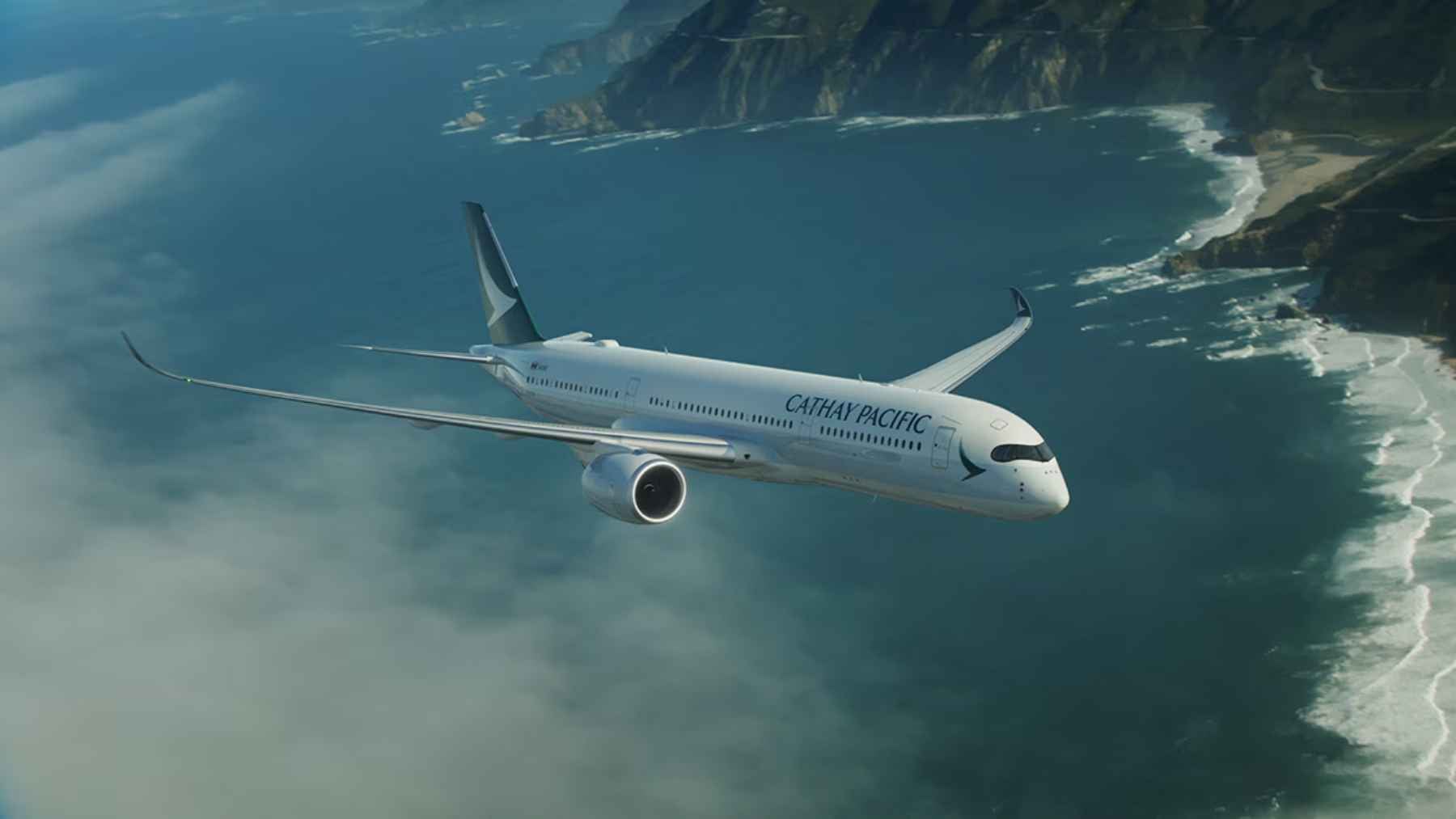
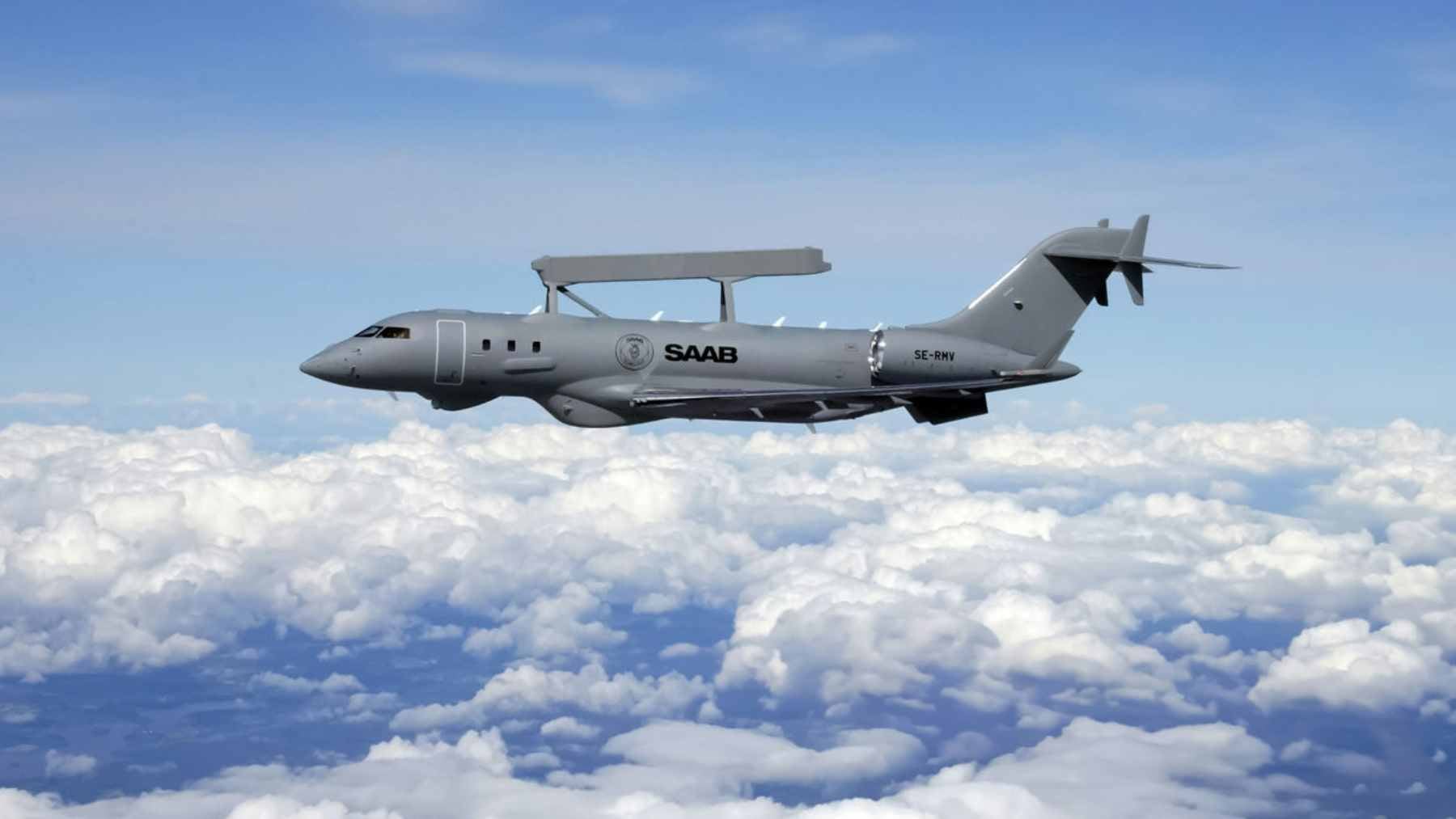
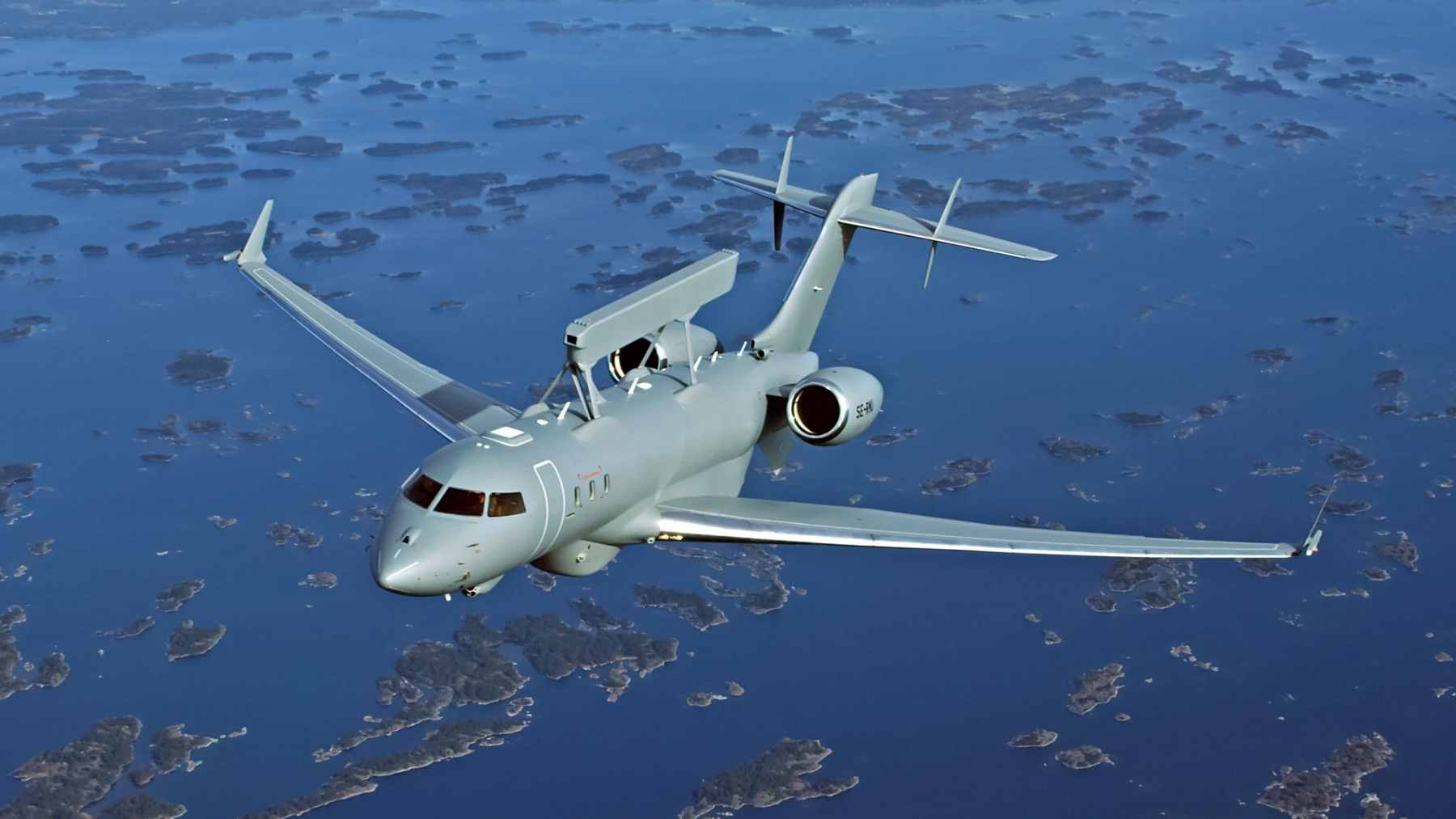
The new plan centers on Saab’s GlobalEye, a Swedish airborne early warning and control system mounted on a Bombardier Global 6500 aircraft. NATO said the system will provide surveillance across air, land, and sea from a single platform, with improved detection and tracking of threats such as drone swarms, ballistic missiles, and cruise missiles.
That matters because modern airspace has become crowded and unpredictable. A missile can move fast, a drone can fly low, and a small boat or vehicle may be part of a larger operation. Who sees it first often has the advantage.
The eleven countries in the GlobalEye coalition are Belgium, Canada, Denmark, Germany, Latvia, Lithuania, Luxembourg, the Netherlands, Norway, Romania, and Sweden. NATO described the program as a transatlantic industrial effort, led by European and Canadian industry with important contributions from U.S. companies.
The end of an era
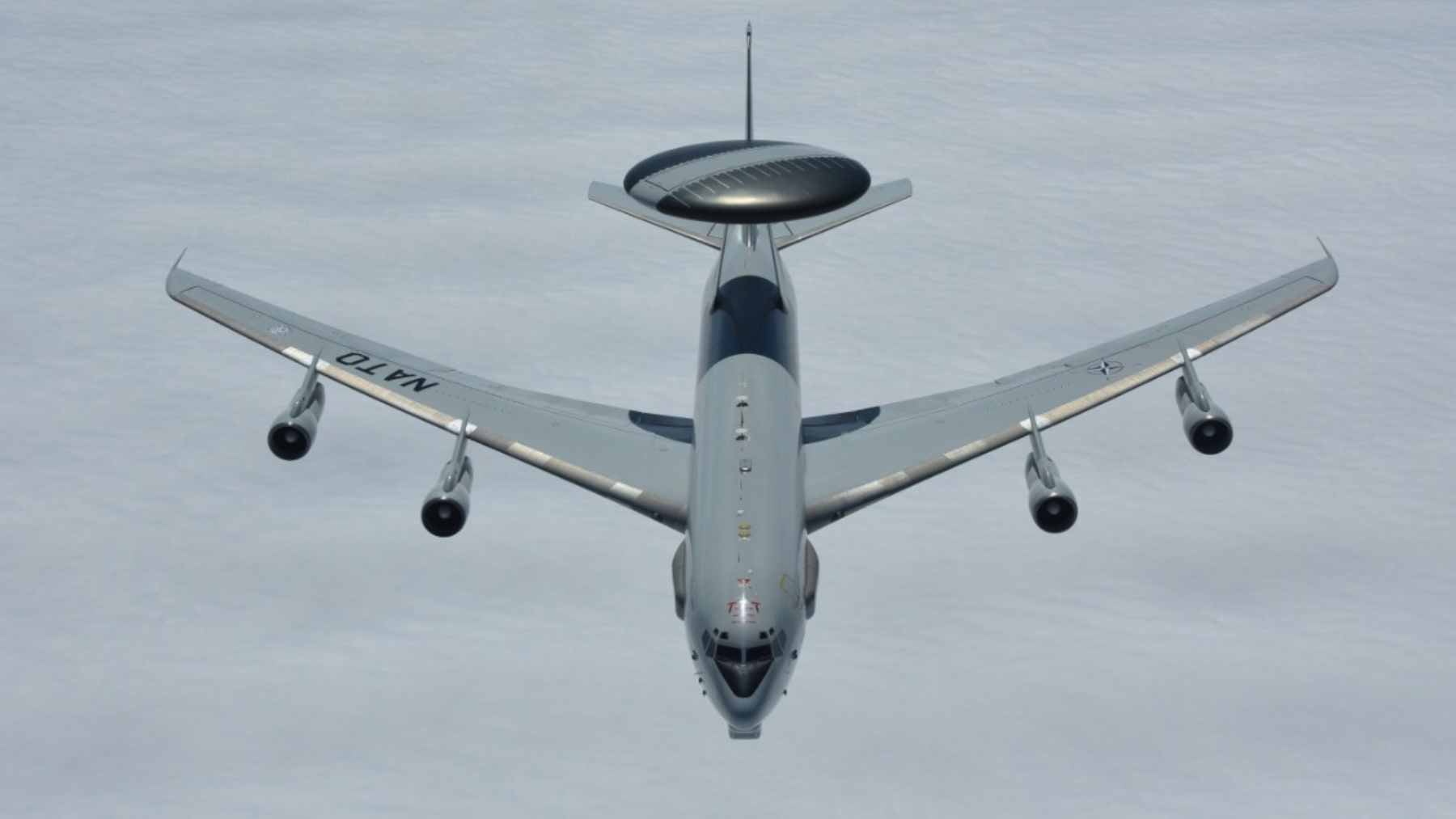
NATO’s current AWACS aircraft are modified Boeing 707s, easily recognized by the large circular radar dome on top. The alliance says the fleet provides air surveillance, command and control, battlespace management, and communications, all from high above the action.
The fleet is based at NATO Air Base Geilenkirchen in Germany. According to NATO, the E-3A component there operates fourteen NATO-owned aircraft, crewed by international personnel from nineteen countries.
These aircraft have been doing serious work for decades. NATO says the force began flight operations in 1982 and has supported crisis management, peace support, counterterrorism, air policing, maritime operations, and wartime missions.
Since Russia’s full-scale invasion of Ukraine in 2022, NATO AWACS aircraft have flown hundreds of patrols along the eastern flank, including over the Baltic and Black Seas.
Why the old planes stood out
The E-3A’s most visible feature is its rotating radar dome, which is about 30 feet across and turns once every ten seconds. One aircraft flying at 30,000 feet can monitor more than 120,000 square miles, roughly an area the size of Poland.
That is why crews and planners have long called these aircraft NATO’s “eyes in the sky.” They are not glamorous in the way a fighter jet is, but without them, the bigger picture can disappear very quickly.
Still, age catches up with every machine. NATO says the E-3A fleet is undergoing a final modernization program to keep it operational through 2035, but the alliance has also been preparing for a successor capability.
At the end of the day, you cannot build tomorrow’s air defense around yesterday’s airframe forever.
What GlobalEye brings
Saab says GlobalEye combines the Erieye Extended Range radar with advanced sensors and a multi-domain command and control system. The company says it is designed to monitor large areas of land, sea, and air, including drones, ballistic missiles, hypersonic missiles, and low-observable threats in cluttered or jammed environments.
The aircraft also has the advantage of endurance. Saab’s product information says the Bombardier Global 6000 and 6500 aircraft family gives GlobalEye more than twelve hours of operational endurance, while the Swedish government says the platform can remain airborne for more than eleven hours.
How far can it see? Saab says GlobalEye operating at 35,000 feet can detect low-level threats flying at 200 feet from more than 285 miles away. For commanders, that kind of warning is not just a technical upgrade. It is breathing room.
The Boeing question
The choice also has a business and political edge. Boeing’s E-7 Wedgetail had been seen as a major contender, but Reuters reported that NATO’s new plan backs Saab’s Swedish system over Boeing’s rival aircraft. Reuters also reported that Saab valued the potential purchase at up to $4.5 billion, with each aircraft estimated at roughly $400 million to $450 million.
That is not pocket change, even by defense standards. But NATO has repeatedly stressed joint procurement as a way for allies to share costs, build common capabilities, and avoid every country trying to solve the same problem alone.
There is a diplomatic layer too. U.S. President Donald Trump has pressed European allies to spend more on defense and buy more U.S. equipment, according to Reuters. NATO Secretary General Mark Rutte appeared to address that tension by calling GlobalEye a NATO-made success story involving European, Canadian, and U.S. industry.
Not a signed deal yet
There is one important caveat. Saab says no contract has been signed and no order has been received yet. The next step is formal negotiations with the NATO Support and Procurement Agency.
That means the announcement is a major selection, not the final paperwork. Defense deals of this size usually involve years of negotiations over aircraft numbers, support, training, maintenance, software, industrial workshare, and future upgrades.
Reuters reported that deliveries could begin in 2030 if a deal is signed soon. It also reported that the aircraft are not expected to have air-to-air refueling at first, although that capability could be added later.
The environmental angle
Military aircraft are rarely discussed in environmental terms, and NATO did not present GlobalEye as a climate project. That distinction matters. Calling a surveillance jet “green” without emissions data would be a stretch.
Still, procurement choices can shape the defense footprint over decades. A smaller business jet platform, fewer aircraft than the current fleet, lower maintenance claims from Swedish officials, and modern sensors that combine several surveillance roles on one aircraft all raise practical questions about fuel use, sustainment, and operating efficiency.
For now, the public data is stronger on capability than on emissions.
That is where transparency should come in next. If NATO wants modern defense to line up with modern environmental accountability, it will need to show not just what GlobalEye can detect, but how the new fleet will be operated, maintained, and measured over its life cycle.
What happens next
For NATO, GlobalEye is more than a new aircraft. It is a bridge between the old AWACS model and a future “system of systems” that links aircraft, drones, satellites, ships, ground sensors, and command networks into one shared picture.
That sounds technical, but the idea is simple. Instead of one flying radar carrying the whole burden, NATO wants many systems feeding commanders the same trusted information.
So, the big round radar dome may slowly fade from NATO’s skies, but the mission is not going away. If anything, it is becoming more urgent.
The official statement was published on NATO’s website.