Japan has moved a new kind of power engine from the test floor to the commercial market, and the real story is not just hydrogen. It is the idea that cleaner electricity may arrive faster when old energy systems are not thrown away overnight.
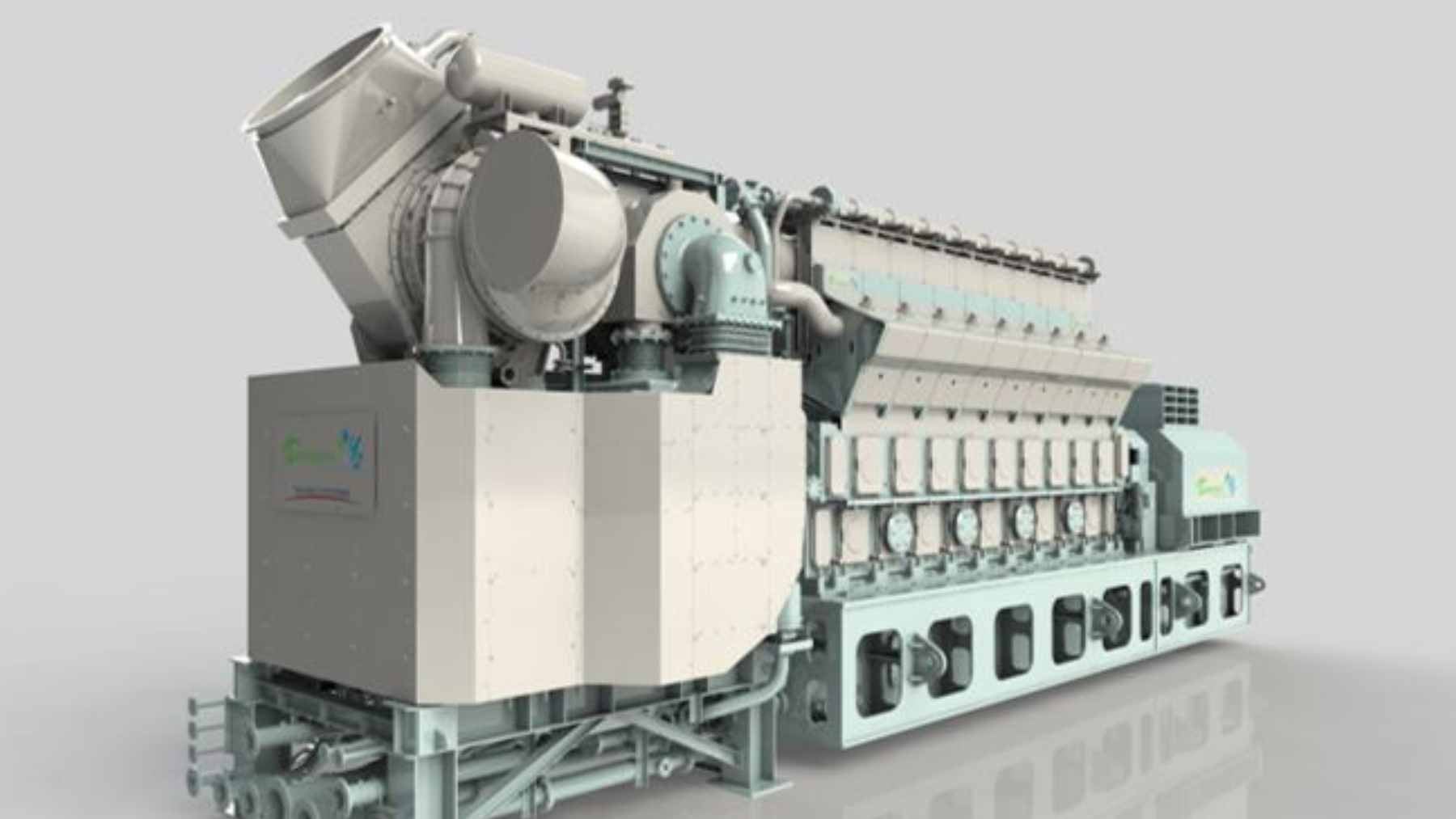
Kawasaki Heavy Industries announced that it began sales of a large gas engine system that can generate electricity while burning a fuel mix containing up to 30% hydrogen by volume, with the rest coming from natural gas or city gas.
The company says it is the world’s first commercial launch of a large gas engine capable of 30% hydrogen co-firing, after verification work at its Kobe Works site ran from October 2024 through September 2025.
A cleaner bridge
The engine does not make natural gas disappear. That matters, because hydrogen co-firing is not the same thing as fully zero-carbon power.
Still, it gives utilities and industrial sites a practical bridge. Instead of waiting for a perfect hydrogen economy to arrive, operators can begin cutting emissions while using a fuel system they already understand.
Kawasaki’s earlier testing estimated that using a 30% hydrogen mix could reduce carbon dioxide emissions by about 1,100 U.S. tons per year, compared with natural gas alone, when operated at 6,000 kilowatts for 4,000 hours annually. That is not a magic wand, but in the power sector, repeated cuts at industrial scale can add up quickly.
Why the 30% figure matters
Hydrogen burns differently from natural gas. It has a faster combustion speed and a higher combustion temperature, which can create problems such as abnormal combustion and overheating inside engine components.
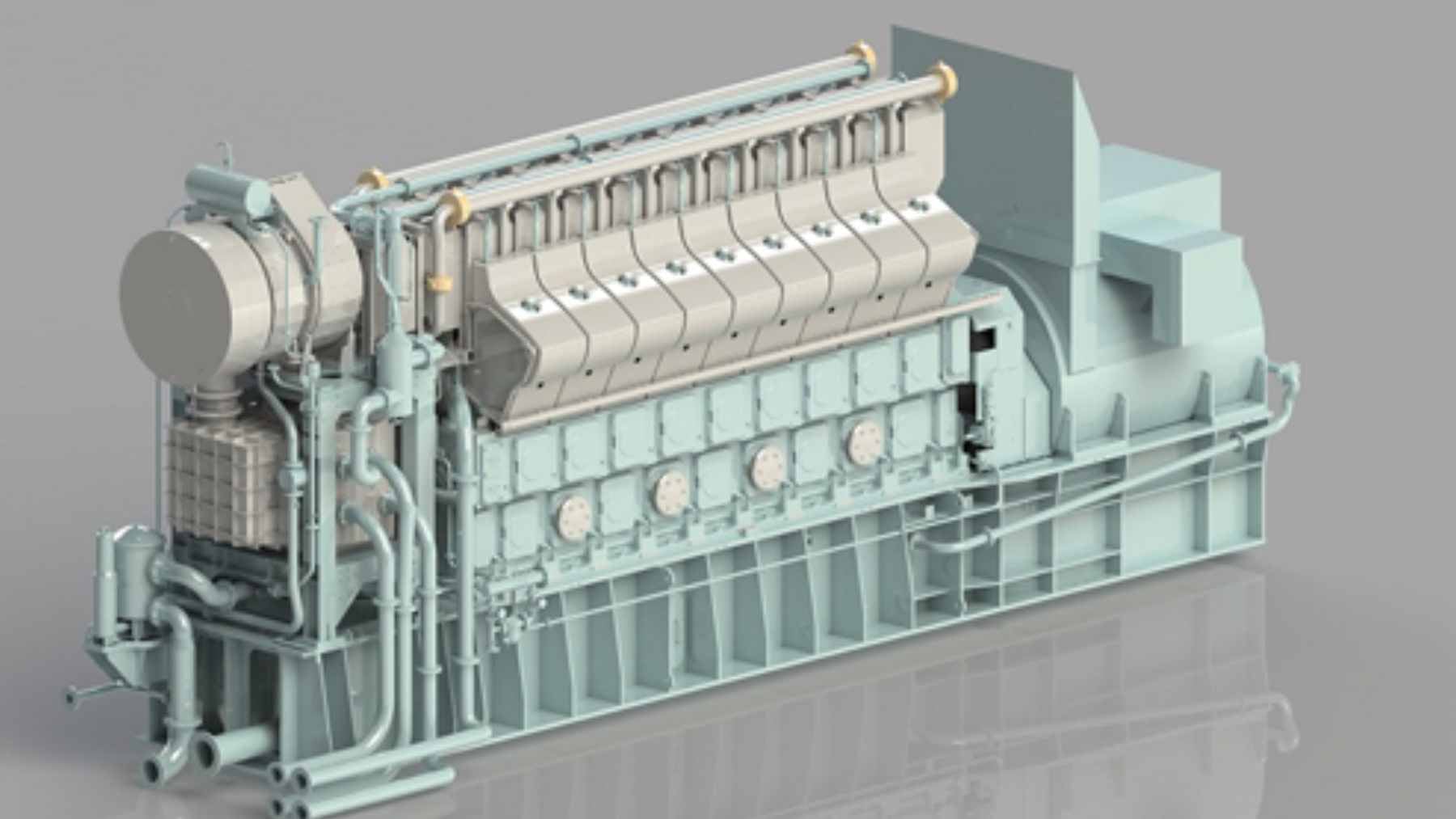
That is why a 30% blend is more than a simple recipe change. Kawasaki said its system controls combustion conditions based on power output and hydrogen content, allowing stable operation during mixed-fuel combustion.
In practical terms, that means the engine can adjust as hydrogen supply changes. Kawasaki’s product page says the co-firing ratio can be changed during operation and that stable operation is possible even at low concentrations starting from 5% hydrogen by volume.
Built for existing plants
One reason this launch matters is compatibility. Kawasaki says existing KG Series engines can be retrofitted for hydrogen co-firing, although specifications differ from the current KG Series.
That may sound like a technical footnote, but it is a big deal for plant owners. Replacing an entire power facility is expensive, slow, and often politically difficult, while modifying existing equipment can be a more realistic first step.
The supplied background for this story also points to reuse of pipes and storage systems with limited adjustments as one of the main advantages of the approach. Less rebuilding means fewer upfront barriers, which is often where clean-energy plans get stuck.
Power for a shaky grid
Renewables like solar and wind are growing fast, but they do not always produce electricity exactly when people need it. A cloudy afternoon or a windless night can still leave grid operators looking for backup power.
That is where flexible gas engines can play a role. They can help balance supply and demand while the grid adds more intermittent renewable energy.
Kawasaki positions the system as a distributed power source, meaning it can be used closer to where electricity is needed rather than only at giant centralized plants. At the end of the day, that kind of flexibility is one reason hydrogen blends are getting attention from energy planners.
Safety comes first
Hydrogen is useful, but it is also demanding. It is light, leaks easily, and requires careful monitoring throughout the fuel path.
Kawasaki says the engine system includes hydrogen leak detectors, nitrogen purge systems, and other safety features. Its product page also describes changes intended to reduce fuel gas leakage risk, including fewer flanged joints and monitoring around areas where leaks could occur.
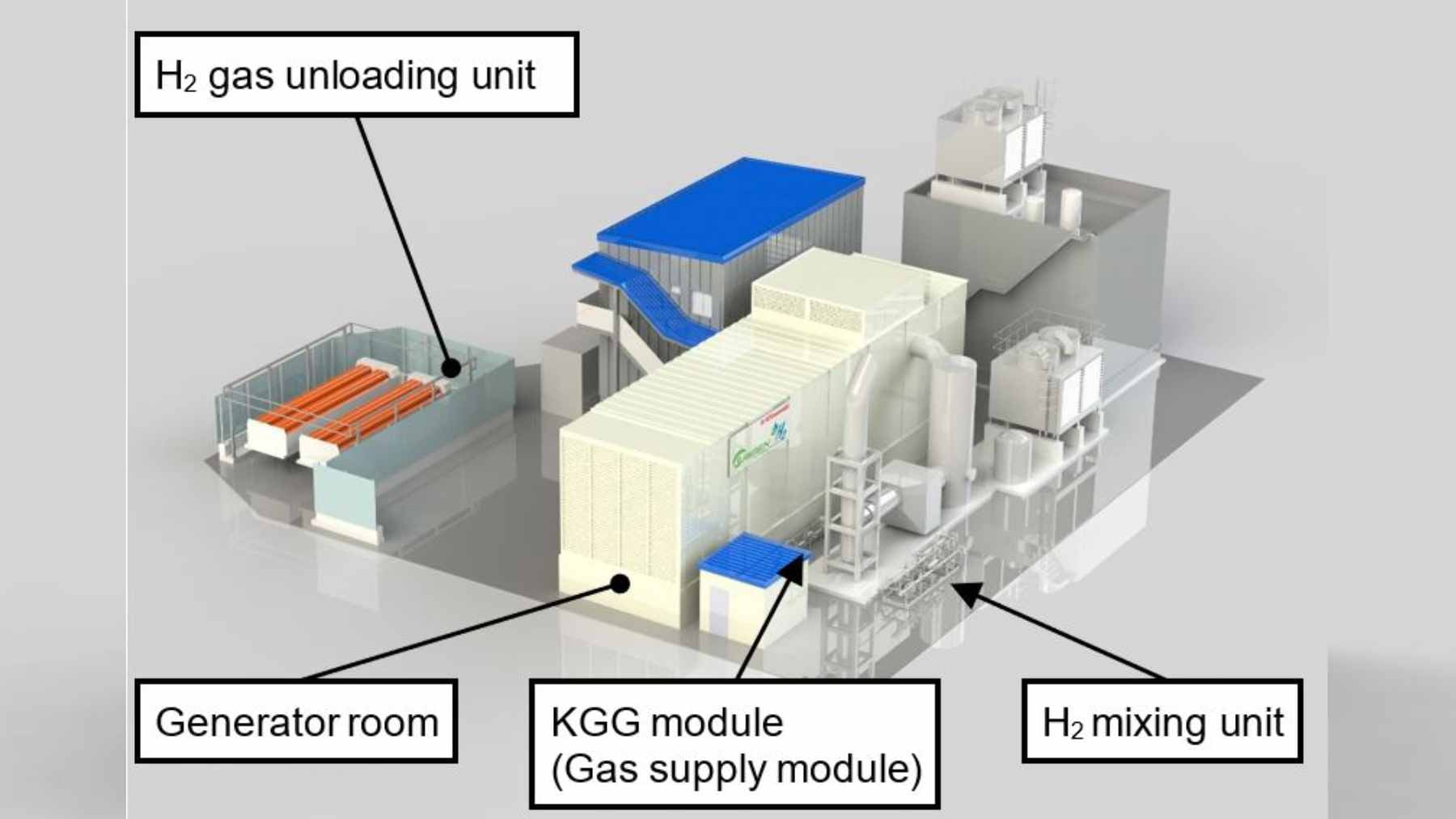
For everyday readers, the point is simple. Cleaner fuel only works if plants can run safely, reliably, and without turning every maintenance job into a gamble.
What comes next
Kawasaki’s hydrogen-ready KG-18-T.HM model has 18 cylinders and is listed at 7,800 kilowatts for 50 hertz operation and 7,500 kilowatts for 60 hertz operation. That is roughly 10,460 horsepower and 10,060 horsepower, respectively, which puts it firmly in the large industrial power category.
The company is also tying the engine to a wider hydrogen strategy that includes production, transportation, storage, and utilization. That broader chain matters because a hydrogen engine is only as clean and useful as the hydrogen supply behind it.
There is still a catch. If the hydrogen is produced using fossil fuels without capturing the emissions, the climate benefit shrinks, so future progress depends heavily on cleaner hydrogen production and reliable supply.
A useful step, not the finish line
Japan’s new hydrogen co-firing engine should not be mistaken for the final answer to climate change. It still uses natural gas, and a 30% hydrogen blend leaves plenty of room for improvement.
But the launch shows how the energy transition may actually unfold in the real world. Not always through one giant leap, but through machines that help old infrastructure move in a cleaner direction, one upgrade at a time.
The press release was published on Kawasaki Heavy Industries.