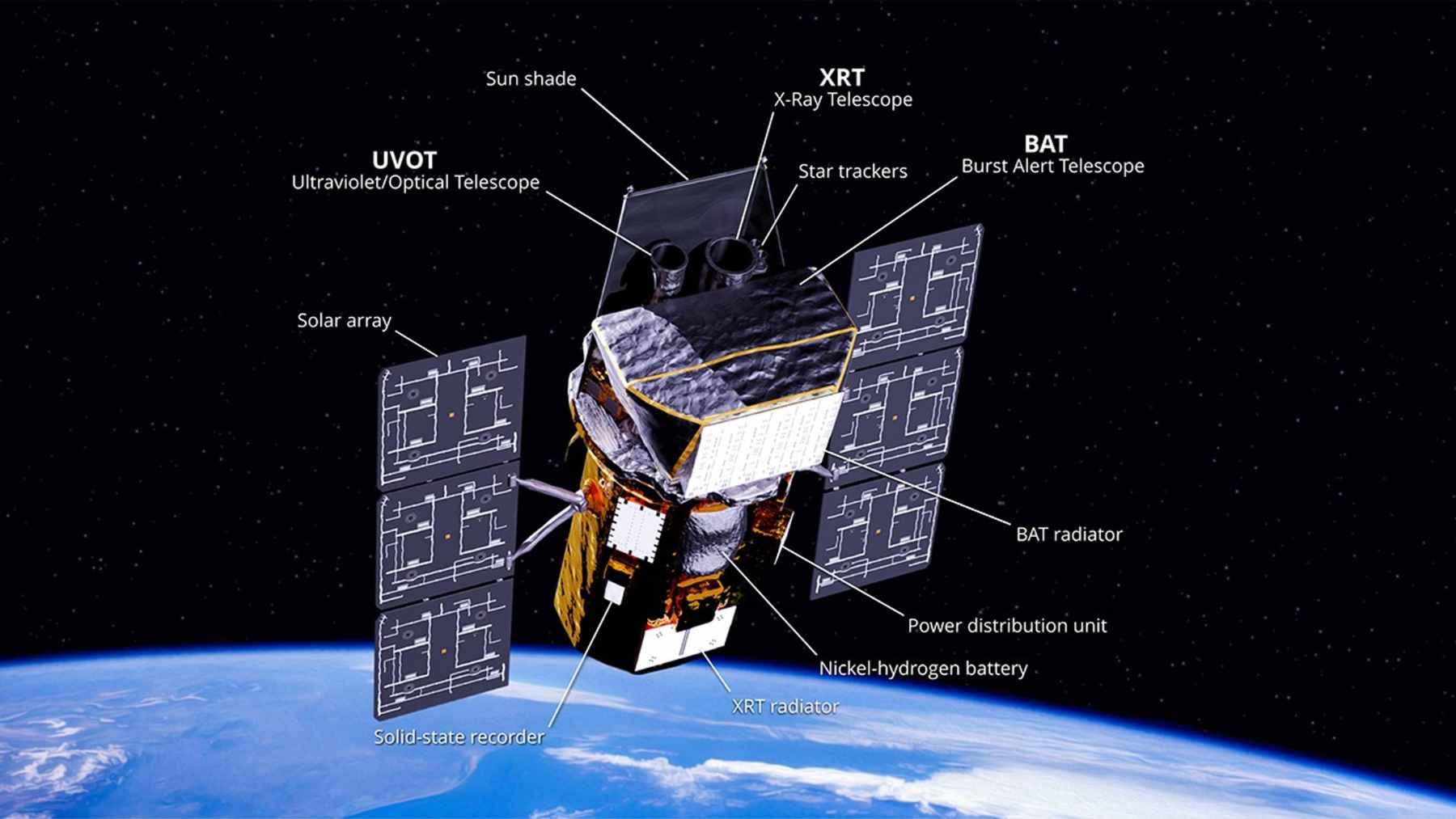
NASA has launched a private robotic spacecraft on an unusually urgent rescue mission, and the target is not a crew capsule or a stranded astronaut. It is the Neil Gehrels Swift Observatory, a 21-year-old space telescope that has been sinking toward Earth faster than expected after recent solar activity increased atmospheric drag in low Earth orbit.
The mission is about saving science, but it is also about something bigger and more down-to-earth than it sounds. If Katalyst Space’s LINK spacecraft can safely grab Swift and lift it to a higher orbit, NASA may prove that satellites do not always have to be abandoned when they start to fail or drift.
In other words, space could begin to look a little more like a repairable workplace and a little less like a throwaway junkyard.
A rescue race in orbit
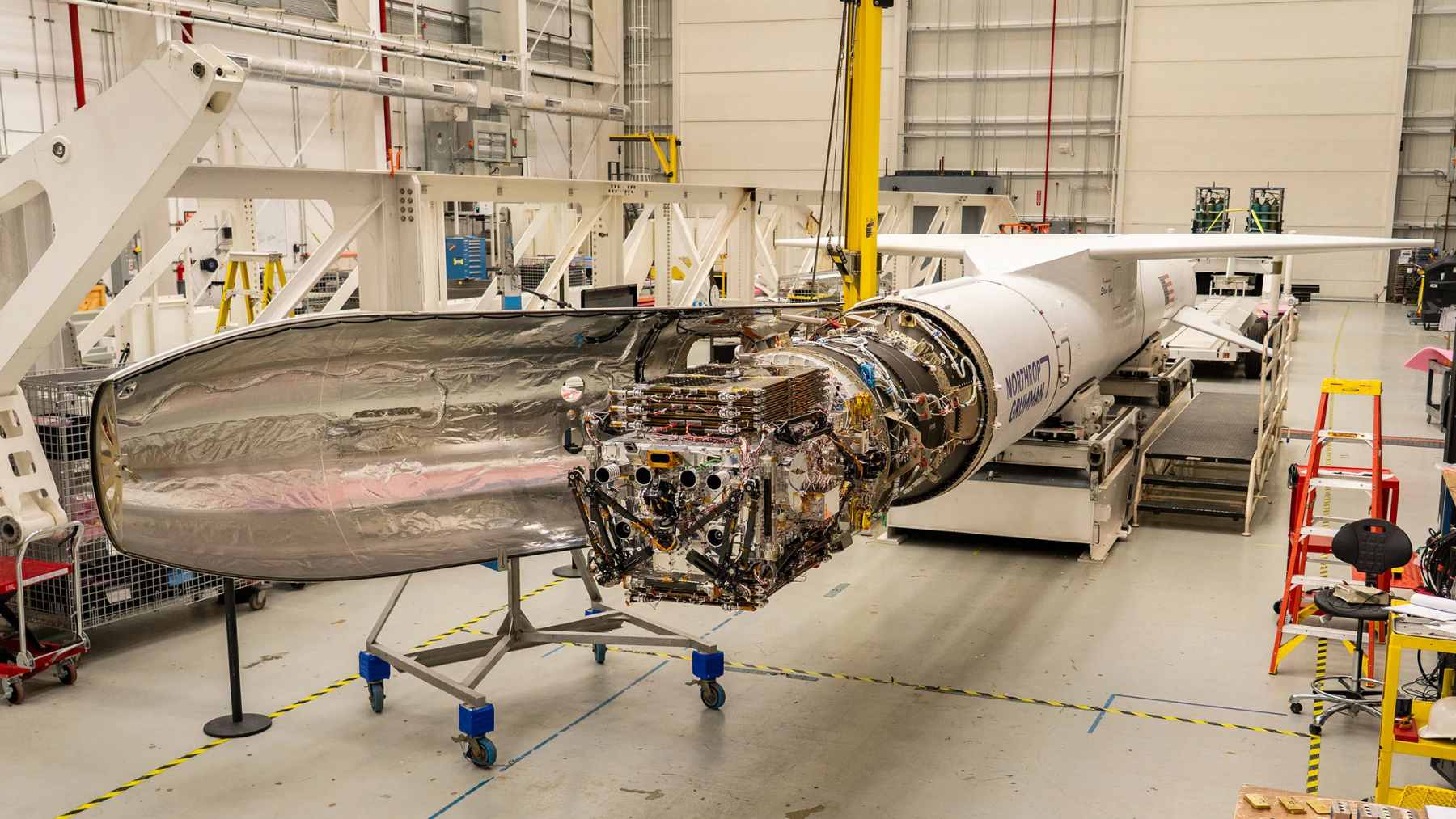
LINK launched on July 3, 2026, from Kwajalein Atoll in the South Pacific Ocean aboard Northrop Grumman’s Pegasus XL rocket. In a rare air-launch maneuver, the Stargazer aircraft carried Pegasus XL to about 40,000 ft. before dropping the rocket, which then delivered LINK into low Earth orbit.
NASA confirmed later that teams had successfully established communications with LINK, the spacecraft’s first major in-orbit step after launch and separation. Now comes the hard part. Over the next several weeks, Katalyst will check LINK’s propulsion, sensors, navigation systems, and power before it starts its careful approach toward Swift.
Why Swift matters
Swift is not just another old satellite. NASA describes it as an astrophysics “multitool” because it can study the universe in visible, ultraviolet, X-ray, and gamma-ray light, making it especially useful for sudden cosmic events.
Its specialty is speed. When gamma-ray bursts or other violent explosions appear in the sky, Swift can turn quickly and help alert other observatories so they can follow up before the event fades. For astronomers, that quick reaction can be the difference between catching a once-in-a-lifetime signal and missing it completely.
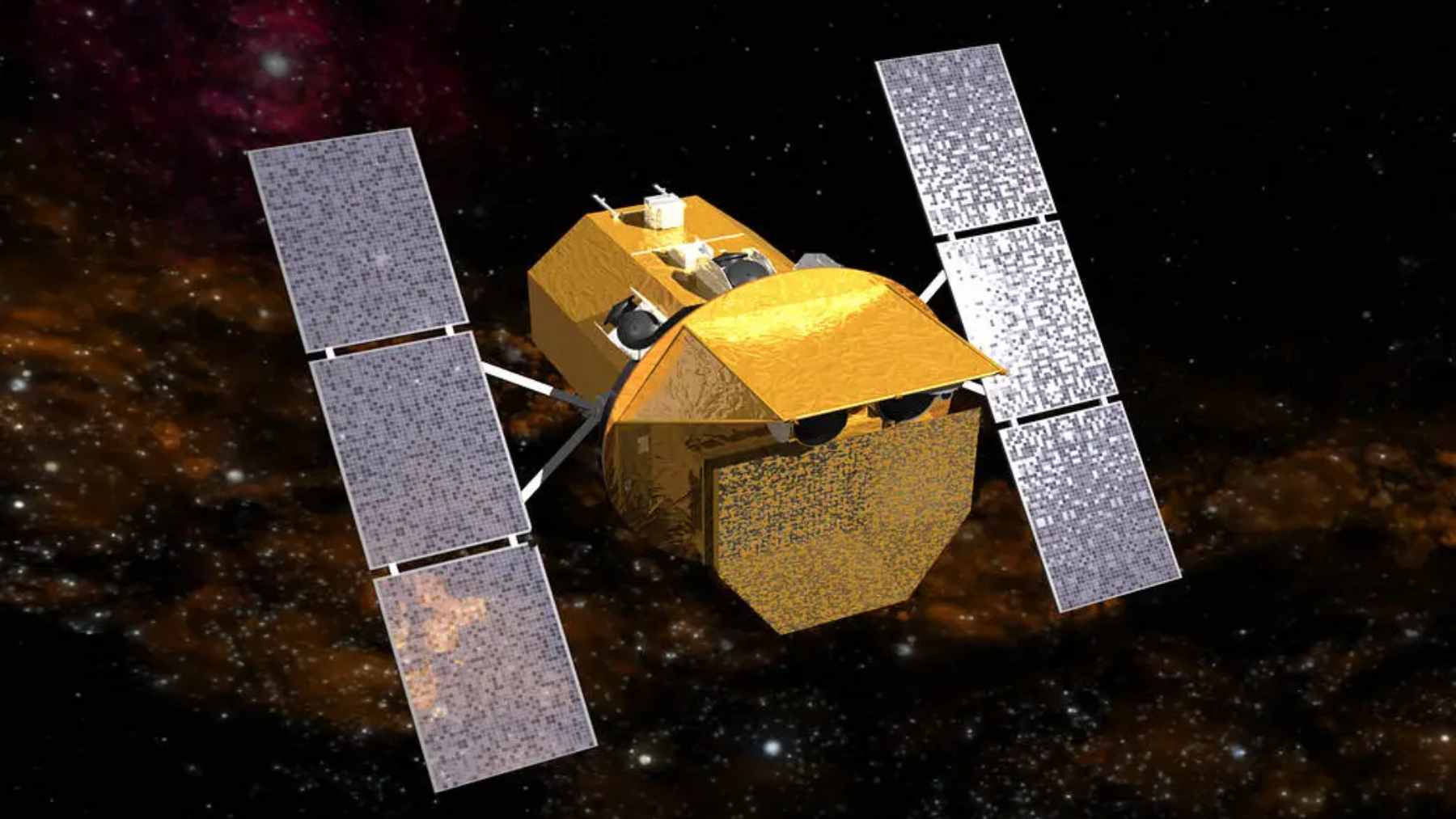
Launched on November 20, 2004, Swift was never designed for this kind of rescue. NASA says the observatory has no docking port or easy capture fixture, which means LINK must inspect it, choose safe grab points, and use three robotic arms without damaging sensitive instruments.
The robot doing the job
LINK is small compared with the observatory it is chasing. NASA lists the robotic servicing spacecraft at about 5 ft. tall and 935 lbs., with three robotic arms, three xenon-fueled thrusters, and solar panels stretching about 20 ft.
If the capture works, LINK will slowly raise Swift toward an orbit of around 370 miles above Earth, close to where the observatory originally operated. That boost is expected to take several months, not one dramatic shove, because gentle control matters when the spacecraft was not built to be pulled around like a trailer.
NASA contracted Katalyst Space in September 2025, leaving the company less than a year to design, build, test, launch, rendezvous with Swift, grab it, and lift it. Shawn Domagal-Goldman, then acting director of NASA’s Astrophysics Division, called the situation a “race against the clock.”
Why this is a space environment story
The rescue comes at a time when Earth orbit is becoming increasingly crowded. ESA’s Space Debris Office estimated in June 2026 that about 45,720 space objects were regularly tracked, while models suggested about 1.2 million debris objects between roughly 0.4 and 4 inches were also in orbit. That is not exactly comforting.
Swift itself is not being described as a debris threat in the same way as a shattered rocket stage or a cloud of fragments. Still, its falling orbit shows the same basic problem facing many satellites: without propulsion or servicing, useful hardware can become disposable hardware.
That is why the mission has an environmental edge. NASA’s own space sustainability strategy focuses on Earth orbit and notes that the operating environment is changing quickly because of rising satellite activity and new commercial capabilities. In the near future, repairing and repositioning spacecraft could become one way to reduce waste in orbit.
A business and defense test, too
For Katalyst, this is not only a science rescue. It is also a business audition in front of NASA and the broader U.S. space industry, where satellite servicing could become a major market if operators decide it is cheaper to repair, boost, or upgrade spacecraft than replace them.
There is also a national security layer. Katalyst has argued that the mission demonstrates rapid on-orbit response, a capability that could matter for government and defense satellites that were not built with second chances in mind.
That is the part military planners will be watching closely, even while astronomers focus on Swift’s science.
What happens next
The mission is still far from finished. LINK must first prove its systems are healthy, then approach Swift, inspect it, identify safe grab points, and secure the observatory with its robotic arms. One wrong move could damage a telescope NASA is trying to save.
If all goes well, Swift may resume its fast-response astronomy work from a safer orbit. If it does not, the observatory’s final fate will likely be what NASA was trying to delay in the first place: a fiery reentry into Earth’s atmosphere.
Either way, this mission marks a turning point. Space agencies have spent decades launching spacecraft, using them, and then letting many of them drift toward retirement. Now, for the first time, NASA is trying something more practical and more human: fix the thing before throwing it away.
The official statement was published on NASA Science.