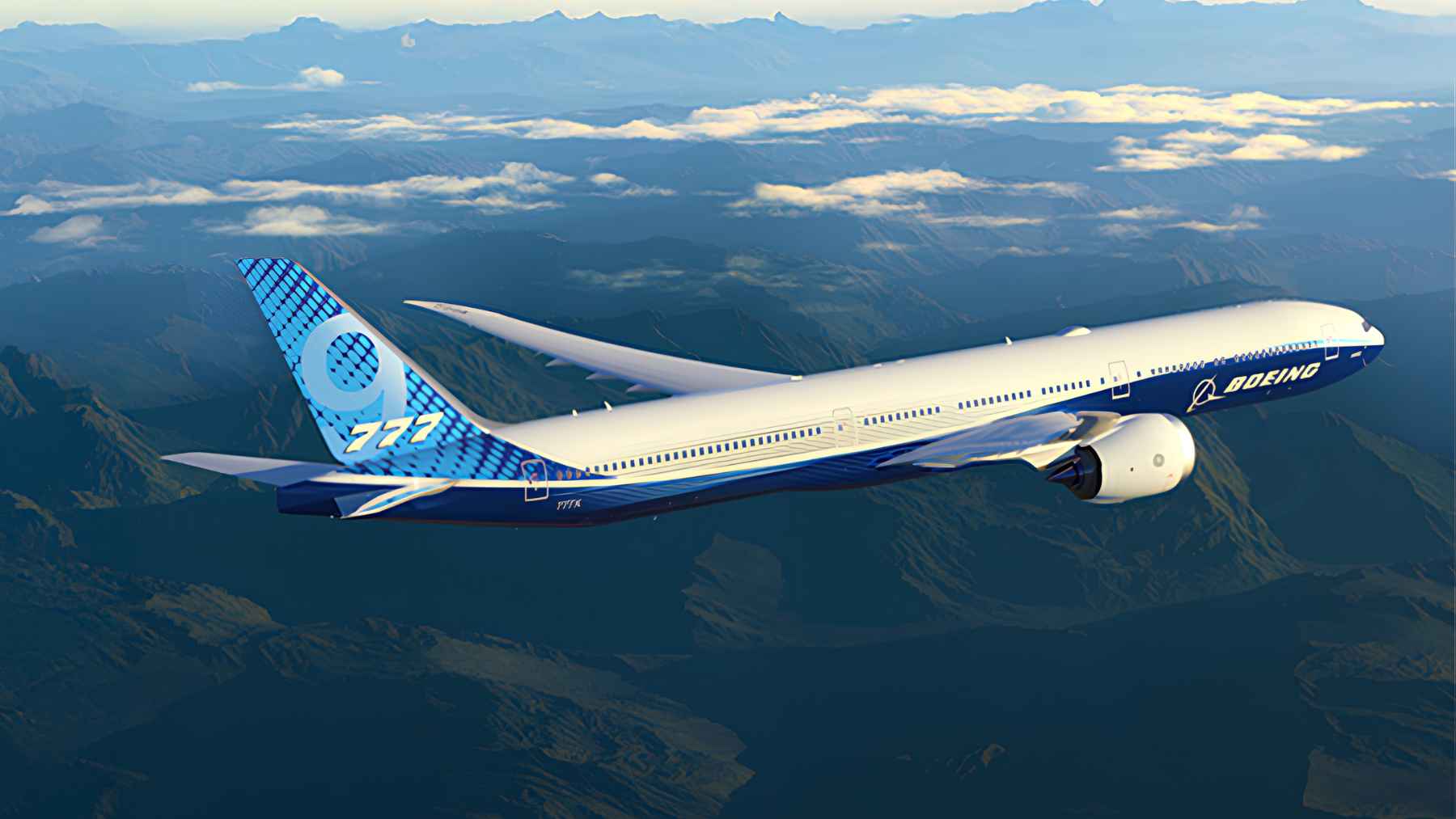
Boeing has dismantled WH007, the seventh 777-9 produced in the long-delayed 777X program, after deciding not to complete the partially assembled aircraft. Boeing Commercial Airplanes CEO Stephanie Pope confirmed the move before the 2026 Farnborough Airshow and said the decision was made “a while ago” and was already reflected in the company’s finances.
The company says the aircraft was taken apart using industry best practices for recycling and that no other early 777X has been dismantled.
Still, the case turns years of certification trouble into something easy to picture. A widebody designed to cut fuel use will never carry a passenger or deliver the environmental gains promised for it.
Why Boeing abandoned WH007
Boeing expected its earliest 777X aircraft to need modifications as the design and certification standard evolved. It calls that work “change incorporation,” and each already-built 777-9 will receive its own plan and schedule based largely on when it went through final assembly.
Pope said Boeing continually weighs the cost of those changes against the capability of the finished aircraft and the needs of customers. some early jets may be sensible candidates for rework, while one partially assembled airframe was judged not worth finishing.
The work is already underway in Everett, Washington, and will be handled by a team separate from normal 777X production. Boeing expects the process to last several years, while CEO Kelly Ortberg has said roughly 30 aircraft will pass through it. That is not a minor workshop job.
A seven-year delay and a $4.9 billion charge
Boeing officially recorded a $4.9 billion pretax charge on the 777X program in October 2025 and moved the expected first delivery to 2027. Back in early 2019, the company still said it was targeting first delivery in 2020.
That makes the current target seven years later than originally planned. Boeing says it remains on schedule for 2027, but certification is still a major undertaking rather than a box already checked.
As of July 2026, the 777-9 test fleet had completed more than 4,800 flight hours and about 1,700 flights, while 50% of planned certification testing was complete. The company also said most Type Inspection Authorizations had been granted, with several important approvals still outstanding. Progress is real, but the finish line has not arrived.
The environmental contradiction
Boeing markets the 777X family as a major efficiency step. The company says the 777-9 will use 20% less fuel and produce 20% fewer emissions than the airplanes it replaces, while creating a 40% smaller noise footprint.
Much of that promise comes from technology such as a high-span composite wing, folding wingtips and a new engine design. The longer wing is intended to improve aerodynamic efficiency, while the folding tips allow the aircraft to fit existing gates and taxiways.
WH007 will never provide any of those in-service savings. Recycling may recover some material value, but it cannot convert the labor, components and factory resources already committed to the airframe into decades of more efficient flying. Environmental performance only becomes real when an aircraft safely enters service.
Lean production faces a difficult test
Pope said Boeing’s production system has stabilized since she took charge of the commercial airplanes division in March 2024. She now wants the company to recover the “fundamental principles of lean production,” a manufacturing approach centered on reducing waste and improving predictable flow.
Change incorporation is exactly where that promise will be tested. Repeated work consumes parts, labor, factory space and time, even when it is necessary to bring an early aircraft up to the final approved standard. Anyone who has had to redo a home repair knows the feeling, only here the bill is measured in aircraft and billions of dollars.
Boeing says its broader Safety and Quality Plan includes mandatory training, simpler work instructions, expanded audits, improved tool control and more workplace coaching. The company has to improve productivity without turning “optimization” into a reason to rush safety-critical work.
The 787 lesson still hangs over Everett
The comparison worrying some analysts is Boeing’s early 787 Dreamliner production. The first six 787 test aircraft were written off, with some donated to museums and one eventually scrapped, while other heavily modified early jets became known as the “terrible teens” and were sold at steep discounts.
Wells Fargo analyst David Strauss said the 777X change-incorporation plan sounded “a little unsettling given the history.” Pope responded that Boeing had “learned a lot” from the 787 experience and had brought back experts, including retired workers, to identify what worked and what should be improved.
That history is a warning, not proof that the 777X will follow the same path. Boeing is using a separate rework team and individual aircraft plans, but success will be judged by what leaves Everett, not by how reassuring the process sounds.
What Boeing must prove next
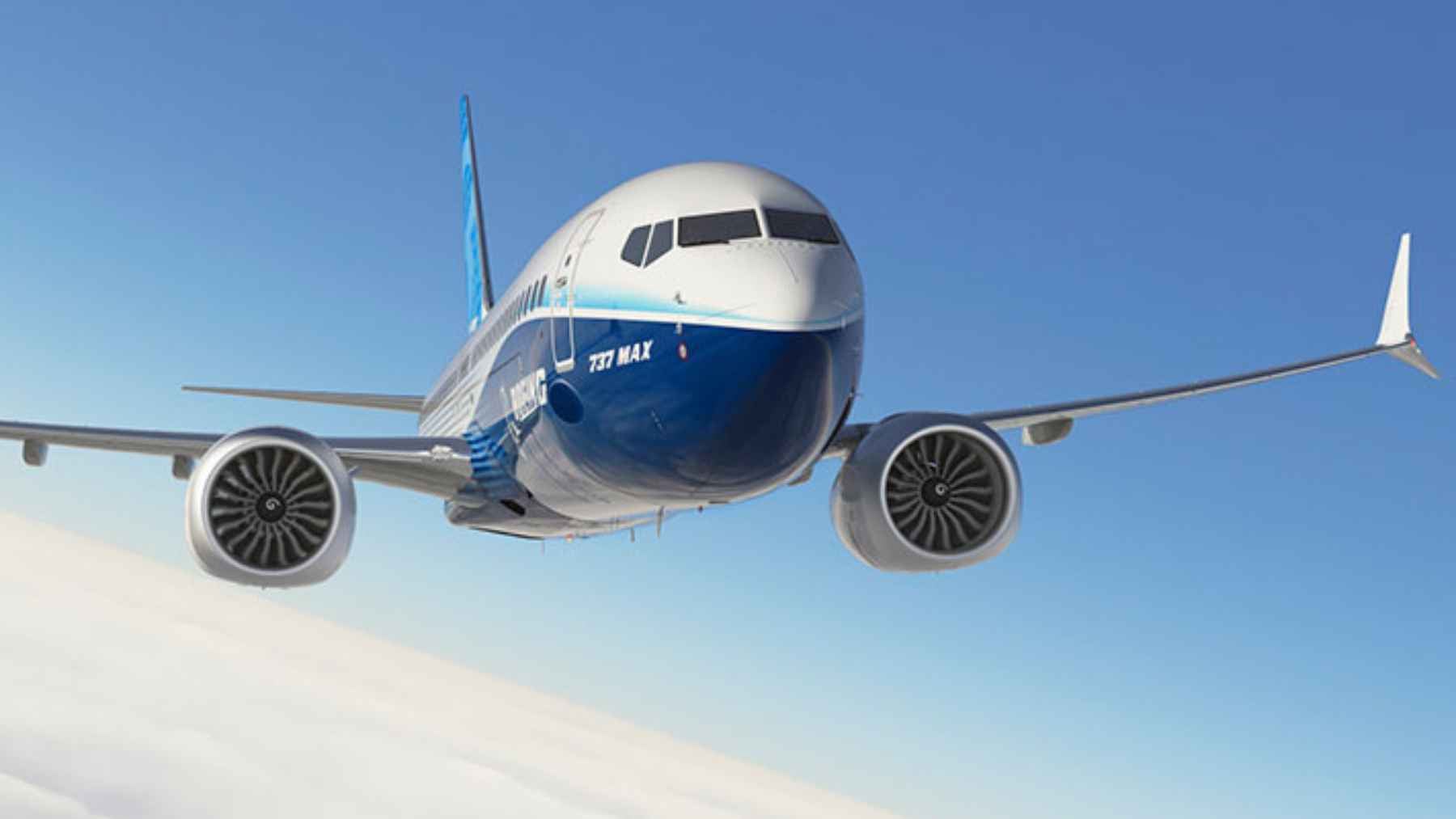
Boeing points to the new 737 MAX North Line in Everett as evidence that its factory system is moving toward greater capacity and stability. The line opened in July 2026 and became the first 737 production operation outside Renton in more than 50 years.
Beyond the 777X, Pope said Boeing will not launch an entirely new aircraft until both the market and the technology are ready. She declined to set a date, though she also warned that innovation is moving quickly enough that Boeing must watch the timing closely.
Scrapping WH007 may ultimately be the least wasteful choice if completing it would require more resources without producing the right aircraft for a customer.
The larger test is whether the roughly 30 early 777X jets still entering change incorporation can be updated without another wave of write-offs, delays or discarded material. One airframe is gone. The program’s credibility is still being rebuilt.
The latest official program update was published on Boeing.