A bridge is more than concrete, steel, and asphalt. In wartime, it is a lifeline for troops, fuel, food, ambulances, and civilians trying to keep daily life moving under impossible conditions.
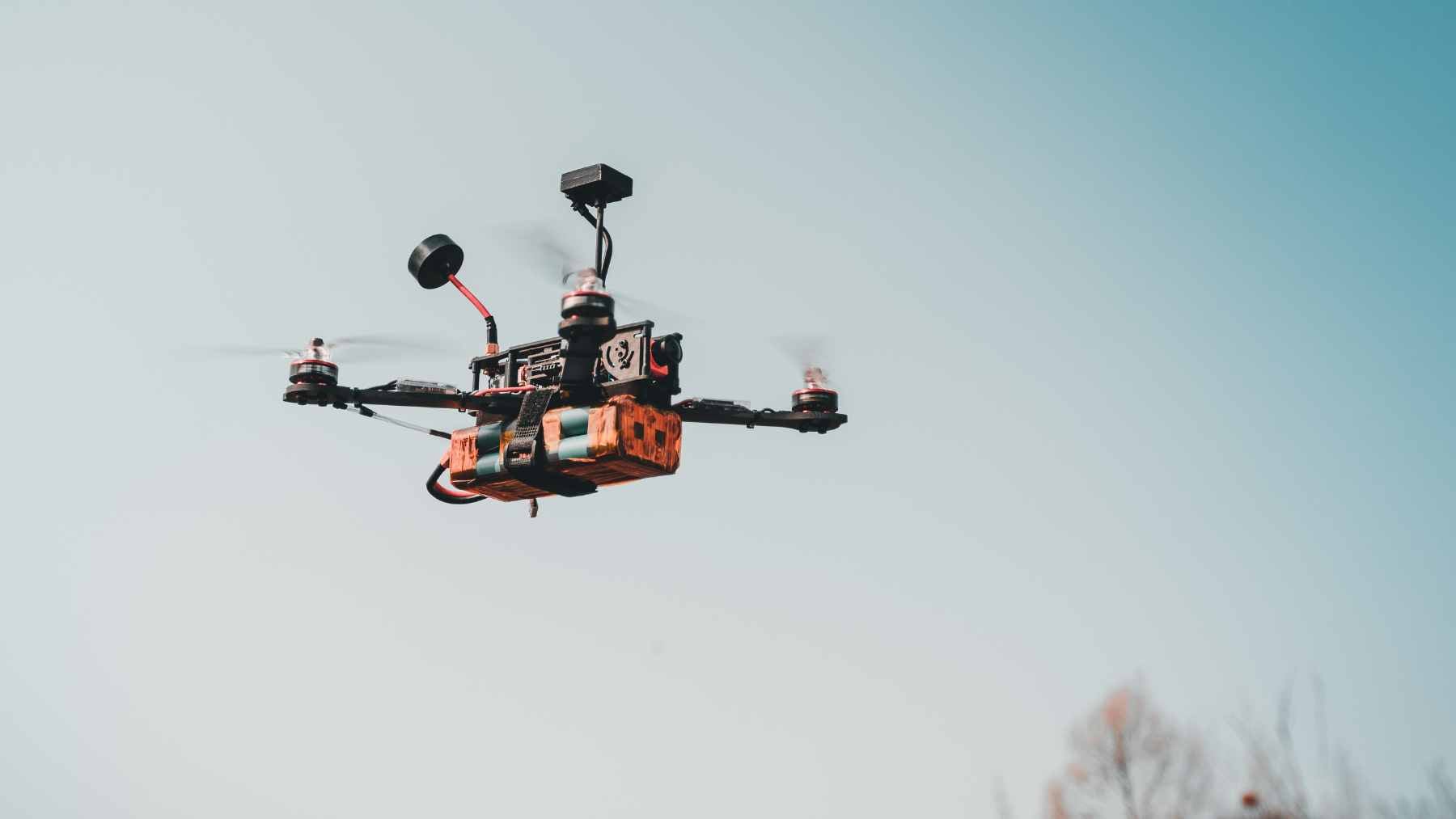
That is why a recent reported attack in Ukraine is getting attention well beyond the battlefield. Russian forces used 43 first-person-view drones to bring down a two-lane road bridge, according to a Forbes analysis, showing how cheap aerial systems can slowly chew through infrastructure that once required heavy bombs or expensive missiles to destroy.
A very old military problem
Armies have obsessed over bridges for generations. Cut a bridge, and you can delay a convoy, isolate a unit, or force an enemy to take a longer and more dangerous route.
During World War II, the Royal Air Force sent 19 Lancaster bombers on Operation Chastise, the famous “Dambusters” raid, using Barnes Wallis’s bouncing bombs to attack German dams. It was one of the clearest examples of a big military problem meeting a big engineering answer.
Now the equation looks different. What once demanded crews, bombers, and major explosives can, in some cases, be attempted by small drones flown again and again into the same weak points.
How small hits became a big threat
The striking part of the Ukraine bridge attack is not just the number 43, it is the method.
Instead of trying to destroy the bridge in one dramatic blast, the drones reportedly hit the support columns repeatedly. Each strike chipped away at the concrete, exposing the reinforcing steel inside and reducing the structure’s ability to carry weight.
Think of it like damage to a sidewalk after many freezes, cracks, and impacts. One hit may not matter much, but repeated stress in the same spot changes the whole story.
The cost gap is the warning
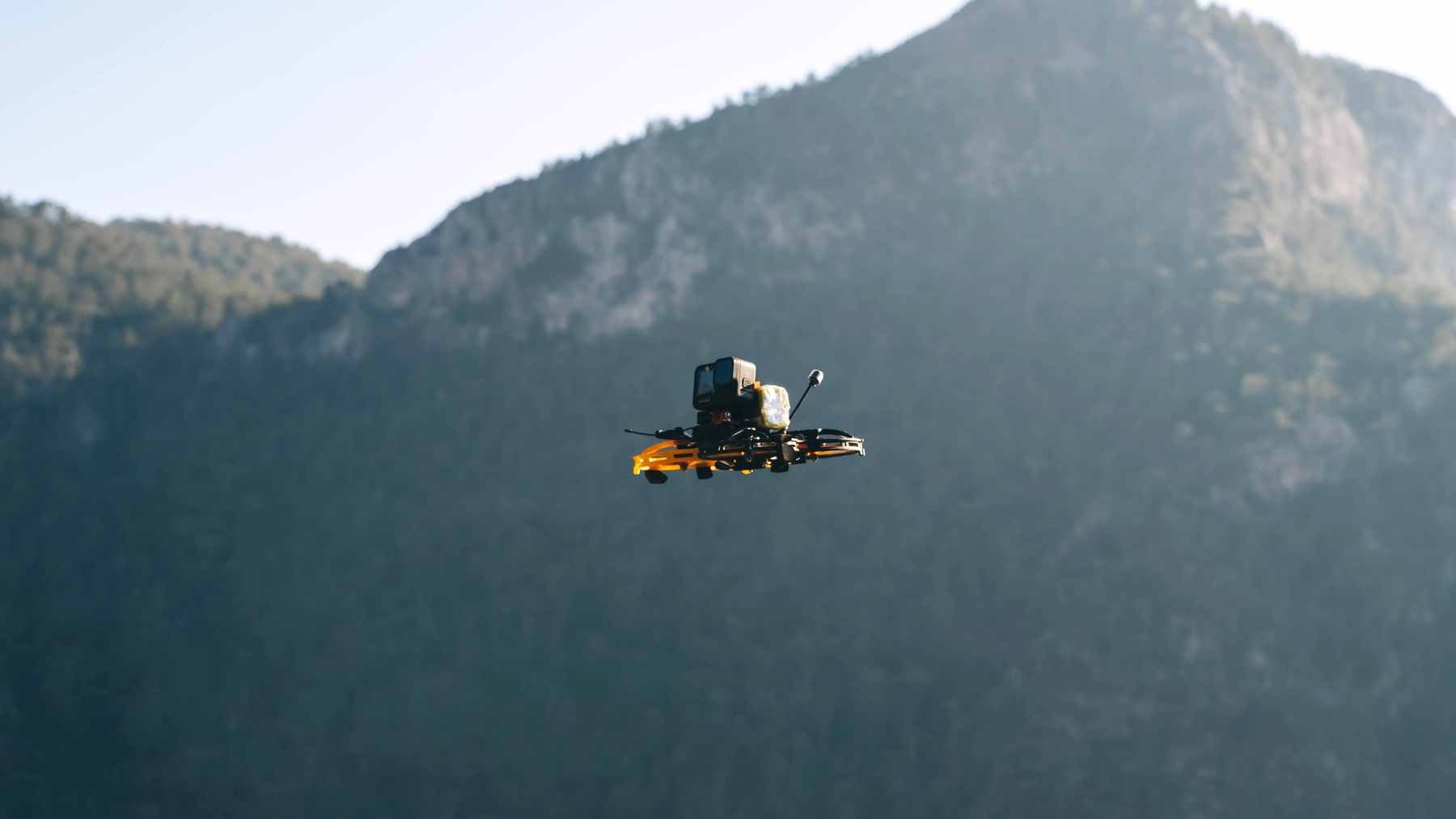
FPV drones are cheap compared with traditional precision weapons. The Center for Strategic and International Study (CSIS) has described common FPV drones in Ukraine as costing roughly $200 to $1,000, depending on the model and setup.
That cost matters because military planning has long assumed that destroying hardened infrastructure is expensive. If dozens of low-cost drones can replace one high-end missile in certain situations, commanders get a new option, and defenders get a much harder problem.
RAND has warned that cheap commercial drones are tilting the cost asymmetry of modern warfare toward offense. In plain English, it can be much cheaper to attack than to defend.
The environmental side of bridge warfare
The military lesson is obvious. The environmental one is easy to miss.
When a bridge collapses, the damage does not stop at traffic. Concrete debris can fall into rivers, vehicles may spill fuel or oil, and repair work often means new cement, new steel, heavy machinery, and more emissions.
That matters because cement and steel are already carbon-heavy materials. The International Energy Agency has described cement as one of the world’s largest industrial sources of carbon dioxide, while the World Steel Association says steel accounts for about 7% to 8% of global human-caused greenhouse gas emissions.
Ukraine’s wider ecological burden
Ukraine is already carrying a heavy environmental load from the war. The United Nations Environment Programme (UNEP) has said the conflict has caused considerable environmental destruction, including pollution risks and damage that will need postwar assessment and recovery.
The Organisation for Economic Cooperation and Development (OECD) has also warned that the war has caused widespread and severe environmental damage, with consequences for human health, ecosystems, and the economy.
Transport infrastructure is part of that picture, because damaged roads, bridges, rail lines, and energy systems shape how people move, rebuild, and survive.
So a drone-damaged bridge is not just a tactical headline. It is one more piece of a much larger reconstruction bill, and a reminder that “green recovery” becomes harder every time essential infrastructure is reduced to rubble.
Why defenders may need to rethink bridges
The old answer to bridge protection was often distance, air defense, and hardened design. Those still matter, but small drones add a new challenge because they can be persistent, precise, and expendable.
A bridge does not need to be vaporized to become useless. It only needs to become unsafe.
That means future bridge design may need more attention to replaceable protective layers, drone nets, sensors, electronic warfare, and rapid inspection after repeated impacts. It also means engineers may have to think like drone operators, asking where a cheap aircraft would strike if it had ten chances instead of one.
A new kind of infrastructure risk
There is another uncomfortable question. How many bridges, overpasses, logistics depots, and industrial buildings around the world were designed under the assumption that only large bombs or major sabotage teams could threaten them?
For the most part, civilian infrastructure is not built for repeated pinpoint strikes from above. That was not the normal risk model for a highway bridge, a rail crossing, or a supply depot.
Ukraine is showing that model may be outdated. The next stage of infrastructure security will not only be about stopping missiles, it may also be about surviving slow, cheap, repeated damage.
What comes next
The bridge attack does not mean every structure can now be destroyed by hobby-style drones. Bridges vary widely, and terrain, air defenses, payload size, and operator skill all matter.
It does show where warfare is heading, though. The future may belong less to one giant blast and more to dozens of small impacts, coordinated patiently, until a structure gives way.
At the end of the day, that is the real warning. Cheap drones are not only changing how armies fight. They are changing how nations must think about the environmental and economic cost of protecting the infrastructure everyone depends on.
The analysis was published on Forbes.