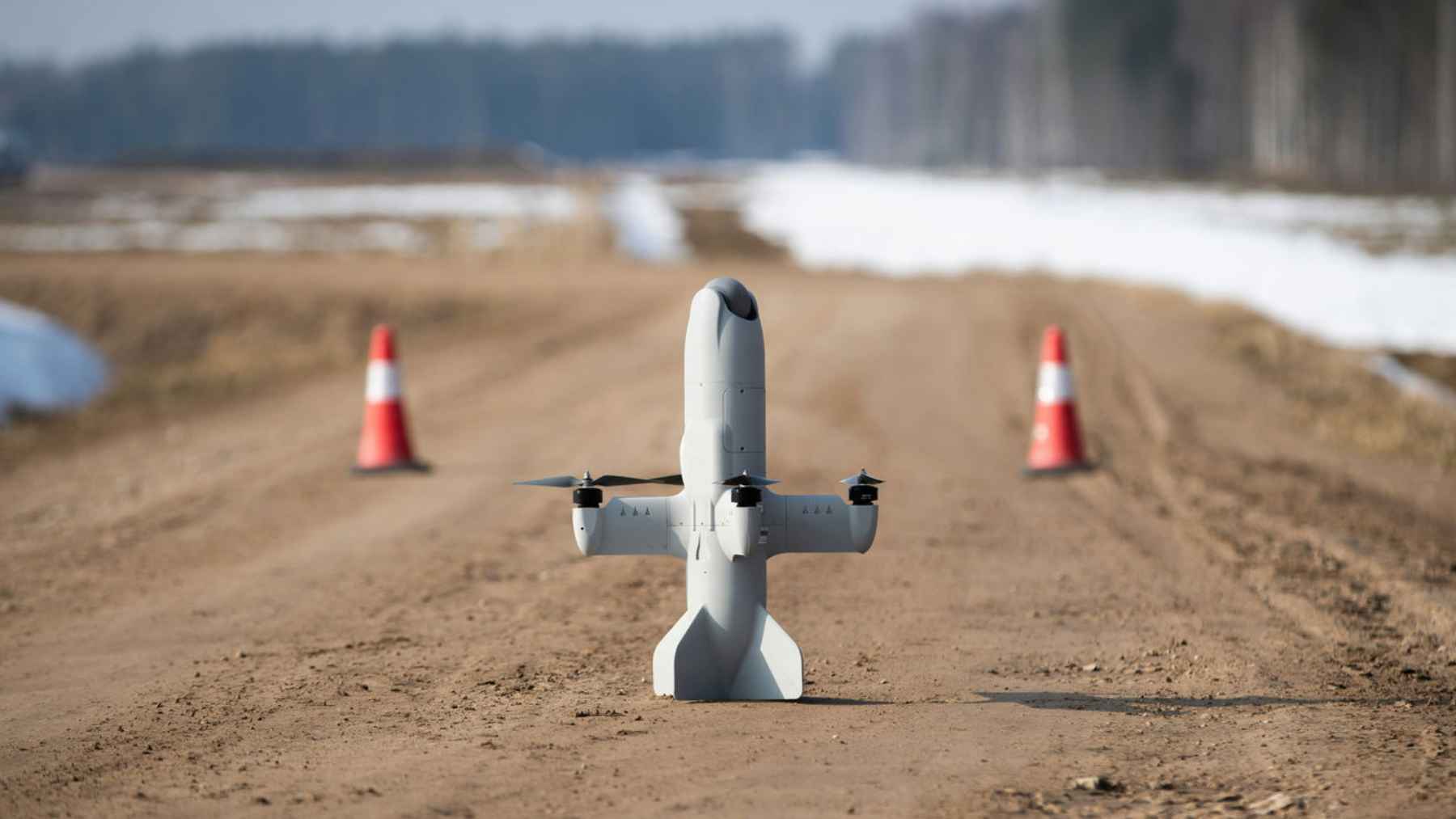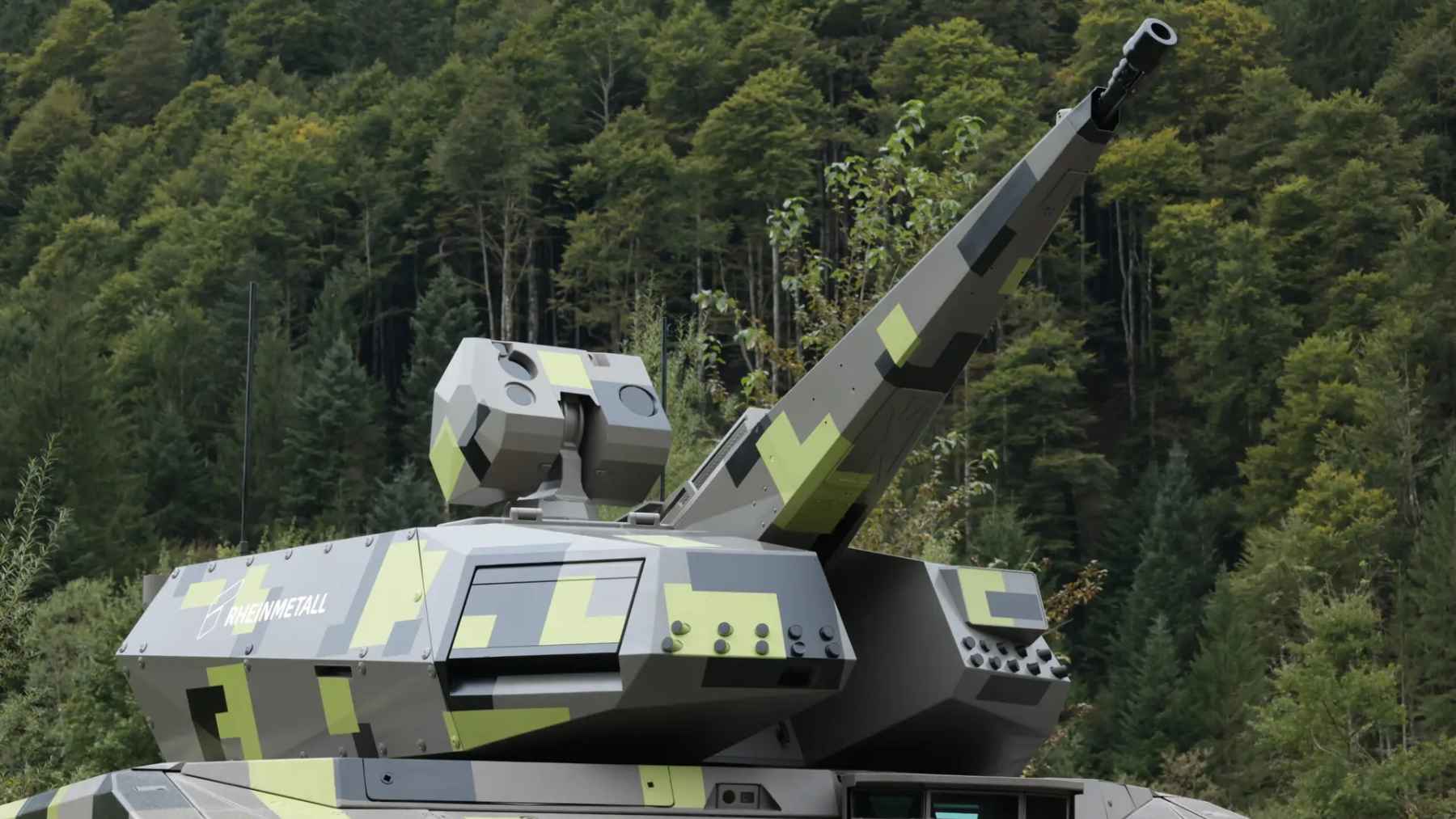
The U.S. military’s drone defenses are being rewritten after a Florida exercise exposed just how quickly modern unmanned systems can outgrow old assumptions.
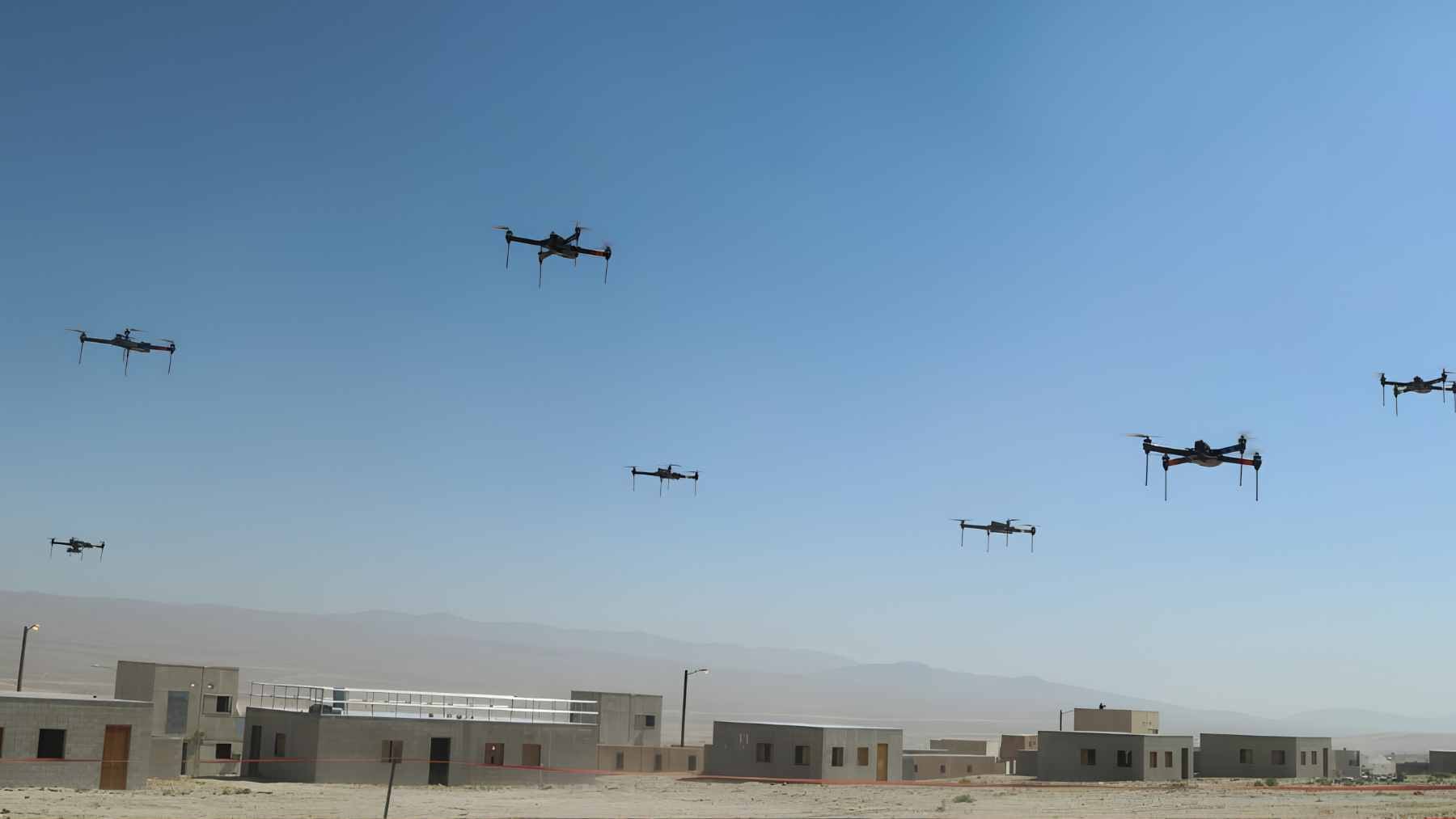
During Operation Clear Horizon at Eglin Air Force Base, special operators used Ukraine-style tactics, including drones with fiber-optic control, LTE links, directional antennas, and frequency hopping to challenge U.S. counter-drone teams.
The result was bigger than a training lesson. It is now shaping how the Pentagon buys technology, links sensors, and thinks about the hidden footprint of modern warfare.
That matters because a drone race is not only about airspace and budgets, but also about batteries, electronics, debris, energy use, and the long trail of equipment left behind when yesterday’s “latest” system becomes outdated.
A Florida drill changed the plan
Brig. Gen. Matt Ross, who leads Joint Interagency Task Force 401, said the Florida exercise “helped us develop our priorities,” which is a plain way of saying something serious. The U.S. military saw that battlefield-style drones are no longer just cheap quadcopters buzzing over a fence.
The exercise used small and larger drones, including Group 1 and Group 3 systems, along with aircraft designed to resist jamming and radar detection. One striking detail was that operators in Colorado could control drones aimed at targets in Florida using the cellular network, which Ross described as a first for the U.S. military.
Ukraine rewrote the playbook
Ukraine has become the world’s most urgent drone laboratory, whether anyone likes that fact or not. Ross said U.S. officials had recently been in Ukraine watching how Kyiv is defended at night and studying the technologies already proving themselves along the front line.
That is why the old test model no longer looks good enough. Between September and December, Ross said 67 counter-drone tests were conducted across different parts of the Defense Department, but the data could not always be compared in a useful way. In practical terms, the Pentagon had lots of tests, but not always a clean answer about which tools worked best.
The business case is speed
The money is now moving fast. Ross said more than $600 million had been committed in six weeks for rapid integration of new counter-drone technology, while the Pentagon’s 2027 budget proposal seeks $75 billion for new drone technology.
Still, spending big does not automatically solve the problem. A missile built to destroy another missile can take down a drone, but using high-end weapons against cheap aircraft is like swatting a fly with a laptop.
That’s why the Pentagon is pushing low-cost interceptors, better software, and systems that can connect any sensor with the right defensive tool.
The environmental question
This is where the story gets bigger than defense. More drones and counter-drones mean more sensors, circuit boards, batteries, cameras, and short-lived electronics entering the supply chain.
Globally, 136 billion lbs. of electronic waste were generated in 2022, and only 22.3% was documented as formally collected and recycled in an environmentally sound way, according to the Global E-waste Monitor 2024.
The Pentagon knows procurement has an environmental side. Its Sustainable Procurement Program says defense buying should reduce resource consumption and pollution while improving efficiency, and it describes the department as the single largest buyer of supplies and services in the U.S. government.
That makes the drone race a test of whether “buy faster” can also mean “buy smarter.”
Less collateral, more pressure
Ross has also stressed “low collateral defeat,” especially for homeland defense. In a media roundtable, he said some battlefield tools are not well suited for places like U.S. bases, critical infrastructure, or areas close to civilian life.
Nobody wants falling fragments, explosive warheads, or confused signals near neighborhoods, airports, or the cell service people use every day.
That is why the Pentagon’s new approach is leaning toward layered defenses, plug-and-play systems, and better mission command. At the end of the day, the goal is not just to shoot down drones. It is to detect them early, choose the least risky response, and avoid turning every drone scare into a costly and messy cleanup operation.
What happens next?
Ross has warned that drone warfare is different from the roadside bombs of Iraq and Afghanistan because commercial markets are pushing autonomy forward at high speed.
Offensive and defensive drone operations, he said, are “inextricably linked,” which means every new drone breakthrough can quickly become a new defense problem.
For the most part, this is now a race between software, sensors, procurement, and responsibility. If the Pentagon can standardize testing, reduce wasteful buying, and build systems with environmental rules baked in from the start, the drone-defense boom could become more than another expensive arms sprint. If not, the skies may get safer while the supply chain gets dirtier.
The official statement was published on The United States Army.